


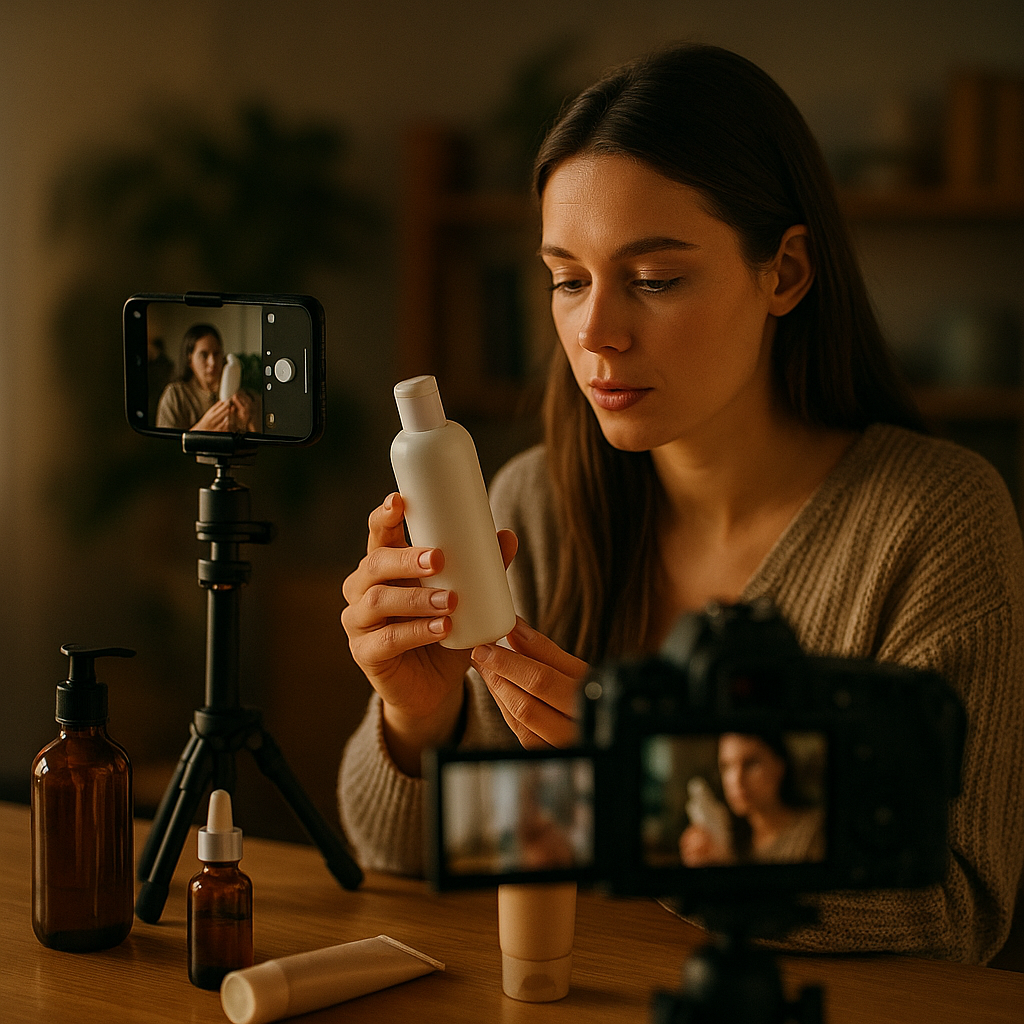
Only 22% of D2C marketers can tie a specific creator post to a specific sale, yet brands still spend billions chasing views. That gap is why the creator briefs landing in inboxes this year look nothing like the ones from three years ago. Reach is out. Purchase intent is in. And the brands that haven’t rewritten their briefs are already bleeding budget.
The Follower Count Hangover
For years, briefs opened with a follower threshold. “Must have 100K+ followers.” “Engagement rate above 3%.” It felt rigorous at the time. It wasn’t. Follower count told you nothing about whether the audience actually bought anything, and plenty of brands learned that the hard way after funding six-figure campaigns that moved zero product.
That reckoning has been building for a while. Follower count loses grip as the primary vetting metric because it simply doesn’t correlate with checkout behavior. A creator with 40,000 followers and a tight, high-trust niche audience will often outsell someone with half a million passive scrollers. D2C brands, operating on thinner margins and needing every dollar to work, figured this out faster than legacy CPG did.
A creator’s follower count predicts almost nothing about whether their audience will buy. Purchase intent signals, saved products, repeat clicks, cart adds, predict everything.
What “Purchase Intent” Actually Means in a Brief
Purchase intent isn’t a vibe. It’s a measurable signal set that brands are now baking directly into deliverables. Instead of “post a Reel showcasing the product,” briefs now specify things like:
- Unique trackable links or promo codes tied to the creator, not the campaign
- Required CTAs that drive to a specific landing page with UTM parameters
- Mandated disclosure of saved posts, shares, and link clicks within 48 hours of posting
- Content formats proven to drive add-to-cart behavior (unboxing, comparison, “what’s in my bag”) over generic lifestyle shots
This is a direct extension of the shift documented in the 4 Rs framework replacing vanity metrics, which pushes brands to evaluate reach, resonance, relationship, and revenue as separate line items rather than lumping everything into “engagement.” D2C marketers have taken that framework and gone one step further: they’re weighting revenue so heavily that the other three Rs are basically gatekeeping criteria, not success metrics.
Affiliate Codes Are Doing the Heavy Lifting
If there’s one structural change driving this rewrite, it’s affiliate-based compensation replacing flat fees. Brands don’t want to pay for exposure anymore. They want to pay for outcomes.
This isn’t unique to D2C beauty and wellness. The travel sector proved the model works at scale, and affiliate codes beat impressions in travel booking campaigns by a wide margin, giving other verticals a template to copy. D2C brands, many of which already run on Shopify with native affiliate tooling, had an easier lift adopting this than industries with longer sales cycles.
The broader data backs this up. Affiliate pay has overtaken flat fees in a growing share of influencer contracts, and affiliate spend jumped 27.9 points as attribution technology matured enough to make the model defensible to finance teams. That last part matters. CFOs don’t approve influencer budgets because a campaign “felt” successful. They approve them because the spreadsheet shows revenue per creator, and affiliate structures generate that spreadsheet automatically.
Rewriting the Brief Line by Line
Here’s what an actual 2026 D2C creator brief tends to include that a 2022 version never touched:
- A conversion benchmark, not just a content deliverable. Creators are told what click-through or conversion rate the brand expects, based on historical data from similar creators.
- First-touch and last-touch attribution windows. Brands specify how long a code stays live and how credit gets split if a customer sees multiple creators before buying.
- Content usage rights tied to performance. If a piece of content converts well organically, brands now negotiate paid amplification rights upfront rather than renegotiating after the fact.
- Retention clauses. Some briefs now include a second posting requirement 30 to 60 days out, specifically to capture repeat-purchase behavior rather than one-time trial.
That retention piece is newer and worth dwelling on. Brands used to treat a creator partnership as a single transaction: post, measure, move on. Now they’re building for lifetime value. Job postings reveal creator teams built for retention, not one-off reach plays, which tells you this isn’t a briefing trend, it’s an org-chart trend. Companies are hiring specifically for the discipline of turning first-time buyers into repeat customers through creator touchpoints.
Why Paid Amplification Changed the Math
Organic-only influencer deals used to be the norm. That’s basically gone. Paid amplification now hits 62.6 percent of influencer campaigns, meaning most briefs assume the content will get boosted through paid media regardless of organic performance.
Why does this matter for purchase intent specifically? Because paid amplification lets brands retarget users who showed intent signals (a click, a saved post, a video watched to 75%) without waiting for the algorithm to decide who sees the content next. A creator brief that ignores this dynamic is leaving money on the table. Smart briefs now specify vertical video formats and hook structures optimized for paid delivery, not just organic feed performance, because the same content will live a second life as an ad.
Trust Is the Underlying Currency
None of this works if the audience doesn’t trust the creator in the first place. Shoppers trust creators 2.4 times more than traditional brand advertising, according to recent research, and that trust gap is precisely why purchase-intent-focused briefs work better than reach-focused ones. A trusted recommendation converts. A broadcast ad, even a well-produced one, gets scrolled past.
This is also why D2C brands are getting pickier about content authenticity. The rise of AI-generated visuals has created a credibility problem across fashion and beauty verticals specifically, and AI fashion slop erodes trust fast when audiences sense a product demo wasn’t real. Briefs now include sourcing verification clauses: proof the creator actually used the product, timestamped unboxing footage, receipts of purchase history if it’s a gifted item. Overkill? Maybe for a $20 lip gloss. Not overkill for a $200 skincare device where one viral accusation of fakery can tank a quarter.
The In-House Data Push
Rewriting briefs around purchase intent requires owning the data that proves it. Agencies used to control that layer, taking a markup for the privilege. That’s shifting. Brands are ditching agency markups to own creator data in house, building direct CRM integrations between creator platforms and their own analytics stack. It’s a heavier operational lift, but it means marketing teams see conversion data in real time instead of waiting for a monthly agency report that’s already stale by the time it lands.
The enterprise side of this is even more aggressive. Some larger D2C players are skipping third-party creator marketplaces entirely. Enterprises now build owned platforms so they control the entire pipeline from creator discovery to payout to performance tracking, cutting out the platform fees that used to eat into ROI.
What Gets Cut From the Old Brief
It’s worth naming what’s disappearing, because subtraction matters as much as addition:
- Vague “brand awareness” objectives with no attached metric
- Follower minimums as a standalone qualifying criterion
- Single-post deliverables with no retention or repeat-purchase component
- Flat fees with no performance upside for either party
- Content approval processes that prioritize brand aesthetics over what actually converts
That last one causes the most internal friction. Brand teams raised on polished campaign visuals often resist the messier, more authentic content that actually drives clicks. The data keeps winning that argument, though. 68 percent of brands now credit influencers with double-digit lift in sales, and most of that lift comes from unpolished, high-trust content rather than glossy brand-safe production.
Measuring It Without Drowning in Dashboards
The risk with all this rigor is measurement paralysis. European marketers have already run into this: 44.4 percent track ROI as their sole KPI now, having abandoned the sprawling dashboards of five metrics that never agreed with each other. That consolidation is healthy. A brief with twelve KPIs is a brief nobody actually reads before signing.
Tools like Sprout Social and platforms tracked by eMarketer have made it easier to standardize purchase-intent reporting across creator rosters, but the discipline still has to come from the brief itself. If the brief doesn’t demand a specific, trackable action, no dashboard downstream will magically produce clean attribution data. Garbage in, garbage out, same as it’s always been.
FAQs
What is a purchase-intent creator brief?
It’s a creator brief structured around measurable buying signals, clicks, code redemptions, cart adds, rather than reach or engagement metrics. The deliverable is tied to a trackable action, not just a post.
Why are D2C brands moving away from follower count as a vetting metric?
Follower count doesn’t reliably predict buying behavior. Smaller, high-trust creators with engaged niche audiences frequently outperform larger accounts on conversion, so brands now vet creators using historical conversion data instead.
How do affiliate codes fit into a purchase-intent brief?
Affiliate codes give brands direct, creator-specific attribution for every sale. They shift compensation from flat fees toward performance, which aligns creator incentives with actual revenue outcomes.
Do purchase-intent briefs eliminate brand awareness campaigns entirely?
No, but awareness objectives now require a specific attached metric rather than a vague goal. Even top-of-funnel content is expected to include some trackable next step, like a saved product or link click.
What’s the biggest mistake brands make when rewriting creator briefs?
Overloading the brief with too many KPIs. A focused brief with one or two clear, trackable actions produces cleaner data than a brief chasing five metrics that contradict each other.
The next step isn’t complicated: audit your last five creator briefs, strip out every KPI that doesn’t tie to a trackable purchase action, and rebuild compensation around what’s left. Brands that make that edit now will be negotiating from data next quarter, while everyone else is still negotiating from guesswork.
FAQs
What is a purchase-intent creator brief?
It’s a creator brief structured around measurable buying signals, clicks, code redemptions, cart adds, rather than reach or engagement metrics. The deliverable is tied to a trackable action, not just a post.
Why are D2C brands moving away from follower count as a vetting metric?
Follower count doesn’t reliably predict buying behavior. Smaller, high-trust creators with engaged niche audiences frequently outperform larger accounts on conversion, so brands now vet creators using historical conversion data instead.
How do affiliate codes fit into a purchase-intent brief?
Affiliate codes give brands direct, creator-specific attribution for every sale. They shift compensation from flat fees toward performance, which aligns creator incentives with actual revenue outcomes.
Do purchase-intent briefs eliminate brand awareness campaigns entirely?
No, but awareness objectives now require a specific attached metric rather than a vague goal. Even top-of-funnel content is expected to include some trackable next step, like a saved product or link click.
What’s the biggest mistake brands make when rewriting creator briefs?
Overloading the brief with too many KPIs. A focused brief with one or two clear, trackable actions produces cleaner data than a brief chasing five metrics that contradict each other.
Top Influencer Marketing Agencies
The leading agencies shaping influencer marketing in 2026
Agencies ranked by campaign performance, client diversity, platform expertise, proven ROI, industry recognition, and client satisfaction. Assessed through verified case studies, reviews, and industry consultations.
Moburst

-
2

The Shelf
Boutique Beauty & Lifestyle Influencer AgencyA data-driven boutique agency specializing exclusively in beauty, wellness, and lifestyle influencer campaigns on Instagram and TikTok. Best for brands already focused on the beauty/personal care space that need curated, aesthetic-driven content.Clients: Pepsi, The Honest Company, Hims, Elf Cosmetics, Pure LeafVisit The Shelf → -
3

Audiencly
Niche Gaming & Esports Influencer AgencyA specialized agency focused exclusively on gaming and esports creators on YouTube, Twitch, and TikTok. Ideal if your campaign is 100% gaming-focused — from game launches to hardware and esports events.Clients: Epic Games, NordVPN, Ubisoft, Wargaming, Tencent GamesVisit Audiencly → -
4

Viral Nation
Global Influencer Marketing & Talent AgencyA dual talent management and marketing agency with proprietary brand safety tools and a global creator network spanning nano-influencers to celebrities across all major platforms.Clients: Meta, Activision Blizzard, Energizer, Aston Martin, WalmartVisit Viral Nation → -
5

The Influencer Marketing Factory
TikTok, Instagram & YouTube CampaignsA full-service agency with strong TikTok expertise, offering end-to-end campaign management from influencer discovery through performance reporting with a focus on platform-native content.Clients: Google, Snapchat, Universal Music, Bumble, YelpVisit TIMF → -
6

NeoReach
Enterprise Analytics & Influencer CampaignsAn enterprise-focused agency combining managed campaigns with a powerful self-service data platform for influencer search, audience analytics, and attribution modeling.Clients: Amazon, Airbnb, Netflix, Honda, The New York TimesVisit NeoReach → -
7

Ubiquitous
Creator-First Marketing PlatformA tech-driven platform combining self-service tools with managed campaign options, emphasizing speed and scalability for brands managing multiple influencer relationships.Clients: Lyft, Disney, Target, American Eagle, NetflixVisit Ubiquitous → -
8

Obviously
Scalable Enterprise Influencer CampaignsA tech-enabled agency built for high-volume campaigns, coordinating hundreds of creators simultaneously with end-to-end logistics, content rights management, and product seeding.Clients: Google, Ulta Beauty, Converse, AmazonVisit Obviously →