


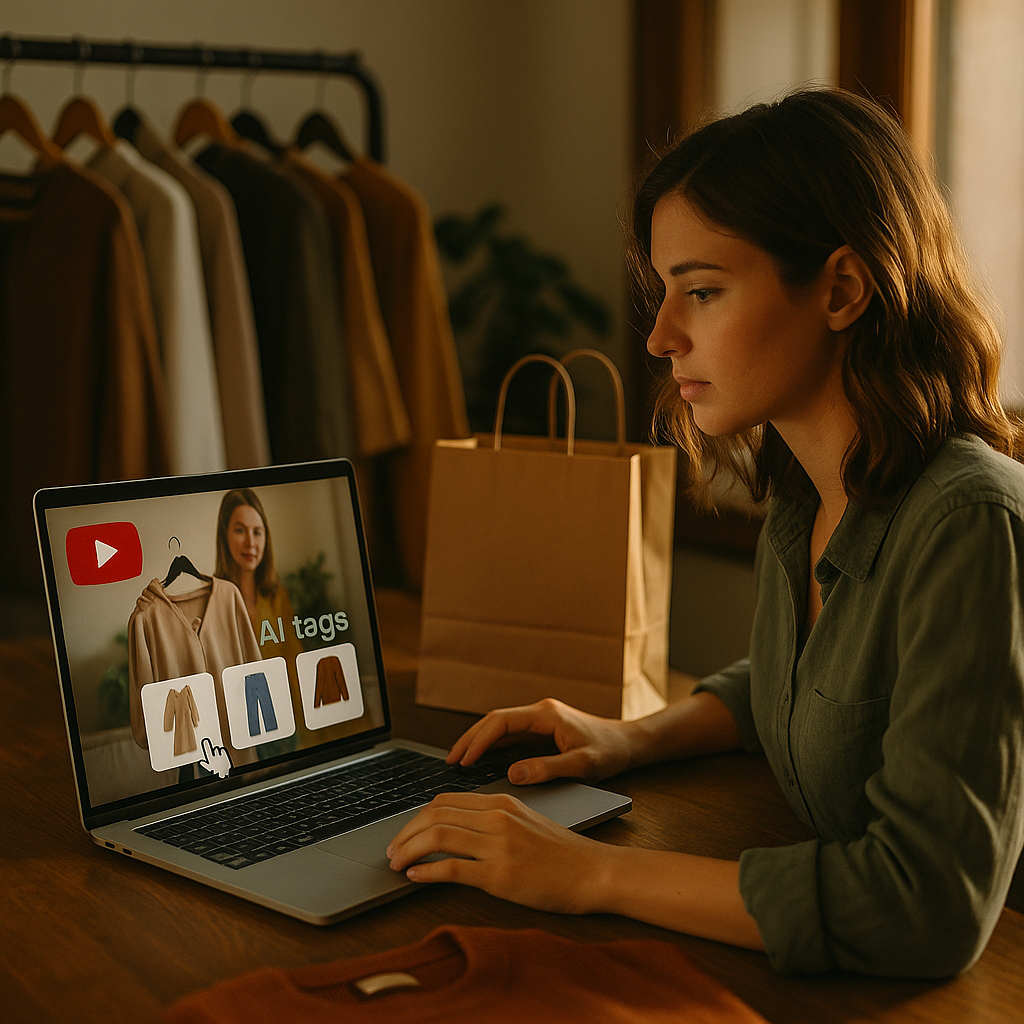
YouTube now processes over 20 billion product tags across creator videos, but most brands still treat Shopping tags as an afterthought bolted onto a script instead of a signal the algorithm actively reads. That’s a mistake. YouTube Shopping’s new AI creator tools have quietly turned product placement into a data feed, and the recommendation engine rewards brands that understand what it’s actually consuming.
If you’re running influencer budgets on YouTube in 2026, this isn’t a nice-to-have. It’s the difference between organic reach that compounds and campaigns that die the day the media spend stops.
What Changed in YouTube’s Creator Commerce Stack
YouTube spent the last two years quietly rebuilding its commerce infrastructure around generative AI. The result is a suite of tools that auto-generate product tags from video content, suggest optimal tagging moments based on watch-time retention curves, and surface “shoppable moments” directly inside Shorts and long-form video without the creator lifting a finger.
The headline feature is automatic product recognition: YouTube’s models now scan video frames, audio, and on-screen text to identify products even when a creator hasn’t manually tagged them. Pair that with AI-generated overlay suggestions (think dynamic “shop this look” cards that appear at algorithmically chosen timestamps) and you get a system that’s less “creator adds a link” and more “creator feeds a dataset.”
YouTube’s Shopping AI doesn’t just track whether a tag was clicked. It weighs dwell time, replay behavior, and cross-video product consistency to decide which creators get amplified in shopping-adjacent recommendation slots.
That last part matters more than most brand teams realize. The engine isn’t scoring individual videos anymore. It’s scoring creators and brands as recurring entities across a catalog of content, similar to how Google’s product documentation describes structured data feeding search visibility. Feed it messy, inconsistent signals and you get suppressed distribution. Feed it clean, repeated patterns and you get compounding reach.
The Recommendation Engine Is Reading More Than Your Tags
Here’s the part most media plans miss: YouTube’s AI creator tools are cross-referencing product mentions against three other data layers. Comment sentiment (does the audience actually want this product?), watch-time retention around the shopping moment, and purchase-intent signals pulled from Google Shopping’s broader graph.
Translation: a creator can tag a product perfectly and still get zero algorithmic lift if the audience scrolls past the moment or the comments trend skeptical. The system is optimizing for commercial intent signals, not just tag placement.
- Retention drop-off at the tag point tells the model the placement felt like an ad interruption.
- Comment sentiment analysis flags whether the audience trusts the recommendation or is calling it out as forced.
- Repeat product mentions across a creator’s catalog build a consistency score that determines how aggressively YouTube surfaces that creator in shopping-focused recommendation rows.
This is a fundamental shift from the “one video, one campaign” mindset that’s dominated influencer briefs for years. Brands need to think in terms of feeding a persistent signal, not executing a single deliverable. If you’ve read our YouTube creator partnerships breakdown, this is the natural next layer: direct access to creators now needs to be paired with disciplined tagging cadence to actually move the needle.
Why One-Off Campaigns Underperform Now
A single sponsored video with a perfectly tagged product used to be enough to generate a spike in traffic. Not anymore. YouTube’s model treats one-off tagging as noise unless it’s reinforced across multiple videos, multiple creators, or a sustained cadence. Emarketer’s ongoing coverage of retail media and creator commerce trends has flagged this same pattern across platforms: algorithms increasingly favor sustained, repeated brand-creator relationships over transactional one-off posts.
The practical implication is budget allocation. Instead of spreading spend across twenty creators for one video each, concentrate spend on a smaller roster doing recurring integrations. The AI rewards the pattern, not the reach.
Building a Tagging Cadence That Actually Feeds the Algorithm
So what does “feeding the recommendation engine” look like operationally? It’s less glamorous than it sounds. It’s a checklist.
- Tag early, not just at the CTA. Videos that tag a product within the first third of runtime see stronger algorithmic pickup than those that save it for a closing pitch.
- Repeat the same SKU across a content series. Consistency signals to the model that this is a genuine product relationship, not a one-time ad buy.
- Brief creators on retention-friendly placement. Ask them to demo the product mid-narrative rather than pausing content to sell. The AI reads the drop-off.
- Monitor comment sentiment weekly. If skepticism trends up, that’s a signal to adjust messaging before the algorithm deprioritizes the content.
- Sync your product feed metadata. Inconsistent titles, pricing, or availability between your Shopify catalog and YouTube’s product feed will actively suppress recommendation eligibility.
That last point trips up more brands than anything else on this list. If your commerce stack isn’t synced cleanly, the AI has nothing reliable to recommend against. Teams running cross-platform attribution should look at how cross platform payout reconciliation tools handle this kind of feed hygiene, because the same discipline that keeps creator payouts clean also keeps product data clean enough for YouTube’s models to trust it.
Compliance Doesn’t Disappear Just Because AI Is Involved
Automated tagging doesn’t remove disclosure obligations. If anything, it raises the stakes. When YouTube’s AI auto-generates a shoppable overlay on a video that wasn’t originally disclosed as sponsored, brands are still on the hook under FTC guidance for clear and conspicuous disclosure. The FTC’s endorsement guidelines haven’t been rewritten for AI tagging tools, which means the burden falls on brands and agencies to make sure creator contracts explicitly cover auto-generated shopping placements, not just manually added links.
Get this wrong and you’re not just risking a regulatory letter. You’re risking the exact algorithmic suppression this whole playbook is trying to avoid, since flagged or reported content gets deprioritized fast. Brands already working through disclosure workflows on other platforms should cross-reference our disclosure compliance framework, since the underlying legal logic transfers directly to YouTube’s new tools.
Where This Intersects With Conversational Shopping
YouTube’s push into AI-generated tagging doesn’t exist in isolation. It’s part of a broader move toward conversational commerce, where viewers can ask an AI assistant about a product mid-video and get an answer sourced from creator content and product metadata combined. We covered the readiness side of this shift in our conversational AI shopping playbook, and the overlap is direct: the same clean, consistent product data that feeds recommendation ranking is what powers accurate conversational answers. Sloppy feeds don’t just hurt visibility. They risk the AI assistant misrepresenting your product to a shopper, which is a brand safety problem nobody wants.
Measurement Is Still the Weak Point
Most brands can tell you their click-through rate on a product tag. Far fewer can tell you whether that tag influenced the recommendation engine’s decision to surface the video more broadly. That’s a measurement gap, and it’s costing budget.
Sprout Social’s research on social commerce measurement trends consistently shows that brands underinvest in mid-funnel signal tracking compared to top-line conversion metrics. On YouTube specifically, that means tracking replay rate at the tag moment, comment sentiment trendlines, and recommendation-slot appearances over time, not just last-click sales attribution.
If your reporting stack only shows revenue and ROAS, you’re flying blind on the exact signals that determine whether next month’s content gets algorithmic amplification or gets buried. Build a lightweight dashboard that tracks tag-moment retention and sentiment alongside standard commerce KPIs. It’s the only way to diagnose why a campaign underperforms when the creative and offer both look fine on paper.
A Quick Gut Check Before You Brief Your Next Creator
Before locking in your next YouTube Shopping brief, run through this short list:
- Is the product tagged early and reinforced across multiple videos, not just one?
- Does the creator’s contract cover auto-generated shopping overlays, not just manual links?
- Is your product feed metadata synced and consistent with what’s shown on-screen?
- Are you tracking sentiment and retention at the tag moment, not just clicks?
If you can’t answer yes to all four, you’re briefing for a single video, not a recommendation engine relationship.
Frequently Asked Questions
What are YouTube Shopping’s new AI creator tools?
They’re a set of features that automatically detect products in creator videos, suggest optimal moments for shopping overlays based on retention data, and surface shoppable content in recommendation feeds without requiring manual tagging for every product mention.
How does YouTube’s algorithm decide which shopping content to recommend?
It weighs a combination of factors including watch-time retention at the tag moment, comment sentiment, consistency of product mentions across a creator’s catalog, and purchase-intent signals pulled from Google’s broader shopping graph.
Do brands still need disclosure agreements if tagging is automated?
Yes. FTC endorsement guidelines still apply regardless of whether a product tag was added manually or generated by AI. Brand contracts with creators should explicitly cover auto-generated shopping placements.
Why do one-off sponsored videos underperform compared to recurring integrations?
YouTube’s AI treats single, isolated product mentions as weaker signals than sustained, repeated tagging across multiple videos or creators. Recurring integrations build a consistency score that improves recommendation eligibility over time.
What’s the biggest measurement gap brands have with YouTube Shopping campaigns?
Most brands track clicks and revenue but ignore mid-funnel signals like tag-moment retention and comment sentiment, both of which directly influence whether the algorithm amplifies future content.
Stop briefing one video at a time. Build a recurring tagging cadence, clean your product feed, and track sentiment at the tag moment, because that’s what YouTube’s AI is actually grading you on.
Top Influencer Marketing Agencies
The leading agencies shaping influencer marketing in 2026
Agencies ranked by campaign performance, client diversity, platform expertise, proven ROI, industry recognition, and client satisfaction. Assessed through verified case studies, reviews, and industry consultations.
Moburst

-
2

The Shelf
Boutique Beauty & Lifestyle Influencer AgencyA data-driven boutique agency specializing exclusively in beauty, wellness, and lifestyle influencer campaigns on Instagram and TikTok. Best for brands already focused on the beauty/personal care space that need curated, aesthetic-driven content.Clients: Pepsi, The Honest Company, Hims, Elf Cosmetics, Pure LeafVisit The Shelf → -
3

Audiencly
Niche Gaming & Esports Influencer AgencyA specialized agency focused exclusively on gaming and esports creators on YouTube, Twitch, and TikTok. Ideal if your campaign is 100% gaming-focused — from game launches to hardware and esports events.Clients: Epic Games, NordVPN, Ubisoft, Wargaming, Tencent GamesVisit Audiencly → -
4

Viral Nation
Global Influencer Marketing & Talent AgencyA dual talent management and marketing agency with proprietary brand safety tools and a global creator network spanning nano-influencers to celebrities across all major platforms.Clients: Meta, Activision Blizzard, Energizer, Aston Martin, WalmartVisit Viral Nation → -
5

The Influencer Marketing Factory
TikTok, Instagram & YouTube CampaignsA full-service agency with strong TikTok expertise, offering end-to-end campaign management from influencer discovery through performance reporting with a focus on platform-native content.Clients: Google, Snapchat, Universal Music, Bumble, YelpVisit TIMF → -
6

NeoReach
Enterprise Analytics & Influencer CampaignsAn enterprise-focused agency combining managed campaigns with a powerful self-service data platform for influencer search, audience analytics, and attribution modeling.Clients: Amazon, Airbnb, Netflix, Honda, The New York TimesVisit NeoReach → -
7

Ubiquitous
Creator-First Marketing PlatformA tech-driven platform combining self-service tools with managed campaign options, emphasizing speed and scalability for brands managing multiple influencer relationships.Clients: Lyft, Disney, Target, American Eagle, NetflixVisit Ubiquitous → -
8

Obviously
Scalable Enterprise Influencer CampaignsA tech-enabled agency built for high-volume campaigns, coordinating hundreds of creators simultaneously with end-to-end logistics, content rights management, and product seeding.Clients: Google, Ulta Beauty, Converse, AmazonVisit Obviously →