


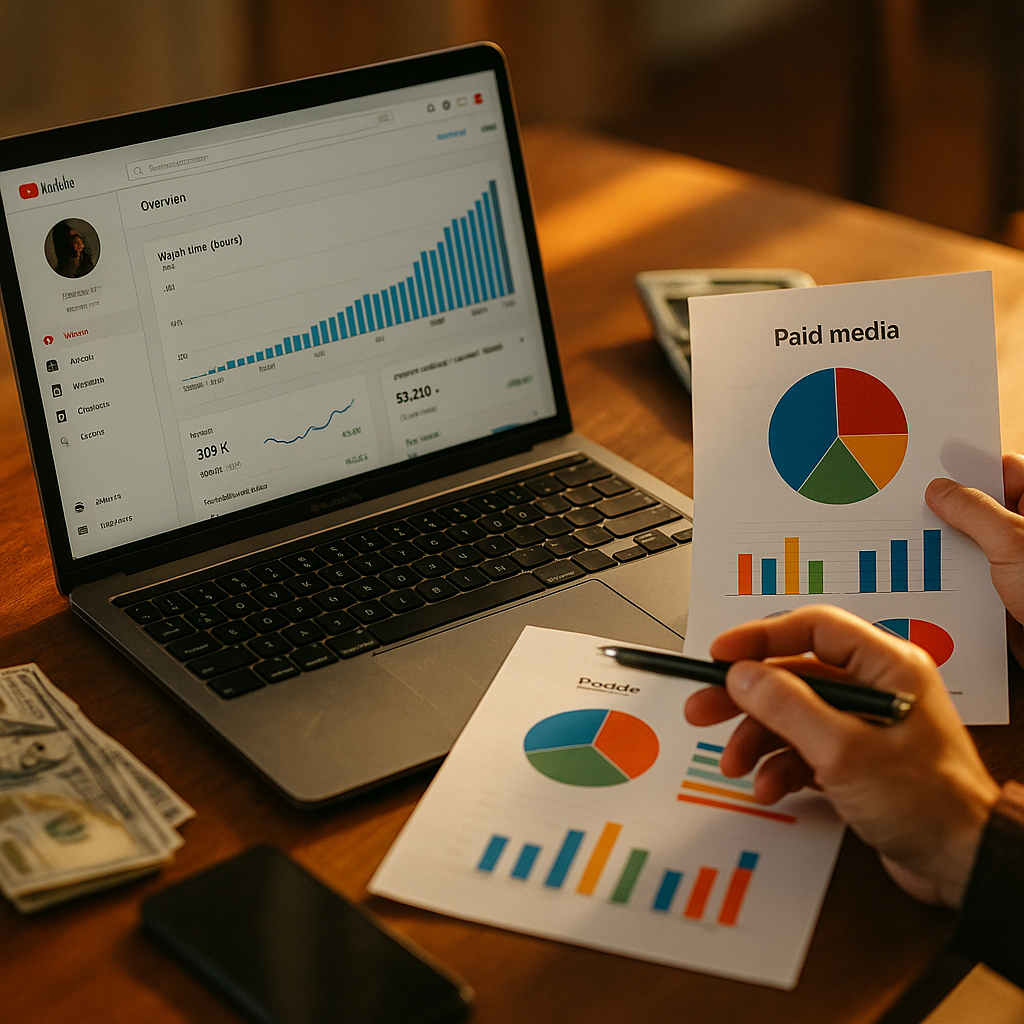
92 percent. That is the share of brands now pushing creator content through paid media budgets rather than letting it live purely in organic feeds, according to recent industry surveys tracking influencer marketing adoption. If your paid social team is still treating creator content as a side experiment, you are already behind. The question is no longer whether to use creator content in paid media. It is how fast you can operationalize it without tripping over compliance, measurement, or production bottlenecks.
The Stat Behind the Shift
A year ago, “whitelisting” and “boosted creator posts” were still niche tactics reserved for brands with dedicated influencer teams. Now they are default line items in the media plan. Multiple industry reports, including data referenced by eMarketer and Statista, point to the same trend: creator-made assets are outperforming traditional brand creative on cost per click and click through rate across Meta, TikTok, and increasingly YouTube Shorts.
Why does this matter to a CMO staring at a Q3 budget review? Because this is not a creative preference shift. It is a performance signal. When ad buyers consistently see 20 to 30 percent lower CPMs on creator-sourced creative versus studio-produced ads, the math makes the decision for you.
Creator content in paid media is no longer a test budget line. It is the control group every brand creative now gets measured against.
Why Paid Media Teams Stopped Resisting Creator Content
Paid media buyers used to be skeptical. Creator content looked raw, inconsistent, sometimes off-brand. Then the data came in. Platforms like Meta and TikTok started rewarding native-feeling creative in their auction algorithms, and polished brand ads began losing the efficiency battle.
Three forces converged to force the shift:
- Algorithmic preference: Both Meta’s ad platform and TikTok’s auction system favor content that mirrors organic viewing patterns, and creator-style videos simply perform that way by default.
- Cost compression: Studio production costs keep climbing while creator-sourced content can be licensed for a fraction of the price, a dynamic we broke down in our look at sub five dollar blended CPMs.
- Format fatigue: Audiences scroll past anything that reads as a traditional ad within half a second. Vertical, creator-shot footage buys you an extra beat of attention, which is why so many brands have had to rebuild their ad briefs around vertical video defaults.
None of this is theoretical anymore. It is baked into the media buying playbook at most mid-size and enterprise brands.
What “Creator Content in Paid Media” Actually Means Now
The phrase covers more ground than people assume. It is not just boosting an existing influencer post. In practice, brands are running several distinct plays simultaneously:
- Whitelisting: running ads directly from the creator’s handle, preserving authenticity signals while the brand controls targeting and spend.
- Spark ads and partnership ads: native formats on TikTok and Meta that let brands amplify creator posts without reposting the content as their own.
- UGC-style brand content: creators are hired specifically to produce raw, testimonial-style footage that the brand then runs as a standard paid ad, no creator handle attached.
- Licensed creator franchises: longer-term content series where the brand secures rights to repurpose creator IP across multiple paid channels, a model we explored in creator franchise strategy.
Each of these has different legal, creative, and measurement implications. Treating them as interchangeable is where a lot of programs get sloppy.
The Risk Side Nobody Talks About
Here is the uncomfortable part. Scaling creator content into paid media multiplies your disclosure and compliance exposure. When a creator post stays organic, it is one post, one disclosure, one risk surface. The moment you put spend behind it, that same asset might run in a dozen ad sets, across multiple markets, for months.
The FTC’s endorsement guidelines still apply, and arguably apply harder, once a creator’s content becomes paid media. Regulators in the UK have been equally clear through ICO guidance on data use in targeted advertising built from creator assets. Brands that skip proper vetting at scale are gambling with exactly this kind of exposure, which is why unvetted mega creator rosters create outsized brand risk.
Every dollar you shift from organic amplification to paid distribution increases your disclosure obligations, not decreases them.
Practical fixes that most mature programs now bake into contracts:
- Usage rights clauses specifying paid media duration, platforms, and geography upfront.
- Disclosure language approved before the asset goes live, not after.
- A legal review checkpoint for any content running longer than 90 days in paid rotation.
Where the Budget Is Actually Moving
It is tempting to think this 92 percent figure means brands simply reallocated existing influencer budgets into ad accounts. That is only half true. Plenty of the growth is coming from media budgets that previously funded stock footage, studio shoots, and agency-produced brand films.
In other words, creator content is not just competing with organic social anymore. It is competing directly with traditional production budgets. That reframes the conversation for CFOs and CMOs alike: this isn’t an “influencer line item,” it’s a creative supply chain decision.
Tools from Sprout Social and similar platforms now report on creator content performance alongside traditional paid metrics, which tells you something about how fused these two budgets have become. Teams that used to run separate reporting decks for “influencer” and “paid social” are consolidating into one dashboard, because the finance side demands it.
This consolidation is also why titles like creator operations specialists are showing up on org charts, a trend covered in our piece on the creator operations strategist role. Someone has to own the handoff between creator sourcing, legal clearance, and media buying, and that someone increasingly needs a dedicated seat, not a shared responsibility bolted onto an existing job.
Is Organic Still Worth Running?
Short answer: yes, but not for the reasons it used to matter. Organic creator posts now function more like a testing ground. Brands post a batch of creator content organically, watch which pieces get engagement, then pour paid spend behind the winners. This “test and amplify” model has quietly become standard operating procedure.
The risk here is misalignment. If your organic team picks winners based on vanity metrics while your paid team optimizes for conversion, you end up amplifying the wrong content. That disconnect is exactly what we flagged in brand creator misalignment capping real ROI. Budget was never the real constraint for most of these programs. Coordination was.
What Brands Should Do Next
If 92 percent adoption tells you anything, it is that this is no longer a pilot program decision. It is an operating model decision. A few concrete moves worth making before your next planning cycle:
- Audit every creator contract signed in the last twelve months for paid media usage rights. Gaps here are the most common source of last-minute campaign delays.
- Merge your organic creator reporting and paid social reporting into a single dashboard, even if the teams stay organizationally separate.
- Build a standing legal review checklist specifically for creator assets entering paid rotation, separate from your general ad approval process.
- Negotiate bundled deals upfront, covering media rights, usage, and creative fees in one agreement rather than renegotiating after a post performs well, a shift we detail in creator deals that bundle media and endorsement pricing.
None of this requires a massive overhaul. It requires treating creator content like the media asset it has become, with the same rigor applied to any other line item in the paid budget.
Frequently Asked Questions
What does it mean when brands “use creator content in paid media”?
It means brands are taking content originally created by influencers or UGC creators and running it as paid advertising, through formats like whitelisting, Spark Ads, or partnership ads, rather than relying solely on organic reach.
Why are brands shifting budget from traditional ads to creator content?
Creator content typically delivers lower cost per click and higher engagement because it blends into organic feeds more naturally, and platform algorithms on Meta and TikTok tend to reward that native feel with better delivery efficiency.
What are the compliance risks of running creator content as paid ads?
Disclosure requirements under FTC guidelines apply to paid amplification just as they do to organic posts, and usage rights need to be explicitly negotiated to cover the platforms, duration, and geography where the paid campaign will run.
How is this different from traditional influencer marketing?
Traditional influencer marketing largely relied on organic reach from the creator’s own following. Creator content in paid media uses that same content but distributes it through paid ad accounts, often to audiences well beyond the original creator’s followers.
Do brands still need organic creator content if they’re investing in paid?
Yes. Organic posts now often serve as a testing ground to identify which creator content resonates before brands commit paid spend to amplify the top performers.
Next step: pull your last ten creator contracts and check for paid media usage clauses before your next campaign launch, because that gap, not budget, is what will slow you down first.
FAQs
What does it mean when brands “use creator content in paid media”?
It means brands are taking content originally created by influencers or UGC creators and running it as paid advertising, through formats like whitelisting, Spark Ads, or partnership ads, rather than relying solely on organic reach.
Why are brands shifting budget from traditional ads to creator content?
Creator content typically delivers lower cost per click and higher engagement because it blends into organic feeds more naturally, and platform algorithms on Meta and TikTok tend to reward that native feel with better delivery efficiency.
What are the compliance risks of running creator content as paid ads?
Disclosure requirements under FTC guidelines apply to paid amplification just as they do to organic posts, and usage rights need to be explicitly negotiated to cover the platforms, duration, and geography where the paid campaign will run.
How is this different from traditional influencer marketing?
Traditional influencer marketing largely relied on organic reach from the creator’s own following. Creator content in paid media uses that same content but distributes it through paid ad accounts, often to audiences well beyond the original creator’s followers.
Do brands still need organic creator content if they’re investing in paid?
Yes. Organic posts now often serve as a testing ground to identify which creator content resonates before brands commit paid spend to amplify the top performers.
Top Influencer Marketing Agencies
The leading agencies shaping influencer marketing in 2026
Agencies ranked by campaign performance, client diversity, platform expertise, proven ROI, industry recognition, and client satisfaction. Assessed through verified case studies, reviews, and industry consultations.
Moburst

-
2

The Shelf
Boutique Beauty & Lifestyle Influencer AgencyA data-driven boutique agency specializing exclusively in beauty, wellness, and lifestyle influencer campaigns on Instagram and TikTok. Best for brands already focused on the beauty/personal care space that need curated, aesthetic-driven content.Clients: Pepsi, The Honest Company, Hims, Elf Cosmetics, Pure LeafVisit The Shelf → -
3

Audiencly
Niche Gaming & Esports Influencer AgencyA specialized agency focused exclusively on gaming and esports creators on YouTube, Twitch, and TikTok. Ideal if your campaign is 100% gaming-focused — from game launches to hardware and esports events.Clients: Epic Games, NordVPN, Ubisoft, Wargaming, Tencent GamesVisit Audiencly → -
4

Viral Nation
Global Influencer Marketing & Talent AgencyA dual talent management and marketing agency with proprietary brand safety tools and a global creator network spanning nano-influencers to celebrities across all major platforms.Clients: Meta, Activision Blizzard, Energizer, Aston Martin, WalmartVisit Viral Nation → -
5

The Influencer Marketing Factory
TikTok, Instagram & YouTube CampaignsA full-service agency with strong TikTok expertise, offering end-to-end campaign management from influencer discovery through performance reporting with a focus on platform-native content.Clients: Google, Snapchat, Universal Music, Bumble, YelpVisit TIMF → -
6

NeoReach
Enterprise Analytics & Influencer CampaignsAn enterprise-focused agency combining managed campaigns with a powerful self-service data platform for influencer search, audience analytics, and attribution modeling.Clients: Amazon, Airbnb, Netflix, Honda, The New York TimesVisit NeoReach → -
7

Ubiquitous
Creator-First Marketing PlatformA tech-driven platform combining self-service tools with managed campaign options, emphasizing speed and scalability for brands managing multiple influencer relationships.Clients: Lyft, Disney, Target, American Eagle, NetflixVisit Ubiquitous → -
8

Obviously
Scalable Enterprise Influencer CampaignsA tech-enabled agency built for high-volume campaigns, coordinating hundreds of creators simultaneously with end-to-end logistics, content rights management, and product seeding.Clients: Google, Ulta Beauty, Converse, AmazonVisit Obviously →