


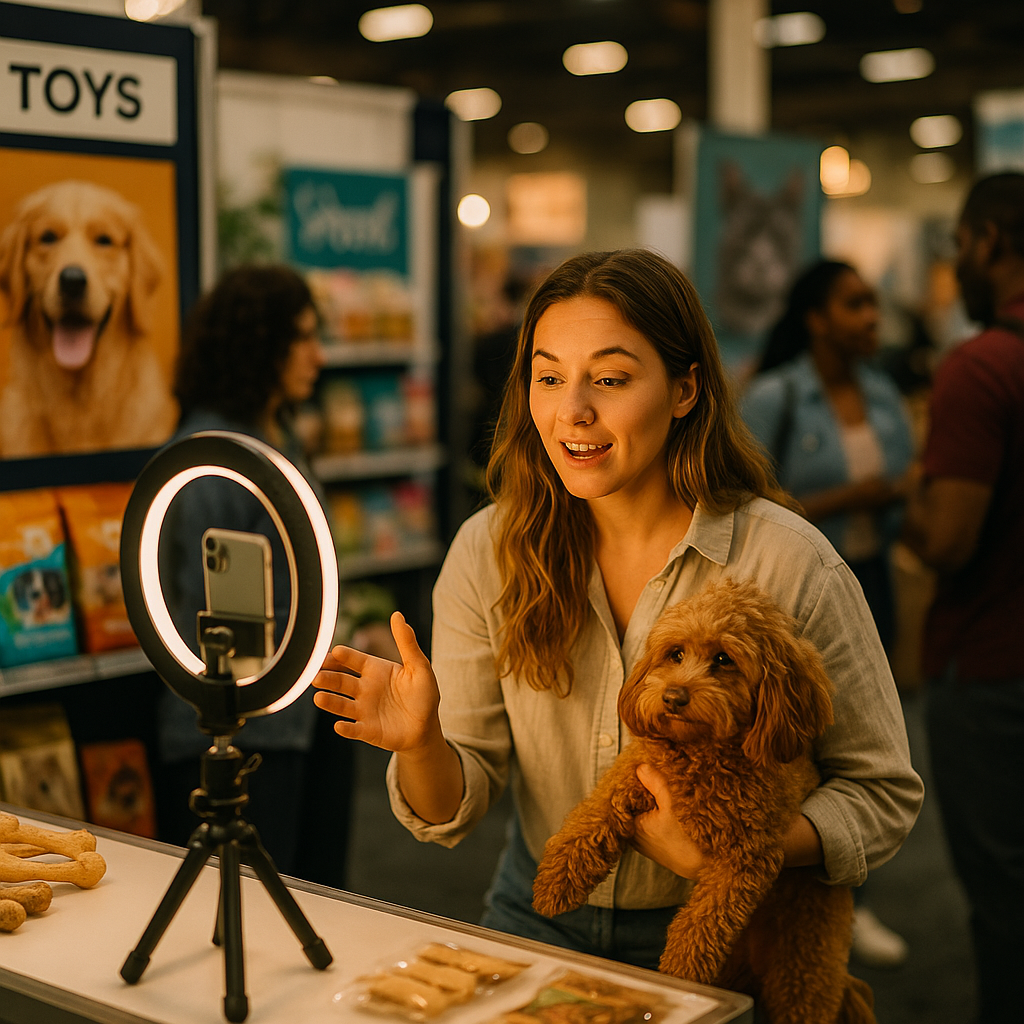
Walk the floor at Global Pet Expo or a regional craft beer trade show and you will see something most general-market brands miss entirely: creators and buyers negotiating content deals between booth demos. Vertical expos have quietly become the most efficient sourcing ground for niche brand UGC, and pet, outdoor, and specialty categories are scaling creator programs faster than almost anyone in mainstream retail. The question isn’t whether this works. It’s why more brands haven’t caught on yet.
Why Niche Categories Are Winning the Creator Game
Generic influencer marketing has a trust problem. Audiences have grown numb to polished lifestyle content that could be selling anything from protein powder to car insurance. Specialty categories don’t have that problem, because their creators are often genuine enthusiasts first and content producers second. A reptile keeper posting tank setups, a cyclist reviewing bike fit, a dog trainer demonstrating a new harness: these creators built audiences around expertise, not aesthetics.
That authenticity translates directly into performance. Niche audiences convert at higher rates because they’re already primed to buy. Someone following a saltwater aquarium creator isn’t a casual scroller, they’re a hobbyist with disposable income and a specific problem to solve. Brands that understand this are reallocating budget away from broad-reach influencers toward smaller, hyper-relevant creators, a shift that echoes what we covered in micro influencer engagement data.
Specialty category creators often convert at two to three times the rate of general lifestyle influencers, simply because their audience arrived already interested in the product category.
The Expo Floor as a Creator Sourcing Channel
Vertical expos were built for B2B deal-making, not influencer recruitment. But that’s exactly what makes them valuable. Events like SuperZoo, Outdoor Retailer, and Natural Products Expo West attract creators who already have skin in the game. They’re not there for swag, they’re there because the category is their livelihood or their obsession.
Brand teams who show up prepared can walk away with a quarter’s worth of creator relationships in two or three days. Compare that to the weeks of cold outreach and platform scraping that typical influencer sourcing requires. The expo model compresses discovery, vetting, and relationship-building into a single trip.
- Pet category: SuperZoo, Global Pet Expo, and regional groomer and trainer conventions surface creators with built-in retail credibility.
- Outdoor and fitness: Outdoor Retailer and Interbike connect brands with gear reviewers who already have technical audiences.
- Food and beverage: Natural Products Expo and Fancy Food Show attract creators focused on ingredient transparency and sourcing stories.
- Home and garden: Independent garden center trade shows produce creators with loyal, hyper-local followings.
This isn’t a replacement for digital sourcing tools. It’s a complement that solves the vetting problem brands keep running into, something we detailed in creator vetting challenges. Meeting a creator face to face, seeing their booth interactions, and watching how they talk about products in real time tells you more in ten minutes than a media kit ever could.
Scaling Without Losing the Authenticity
Here’s the tension every specialty brand eventually hits: the thing that made your creator program work (small, genuine, niche) doesn’t scale the same way broad influencer campaigns do. You can’t just multiply a hobbyist creator’s output by ten and expect the same trust signal.
The brands handling this well are building tiered programs instead of flat rosters. A small group of category experts anchors the credibility layer, while a wider pool of nano and micro creators handles volume content for product launches, seasonal pushes, and retail tie-ins. This mirrors the tiering logic covered in creator tier budget ratios, where the ratio of anchor talent to volume creators determines both cost efficiency and content consistency.
Pet brands in particular have gotten sophisticated about this. A premium dog food company might run three or four veterinarian or trainer partnerships as credibility anchors, then layer in dozens of pet owner creators for everyday UGC. The math works because the volume creators cost far less per post, and GMV tracking increasingly matters more than reach when evaluating which layer actually drives sales, a shift documented in how brands rebuild creator scorecards.
What This Looks Like in Practice
A specialty pet brand we’ve tracked built its entire content calendar around expo-sourced relationships. They attended two regional trade shows, signed five anchor creators (a vet tech, a professional groomer, and three high-engagement pet account owners), then used those relationships to recruit a secondary layer of twenty nano creators through referral. Total cost for the program came in under what a single macro-influencer campaign would have charged, and the content library grew to over 400 pieces of usable UGC in two quarters.
That’s the scaling model worth copying: expo for anchor talent, referral and platform tools for volume.
Compliance Doesn’t Get Easier Just Because the Niche Is Small
Here’s where a lot of specialty brands trip up. Because their creator programs feel informal (hobbyists, enthusiasts, people who’d post about the product anyway) teams assume disclosure and contract rigor matter less. They don’t. The FTC treats a 5,000-follower aquarium creator the same as a celebrity endorser when it comes to disclosure requirements.
Specialty categories also carry unique regulatory wrinkles. Pet food and supplement claims fall under scrutiny from both the FTC and industry bodies. Outdoor gear reviews touch safety claims that can create liability if a creator overstates performance. Food and beverage creators need to be careful about health claims that cross into medical territory.
This is exactly the gap flagged in creator commerce compliance gaps: deal volume is outpacing the legal and compliance infrastructure brands have in place to manage it. Scaling an expo-sourced program means scaling your contract templates, disclosure training, and content review process right alongside it.
A creator program that feels too small to need formal compliance processes is usually the one most exposed when something goes wrong.
Moderation and Content Volume: The Hidden Cost
Nobody budgets for this part. Once a specialty brand’s creator program scales past 20 or 30 active partners, the content moderation burden grows fast. Someone has to review every post for brand safety, claim accuracy, and disclosure compliance before or after it goes live.
Industry data shows moderation costs can eat up to 15 percent of total program budget once volume scales, according to findings covered in UGC moderation cost research. Pet and specialty brands feel this acutely because their content often involves products used around animals, children, or outdoor conditions, raising the stakes on what happens if something is misrepresented.
Smart teams are building moderation into the program design from day one rather than bolting it on later. That means standardized briefs, pre-approved claim language, and a review cadence that matches posting frequency, not a quarterly audit that lets three months of content slip through unchecked.
Measuring What Actually Matters
Reach metrics mean almost nothing in specialty categories. A creator with 8,000 followers in a tight-knit hobbyist community can outsell one with 200,000 generalist followers, because the smaller audience is pre-qualified. Brands need to track:
- Conversion rate per creator, not just engagement rate
- GMV attributed through trackable links or promo codes
- Repeat purchase rate among customers acquired through creator content
- Content reuse value, meaning how often UGC gets repurposed into paid ads or retail listings
This tracks with broader industry movement toward attribution over vanity metrics, something conference agendas have started demanding explicitly, per attribution proof requirements at industry events. If your measurement dashboard still leads with follower count or reach, you’re measuring the wrong thing for this category.
Tools from platforms like Sprout Social and reporting frameworks from HubSpot can help tie creator content to pipeline, but the underlying discipline has to come from the brand side: set the KPIs before the program launches, not after the first expo trip.
What’s Next for Vertical Expo Sourcing
Expect more specialty trade shows to formalize creator tracks over the next cycle. Event organizers have noticed brands showing up specifically to recruit, and some are already adding influencer lounges or structured meetup sessions. That’s good news for brands, because it reduces the cold-approach friction that currently makes expo sourcing effective but labor-intensive.
The categories best positioned to benefit are the ones with built-in community infrastructure: pet, outdoor, fitness, and specialty food. These verticals already have enthusiast conventions, forums, and trade shows. Brands in less-established niches may need to get creative, building their own small-scale meetups or partnering with adjacent category events until the infrastructure catches up.
Next step: If your category has a dedicated trade show, build a creator-sourcing trip into next year’s events budget, treat it as a pipeline investment, and pair every signed creator with a compliance checklist before the first post goes live.
FAQs
What makes vertical expos a good source for niche brand UGC?
Vertical expos attract creators who are already category enthusiasts or professionals, which means less vetting work and higher content authenticity compared to cold outreach or platform-based sourcing.
How do pet and specialty brands structure tiered creator programs?
Most use a small anchor layer of credible experts (vets, trainers, long-time hobbyists) paired with a larger volume layer of nano and micro creators who produce everyday UGC at lower cost.
Does FTC disclosure still apply to small niche creators?
Yes. Disclosure requirements apply regardless of follower count, and specialty categories like pet food, supplements, and outdoor gear carry additional scrutiny around product claims.
What metrics should specialty brands track instead of reach?
Conversion rate per creator, GMV attribution, repeat purchase rate, and content reuse value matter far more than follower count or impressions in niche categories.
How much should brands budget for content moderation in a scaled creator program?
Moderation can consume up to 15 percent of total program budget once a roster scales past a few dozen active creators, so building review processes in early avoids cost surprises later.
Top Influencer Marketing Agencies
The leading agencies shaping influencer marketing in 2026
Agencies ranked by campaign performance, client diversity, platform expertise, proven ROI, industry recognition, and client satisfaction. Assessed through verified case studies, reviews, and industry consultations.
Moburst

-
2

The Shelf
Boutique Beauty & Lifestyle Influencer AgencyA data-driven boutique agency specializing exclusively in beauty, wellness, and lifestyle influencer campaigns on Instagram and TikTok. Best for brands already focused on the beauty/personal care space that need curated, aesthetic-driven content.Clients: Pepsi, The Honest Company, Hims, Elf Cosmetics, Pure LeafVisit The Shelf → -
3

Audiencly
Niche Gaming & Esports Influencer AgencyA specialized agency focused exclusively on gaming and esports creators on YouTube, Twitch, and TikTok. Ideal if your campaign is 100% gaming-focused — from game launches to hardware and esports events.Clients: Epic Games, NordVPN, Ubisoft, Wargaming, Tencent GamesVisit Audiencly → -
4

Viral Nation
Global Influencer Marketing & Talent AgencyA dual talent management and marketing agency with proprietary brand safety tools and a global creator network spanning nano-influencers to celebrities across all major platforms.Clients: Meta, Activision Blizzard, Energizer, Aston Martin, WalmartVisit Viral Nation → -
5

The Influencer Marketing Factory
TikTok, Instagram & YouTube CampaignsA full-service agency with strong TikTok expertise, offering end-to-end campaign management from influencer discovery through performance reporting with a focus on platform-native content.Clients: Google, Snapchat, Universal Music, Bumble, YelpVisit TIMF → -
6

NeoReach
Enterprise Analytics & Influencer CampaignsAn enterprise-focused agency combining managed campaigns with a powerful self-service data platform for influencer search, audience analytics, and attribution modeling.Clients: Amazon, Airbnb, Netflix, Honda, The New York TimesVisit NeoReach → -
7

Ubiquitous
Creator-First Marketing PlatformA tech-driven platform combining self-service tools with managed campaign options, emphasizing speed and scalability for brands managing multiple influencer relationships.Clients: Lyft, Disney, Target, American Eagle, NetflixVisit Ubiquitous → -
8

Obviously
Scalable Enterprise Influencer CampaignsA tech-enabled agency built for high-volume campaigns, coordinating hundreds of creators simultaneously with end-to-end logistics, content rights management, and product seeding.Clients: Google, Ulta Beauty, Converse, AmazonVisit Obviously →