


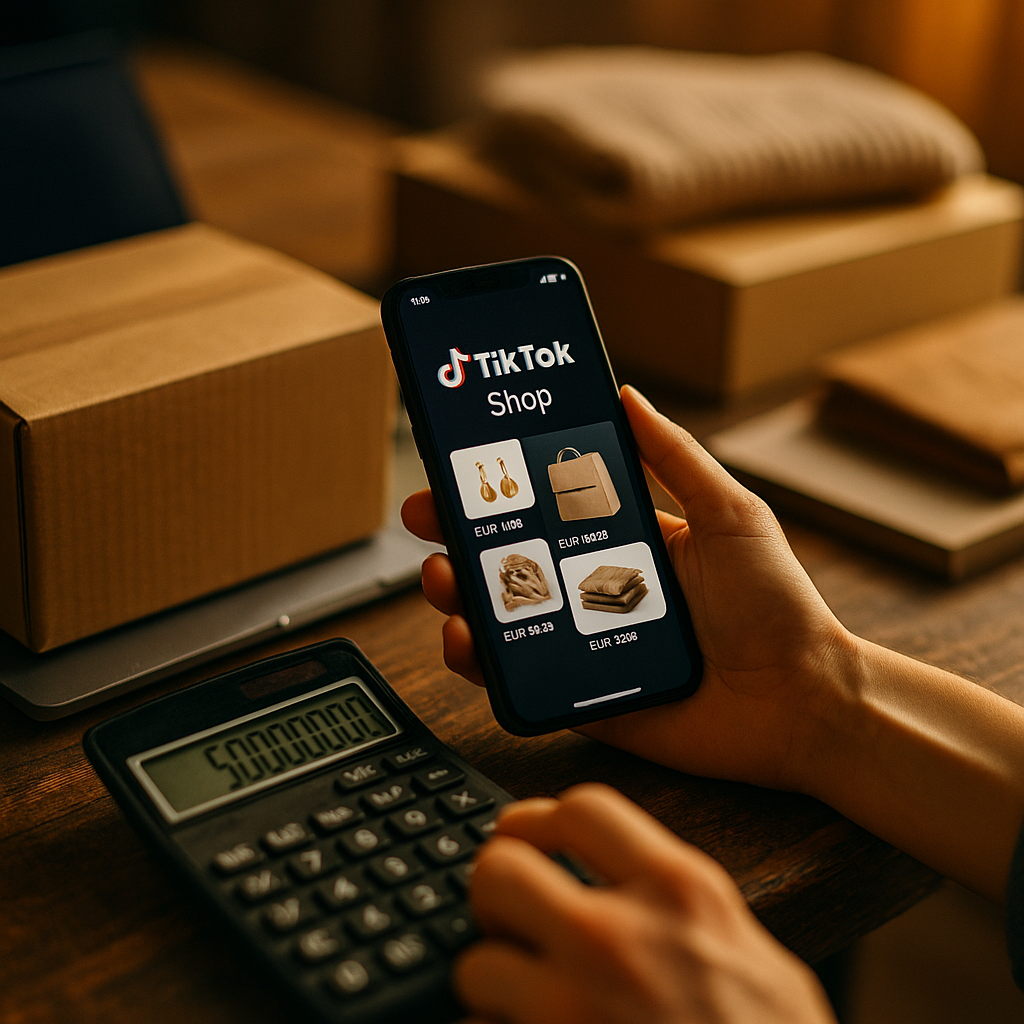
TikTok Shop Europe crossed EUR500 million in quarterly GMV across its five core markets, and most brands still treat it like a side experiment. That’s a mistake. The operational lessons from this quarter are the clearest signal yet that TikTok Shop Europe is no longer a pilot channel, it’s a distribution system with its own rules, and the brands ignoring those rules are leaving margin on the table.
What Actually Happened in the EUR500M Quarter
Germany, France, Spain, Italy, and Ireland drove the bulk of the volume, with beauty, home goods, and apparel leading category share. The UK, reported separately in GBP, continued to outpace the EU bloc on a per-market basis, but the EU markets collectively hit an inflection point that caught a lot of brand teams flat-footed. Why? Because the growth didn’t come from paid media spend. It came from affiliate-driven GMV, meaning creators pushing product through commission structures rather than brands buying placements outright.
That distinction matters more than it sounds. Affiliate-heavy growth means your biggest lever isn’t your ad budget, it’s your creator pipeline and your product catalog readiness. Brands that had clean, compliant, well-tagged product listings before the quarter started captured disproportionate share. Brands that were still treating TikTok Shop as an afterthought to their Amazon or Shopify setup got buried in the algorithm.
The brands winning in TikTok Shop Europe aren’t the ones with the biggest ad budgets. They’re the ones with the cleanest operational pipes: fast creator approval, accurate inventory sync, and compliant product data from day one.
The Compliance Layer Nobody Budgeted For
Europe is not one market. It’s a patchwork of consumer protection regimes, VAT thresholds, and advertising disclosure rules that don’t map cleanly onto TikTok’s US-built Shop infrastructure. Brands that scaled fast in the EUR500M quarter learned this the hard way. Germany’s strict rules on influencer disclosure and France’s anti-greenwashing statutes on beauty and wellness claims both triggered takedowns mid-campaign for brands that hadn’t localized their creator briefs.
This isn’t a theoretical risk. Regulators across the EU have been increasingly active on influencer marketing disclosure, and the UK’s Information Commissioner’s Office has flagged data handling in affiliate commerce flows as an area of scrutiny. If your legal team is still reviewing creator contracts on a market-by-market basis after content goes live, you’re already behind.
- Disclosure language must be localized, not translated. “Anzeige” and “#ad” carry different legal weight than a generic hashtag.
- VAT and customs documentation needs to be baked into the product feed before creators ever see the listing.
- Health, beauty, and finance verticals face the tightest scrutiny and the slowest approval cycles.
Brands running affiliate programs through third-party networks, similar to the structure covered in our Shein affiliate program vetting guide, should be applying the same due diligence to TikTok Shop’s open affiliate marketplace. The platform’s scale makes it easy to onboard creators fast and easy to miss red flags just as fast.
Creator Sourcing Broke the Old Playbook
Manual creator outreach doesn’t scale to EUR500 million in GMV. It just doesn’t. The brands that performed best this quarter leaned hard on TikTok’s native discovery tools rather than running everything through agencies or manual DMs. That meant using AI-driven creator matching to surface affiliates already aligned with their category, rather than starting from a blank spreadsheet.
Pair that with creator search insights to understand what’s already resonating in-market before you write a single brief. Brands that skipped this step and imported briefs written for US or UK creators saw noticeably lower conversion rates in continental Europe. Local nuance isn’t optional here, it’s the difference between a creator video that converts and one that gets scrolled past.
Showcase Tab Placement Drove More Volume Than Expected
One underreported detail from the quarter: a meaningful share of GMV came through the Showcase tab rather than in-feed video or LIVE shopping. Brands optimizing specifically for Showcase tab ranking captured passive, high-intent traffic that wasn’t tied to any single creator’s post performance. That’s a durable channel, unlike a viral video that spikes and dies, Showcase placement compounds as more creators tag your products consistently.
If your team is still measuring success purely by individual video views, you’re missing where a growing share of the GMV is actually coming from.
Fulfillment and Returns: Where Margins Died Quietly
Here’s the part nobody talks about at conferences. TikTok Shop Europe’s fulfillment and returns infrastructure is still maturing, and cross-border logistics between manufacturing hubs and the five core EU markets created real friction. Brands shipping from UK or non-EU warehouses hit customs delays that pushed delivery windows past consumer expectations, which drove return rates up in categories like apparel and beauty.
Return rates in fashion and beauty on social commerce platforms already run higher than traditional e-commerce, a trend eMarketer has tracked across multiple platforms, and TikTok Shop Europe was no exception this quarter. The operational fix isn’t glamorous: localize your fulfillment centers inside the EU, even if it means added warehousing cost, because the alternative is bleeding margin on returns and refund processing.
A 3 to 5 day shipping delay doesn’t just hurt customer satisfaction scores. It directly increases return rates on impulse-driven social commerce purchases, where buyer intent fades fast once the dopamine hit of the viral video wears off.
Spark Ads and Paid Amplification: The Multiplier Effect
Organic affiliate content did the heavy lifting, but the brands that layered paid amplification on top of their best-performing organic posts saw outsized returns. Running Spark Ads authorization on top-converting creator content allowed brands to extend the life of a winning video well past its organic decay curve, without having to brief and shoot new creative from scratch.
This is the kind of operational efficiency that separates mature TikTok Shop programs from reactive ones. Instead of chasing the next viral moment, you’re systematically identifying what’s already working and pouring budget behind it. According to TikTok’s own advertiser resources, Spark Ads consistently outperform standard in-feed ads on engagement metrics when the underlying organic content already has proof of concept.
What Brands Should Change Before Scaling Further
If you’re planning to increase TikTok Shop Europe investment next quarter, fix these operational gaps first:
- Localize compliance review per market instead of treating the EU as one regulatory zone.
- Build EU-based fulfillment capacity before scaling ad spend, not after return rates spike.
- Shift creator sourcing to platform-native discovery tools rather than manual agency outreach for volume plays.
- Treat Showcase tab optimization as a standing workstream, not an afterthought to video content.
- Pair organic affiliate wins with Spark Ads amplification to extend content lifecycle without new production spend.
None of this is revolutionary. It’s basic operational discipline applied to a channel that grew faster than most teams’ internal processes could keep up with. Benchmarking tools from Statista and ongoing platform guidance remain useful for tracking category-level performance as the market matures.
FAQs
What is TikTok Shop Europe and how does it differ from TikTok Shop in the US?
TikTok Shop Europe is the platform’s in-app social commerce offering across EU markets plus the UK, letting brands sell directly through creator content, LIVE streams, and the Showcase tab. It differs from the US version in regulatory requirements, with stricter disclosure and consumer protection rules varying by country.
Which product categories perform best on TikTok Shop in European markets?
Beauty, home goods, and apparel have consistently led GMV share across the core EU markets, with beauty facing the tightest compliance scrutiny due to claims regulations in markets like France and Germany.
How should brands handle compliance across different EU countries on TikTok Shop?
Brands should localize disclosure language and legal review per market rather than applying a single EU-wide policy, since rules on influencer disclosure, VAT documentation, and advertising claims vary by country.
Does paid advertising matter if TikTok Shop growth is affiliate driven?
Yes. Layering paid amplification like Spark Ads on top of proven organic affiliate content extends the lifecycle of winning videos and improves ROI without requiring new creative production.
What operational mistake causes the most margin loss on TikTok Shop Europe?
Fulfillment delays from non-EU warehousing are the most common margin killer, since shipping delays increase return rates on impulse-driven social commerce purchases in categories like apparel and beauty.
Next step: audit your fulfillment timelines and compliance review process before adding another euro of ad spend to TikTok Shop Europe. The brands that scaled profitably this quarter fixed their operations first and let the algorithm do the rest.
FAQs
What is TikTok Shop Europe and how does it differ from TikTok Shop in the US?
TikTok Shop Europe is the platform’s in-app social commerce offering across EU markets plus the UK, letting brands sell directly through creator content, LIVE streams, and the Showcase tab. It differs from the US version in regulatory requirements, with stricter disclosure and consumer protection rules varying by country.
Which product categories perform best on TikTok Shop in European markets?
Beauty, home goods, and apparel have consistently led GMV share across the core EU markets, with beauty facing the tightest compliance scrutiny due to claims regulations in markets like France and Germany.
How should brands handle compliance across different EU countries on TikTok Shop?
Brands should localize disclosure language and legal review per market rather than applying a single EU-wide policy, since rules on influencer disclosure, VAT documentation, and advertising claims vary by country.
Does paid advertising matter if TikTok Shop growth is affiliate driven?
Yes. Layering paid amplification like Spark Ads on top of proven organic affiliate content extends the lifecycle of winning videos and improves ROI without requiring new creative production.
What operational mistake causes the most margin loss on TikTok Shop Europe?
Fulfillment delays from non-EU warehousing are the most common margin killer, since shipping delays increase return rates on impulse-driven social commerce purchases in categories like apparel and beauty.
Top Influencer Marketing Agencies
The leading agencies shaping influencer marketing in 2026
Agencies ranked by campaign performance, client diversity, platform expertise, proven ROI, industry recognition, and client satisfaction. Assessed through verified case studies, reviews, and industry consultations.
Moburst

-
2

The Shelf
Boutique Beauty & Lifestyle Influencer AgencyA data-driven boutique agency specializing exclusively in beauty, wellness, and lifestyle influencer campaigns on Instagram and TikTok. Best for brands already focused on the beauty/personal care space that need curated, aesthetic-driven content.Clients: Pepsi, The Honest Company, Hims, Elf Cosmetics, Pure LeafVisit The Shelf → -
3

Audiencly
Niche Gaming & Esports Influencer AgencyA specialized agency focused exclusively on gaming and esports creators on YouTube, Twitch, and TikTok. Ideal if your campaign is 100% gaming-focused — from game launches to hardware and esports events.Clients: Epic Games, NordVPN, Ubisoft, Wargaming, Tencent GamesVisit Audiencly → -
4

Viral Nation
Global Influencer Marketing & Talent AgencyA dual talent management and marketing agency with proprietary brand safety tools and a global creator network spanning nano-influencers to celebrities across all major platforms.Clients: Meta, Activision Blizzard, Energizer, Aston Martin, WalmartVisit Viral Nation → -
5

The Influencer Marketing Factory
TikTok, Instagram & YouTube CampaignsA full-service agency with strong TikTok expertise, offering end-to-end campaign management from influencer discovery through performance reporting with a focus on platform-native content.Clients: Google, Snapchat, Universal Music, Bumble, YelpVisit TIMF → -
6

NeoReach
Enterprise Analytics & Influencer CampaignsAn enterprise-focused agency combining managed campaigns with a powerful self-service data platform for influencer search, audience analytics, and attribution modeling.Clients: Amazon, Airbnb, Netflix, Honda, The New York TimesVisit NeoReach → -
7

Ubiquitous
Creator-First Marketing PlatformA tech-driven platform combining self-service tools with managed campaign options, emphasizing speed and scalability for brands managing multiple influencer relationships.Clients: Lyft, Disney, Target, American Eagle, NetflixVisit Ubiquitous → -
8

Obviously
Scalable Enterprise Influencer CampaignsA tech-enabled agency built for high-volume campaigns, coordinating hundreds of creators simultaneously with end-to-end logistics, content rights management, and product seeding.Clients: Google, Ulta Beauty, Converse, AmazonVisit Obviously →