


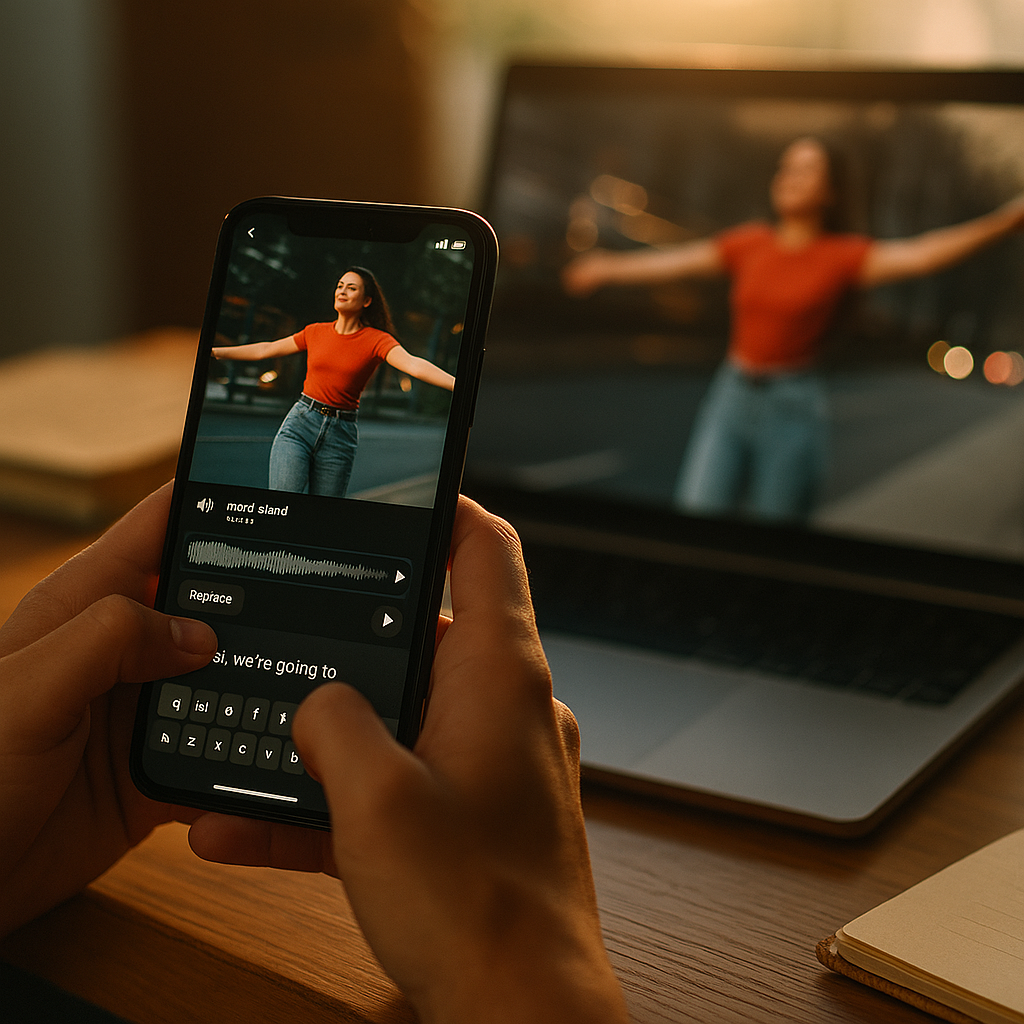
TikTok’s Creative Center logs tens of thousands of trending sounds every week, and the half-life of most is under five days. Brands chasing that window with clumsy voiceovers get skipped. The ones who win treat trend audio remix integrations as a scripting discipline, not a lucky edit. Here’s how to script product placement into viral sounds before the trend dies and before legal flags the post.
Why Audio Trends Move Faster Than Brand Approval Chains
A sound trends, peaks, and fades inside a window most brand approval processes can’t match. By the time a legal review clears copy, the remix format has already shifted three times. That mismatch is the core problem with trend audio remix integrations: the creative window is measured in hours, but brand workflows are measured in days.
The fix isn’t moving faster blindly. It’s pre-scripting flexible templates that slot into whatever sound trends next, so the only thing that needs real-time approval is the specific audio clip and caption, not the entire brand message.
Brands that pre-approve a modular script skeleton, rather than a single fixed script, cut trend-to-post turnaround by more than half, according to creator ops teams managing high-volume TikTok calendars.
What Counts as Scripting Inside a Viral Sound?
Scripting here doesn’t mean writing new lyrics or dialogue over the audio. It means designing the visual beats, caption timing, and verbal cues (if any) so a product appears naturally inside the rhythm of an existing trend. Think of it as choreography, not copywriting.
- Beat mapping: identifying the exact second in the audio where a punchline, drop, or transition lands, and placing the product reveal there.
- Caption layering: using on-screen text to carry the brand message since the audio itself usually can’t be altered without breaking the trend’s recognizability.
- Visual match-cuts: syncing product shots to transitions the sound is known for (a snap, a bass hit, a vocal run) so the placement feels native rather than bolted on.
This is the same logic behind silent-first video editing, where the visual and text layer carries meaning independent of sound. Trend audio remix work flips that: the audio carries the hook, and your scripted visuals carry the brand.
The Script Skeleton: A Repeatable Framework
Instead of writing one script per trend, build a skeleton that any creator or in-house editor can drop a trending sound into within the hour. A workable skeleton looks like this:
- Hook beat (0 to 1.5 seconds): match the audio’s attention grab, no brand mention yet.
- Setup beat (1.5 to 4 seconds): introduce a relatable problem or context, product still off-screen.
- Reveal beat (timed to the audio’s peak or drop): product enters frame exactly on the sound’s signature moment.
- Payoff beat: quick demonstration or reaction, usually under two seconds.
- CTA caption: text overlay only, never spoken over the trend audio.
This structure mirrors the handoff logic used in multi-creator relay challenges, where timing and beat placement matter more than dialogue. Audio remix integrations just compress that discipline into a single fifteen-second clip.
Timing Is the Whole Game
Miss the beat by even half a second and the placement reads as an ad interruption rather than part of the joke. Editors should be working off waveform visuals, not just watching the video back. Most brands skip this step and wonder why their “trend participation” videos underperform organic versions by 40 to 60 percent in completion rate.
Disclosure Doesn’t Disappear Because the Sound Is Trending
Here’s the part legal teams keep raising, correctly: a trending sound does not exempt a sponsored post from disclosure requirements. The FTC’s endorsement guidance applies regardless of whether the audio is original, licensed, or borrowed from a meme format. If a creator is paid to feature a product inside a remix, #ad or #sponsored still needs to appear clearly, and it can’t be buried under trend hashtags where nobody reads it.
This is where a lot of campaigns get sloppy. Teams get so focused on nailing the beat drop that disclosure becomes an afterthought, tacked on in a caption nobody will scroll to. The safer move is scripting disclosure into the visual design itself, the same approach outlined in meme format captions built for FTC review. Treat the disclosure placement with the same rigor as the product reveal beat: specific timestamp, specific on-screen position, no exceptions.
A trending sound is a distribution mechanism, not a legal loophole. Disclosure rules follow the paid relationship, not the audio clip.
Picking the Right Sound for the Right Product
Not every viral sound fits every product category. A comedic sound built around exasperation works for pain-point products (cleaning tools, tech fixes, convenience foods). A triumphant, cinematic sound works better for transformation-style products, skincare, fitness, home renovation.
Before scripting anything, run a quick fit check:
- Does the sound’s emotional arc match the product’s value proposition? A sad-to-happy trend fits transformation products naturally.
- Is the trend still rising, or already past its peak on platforms like TikTok’s ad and trend tools? Late entries read as try-hard.
- Has a competitor already used this sound for a similar product? Audiences notice repeat placements fast, and it reads as copycat content rather than trend participation.
Teams running comparison-heavy categories should borrow structure from dupe comparison video scripting, where claims need to survive scrutiny even inside a fast, trend-driven format. The entertainment wrapper doesn’t lower the bar for substantiation.
Operationalizing This at Scale (Without Burning Out Your Team)
One-off trend jacking is fine for a single campaign. Scaling it across a quarter requires an operational system, because sounds change weekly and creators can’t wait on a full brief cycle every time.
A workable system includes:
- A standing creative brief template with the beat-mapped skeleton pre-approved by legal, so only the specific sound and visual execution need sign-off each time.
- A trend-monitoring cadence, daily or every other day, scanning platform trend tools and creator Discords for audio gaining early traction.
- A rapid-response creator pool, ideally nano and micro creators who can turn around content in under 24 hours, similar to the speed advantage described in nano creator briefs for scaled UGC.
- A performance review loop that checks completion rate and save rate within 48 hours, not after the trend has already died, so budget can shift to whichever execution is actually working.
Data from platforms like eMarketer consistently shows that creator-economy spend is shifting toward faster, iterative formats over polished single-asset campaigns. Trend audio remix work is the clearest expression of that shift: it rewards operational speed over production value.
Measurement: What Actually Signals Success Here
Standard engagement metrics undersell trend audio content because the audio itself, not the brand, often drives initial reach. Look instead at:
- Audio-to-profile click-through, how many viewers who found the sound ended up on the brand’s profile or product page.
- Save rate relative to trend average, a strong signal the product placement added value rather than just riding the sound.
- Comment sentiment specifically about the product, not just the joke or trend format. If nobody’s talking about the product in comments, the placement likely didn’t register.
Tools from Sprout Social and similar platforms can isolate these signals from raw view counts, which otherwise flatter even poorly integrated placements.
Where This Goes Next
Expect remix integrations to get more structured as brands build reusable beat-mapped templates rather than scrambling per trend. The creators who master trend-timed product reveals will become retainer talent, not one-off trend chasers, much like the shift already happening in stitch and duet response advertising. Speed plus a disclosure-safe skeleton beats polish every time in this format.
Next step: build one beat-mapped script skeleton this week, get it legal-cleared once, and test it against three different trending sounds before touching a brand-new script. Speed comes from reusing structure, not rewriting it.
FAQs
What is trend audio remix integration in influencer marketing?
It’s the practice of scripting product placement to sync with the specific beats, drops, or transitions of a trending audio clip, so the brand mention feels native to the trend rather than an inserted ad.
Do I still need FTC disclosure if I’m using a trending sound someone else created?
Yes. Disclosure requirements follow the paid relationship between brand and creator, not the ownership or popularity of the audio. A trending sound never exempts a sponsored post from clear #ad disclosure.
How fast do we need to move to catch a trending sound?
Most viral audio peaks within three to seven days. Brands without a pre-approved script skeleton usually miss the window entirely, since standard approval cycles take longer than the trend’s active life.
Which products work best for this format?
Products with a clear pain point or visible transformation tend to match trending audio arcs best, since most viral sounds carry an emotional shift (frustration to relief, before to after) that needs a product moment to land on.
Can nano or micro creators handle this format well?
Often better than larger creators, since nano and micro creators can turn content around faster and their placements read as more organic within a trend, which matters for completion and save rates.
Top Influencer Marketing Agencies
The leading agencies shaping influencer marketing in 2026
Agencies ranked by campaign performance, client diversity, platform expertise, proven ROI, industry recognition, and client satisfaction. Assessed through verified case studies, reviews, and industry consultations.
Moburst

-
2

The Shelf
Boutique Beauty & Lifestyle Influencer AgencyA data-driven boutique agency specializing exclusively in beauty, wellness, and lifestyle influencer campaigns on Instagram and TikTok. Best for brands already focused on the beauty/personal care space that need curated, aesthetic-driven content.Clients: Pepsi, The Honest Company, Hims, Elf Cosmetics, Pure LeafVisit The Shelf → -
3

Audiencly
Niche Gaming & Esports Influencer AgencyA specialized agency focused exclusively on gaming and esports creators on YouTube, Twitch, and TikTok. Ideal if your campaign is 100% gaming-focused — from game launches to hardware and esports events.Clients: Epic Games, NordVPN, Ubisoft, Wargaming, Tencent GamesVisit Audiencly → -
4

Viral Nation
Global Influencer Marketing & Talent AgencyA dual talent management and marketing agency with proprietary brand safety tools and a global creator network spanning nano-influencers to celebrities across all major platforms.Clients: Meta, Activision Blizzard, Energizer, Aston Martin, WalmartVisit Viral Nation → -
5

The Influencer Marketing Factory
TikTok, Instagram & YouTube CampaignsA full-service agency with strong TikTok expertise, offering end-to-end campaign management from influencer discovery through performance reporting with a focus on platform-native content.Clients: Google, Snapchat, Universal Music, Bumble, YelpVisit TIMF → -
6

NeoReach
Enterprise Analytics & Influencer CampaignsAn enterprise-focused agency combining managed campaigns with a powerful self-service data platform for influencer search, audience analytics, and attribution modeling.Clients: Amazon, Airbnb, Netflix, Honda, The New York TimesVisit NeoReach → -
7

Ubiquitous
Creator-First Marketing PlatformA tech-driven platform combining self-service tools with managed campaign options, emphasizing speed and scalability for brands managing multiple influencer relationships.Clients: Lyft, Disney, Target, American Eagle, NetflixVisit Ubiquitous → -
8

Obviously
Scalable Enterprise Influencer CampaignsA tech-enabled agency built for high-volume campaigns, coordinating hundreds of creators simultaneously with end-to-end logistics, content rights management, and product seeding.Clients: Google, Ulta Beauty, Converse, AmazonVisit Obviously →