


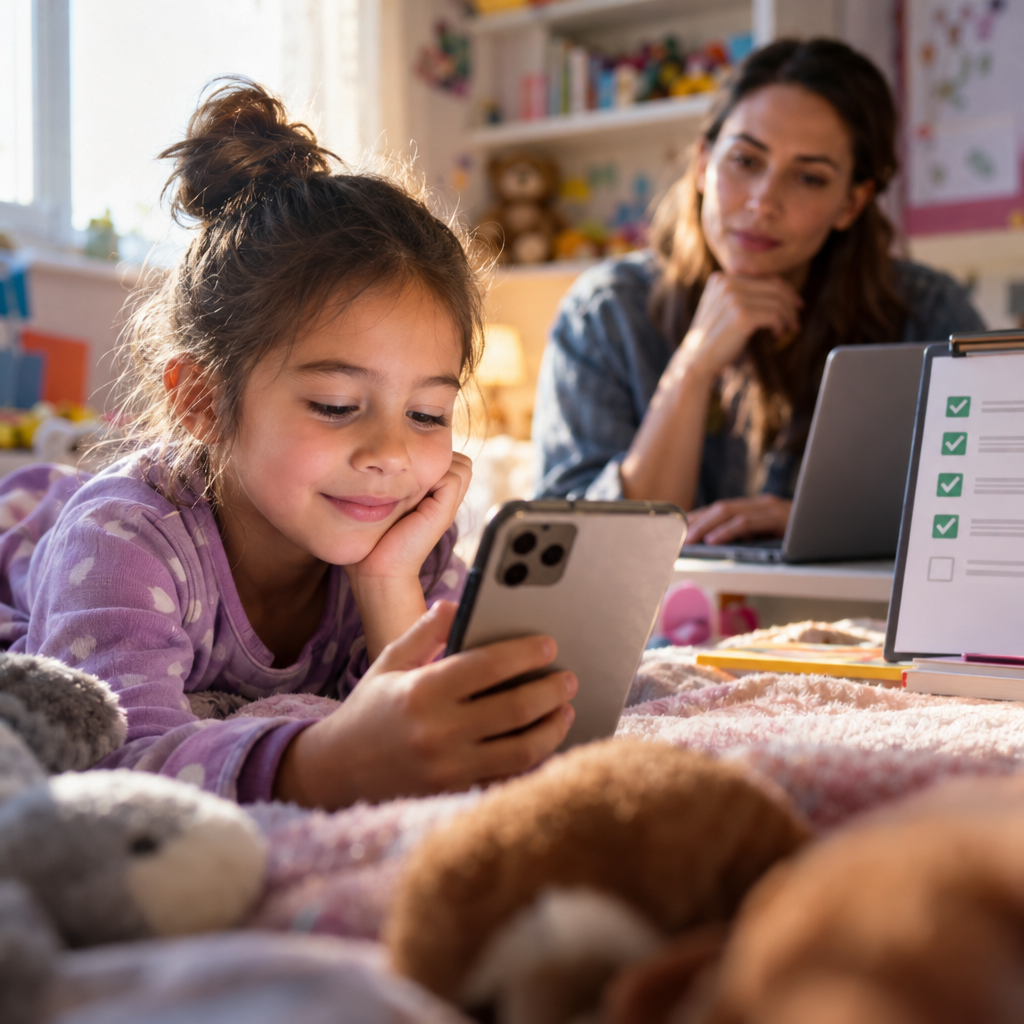
YouTube now labels over 500,000 channels as “Made for Kids,” and Shorts has become the fastest-growing surface for that audience. One mislabeled campaign, one data pixel firing where it shouldn’t, and your brand is looking at FTC penalties that start at roughly $53,000 per violation. COPPA compliance on Made for Kids YouTube Shorts isn’t a legal afterthought anymore. It’s a line item your media plan needs before a single creator brief goes out.
Why Shorts Changed the Math
Long-form YouTube had clear guardrails. Channels got classified, ad targeting adjusted, comments disabled. Brands knew where the lines were. Shorts blew that up.
The format encourages rapid-fire content from creators who may not have originally built “kids” channels but increasingly pull in under-13 viewers through trends, toy unboxings, or family vlogs that cross audience lines mid-series. YouTube’s own classifier flags content algorithmically, and it gets things wrong often enough that brands can’t just trust the default label. A creator’s channel might be marked “not made for kids” overall while individual Shorts, by content and audience behavior, clearly skew child-directed.
That mismatch is where liability lives. The FTC doesn’t care whose label was wrong. It cares whether a company “knew or should have known” it was collecting data from children. Ignorance of a creator’s audience composition is not a defense, it’s a documented gap in due diligence.
The FTC’s enforcement standard hinges on what a brand “knew or should have known,” which means audience due diligence is now a compliance requirement, not a nice-to-have.
What “Made for Kids” Actually Triggers for Advertisers
When content is flagged Made for Kids, YouTube automatically disables personalized ads, comments, notifications, and several engagement features. For brands, that means:
- No behavioral or interest-based targeting, only contextual placement.
- No remarketing pixels, no cross-site tracking, no third-party ad tech that collects persistent identifiers.
- Comments and community engagement features are typically disabled, which limits your ability to run UGC-style amplification.
- Influencer content tagged this way cannot carry affiliate links that route through tracking cookies without explicit child-directed consent mechanisms.
In practice, this flattens a lot of the performance marketing playbook. You can’t retarget a nine-year-old’s viewing history. You can’t build a lookalike audience off engagement with a Made for Kids Short. If your media buy depends on pixel-based attribution, you need a parallel measurement strategy for any creator inventory that touches this audience. For a deeper look at how data collection rules are reshaping creator contracts more broadly, our piece on data transparency rules covers the contract language brands are now baking in by default.
The Brand Compliance Checklist
Here’s the working checklist legal and brand teams should run before greenlighting any Shorts-based creator campaign that could reach child audiences.
- Audit the creator’s audience data, not just their self-reported label. Pull YouTube Studio demographics where available, or request them contractually. A channel with 30% under-13 viewership is a red flag regardless of its official classification.
- Confirm ad tech stack compatibility. Check with your ad server and any influencer marketing platform whether their pixels and SDKs honor the Made for Kids flag automatically, or whether you need to manually suppress tracking on flagged content.
- Build a content review gate specifically for child-directed risk. This is separate from your standard brand safety review. It should flag toy content, school-age challenges, family vlogging, and animated or mascot-driven Shorts for a second look.
- Update influencer contracts with a COPPA representation and warranty clause. The creator should affirm they will disclose if content is or becomes child-directed, and that they’ll flag any classification changes within a set window.
- Disable affiliate and tracking links on confirmed Made for Kids inventory. Swap to flat-fee or contextual-only deals for that content, rather than performance-based structures that depend on cookies.
- Document your review process. If the FTC ever asks, “what did you do to verify this,” you need a timestamped audit trail, not a verbal assurance from a brand manager.
- Train your influencer marketing and media buying teams annually. COPPA enforcement priorities shift, and FTC guidance gets updated more often than most marketing teams check.
Our breakdown on approval audit trails walks through how to structure that documentation layer so it holds up under regulatory scrutiny, not just internal review.
Where Brands Get Burned
Three patterns show up repeatedly in compliance post-mortems.
First, brands assume a creator’s overall channel classification covers every individual Short. It doesn’t. YouTube can and does flag specific pieces of content differently from the parent channel’s default setting, especially as Shorts increasingly get surfaced to younger viewers through the algorithm regardless of the creator’s intended audience.
Second, brands outsource the audience vetting to the creator or their agency and never verify it independently. That’s a gap plenty of regulators have already punished in adjacent cases involving child influencer trust laws, where brands assumed compliance was someone else’s job and found out, expensively, that it wasn’t.
Third, and increasingly common: AI-generated content aimed at kids audiences slips through review because nobody on the brand side is specifically screening for synthetic content that mimics child-directed formats. If your influencer program touches AI avatars, animated explainer content, or synthetic voiceovers aimed at family audiences, read our analysis on AI-generated kids content before you sign off on another campaign.
Outsourcing audience vetting to a creator or agency without independent verification is one of the most expensive assumptions a brand compliance team can make.
Contract Language That Actually Closes the Gap
Generic influencer agreements rarely address COPPA specifics. Here’s what needs to be explicit:
- A representation that the creator will notify the brand within 48 hours of any YouTube classification change affecting the content.
- A clause requiring the creator to disclose current audience demographics data at the time of contract signing, refreshed quarterly for ongoing partnerships.
- Indemnification language specifying which party bears liability if a Short is later reclassified and the brand’s tracking was still active at the time.
- A carve-out permitting the brand to pull ad spend or amplification immediately, without penalty, if a compliance issue surfaces mid-campaign.
This mirrors the shift we’ve seen across other disclosure categories. Our piece on FTC disclosure contract clauses shows how brands are rewriting boilerplate agreements across the board, not just for kids content, because regulators are increasingly treating weak contract language as evidence of negligence rather than a neutral oversight.
If you’re running influencer marketing through a platform or agency, ask them directly how their tech handles Made for Kids suppression. Not all platforms do it automatically, and some still route data through third-party measurement partners that aren’t configured to respect the flag. According to eMarketer, Shorts-style short-form video now accounts for a growing share of total video ad spend, which means the exposure here is only going to grow as budgets shift further into the format. Benchmarking tools from Sprout Social and similar platforms can help flag audience composition shifts before they become compliance incidents, but they’re a supplement to legal review, not a replacement for it.
What About Platforms Beyond YouTube?
COPPA isn’t a YouTube-only concern, and brands running multi-platform creator programs need consistent policy, not a patchwork. TikTok has its own under-13 experience with similarly restricted ad capabilities, and Instagram Reels enforces comparable age-gating logic. If your influencer strategy spans platforms, align your compliance checklist centrally rather than building separate rules per channel. Google’s own support documentation is the most current source for how YouTube specifically enforces these settings, and it’s worth bookmarking for your legal team, since the mechanics get updated more frequently than most brand playbooks.
Frequently Asked Questions
Does COPPA apply to brand content on YouTube Shorts even if the brand isn’t the channel owner?
Yes. If a brand sponsors or pays for placement on content classified as Made for Kids, or content that should have been classified that way, the brand can share liability for improper data collection, regardless of who owns the channel.
Can brands still run influencer campaigns on Made for Kids YouTube Shorts?
Yes, but campaigns need to rely on contextual rather than behavioral targeting, avoid tracking pixels and affiliate cookies, and typically shift to flat-fee compensation structures instead of performance-based deals tied to retargeting.
Who is responsible if a creator’s Short gets reclassified mid-campaign?
Liability depends on the contract, which is exactly why brands need explicit representation and indemnification clauses specifying notification timelines and remediation steps before any campaign launches.
How can a brand verify a creator’s actual audience age breakdown?
Request YouTube Studio analytics data directly or through the creator’s agency, and build quarterly refresh requirements into ongoing contracts since audience composition shifts over time, especially with algorithmically surfaced Shorts.
What penalties does the FTC actually impose for COPPA violations?
Civil penalties have reached tens of thousands of dollars per violation in past enforcement actions, and the FTC counts each affected child’s data collection instance separately, which can scale quickly across a viral Short.
Build the checklist into your campaign intake process now, before your next Shorts-heavy brief lands on your desk, because retrofitting compliance after a classification mistake is far more expensive than preventing one.
Frequently Asked Questions
Does COPPA apply to brand content on YouTube Shorts even if the brand isn’t the channel owner?
Yes. If a brand sponsors or pays for placement on content classified as Made for Kids, or content that should have been classified that way, the brand can share liability for improper data collection, regardless of who owns the channel.
Can brands still run influencer campaigns on Made for Kids YouTube Shorts?
Yes, but campaigns need to rely on contextual rather than behavioral targeting, avoid tracking pixels and affiliate cookies, and typically shift to flat-fee compensation structures instead of performance-based deals tied to retargeting.
Who is responsible if a creator’s Short gets reclassified mid-campaign?
Liability depends on the contract, which is exactly why brands need explicit representation and indemnification clauses specifying notification timelines and remediation steps before any campaign launches.
How can a brand verify a creator’s actual audience age breakdown?
Request YouTube Studio analytics data directly or through the creator’s agency, and build quarterly refresh requirements into ongoing contracts since audience composition shifts over time, especially with algorithmically surfaced Shorts.
What penalties does the FTC actually impose for COPPA violations?
Civil penalties have reached tens of thousands of dollars per violation in past enforcement actions, and the FTC counts each affected child’s data collection instance separately, which can scale quickly across a viral Short.
Top Influencer Marketing Agencies
The leading agencies shaping influencer marketing in 2026
Agencies ranked by campaign performance, client diversity, platform expertise, proven ROI, industry recognition, and client satisfaction. Assessed through verified case studies, reviews, and industry consultations.
Moburst

-
2

The Shelf
Boutique Beauty & Lifestyle Influencer AgencyA data-driven boutique agency specializing exclusively in beauty, wellness, and lifestyle influencer campaigns on Instagram and TikTok. Best for brands already focused on the beauty/personal care space that need curated, aesthetic-driven content.Clients: Pepsi, The Honest Company, Hims, Elf Cosmetics, Pure LeafVisit The Shelf → -
3

Audiencly
Niche Gaming & Esports Influencer AgencyA specialized agency focused exclusively on gaming and esports creators on YouTube, Twitch, and TikTok. Ideal if your campaign is 100% gaming-focused — from game launches to hardware and esports events.Clients: Epic Games, NordVPN, Ubisoft, Wargaming, Tencent GamesVisit Audiencly → -
4

Viral Nation
Global Influencer Marketing & Talent AgencyA dual talent management and marketing agency with proprietary brand safety tools and a global creator network spanning nano-influencers to celebrities across all major platforms.Clients: Meta, Activision Blizzard, Energizer, Aston Martin, WalmartVisit Viral Nation → -
5

The Influencer Marketing Factory
TikTok, Instagram & YouTube CampaignsA full-service agency with strong TikTok expertise, offering end-to-end campaign management from influencer discovery through performance reporting with a focus on platform-native content.Clients: Google, Snapchat, Universal Music, Bumble, YelpVisit TIMF → -
6

NeoReach
Enterprise Analytics & Influencer CampaignsAn enterprise-focused agency combining managed campaigns with a powerful self-service data platform for influencer search, audience analytics, and attribution modeling.Clients: Amazon, Airbnb, Netflix, Honda, The New York TimesVisit NeoReach → -
7

Ubiquitous
Creator-First Marketing PlatformA tech-driven platform combining self-service tools with managed campaign options, emphasizing speed and scalability for brands managing multiple influencer relationships.Clients: Lyft, Disney, Target, American Eagle, NetflixVisit Ubiquitous → -
8

Obviously
Scalable Enterprise Influencer CampaignsA tech-enabled agency built for high-volume campaigns, coordinating hundreds of creators simultaneously with end-to-end logistics, content rights management, and product seeding.Clients: Google, Ulta Beauty, Converse, AmazonVisit Obviously →