


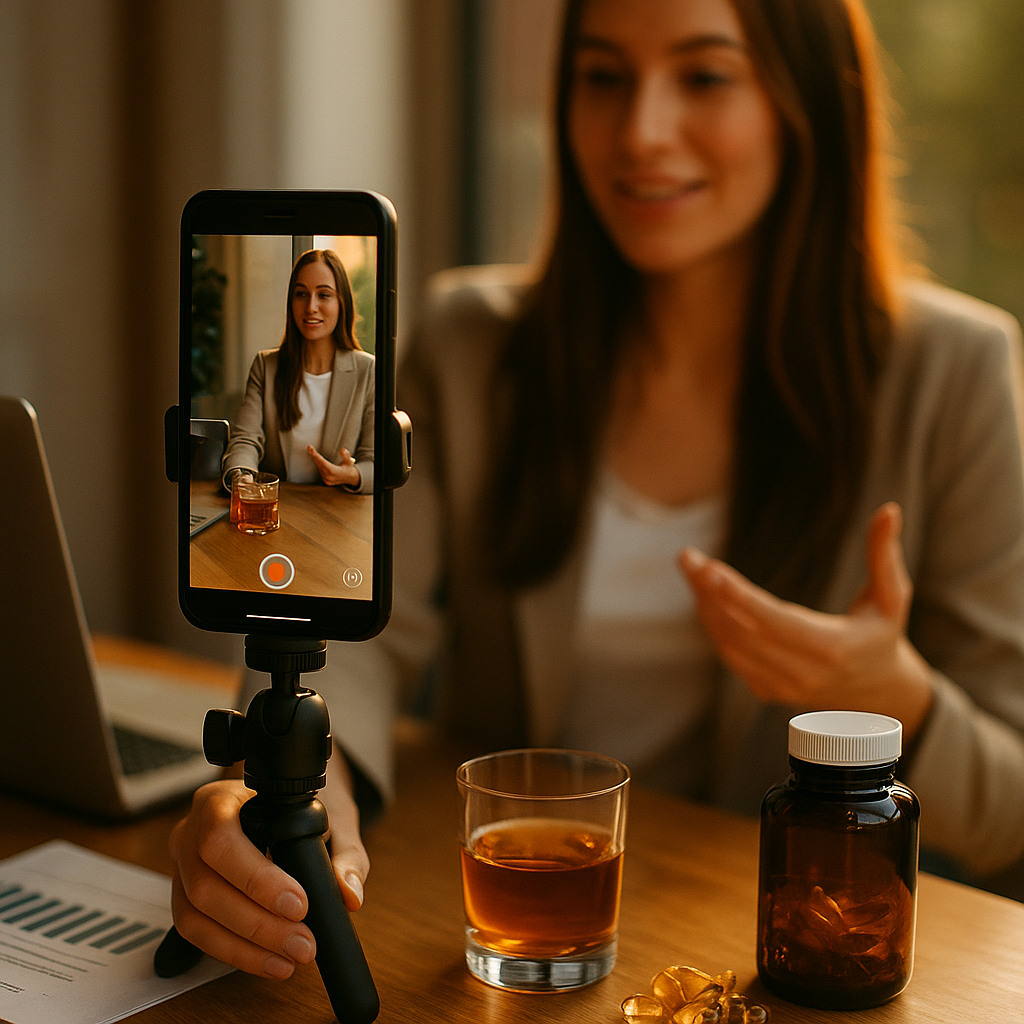
Navigating influencer marketing in regulated industries demands strategic nuance and legal precision. Sectors like finance, alcohol, and wellness face strict advertising rules, making compliance integral to successful campaigns. This guide explores how to thrive in influencer partnerships while adhering to industry-specific regulations, protecting your brand, and standing out from the competition. Discover best practices and new opportunities in 2025’s evolving landscape.
Understanding Regulatory Compliance in Influencer Marketing
Every regulated industry has its own unique set of rules governing advertising, promotions, and public endorsements. When working with influencers, brands in fields like finance, alcohol, and wellness must pay careful attention to:
- Disclosure requirements: Regulatory bodies, such as the FTC, mandate clear disclosure of paid partnerships and material connections.
- Content restrictions: Industries like alcohol and wellness enforce what can be said, shown, and even implied. For example, health claims in wellness must not mislead or overstate product benefits.
- Audience targeting: Ensuring influencer content is age-appropriate (e.g., avoiding alcohol promotions to underage audiences) can prevent hefty penalties.
- Jurisdictional nuances: Different countries, and even states, apply varying standards, affecting message consistency and campaign rollout.
Collaborating closely with legal teams ensures campaigns meet both local and international regulatory expectations and avoid reputational risk.
Building Trusted Partnerships: Choosing Influencers in Regulated Sectors
Selecting the right influencers goes beyond follower count and engagement rate, especially in sensitive sectors. In finance, alcohol, and wellness, brands should evaluate:
- Past partnerships: Scrutinize an influencer’s history for compliance lapses or controversy. Prior adherence to advertising codes is a positive indicator.
- Audience demographics: Authenticity and transparency matter, but so does ensuring the audience meets legal age and interest criteria.
- Communication style: For financial or health-related campaigns, clarity, accuracy, and responsibility are crucial. Influencers must articulate disclaimers and factual information precisely.
- Reputational alignment: An influencer’s values, tone, and reputation should align with regulated industry standards and your brand’s risk tolerance.
Empowering influencers with compliance training and briefings reduces error risk and strengthens the brand-influencer relationship for successful, sustainable collaborations.
Crafting Compliant Content: Guidelines for Finance, Alcohol, and Wellness
Content creation in regulated industries requires an extra layer of scrutiny. Guidelines should be transparent and collaborative. Here’s how to tailor content for each sector:
- Finance: All financial advice must be accurate and include proper disclaimers. Avoid misleading language or guarantees about investment returns. Influencers should refrain from giving individual investment or legal advice.
- Alcohol: Influencer content must not associate alcohol with social, sexual, or athletic success. Disclaimers about legal drinking age and moderate consumption must appear clearly. Avoid imagery that could appeal to minors.
- Wellness: Claims regarding health products, supplements, or therapies must be substantiated by scientific evidence. Influencers should never suggest products cure, prevent, or treat diseases unless approved by authorized bodies.
All branded content should undergo a legal review and sign-off before publication. Some brands are now using compliance tech tools to automate parts of this process, lowering the risk of human error.
Monitoring and Measuring Influencer Campaign Success in Regulated Industries
Regulated sectors face extra scrutiny not just during content creation, but also post-campaign. Here’s how to track campaign effectiveness while maintaining compliance:
- Real-time monitoring: Use social listening and monitoring tools to track influencer posts for compliance and sentiment after they go live.
- Performance KPIs: Measure engagement, reach, and lead quality, balancing campaign goals with regulatory boundaries on claims or promotions.
- Compliance audits: Conduct regular campaign audits to ensure posts remain compliant as rules evolve over time.
- Transparent reporting: Retain thorough records of all influencer collaborations, approvals, and disclaimers for potential regulatory review.
Building robust feedback loops with influencers enables swift correction of any non-compliant posts, and demonstrates to regulators a culture of responsibility and diligence.
Emerging Trends and Technology Shaping Influencer Marketing Compliance
In 2025, technology and market trends are influencing how brands approach influencer campaigns in regulated industries:
- AI-powered compliance monitoring: Automated systems can flag risky language or imagery before posts go live, reducing manual review time.
- Decentralized influencer vetting: Platforms leveraging blockchain and transparent profiles help brands validate influencer credentials and compliance histories.
- Collaborative creative assets: Brands now co-create content templates with influencers to ensure uniform compliance while retaining authenticity.
- Educational partnerships: Many top brands are co-hosting compliance education programs, benefitting both influencers and regulators through knowledge-sharing.
Embracing these trends not only simplifies compliance but also sets brands apart as ethical leaders in their sectors—an increasingly important consideration for tomorrow’s consumers.
Mitigating Risk and Maximizing Opportunity in Influencer Marketing
Influencer marketing in regulated sectors requires an ongoing risk assessment mindset. Consider these risk mitigation steps for finance, alcohol, and wellness campaigns:
- Detailed contracts: Agreements should spell out compliance obligations, approval processes, and penalties for infractions.
- Regular training: Schedule ongoing education for influencers and internal staff to keep pace with changing regulatory environments.
- Open communication: Maintain close dialogue with influencers before, during, and after campaigns to clarify expectations and quickly address issues.
- Industry benchmarking: Track how competitors maintain compliance and innovate within the rules, learning from both successes and setbacks.
This proactive, trust-based approach not only manages risk but opens the door for creative, effective partnerships—even in the most tightly regulated industries.
Conclusion: Future-Proofing Influencer Marketing in Regulated Industries
Navigating influencer marketing in regulated industries balances creativity with compliance. By selecting well-matched partners, setting clear guidelines, leveraging technology, and fostering transparent communication, brands can run innovative campaigns while remaining fully compliant. Invest in educating your team and influencers—the payoff is sustained growth, strong reputation, and industry leadership in 2025 and beyond.
FAQs: Influencer Marketing in Regulated Industries
- What are the biggest challenges for influencer marketing in finance, alcohol, or wellness?
Strict regulations on content, disclosures, and audience targeting make compliance complex, requiring constant legal oversight and specialized influencer training. - How do brands ensure influencer content is compliant?
Brands provide detailed briefs, mandatory disclaimers, and legal reviews for all planned content. Many now use AI-based compliance tools for pre-screening posts. - Are micro-influencers or macro-influencers safer for regulated campaigns?
Micro-influencers often have more engaged, niche audiences and can be easier to monitor closely. However, all influencer types require thorough vetting and compliance protocols. - What should influencers know before working with regulated brands?
Influencers must understand industry restrictions, necessary disclosures, and content parameters. Participating in brand-offered compliance training is highly recommended. - Can influencer marketing ever replace traditional advertising in these sectors?
While influencer marketing offers authenticity and targeted reach, it works best alongside traditional channels, especially where regulations limit what can be promoted via digital personalities.
Top Influencer Marketing Agencies
The leading agencies shaping influencer marketing in 2026
Agencies ranked by campaign performance, client diversity, platform expertise, proven ROI, industry recognition, and client satisfaction. Assessed through verified case studies, reviews, and industry consultations.
Moburst

-
2

The Shelf
Boutique Beauty & Lifestyle Influencer AgencyA data-driven boutique agency specializing exclusively in beauty, wellness, and lifestyle influencer campaigns on Instagram and TikTok. Best for brands already focused on the beauty/personal care space that need curated, aesthetic-driven content.Clients: Pepsi, The Honest Company, Hims, Elf Cosmetics, Pure LeafVisit The Shelf → -
3

Audiencly
Niche Gaming & Esports Influencer AgencyA specialized agency focused exclusively on gaming and esports creators on YouTube, Twitch, and TikTok. Ideal if your campaign is 100% gaming-focused — from game launches to hardware and esports events.Clients: Epic Games, NordVPN, Ubisoft, Wargaming, Tencent GamesVisit Audiencly → -
4

Viral Nation
Global Influencer Marketing & Talent AgencyA dual talent management and marketing agency with proprietary brand safety tools and a global creator network spanning nano-influencers to celebrities across all major platforms.Clients: Meta, Activision Blizzard, Energizer, Aston Martin, WalmartVisit Viral Nation → -
5

The Influencer Marketing Factory
TikTok, Instagram & YouTube CampaignsA full-service agency with strong TikTok expertise, offering end-to-end campaign management from influencer discovery through performance reporting with a focus on platform-native content.Clients: Google, Snapchat, Universal Music, Bumble, YelpVisit TIMF → -
6

NeoReach
Enterprise Analytics & Influencer CampaignsAn enterprise-focused agency combining managed campaigns with a powerful self-service data platform for influencer search, audience analytics, and attribution modeling.Clients: Amazon, Airbnb, Netflix, Honda, The New York TimesVisit NeoReach → -
7

Ubiquitous
Creator-First Marketing PlatformA tech-driven platform combining self-service tools with managed campaign options, emphasizing speed and scalability for brands managing multiple influencer relationships.Clients: Lyft, Disney, Target, American Eagle, NetflixVisit Ubiquitous → -
8

Obviously
Scalable Enterprise Influencer CampaignsA tech-enabled agency built for high-volume campaigns, coordinating hundreds of creators simultaneously with end-to-end logistics, content rights management, and product seeding.Clients: Google, Ulta Beauty, Converse, AmazonVisit Obviously →