


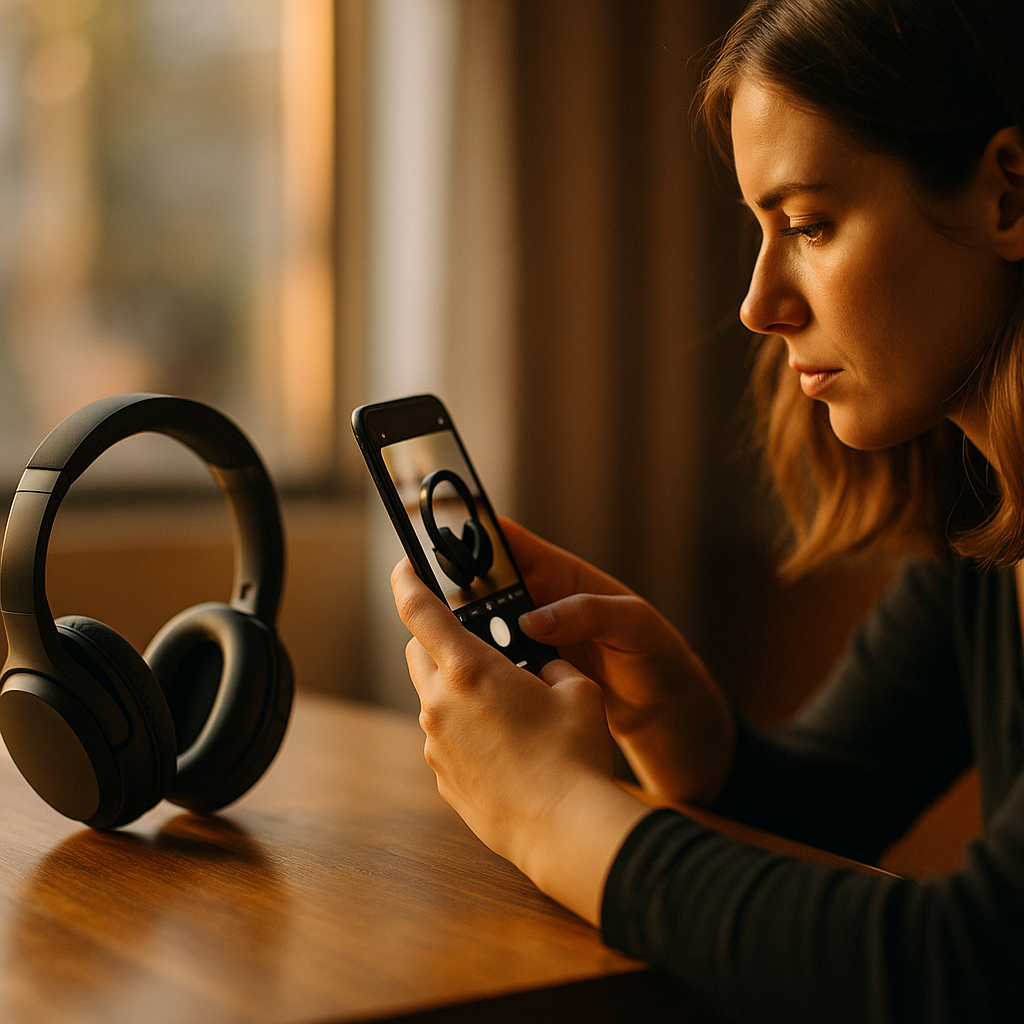
The Product-as-Influencer trend is transforming how brands approach marketing campaigns in 2025. Rather than relying solely on human celebrities or creators, companies are letting their products become the “stars” of digital content. Why is this strategy gaining steam, and what does it mean for marketers eager to stand out?
How the Product-as-Influencer Trend Redefines Brand Storytelling
Today’s consumers are skeptical of paid endorsements and traditional influencers. Enter the Product-as-Influencer movement—where the item, not a spokesperson, becomes the centerpiece of the story. In this method, the product is positioned with a distinct personality, scenario, or journey, inviting customers to engage directly with it through dynamic content.
Brand storytelling now revolves around a product’s own narrative, highlighting its features, functional benefits, and even its quirks. For instance, in the beauty sector, cosmetic brands create Instagram Reels or TikTok posts where a lipstick “takes itself” on a night out, showcasing color longevity and ease of use with creative effects and transitions. This playful approach forges a stronger emotional connection and places the focus squarely on the product.
How Marketers Leverage User-Generated Content for Authenticity
User-generated content (UGC) lies at the heart of the Product-as-Influencer trend. Marketers encourage real consumers to create unboxing experiences, daily-use vlogs, or review videos where the item appears as the protagonist. These candid moments highlight authentic utility and relatability—cornerstones for trust in 2025’s digital marketplace.
Successful examples abound: tech brands collect customer clips of devices “solving daily problems,” while homeware companies inspire users to share entertaining montages of items “helping out” around the house. Brands then reshare this UGC, amplifying authentic stories while reinforcing the star status of their own products. Not only does this generate organic reach, but it also fosters a participatory community where customers feel invested in the brand.
Maximizing Social Commerce with Product-Led Campaigns
The rise of social commerce means every post is a potential point-of-sale. When the product is front and center, the path from discovery to purchase is frictionless. Shoppable videos featuring products as influencers enable viewers to click directly on the featured item, view details, and buy without ever leaving the app environment.
This frictionless experience is especially impactful with Gen Z, who value instant gratification and transparency. Platforms like Instagram, Pinterest, and TikTok are now equipped with AR tools and live streaming; brands showcase their products “trying on” accessories, “visiting” new spaces, or “playing a role” in aspirational lifestyles. The immediacy of these campaigns translates into higher engagement and conversion rates.
The Role of Data and AI in Shaping Product-Led Influencer Strategies
Advanced analytics and AI tools have supercharged the Product-as-Influencer trend. Marketers use real-time data to monitor which product-driven content gets the most comments, shares, and purchases. Machine learning algorithms then suggest creative direction, audience segmentation, and optimal posting times to maximize impact.
Brands can now personalize the product’s “persona” for different markets. For example, a sneaker might appear in energetic, sporty content for fitness-focused audiences and in streetwear-fashion reels for style-conscious consumers. AI-generated content variations, such as swapping colors or settings, help marketers test and refine which narratives perform best without costly reshoots.
Key Benefits and Challenges of the Product-as-Influencer Approach
Embracing products as the stars of campaigns offers distinct advantages:
- Control: Brands can spotlight unique selling points without diluting the message through a third-party personality.
- Longevity: Unlike people, products don’t get involved in controversies or change public sentiment.
- Cost-efficiency: Campaigns rely less on high-cost influencer fees and more on scalable content production, especially via UGC.
- Consistency: The product remains the focal point across diverse platforms and audiences, supporting coherent brand recall.
However, challenges remain. Oversaturation can lead to numbness—especially if every brand uses similar tactics. The key is to infuse creativity, genuine storytelling, and real consumer voices into campaigns. Additionally, it’s important to respect copyright and privacy when curating user content, ensuring transparency and proper attributions.
Best Practices for Marketers Adopting the Product-as-Influencer Trend
To harness this trend effectively in 2025, marketing leaders should focus on:
- Creativity First: Think beyond static shots. Develop a compelling product journey or “personality” that resonates with target audiences.
- Community Engagement: Actively encourage customers to participate. Run UGC contests or challenges, and showcase the best submissions for added social proof.
- Platform Optimization: Tailor campaigns to the strengths of each social platform—leveraging AR, interactive polls, and livestream demos when possible.
- Data-Driven Decisions: Continuously analyze engagement metrics to iterate quickly, focusing budget and creative energy where impact is proven.
- Transparent Collaboration: If incorporating influencer partnerships, ensure their collaboration feels organic, with the product remaining at the forefront of content.
Following these guidelines results in immersive product narratives that convert browsers into loyalists—one scroll at a time.
Conclusion: Why Product-as-Influencer is Here to Stay
The Product-as-Influencer trend empowers brands to build authentic connections and drive real sales by letting products “speak” for themselves. By combining creativity, data, and consumer voices, marketers can design campaigns that blend entertainment with utility—making each product the star customers want and trust.
FAQs on the Product-as-Influencer Trend
-
What is the Product-as-Influencer trend?
The Product-as-Influencer trend involves making a product the focal point and “star” of marketing campaigns rather than relying on traditional human influencers. This approach leverages narrative, creative content, and user participation to spotlight product features and benefits directly.
-
How is this trend different from influencer marketing?
Instead of partnering mainly with people to promote products, brands highlight the product’s own story and persona in creative content. While influencers might still appear, the main focus is on the item’s role, utility, and journey.
-
Which industries are leading with Product-as-Influencer campaigns?
Beauty, tech, home goods, and fashion brands have adopted this trend most aggressively, thanks to their visually engaging products and active customer communities.
-
What role does user-generated content play?
User-generated content adds authenticity and scale to Product-as-Influencer campaigns. Real customers produce relatable, engaging stories, which brands can amplify across channels for greater reach and trust.
-
Are there risks or downsides to this approach?
Potential challenges include creative fatigue if content becomes repetitive and the need to respect copyright and privacy when sourcing user content. Brands must innovate while maintaining transparency and legal compliance.
Top Influencer Marketing Agencies
The leading agencies shaping influencer marketing in 2026
Agencies ranked by campaign performance, client diversity, platform expertise, proven ROI, industry recognition, and client satisfaction. Assessed through verified case studies, reviews, and industry consultations.
Moburst

-
2

The Shelf
Boutique Beauty & Lifestyle Influencer AgencyA data-driven boutique agency specializing exclusively in beauty, wellness, and lifestyle influencer campaigns on Instagram and TikTok. Best for brands already focused on the beauty/personal care space that need curated, aesthetic-driven content.Clients: Pepsi, The Honest Company, Hims, Elf Cosmetics, Pure LeafVisit The Shelf → -
3

Audiencly
Niche Gaming & Esports Influencer AgencyA specialized agency focused exclusively on gaming and esports creators on YouTube, Twitch, and TikTok. Ideal if your campaign is 100% gaming-focused — from game launches to hardware and esports events.Clients: Epic Games, NordVPN, Ubisoft, Wargaming, Tencent GamesVisit Audiencly → -
4

Viral Nation
Global Influencer Marketing & Talent AgencyA dual talent management and marketing agency with proprietary brand safety tools and a global creator network spanning nano-influencers to celebrities across all major platforms.Clients: Meta, Activision Blizzard, Energizer, Aston Martin, WalmartVisit Viral Nation → -
5

The Influencer Marketing Factory
TikTok, Instagram & YouTube CampaignsA full-service agency with strong TikTok expertise, offering end-to-end campaign management from influencer discovery through performance reporting with a focus on platform-native content.Clients: Google, Snapchat, Universal Music, Bumble, YelpVisit TIMF → -
6

NeoReach
Enterprise Analytics & Influencer CampaignsAn enterprise-focused agency combining managed campaigns with a powerful self-service data platform for influencer search, audience analytics, and attribution modeling.Clients: Amazon, Airbnb, Netflix, Honda, The New York TimesVisit NeoReach → -
7

Ubiquitous
Creator-First Marketing PlatformA tech-driven platform combining self-service tools with managed campaign options, emphasizing speed and scalability for brands managing multiple influencer relationships.Clients: Lyft, Disney, Target, American Eagle, NetflixVisit Ubiquitous → -
8

Obviously
Scalable Enterprise Influencer CampaignsA tech-enabled agency built for high-volume campaigns, coordinating hundreds of creators simultaneously with end-to-end logistics, content rights management, and product seeding.Clients: Google, Ulta Beauty, Converse, AmazonVisit Obviously →