


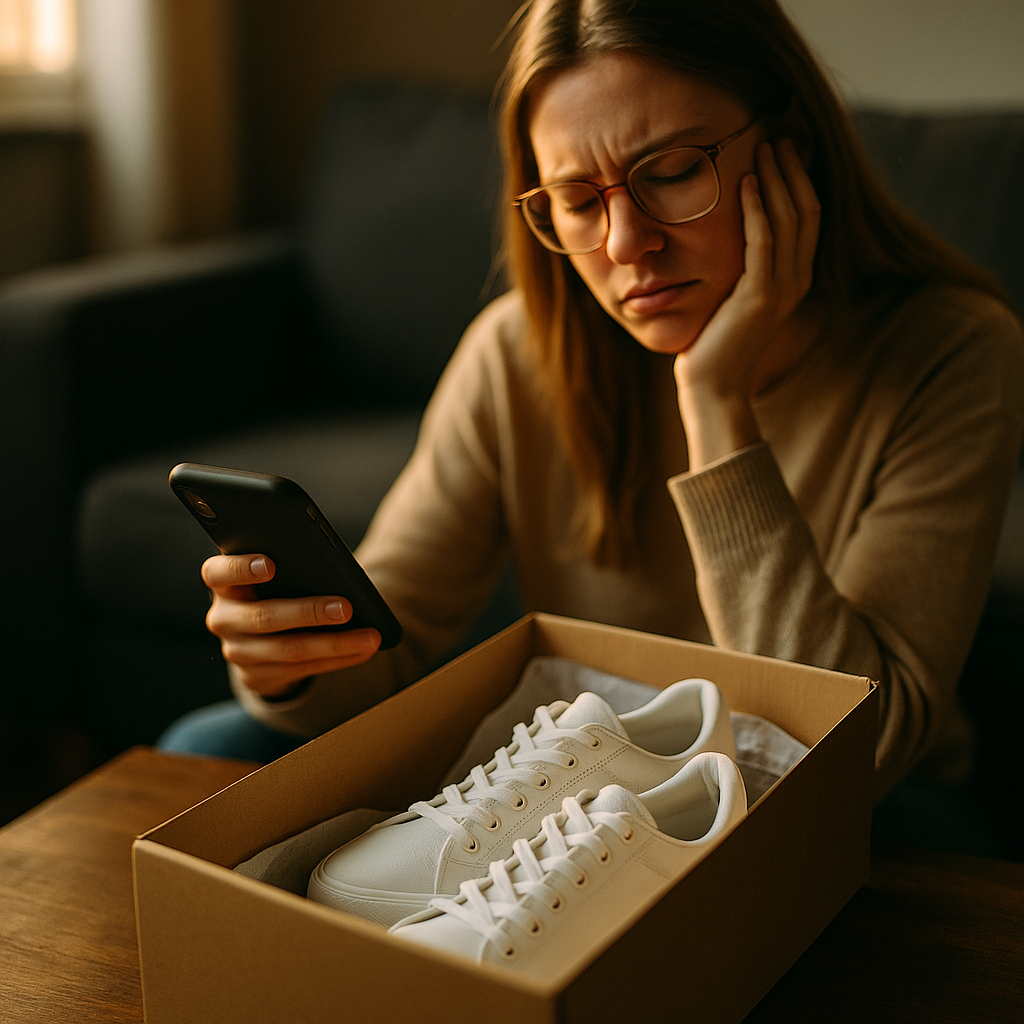
A product seeding campaign can be a game-changer for brands aiming to spark rapid awareness. Yet sometimes, even a successful product seeding campaign generates zero buzz, leaving marketers puzzled and stakeholders frustrated. What causes these silent flops? Let’s explore one such post-mortem to reveal how you can avoid the same fate—and build true brand excitement.
Defining a Successful Product Seeding Campaign
Product seeding, a core strategy in influencer and marketing outreach, involves gifting products to carefully chosen individuals—usually influencers, journalists, or early adopters—with the hope of earning organic visibility. A “successful product seeding campaign” is typically measured by precise execution, timely delivery, and relevant placement. In 2025, brands increasingly invest in seeding to bypass the ad fatigue of paid channels, aiming for authentic endorsements instead.
Yet, success on paper—where products land in the right hands—does not always equate to real-world traction. This paradox is at the heart of marketing’s evolving challenge: generating genuine buzz, not just distribution metrics.
The Gap Between Product Distribution and Buzz Generation
It’s a common misconception that product placement automatically triggers excitement. Why do some product seeding campaigns generate zero buzz despite flawless logistics? The answer often lies in audience resonance.
- Mismatched Targeting: Sending products to recipients with no genuine interest or following in the brand’s category can lead to polite silence.
- Overlooked Narrative: Buzz requires storytelling. Merely distributing products, even to top-tier influencers, falls flat without a compelling angle.
- Lack of Shareable Moments: Seeding kits that lack visual appeal or “Instagrammable” value often go unmentioned on social media.
According to a 2024 Social Commerce Report, 87% of Gen Z consumers share products online only if they feel personally connected or moved by the experience—distribution alone is no longer enough.
Influencer Partnerships: Pitfalls and Learnings
Influencer collaboration lies at the heart of effective product seeding campaigns. However, brands sometimes focus more on follower counts than on relevance and engagement rates. When analyzing our silent campaign, key pitfalls became clear:
- Surface-Level Relationships: Recipients who don’t know or care about the product rarely post or authentically endorse it.
- Scripted Pitches: Influencers value freedom. Pre-written messaging can stifle creativity, resulting in uninspired posts—or no posts at all.
- Oversaturation: If an influencer receives dozens of similar products weekly, yours can easily get lost in the shuffle.
To avoid zero buzz outcomes, build partnerships with influencers who are true brand fans and co-create campaign concepts that feel original and meaningful. Using comprehensive vetting tools and performance-based contracts can help you identify partners who deliver real impact, not just reach.
Content, Timing, and Community Engagement
The details of content and timing often separate campaigns that light up social media from those that fizzle. Consider these cornerstones from our case review:
- Quality Over Quantity: Flooding social feeds with uncoordinated posts leads to noise, not traction.
- Hit Cultural Moments: Align seeding launches with trending topics or seasonal events for amplified relevance.
- Empower Early Adopters: Nurture a community around your product with early-access groups, feedback loops, and user-generated content. Engaged micro-communities can spark widespread buzz better than a single mega-influencer.
In January 2025, a survey by Brandwatch highlighted that 73% of viral seeding campaigns included interactive prompts or challenges, transforming passive recipients into active advocates. Campaigns missing community engagement largely went unnoticed.
Measuring Buzz—Beyond Vanity Metrics
When a successful product seeding campaign generates zero buzz, it’s crucial to evaluate which metrics truly reflect word-of-mouth uplift. Track these EEAT-aligned indicators:
- Volume and Sentiment of Social Shares: Not just number of posts, but genuine, positive mentions.
- Engagement Quality: Comments that show real interest or questions, not just likes or generic emojis.
- Earned Media: Press coverage, community discussions, or forum threads demonstrating organic spread.
- Brand Search Lift: Increases in direct or branded search queries post-campaign indicate real curiosity and potential intent.
Regularly auditing campaign performance using 2025’s advanced analytics tools will help marketers pivot strategies in real time, chase authentic buzz, and avoid repeating ghost campaigns.
Key Takeaways and Next Steps for Authentic Buzz in 2025
The biggest lesson from a product seeding campaign that generated zero buzz? Success requires more than logistics and big budgets. In 2025, the winning formula blends strategic alignment, authentic partnerships, content with shareable value, and community-empowered outreach. Revisit your next campaign plan—not just to seed, but to spark.
FAQs: Understanding Quiet Seeding Campaigns
-
What is a product seeding campaign?
A product seeding campaign is when brands distribute free product samples to selected recipients such as influencers or journalists to generate word-of-mouth awareness and organic promotion.
-
Why would a product seeding campaign generate zero buzz?
Common causes include poor recipient targeting, lack of compelling narratives, uninspired packaging, and weak influencer relationships. Without emotional or cultural resonance, recipients are unlikely to share or endorse the product publicly.
-
How can brands ensure their seeding campaigns resonate?
Brands should focus on authentic influencer partnerships, creative storytelling, visually appealing kits, and aligning launches with cultural moments. Fostering active community engagement increases chances of organic buzz.
-
How should campaign success be measured in 2025?
Beyond shipment metrics, track engagement rates, quality of social shares, earned media mentions, and increases in brand searches. Real-time analytics and sentiment analysis provide a clearer view of campaign impact.
-
What industries benefit most from product seeding?
Beauty, wellness, food & beverage, and tech regularly use product seeding—though any industry looking to build awareness through authentic, peer-driven recommendations can benefit if campaigns are well-strategized.
In summary, a successful product seeding campaign that generates zero buzz is a strategic warning for marketers. Mere distribution is not enough; authentic connections, creative content, and active community involvement are crucial for creating real brand excitement in 2025’s competitive landscape.
Top Influencer Marketing Agencies
The leading agencies shaping influencer marketing in 2026
Agencies ranked by campaign performance, client diversity, platform expertise, proven ROI, industry recognition, and client satisfaction. Assessed through verified case studies, reviews, and industry consultations.
Moburst

-
2

The Shelf
Boutique Beauty & Lifestyle Influencer AgencyA data-driven boutique agency specializing exclusively in beauty, wellness, and lifestyle influencer campaigns on Instagram and TikTok. Best for brands already focused on the beauty/personal care space that need curated, aesthetic-driven content.Clients: Pepsi, The Honest Company, Hims, Elf Cosmetics, Pure LeafVisit The Shelf → -
3

Audiencly
Niche Gaming & Esports Influencer AgencyA specialized agency focused exclusively on gaming and esports creators on YouTube, Twitch, and TikTok. Ideal if your campaign is 100% gaming-focused — from game launches to hardware and esports events.Clients: Epic Games, NordVPN, Ubisoft, Wargaming, Tencent GamesVisit Audiencly → -
4

Viral Nation
Global Influencer Marketing & Talent AgencyA dual talent management and marketing agency with proprietary brand safety tools and a global creator network spanning nano-influencers to celebrities across all major platforms.Clients: Meta, Activision Blizzard, Energizer, Aston Martin, WalmartVisit Viral Nation → -
5

The Influencer Marketing Factory
TikTok, Instagram & YouTube CampaignsA full-service agency with strong TikTok expertise, offering end-to-end campaign management from influencer discovery through performance reporting with a focus on platform-native content.Clients: Google, Snapchat, Universal Music, Bumble, YelpVisit TIMF → -
6

NeoReach
Enterprise Analytics & Influencer CampaignsAn enterprise-focused agency combining managed campaigns with a powerful self-service data platform for influencer search, audience analytics, and attribution modeling.Clients: Amazon, Airbnb, Netflix, Honda, The New York TimesVisit NeoReach → -
7

Ubiquitous
Creator-First Marketing PlatformA tech-driven platform combining self-service tools with managed campaign options, emphasizing speed and scalability for brands managing multiple influencer relationships.Clients: Lyft, Disney, Target, American Eagle, NetflixVisit Ubiquitous → -
8

Obviously
Scalable Enterprise Influencer CampaignsA tech-enabled agency built for high-volume campaigns, coordinating hundreds of creators simultaneously with end-to-end logistics, content rights management, and product seeding.Clients: Google, Ulta Beauty, Converse, AmazonVisit Obviously →