


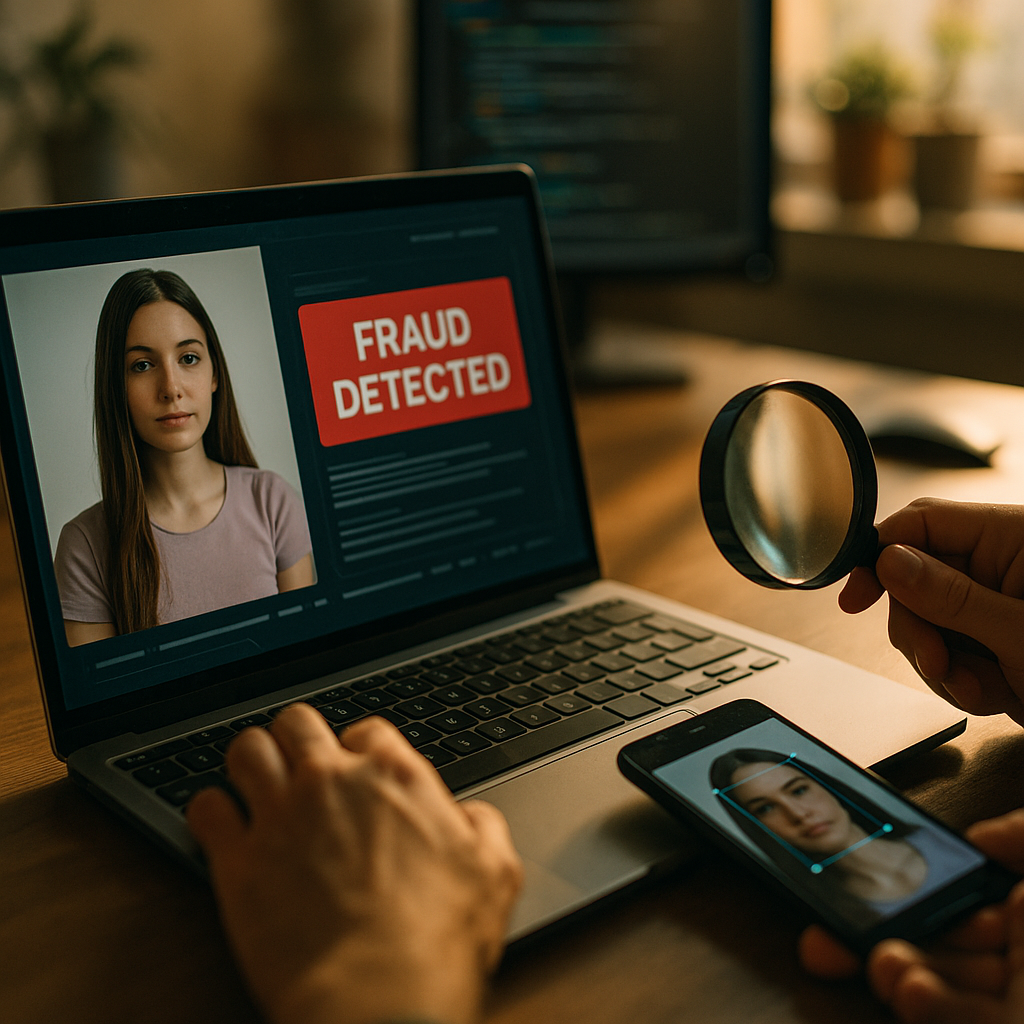
Nearly 37 percent of nano-creator followings show signs of fabrication, according to recent fraud audits circulating among agency trust-and-safety teams. That number should terrify anyone signing off on influencer budgets. If your vetting process still relies on manual profile checks and gut instinct, you’re gambling with spend. AI fraud-detection tools have become the only realistic answer to nano-creator fraud at scale, and 2026’s vendor landscape finally has enough maturity to compare properly.
This isn’t a theoretical risk. Nano-creators (typically 1,000 to 10,000 followers) are the fastest-growing segment of influencer budgets because they’re cheap and feel authentic. That same affordability makes them the easiest tier to fake. Bot farms in Southeast Asia and Eastern Europe can spin up a “authentic” micro-influencer profile in under an hour, complete with a believable posting history and engagement pattern designed to fool basic audit tools.
Why Nano-Creators Are the Fraud Industry’s Favorite Target
Macro-influencers get scrutinized. Agencies run background checks, brands demand analytics dashboards, platforms flag anomalies. Nano-creators slip through because nobody bothers to look closely at a $150 gifting deal. Multiply that by the thousands of nano-partnerships a CPG brand runs quarterly, and the exposure adds up fast.
The economics favor fraudsters too. A fake nano-account costs almost nothing to build and maintain, but it can collect product, cash payments, and affiliate commissions repeatedly across dozens of brands before anyone notices the pattern. eMarketer research has flagged influencer fraud as one of the top three wasted-spend categories in social commerce, right alongside bot-inflated ad impressions.
If your brand runs more than 50 nano-creator partnerships a quarter and you’re not using automated fraud detection, you’re statistically certain to be paying real money to fake people.
What AI Fraud-Detection Tools Actually Check
Not all “AI-powered vetting” is created equal. Some tools barely go beyond follower-to-engagement ratio math that a junior analyst could do in a spreadsheet. The serious platforms combine several signal layers:
- Engagement authenticity scoring: comment sentiment analysis, timing patterns, and duplicate-phrase detection across comment sections
- Network graph analysis: mapping follower overlap between accounts to spot bot farm clusters
- Content-behavior consistency: checking whether posting cadence, caption style, and audience demographics match historical account behavior
- Cross-platform identity verification: confirming the same human runs the account across Instagram, TikTok, and YouTube rather than a bought-and-abandoned profile
- Payment and history tracing: flagging creators who’ve been paid by competing brands under different account names
This last point matters more than most marketers realize. Fraud rings don’t just fake followers, they cycle the same handful of “creators” through dozens of brand deals using slightly altered bios and profile photos. Good detection tools catch the pattern across campaigns, not just within one.
2026 Vendor Comparison: Who Actually Delivers
Here’s where it gets useful. We evaluated the leading fraud-detection platforms brands and agencies are actually deploying this year, weighing detection accuracy, integration friction, and pricing transparency.
HypeAuditor remains the incumbent for a reason. Its fraud scoring has been refined over years of data and it plugs directly into most influencer marketing platforms. The catch: nano-creator accuracy still lags behind its macro-influencer detection, since smaller accounts generate less behavioral data to analyze. Expect roughly 78-82 percent accuracy on sub-10K accounts based on third-party audits, versus 90+ percent on accounts above 100K followers.
Modash has leaned hard into API-first architecture, making it the pick for brands running high-volume nano-creator discovery through custom dashboards. Its fraud detection is solid but treated as a secondary feature rather than the core product, so brands wanting deep forensic detail may find it thin.
CreatorIQ’s Trust Layer (rebranded and expanded this year) now includes cross-campaign identity tracing, which is the feature that actually catches repeat-offender fraud rings. It’s priced for enterprise budgets, though, putting it out of reach for smaller agencies managing nano-tier programs directly.
Fraud-specific challengers like Sprout Social’s newer verification module and independent point solutions such as HoneyGuard and BotSentry are worth watching. They’re narrower in scope but often faster to flag emerging bot farm patterns because they’re not weighed down by legacy influencer-discovery features. If your team already runs on a broader martech stack, comparing dedicated point tools against bundled platform features is worth the exercise, similar to the tradeoffs covered in unified platforms versus point solutions.
No single vendor currently claims above 85 percent fraud-detection accuracy specifically on nano-tier accounts. Treat every score as a strong signal, not a verdict.
Pricing Reality Check
Per-check pricing on nano-creator vetting tools ranges from $0.50 to $4 per profile scan depending on volume and depth. That sounds trivial until you’re vetting 3,000 nano-creators a quarter for a national retail brand. Enterprise contracts typically bundle unlimited scans into flat annual licensing, which makes sense once your program exceeds roughly 500 vetted profiles monthly. Below that threshold, pay-per-scan usually wins on cost.
Where Manual Review Still Beats Automation
AI tools are pattern-matching engines. They’re excellent at flagging statistical anomalies but weaker at judgment calls that require cultural or contextual nuance. A creator with genuinely low engagement because they post niche technical content (say, industrial equipment reviews) can trigger the same red flags as a bot farm account with purchased followers.
This is why the best-performing brand teams pair automated scoring with a human review tier for borderline cases, typically anything scoring between 40-70 on a fraud-risk index. Full automation on the extremes (obvious fraud, obviously clean) frees analyst time for the ambiguous middle where judgment actually adds value.
Integration with identity resolution systems also matters more than vendors advertise. If your fraud-detection tool can’t tie a flagged creator profile back to your CRM or attribution stack, you’ll keep re-vetting the same bad actors campaign after campaign. Brands building out this connective tissue should look at how creator identity resolution and CRM-CDP identity matching can share data with fraud tools rather than operating as isolated checkpoints.
Building a Vetting Workflow That Doesn’t Slow Down Campaigns
Fraud detection only works operationally if it doesn’t kill your launch timelines. The brands getting this right build a three-tier gate:
- Automated pre-screen at the discovery stage, filtering out obvious bot accounts before outreach even begins
- Contract-stage deep scan once a creator is shortlisted, running the full fraud-risk report against payment history and network graphs
- Post-campaign audit comparing delivered engagement against pre-campaign predictions to catch fraud that activates after the deal closes (a growing tactic where accounts stay clean during vetting then buy engagement after payment lands)
That third stage catches something most brands miss entirely: creators who behave legitimately during scrutiny and juice their numbers afterward, once the check has cleared. It’s a small but growing tactic among sophisticated fraud operators, and it’s exactly why one-time vetting isn’t enough.
Regulatory pressure is rising too. The FTC’s disclosure and endorsement guidelines increasingly hold brands accountable for creator authenticity claims, not just disclosure compliance. Fraud vetting isn’t just a budget-protection exercise anymore, it’s a compliance requirement with real enforcement teeth. Brands running international campaigns should also check regional guidance, including the UK’s ICO data and advertising standards, since cross-border creator vetting raises separate consent and data-handling questions.
Brand safety scanning tools follow a similar logic to fraud detection, flagging risk before it becomes a PR problem rather than after. Teams building broader risk infrastructure should look at how brand-safety scanning platforms complement fraud-specific tools rather than duplicating them.
The Bottom Line for Budget Owners
Fake nano-followers aren’t a rounding error anymore. At a 37 percent fraud rate, over a third of your nano-influencer spend could be flowing to accounts that will never generate a single real impression, click, or sale. No vendor solves this perfectly, but combining automated pre-screening, contract-stage deep scans, and post-campaign audits closes most of the gap. Pick a tool that matches your volume, budget the per-scan cost into your program from day one, and stop treating nano-tier vetting as optional.
Frequently Asked Questions
What percentage of nano-creator followers are typically fake?
Recent fraud audits put the figure at roughly 37 percent for nano-tier accounts (1,000 to 10,000 followers), significantly higher than the fraud rate seen among macro and mega-influencers, who face more scrutiny from brands and platforms alike.
Which AI fraud-detection tool has the best accuracy for nano-creators?
No vendor currently exceeds 85 percent accuracy specifically on nano-tier accounts. HypeAuditor and CreatorIQ’s Trust Layer lead on feature depth, but accuracy drops across all platforms as follower counts shrink because there’s less behavioral data to analyze.
How much does AI creator fraud detection cost?
Per-scan pricing ranges from roughly $0.50 to $4 per profile depending on depth and volume. Brands vetting more than 500 profiles monthly typically save by moving to flat-rate enterprise licensing instead of pay-per-scan pricing.
Can fraud-detection tools replace manual creator vetting entirely?
No. Automated tools handle clear-cut cases well but struggle with borderline profiles, particularly niche creators whose legitimately low engagement can resemble fraud patterns. A hybrid model with human review for mid-range risk scores performs best.
Do brands face legal liability for partnering with fraudulent creators?
Regulatory scrutiny is increasing. The FTC’s endorsement guidelines hold brands partially accountable for creator authenticity, making fraud vetting a compliance issue as much as a budget-protection measure.
Visible FAQ (duplicate block per instructions)
Frequently Asked Questions
What percentage of nano-creator followers are typically fake?
Recent fraud audits put the figure at roughly 37 percent for nano-tier accounts (1,000 to 10,000 followers), significantly higher than the fraud rate seen among macro and mega-influencers, who face more scrutiny from brands and platforms alike.
Which AI fraud-detection tool has the best accuracy for nano-creators?
No vendor currently exceeds 85 percent accuracy specifically on nano-tier accounts. HypeAuditor and CreatorIQ’s Trust Layer lead on feature depth, but accuracy drops across all platforms as follower counts shrink because there’s less behavioral data to analyze.
How much does AI creator fraud detection cost?
Per-scan pricing ranges from roughly $0.50 to $4 per profile depending on depth and volume. Brands vetting more than 500 profiles monthly typically save by moving to flat-rate enterprise licensing instead of pay-per-scan pricing.
Can fraud-detection tools replace manual creator vetting entirely?
No. Automated tools handle clear-cut cases well but struggle with borderline profiles, particularly niche creators whose legitimately low engagement can resemble fraud patterns. A hybrid model with human review for mid-range risk scores performs best.
Do brands face legal liability for partnering with fraudulent creators?
Regulatory scrutiny is increasing. The FTC’s endorsement guidelines hold brands partially accountable for creator authenticity, making fraud vetting a compliance issue as much as a budget-protection measure.
Top Influencer Marketing Agencies
The leading agencies shaping influencer marketing in 2026
Agencies ranked by campaign performance, client diversity, platform expertise, proven ROI, industry recognition, and client satisfaction. Assessed through verified case studies, reviews, and industry consultations.
Moburst

-
2

The Shelf
Boutique Beauty & Lifestyle Influencer AgencyA data-driven boutique agency specializing exclusively in beauty, wellness, and lifestyle influencer campaigns on Instagram and TikTok. Best for brands already focused on the beauty/personal care space that need curated, aesthetic-driven content.Clients: Pepsi, The Honest Company, Hims, Elf Cosmetics, Pure LeafVisit The Shelf → -
3

Audiencly
Niche Gaming & Esports Influencer AgencyA specialized agency focused exclusively on gaming and esports creators on YouTube, Twitch, and TikTok. Ideal if your campaign is 100% gaming-focused — from game launches to hardware and esports events.Clients: Epic Games, NordVPN, Ubisoft, Wargaming, Tencent GamesVisit Audiencly → -
4

Viral Nation
Global Influencer Marketing & Talent AgencyA dual talent management and marketing agency with proprietary brand safety tools and a global creator network spanning nano-influencers to celebrities across all major platforms.Clients: Meta, Activision Blizzard, Energizer, Aston Martin, WalmartVisit Viral Nation → -
5

The Influencer Marketing Factory
TikTok, Instagram & YouTube CampaignsA full-service agency with strong TikTok expertise, offering end-to-end campaign management from influencer discovery through performance reporting with a focus on platform-native content.Clients: Google, Snapchat, Universal Music, Bumble, YelpVisit TIMF → -
6

NeoReach
Enterprise Analytics & Influencer CampaignsAn enterprise-focused agency combining managed campaigns with a powerful self-service data platform for influencer search, audience analytics, and attribution modeling.Clients: Amazon, Airbnb, Netflix, Honda, The New York TimesVisit NeoReach → -
7

Ubiquitous
Creator-First Marketing PlatformA tech-driven platform combining self-service tools with managed campaign options, emphasizing speed and scalability for brands managing multiple influencer relationships.Clients: Lyft, Disney, Target, American Eagle, NetflixVisit Ubiquitous → -
8

Obviously
Scalable Enterprise Influencer CampaignsA tech-enabled agency built for high-volume campaigns, coordinating hundreds of creators simultaneously with end-to-end logistics, content rights management, and product seeding.Clients: Google, Ulta Beauty, Converse, AmazonVisit Obviously →