


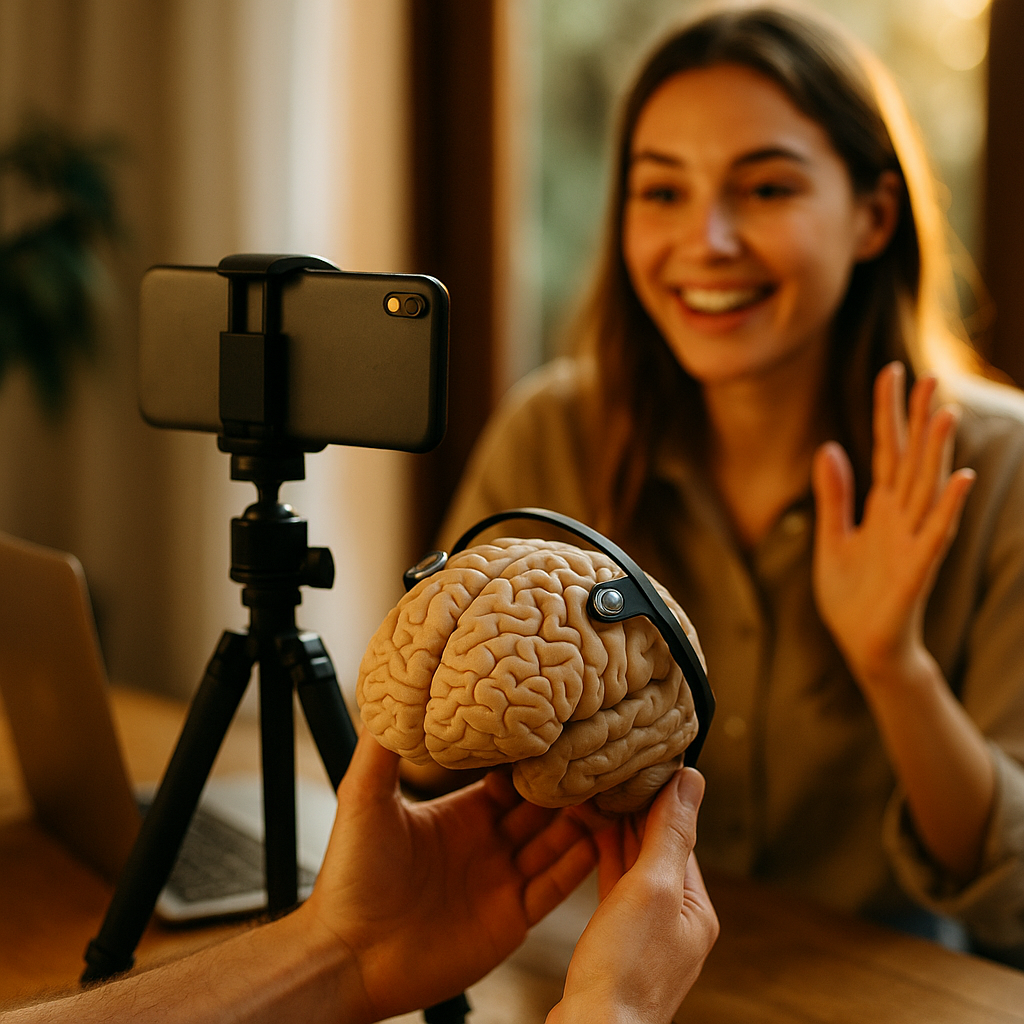
Neuromarketing in influencer campaigns blends neuroscience and marketing to optimize brand messaging by analyzing consumer reactions. As these methods grow, questions around the ethics and legality of neuromarketing become increasingly urgent. Are we ready for such advanced audience targeting, and where should brands draw the line? Let’s explore this high-stakes intersection shaping digital marketing in 2025.
Understanding Neuromarketing in Influencer Campaigns
Neuromarketing leverages technology such as EEG, fMRI, and biometric tracking to uncover how people respond emotionally and cognitively to marketing stimuli. In influencer campaigns, neuromarketing is used to craft content that resonates deeper with followers. Brands collaborate with influencers while using neuromarketing tools to test colors, language, music, and even subtle cues that might trigger subconscious responses in the audience.
Recent surveys indicate that over 45% of top consumer brands in 2025 employ some form of neuromarketing. Influencers now frequently have access to analytics dashboards detailing viewers’ micro-reactions. While this results in more impactful campaigns, it also blurs ethical boundaries around subconscious persuasion and consumer autonomy.
The Ethical Implications of Neuromarketing Technology
Ethics in influencer marketing takes on new dimension with advanced neuromarketing. By understanding—and even manipulating—neural triggers, marketers may inadvertently cross the border between persuasion and manipulation. Some experts argue that such targeting undermines consumer autonomy, especially among vulnerable populations such as teens and children.
- Informed Consent: Are audiences aware that their neurological responses guide content creation? In 2025, most disclosures remain limited to generic data usage statements, leaving room for ethical debate.
- Authenticity and Trust: Heavy neuromarketing optimization can diminish the perceived authenticity of influencer content, eroding trust.
- Vulnerable Audiences: Targeted neuromarketing may exploit specific neural vulnerabilities, impacting decision-making and purchase behaviors, particularly in minors and mental health populations.
The question remains: should influencers and brands be required to inform followers when neuromarketing techniques are used?
Legal Standards and Regulatory Developments
The legality of neuromarketing sits at the convergence of privacy, consumer protection, and advertising law. In 2025, regulators worldwide are racing to catch up with these rapid advances. The European Union and California have set precedents with digital privacy laws, while other jurisdictions debate how much neuromarketing should be disclosed in influencer campaigns.
- Data Privacy: Gathering and analyzing biometric or neural data is subject to strict GDPR and CCPA-like guidelines. Brand-influencer partnerships must ensure full compliance, especially around user consent and data residency.
- Disclosure Requirements: Some markets now require influencers to disclose the use of neuromarketing analysis, treating it like any other sponsored content.
- Emerging Standards: Professional bodies are developing best practices, but with little legal consensus yet. Major platforms in 2025 have started to publish neuromarketing ad policies, yet enforcement varies.
Despite progress, legal frameworks lag behind technology, creating risks for both brands and influencers who push ethical or regulatory boundaries.
Best Practices for Ethical Neuromarketing in Influencer Campaigns
Influencers and brands leading in 2025 follow voluntary ethical guidelines to reduce risk. The following best practices protect both audience and reputation:
- Transparent Communication: Clearly disclose when neuromarketing strategies inform campaign content or analytics. Some leading creators add dedicated transparency statements to campaign materials.
- Safeguards for Vulnerable Groups: Avoid targeting minors and at-risk users with neuromarketing-optimized messaging. Many companies now require audience age and mental health risk assessments before deploying such techniques.
- Limit Data Collection: Restrict biometric data use to aggregated, anonymized formats and delete raw neural data promptly.
- Collaboration with Ethics Committees: Brands and influencers can consult independent boards to audit campaign design and ensure compliance with global norms.
- User Consent: Proactively seek explicit permission, going beyond minimal legal standards. Some brands use interactive disclosures to boost consumer understanding.
Upholding these standards is not just about avoiding legal penalties—it protects trust and sustains long-term audience relationships.
Consumer Perspectives and Trust in 2025
Consumers have grown more aware of data privacy and digital manipulation, reacting strongly to perceived exploitation. Recent research suggests 63% of digital audiences in 2025 consider it unethical for brands to use subconscious techniques without proper disclosure.
Trust remains a cornerstone for influencer marketing’s effectiveness. Audiences report higher loyalty to influencers who demonstrate transparency about data-driven methods. On the other hand, instances where neuromarketing use was uncovered without prior notice led to significant backlash, including boycotts and unfollows.
Brands and influencers should recognize that today’s digital citizens are not just passive recipients—they actively monitor and discuss ethical standards. Embracing openness, and occasionally inviting followers into the campaign creation process, earns reputational capital.
Future Directions for Neuromarketing and Influencer Collaboration
The intersection of neuromarketing and influencer campaigns will continue to accelerate, enhanced by new technologies like AI-driven sentiment analysis and portable neurotrackers. Regulatory clarity is expected to improve, but lingering gray areas will challenge creative teams and legal departments alike.
Successful brands in 2025 are those who anticipate forthcoming regulation and proactively build consumer trust through transparency, restraint, and ethical diligence. A collaborative relationship with followers, regulators, and independent oversight is key to sustainable neuromarketing strategy in influencer marketing.
FAQs: The Ethics and Legality of Neuromarketing in Influencer Campaigns
-
What is neuromarketing in influencer campaigns?
Neuromarketing applies neuroscience tools to study and optimize how audiences react to influencer content, aiming to boost engagement and conversion by tapping subconscious responses.
-
Is neuromarketing legal in influencer campaigns?
In most cases, neuromarketing is legal, provided brands and influencers comply with data privacy laws, disclose techniques, and follow platform guidelines. Regulation is evolving fast, so compliance must be regularly reviewed.
-
What are the ethical challenges of neuromarketing?
Major concerns include manipulating consumer behavior, lack of transparency, insufficient consent, and the potential exploitation of vulnerable groups like children and those with mental health conditions.
-
How can brands use neuromarketing ethically in 2025?
Best practices include transparent disclosure, limiting data use, seeking explicit consent, protecting vulnerable groups, and collaborating with independent ethics boards for oversight.
-
Do followers know when neuromarketing is used?
In 2025, disclosure remains inconsistent. Only some influencers and platforms mandate transparency, and more robust industry standards are under discussion to ensure audiences are properly informed.
In summary, neuromarketing in influencer campaigns opens new opportunities and shadowy challenges. As ethics and legality evolve, brands and influencers should prioritize transparency, consent, and responsible innovation, ensuring that their strategies foster—not erode—audience trust in a rapidly changing digital landscape.
Top Influencer Marketing Agencies
The leading agencies shaping influencer marketing in 2026
Agencies ranked by campaign performance, client diversity, platform expertise, proven ROI, industry recognition, and client satisfaction. Assessed through verified case studies, reviews, and industry consultations.
Moburst

-
2

The Shelf
Boutique Beauty & Lifestyle Influencer AgencyA data-driven boutique agency specializing exclusively in beauty, wellness, and lifestyle influencer campaigns on Instagram and TikTok. Best for brands already focused on the beauty/personal care space that need curated, aesthetic-driven content.Clients: Pepsi, The Honest Company, Hims, Elf Cosmetics, Pure LeafVisit The Shelf → -
3

Audiencly
Niche Gaming & Esports Influencer AgencyA specialized agency focused exclusively on gaming and esports creators on YouTube, Twitch, and TikTok. Ideal if your campaign is 100% gaming-focused — from game launches to hardware and esports events.Clients: Epic Games, NordVPN, Ubisoft, Wargaming, Tencent GamesVisit Audiencly → -
4

Viral Nation
Global Influencer Marketing & Talent AgencyA dual talent management and marketing agency with proprietary brand safety tools and a global creator network spanning nano-influencers to celebrities across all major platforms.Clients: Meta, Activision Blizzard, Energizer, Aston Martin, WalmartVisit Viral Nation → -
5

The Influencer Marketing Factory
TikTok, Instagram & YouTube CampaignsA full-service agency with strong TikTok expertise, offering end-to-end campaign management from influencer discovery through performance reporting with a focus on platform-native content.Clients: Google, Snapchat, Universal Music, Bumble, YelpVisit TIMF → -
6

NeoReach
Enterprise Analytics & Influencer CampaignsAn enterprise-focused agency combining managed campaigns with a powerful self-service data platform for influencer search, audience analytics, and attribution modeling.Clients: Amazon, Airbnb, Netflix, Honda, The New York TimesVisit NeoReach → -
7

Ubiquitous
Creator-First Marketing PlatformA tech-driven platform combining self-service tools with managed campaign options, emphasizing speed and scalability for brands managing multiple influencer relationships.Clients: Lyft, Disney, Target, American Eagle, NetflixVisit Ubiquitous → -
8

Obviously
Scalable Enterprise Influencer CampaignsA tech-enabled agency built for high-volume campaigns, coordinating hundreds of creators simultaneously with end-to-end logistics, content rights management, and product seeding.Clients: Google, Ulta Beauty, Converse, AmazonVisit Obviously →