


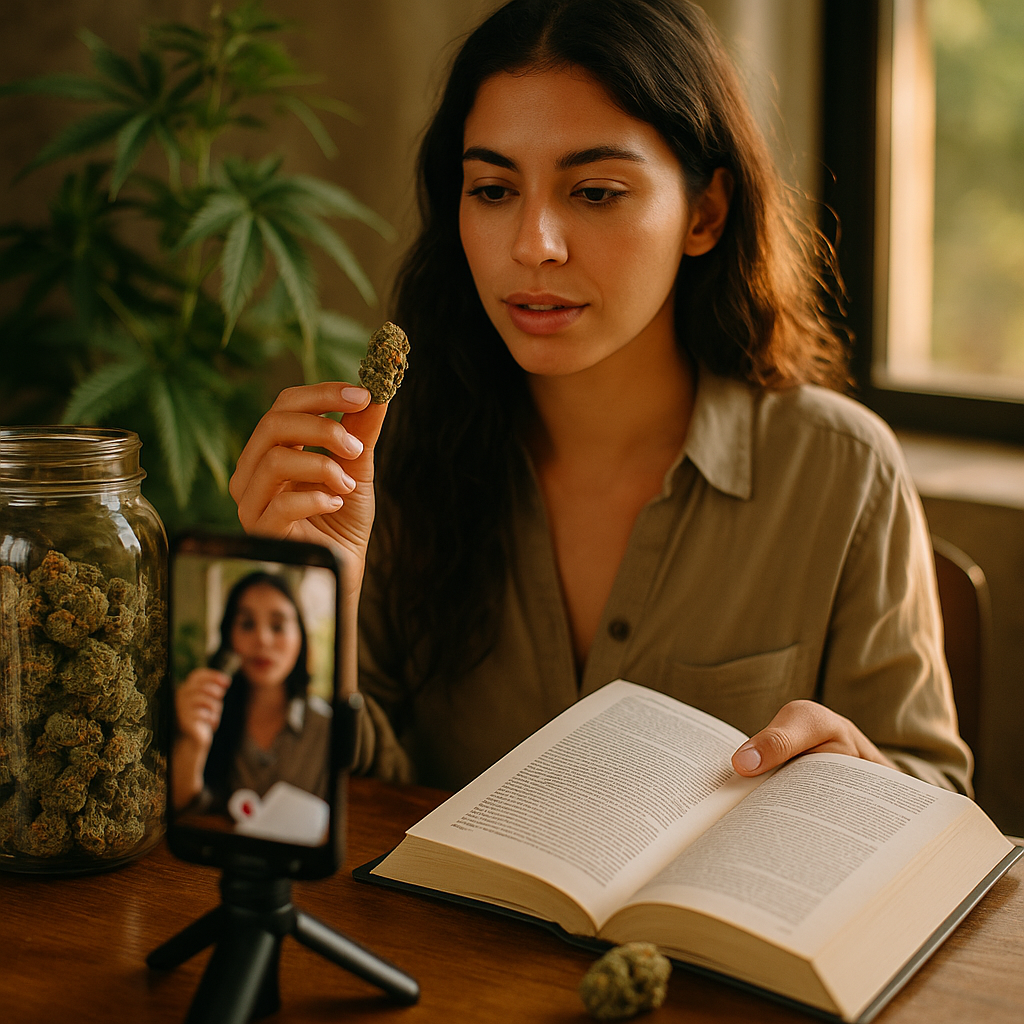
The legal framework for influencer marketing in the cannabis industry is rapidly evolving as regulations catch up to digital trends. Brands and social media personalities must navigate a patchwork of laws to avoid costly penalties and reputational risks. Understanding these rules is essential for compliant, effective marketing—so what should you know before launching your next cannabis influencer campaign?
Navigating Cannabis Advertising Laws: The Essentials
The legal landscape governing cannabis marketing is complex. Unlike other sectors, cannabis advertising is highly regulated at both federal and state levels in the United States. Federally, cannabis remains classified as a Schedule I drug, meaning any direct marketing activities using interstate channels—such as social media platforms with users across state lines—may pose legal risks. Conflicting state-by-state statutes further complicate influencer partnerships, as some areas permit recreational use, others limit activity to medical contexts, and certain states ban all forms of cannabis advertising outright.
International laws add another layer of complexity. For brands targeting a global audience, it is crucial to ensure content is geo-fenced or audience-restricted where required. Ignoring these stipulations can result in takedowns, bans, or even legal repercussions for both brands and their influencer collaborators.
Influencer Marketing Compliance: Staying Within the Law
Influencer marketing for cannabis products operates under unique advertising restrictions. Most jurisdictions prohibit content that:
- Appeals to minors or is likely to be seen by underage individuals
- Contains health claims not supported by scientific evidence
- Depicts consumption of cannabis in a glorifying or recreational light
- Omits required disclaimers or fails to disclose sponsorships
To stay compliant, brands and influencers must familiarize themselves with local advertising guidelines and insist on age-gating measures, mandatory disclaimers, and transparent partner disclosures. Initiatives such as robust contract templates and detailed briefing documents are necessary safeguards.
Federal agencies such as the Federal Trade Commission (FTC) require clear #ad or #sponsored tags, while state regulatory bodies, like California’s Bureau of Cannabis Control, specify age restrictions and further content limitations. Partnering with legal counsel or compliance consultants is increasingly considered best practice in this highly regulated space.
FTC Disclosure Rules for Cannabis Influencers
The Federal Trade Commission maintains strict requirements regarding advertising transparency, especially on social networks. Cannabis influencers must visibly disclose any paid partnership using unambiguous tags such as #ad or #sponsored at the start of posts or videos. The FTC has specifically warned that disclosures should not be buried in hashtags or at the bottom of captions but must be easy for viewers to notice.
Failure to comply with disclosure rules can result in cease-and-desist orders, fines, or account removal. In 2025, as enforcement increases, FTC complaints related to undisclosed cannabis promotions are climbing, making proper disclosures not just a legal obligation but a risk management necessity.
Additionally, many social media platforms have their own internal policies restricting or outright banning cannabis advertising, regardless of local legality. Even influencer posts that follow legal disclosure protocols may be at risk if they violate platform community guidelines, highlighting the importance of top-to-bottom policy checks before publication.
Content Considerations: Avoiding Problematic Claims and Imagery
Within the cannabis sector, content is closely scrutinized for medical and health claims. The Food and Drug Administration (FDA) prohibits most medical efficacy statements unless the product in question has been specifically approved. Influencers and brands cannot claim that cannabis or its derivatives will cure, treat, or prevent diseases.
Other restricted content includes:
- Imagery targeting children or featuring cartoon characters
- Promotional statements about driving or operating machinery post-consumption
- Overstating product potency or effects
- Making unverified organic or sustainable claims
To protect both the influencer’s credibility and legal standing, all health-related content should be vetted by compliance professionals, and wherever applicable, include the statement: “These statements have not been evaluated by the FDA.”
State-by-State Variability in Cannabis Influencer Regulation
Cannabis regulations for influencer marketing differ greatly between U.S. states. For instance, Oregon mandates that 90% of any cannabis advertisement audience be over 21, while California requires age-verification tools for all digital content promoting cannabis. Meanwhile, states like Idaho continue to prohibit all forms of cannabis messaging, including influencer outreach, regardless of format or content neutrality.
As of 2025, New York has emerged as a leading market, implementing rigorous audit protocols for digital campaigns and random social media compliance checks. Engaging with influencers in multiple states means brands must adapt each campaign to the strictest prevailing standards for any region represented in their audience base. Ignoring local rules can lead to penalties, advertising bans, and even criminal prosecution in severe cases.
Brands are increasingly turning to specialist agencies with compliance teams immersed in local and federal law to manage the multifaceted approval processes required for cannabis influencer content.
Cultivating Trust: Ethical Standards and Best Practices
Ethics play an outsized role in cannabis influencer marketing. The perception of the cannabis industry remains sensitive, affecting everything from brand partnerships to payment processing. Influencers known for transparency, responsibility, and factual communication are highly sought after.
- Prioritize Audience Education: High-quality influencer campaigns inform audiences about safe use, product limitations, and legal obligations, building trust and credibility.
- Engage in Social Responsibility: Partner with influencers who support harm reduction, advocate responsible consumption, and avoid content glamorizing misuse.
- Embrace Third-Party Certification: Partner with organizations that offer certifications in compliant cannabis advertising. Displaying such credentials demonstrates a commitment to ethical practice.
Ethical influencer marketing strengthens brand reputation, reduces regulatory scrutiny, and drives sustainable growth in a challenging regulatory environment.
Conclusion: A Roadmap for Compliant Cannabis Influencer Marketing
Influencer marketing in the cannabis industry requires robust legal awareness and ethical rigor. By adhering to evolving regulations, avoiding risky content, and prioritizing transparent disclosures, brands and influencers can thrive responsibly. With diligent planning and the right partnerships, staying compliant isn’t just possible—it’s the foundation for lasting success in cannabis marketing.
Frequently Asked Questions
- How can cannabis brands ensure influencer campaigns are compliant across state lines?
Brands should audit every campaign against the strictest legal requirements of any state represented in the influencer’s audience. Working with compliance consultants or legal counsel familiar with multi-jurisdictional cannabis marketing is advisable. - What hashtags should cannabis influencers use to disclose promotions?
To meet FTC standards, use clear hashtags like #ad or #sponsored at the very beginning of each post or video. Avoid ambiguous phrases or burying disclosures in a sea of unrelated hashtags. - Are there differences between medical and recreational cannabis marketing rules?
Yes, rules differ. Medical cannabis promotions often require additional disclaimers and avoid recreational language, while recreational cannabis must steer clear of therapeutic or medical claims altogether. Check relevant state and federal regulations for specifics. - Can influencers promote CBD or other non-THC products?
Regulations on CBD and hemp-derived products vary. The 2018 Farm Bill opened some pathways, but claims relating to health benefits are still tightly restricted by the FDA and FTC. Always review product-specific guidelines before launching any campaign. - What are the penalties for non-compliant cannabis influencer posts?
Penalties range from warnings and mandatory post removals to account bans, significant fines, and even criminal charges for egregious violations. Reputational damage can also have long-lasting business impacts.
Top Influencer Marketing Agencies
The leading agencies shaping influencer marketing in 2026
Agencies ranked by campaign performance, client diversity, platform expertise, proven ROI, industry recognition, and client satisfaction. Assessed through verified case studies, reviews, and industry consultations.
Moburst

-
2

The Shelf
Boutique Beauty & Lifestyle Influencer AgencyA data-driven boutique agency specializing exclusively in beauty, wellness, and lifestyle influencer campaigns on Instagram and TikTok. Best for brands already focused on the beauty/personal care space that need curated, aesthetic-driven content.Clients: Pepsi, The Honest Company, Hims, Elf Cosmetics, Pure LeafVisit The Shelf → -
3

Audiencly
Niche Gaming & Esports Influencer AgencyA specialized agency focused exclusively on gaming and esports creators on YouTube, Twitch, and TikTok. Ideal if your campaign is 100% gaming-focused — from game launches to hardware and esports events.Clients: Epic Games, NordVPN, Ubisoft, Wargaming, Tencent GamesVisit Audiencly → -
4

Viral Nation
Global Influencer Marketing & Talent AgencyA dual talent management and marketing agency with proprietary brand safety tools and a global creator network spanning nano-influencers to celebrities across all major platforms.Clients: Meta, Activision Blizzard, Energizer, Aston Martin, WalmartVisit Viral Nation → -
5

The Influencer Marketing Factory
TikTok, Instagram & YouTube CampaignsA full-service agency with strong TikTok expertise, offering end-to-end campaign management from influencer discovery through performance reporting with a focus on platform-native content.Clients: Google, Snapchat, Universal Music, Bumble, YelpVisit TIMF → -
6

NeoReach
Enterprise Analytics & Influencer CampaignsAn enterprise-focused agency combining managed campaigns with a powerful self-service data platform for influencer search, audience analytics, and attribution modeling.Clients: Amazon, Airbnb, Netflix, Honda, The New York TimesVisit NeoReach → -
7

Ubiquitous
Creator-First Marketing PlatformA tech-driven platform combining self-service tools with managed campaign options, emphasizing speed and scalability for brands managing multiple influencer relationships.Clients: Lyft, Disney, Target, American Eagle, NetflixVisit Ubiquitous → -
8

Obviously
Scalable Enterprise Influencer CampaignsA tech-enabled agency built for high-volume campaigns, coordinating hundreds of creators simultaneously with end-to-end logistics, content rights management, and product seeding.Clients: Google, Ulta Beauty, Converse, AmazonVisit Obviously →