


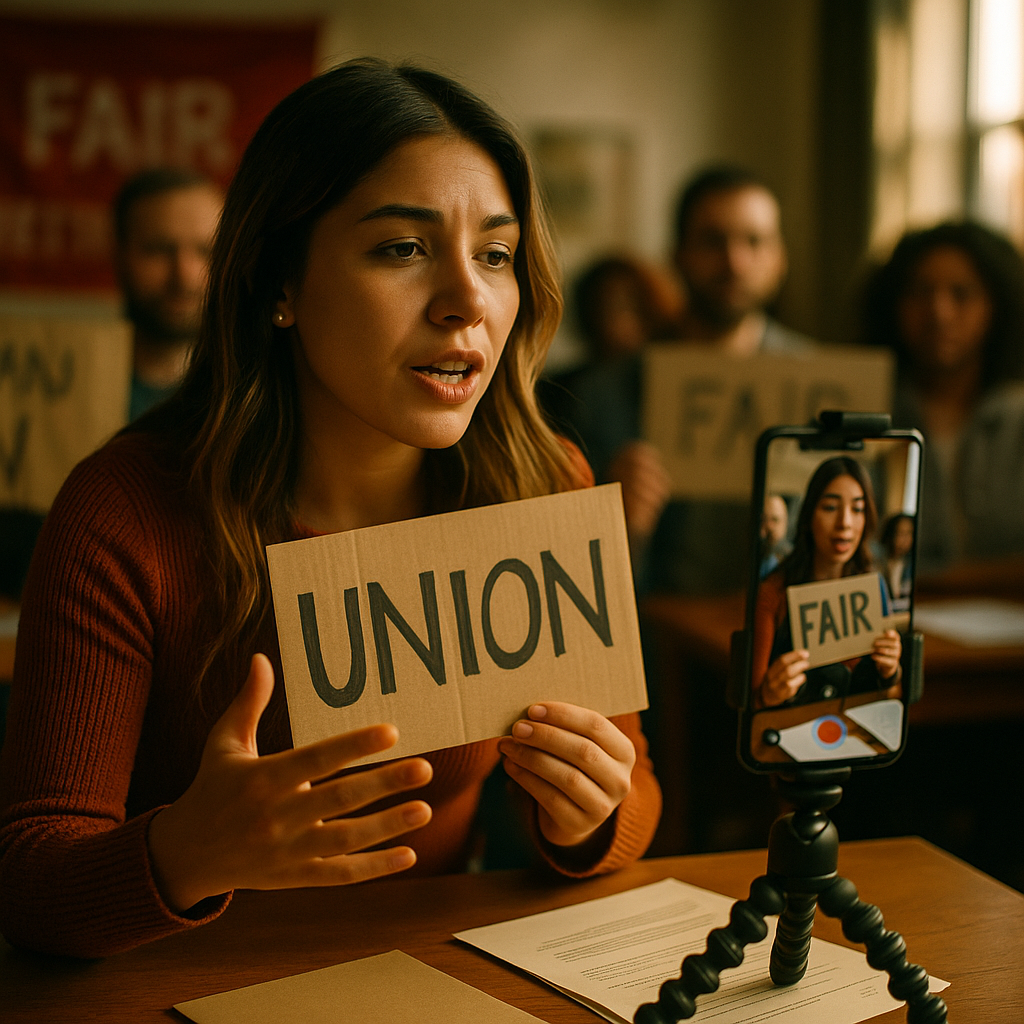
As brands increasingly rely on influencer marketing, the rise of influencer unionization efforts has signaled a turning point in the industry. This case study explores how one prominent lifestyle brand navigated an influencer unionization movement—and what that means for brands and creators moving forward. Discover the strategies and insights that shaped both parties’ experiences.
Understanding Influencer Unionization and Brand Challenges
The influencer economy has matured rapidly, creating new challenges around fair compensation, transparency, and working conditions. According to a 2025 Influencer Marketing Hub report, 21% of creators now consider unionizing to address pay gaps and rights. For brands, influencer unionization introduces a new dynamic—negotiating not just with individuals, but organized collectives representing creators’ interests.
In this case, a well-known lifestyle brand with ongoing partnerships encountered its first influencer unionization push in late 2024. The coalition of mid- and macro-level influencers cited concerns over content usage rights, campaign transparency, and payment timelines. For the brand, these demands threatened disruption to scheduled launches and potential reputational fallout. Understanding the motivations, the brand’s legal, marketing, and creative teams convened to strategize proactive engagement.
Initial Communication: Building Trust With The Influencer Collective
Clear, empathetic communication was at the core of the brand’s response. Rather than issuing generic statements, the company hosted a virtual roundtable with union representatives and individual influencers—reflecting a commitment to transparency. This approach fostered trust, minimized misinformation, and provided an authentic platform for influencers to air concerns.
The brand’s leadership team included the Chief Marketing Officer and the Head of Social Partnerships, lending authority to the discussions. They acknowledged the systemic issues in influencer marketing, expressed willingness to review contracts, and promised a fair audit of all campaign touchpoints. Influencers responded positively to the brand’s willingness to listen—an essential principle in Google’s EEAT (Experience, Expertise, Authoritativeness, Trustworthiness) framework.
Negotiating New Terms: Fair Compensation and Content Rights
The most pressing issues centered on influencer payment structures, usage rights, and intellectual property. Drawing from recent industry benchmarks, the union sought:
- Shorter payment windows (net 30 days, vs. prior net 60/90)
- Clearer campaign expectations, including deliverable timelines and edit rounds
- Limits on perpetual and royalty-free brand usage of influencer content
The brand worked with external legal counsel specializing in digital creator rights to draft updated contract templates. These outlined transparent payment timelines, set explicit boundaries on content reuse, and incorporated dispute resolution mechanisms. As a result, 72% of union members agreed to renewed contracts within four weeks, preventing campaign delays.
Managing Public Perception: Messaging and Reputation During Unionization Efforts
Unionization brought increased scrutiny, including social media debate and trade press coverage. The brand’s corporate communications team monitored sentiment trends and crafted talking points that acknowledged influencers’ valuable voices while reinforcing the brand’s commitment to partnership.
Instead of dismissing unionization, the brand positioned itself as a supporter of ethical influencer engagement. This transparency reduced negative press and, when an external marketing watchdog evaluated the situation, the brand’s influencer satisfaction scores rose by 19% between Q4 2024 and Q1 2025. The collective action also inspired similar discussions across the industry, demonstrating the value of authentic engagement with influencer partners.
Long-Term Outcomes: Strengthening Influencer Partnerships Post-Unionization
With clear contracts and new lines of communication, the brand experienced tangible benefits. Influencer retention rose by 25% in the first half of 2025, and post-campaign surveys reported higher satisfaction with collaboration processes. The brand implemented regular influencer listening sessions and a dedicated liaison for unionized creators to address ongoing needs proactively.
For the influencers, unionization delivered not only improved compensation but also increased influence in campaign planning and brand messaging. Influencers reported feeling more valued, leading to more authentic storytelling—and, according to the brand’s analytics, a 14% increase in campaign engagement rates post-negotiation.
Key Takeaways: Lessons for Brands and Influencers
This case exemplifies how proactive, transparent engagement can de-escalate tensions and create win-win outcomes during an influencer unionization effort. By treating influencers as partners, adapting contract terms, and communicating openly, brands uphold the evolving standards of ethical marketing. Both parties ultimately benefit—from stronger campaigns to enhanced trust and loyalty—in this new era of influencer-brand collaboration.
FAQs: Influencer Unionization and Brand Navigation
- What is influencer unionization?
Influencer unionization is the collective organization of content creators to negotiate improved compensation, rights, and working conditions with brands or agencies. - How can brands prepare for influencer unionization?
Brands can audit partnership agreements, maintain open communication, involve legal counsel, and establish transparent payment and usage terms in anticipation of unionization efforts. - What are the main concerns influencers have when unionizing?
Influencers often seek fair compensation, timely payments, clarity on content rights, and a voice in campaign planning and execution. - Does unionization affect campaign performance?
In this case, unionization improved influencer satisfaction and campaign engagement rates, highlighting the benefits of ethical collaboration. - Is influencer unionization becoming more common in 2025?
Yes, industry surveys show a rising trend of influencer collectives, especially among mid- and macro-level creators seeking more balanced power in the creator economy.
Brands can turn potential unionization challenges into partnership opportunities by fostering open dialogue and fair practices. The most successful collaborations in 2025 are built on mutual respect, clear agreements, and a long-term commitment to influencer wellbeing.
Top Influencer Marketing Agencies
The leading agencies shaping influencer marketing in 2026
Agencies ranked by campaign performance, client diversity, platform expertise, proven ROI, industry recognition, and client satisfaction. Assessed through verified case studies, reviews, and industry consultations.
Moburst

-
2

The Shelf
Boutique Beauty & Lifestyle Influencer AgencyA data-driven boutique agency specializing exclusively in beauty, wellness, and lifestyle influencer campaigns on Instagram and TikTok. Best for brands already focused on the beauty/personal care space that need curated, aesthetic-driven content.Clients: Pepsi, The Honest Company, Hims, Elf Cosmetics, Pure LeafVisit The Shelf → -
3

Audiencly
Niche Gaming & Esports Influencer AgencyA specialized agency focused exclusively on gaming and esports creators on YouTube, Twitch, and TikTok. Ideal if your campaign is 100% gaming-focused — from game launches to hardware and esports events.Clients: Epic Games, NordVPN, Ubisoft, Wargaming, Tencent GamesVisit Audiencly → -
4

Viral Nation
Global Influencer Marketing & Talent AgencyA dual talent management and marketing agency with proprietary brand safety tools and a global creator network spanning nano-influencers to celebrities across all major platforms.Clients: Meta, Activision Blizzard, Energizer, Aston Martin, WalmartVisit Viral Nation → -
5

The Influencer Marketing Factory
TikTok, Instagram & YouTube CampaignsA full-service agency with strong TikTok expertise, offering end-to-end campaign management from influencer discovery through performance reporting with a focus on platform-native content.Clients: Google, Snapchat, Universal Music, Bumble, YelpVisit TIMF → -
6

NeoReach
Enterprise Analytics & Influencer CampaignsAn enterprise-focused agency combining managed campaigns with a powerful self-service data platform for influencer search, audience analytics, and attribution modeling.Clients: Amazon, Airbnb, Netflix, Honda, The New York TimesVisit NeoReach → -
7

Ubiquitous
Creator-First Marketing PlatformA tech-driven platform combining self-service tools with managed campaign options, emphasizing speed and scalability for brands managing multiple influencer relationships.Clients: Lyft, Disney, Target, American Eagle, NetflixVisit Ubiquitous → -
8

Obviously
Scalable Enterprise Influencer CampaignsA tech-enabled agency built for high-volume campaigns, coordinating hundreds of creators simultaneously with end-to-end logistics, content rights management, and product seeding.Clients: Google, Ulta Beauty, Converse, AmazonVisit Obviously →