


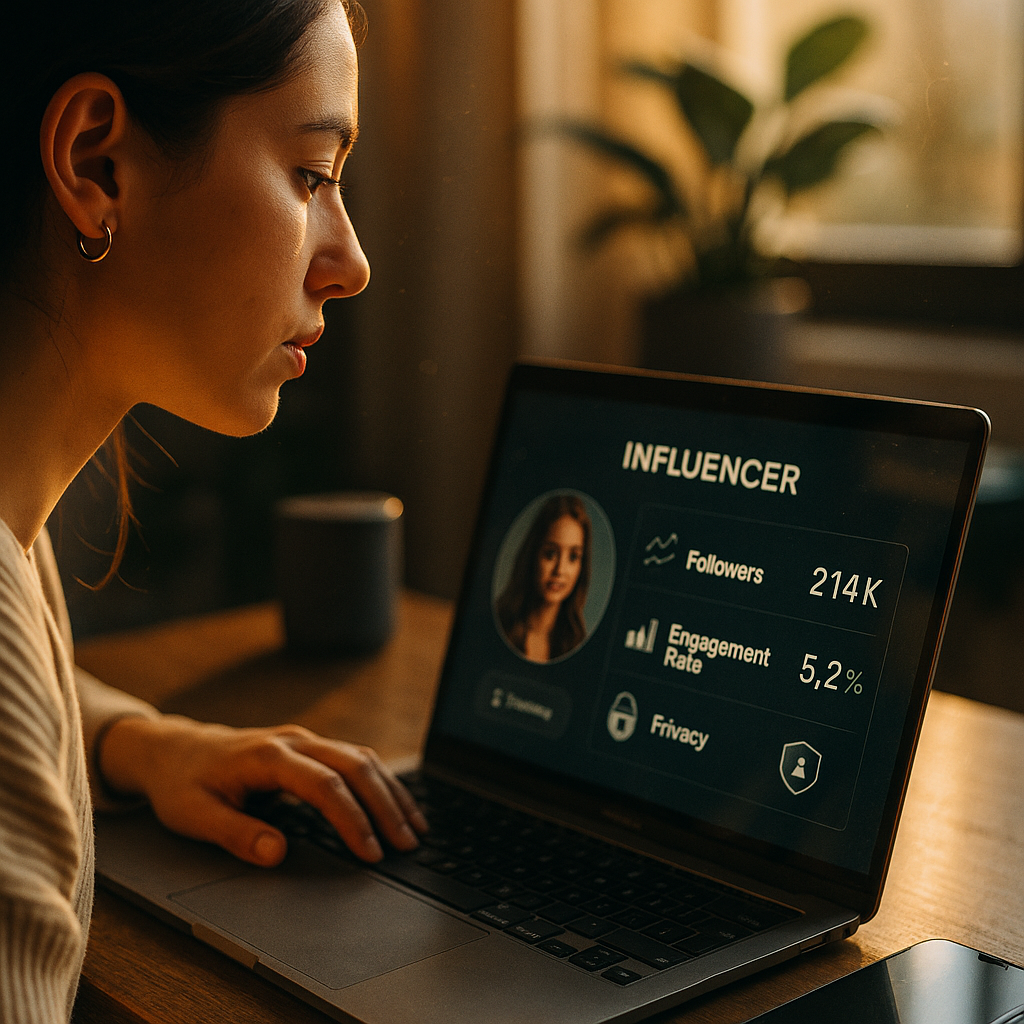
Data privacy trends are rapidly reshaping how we track influencer performance in 2025. As privacy regulations tighten and consumer expectations evolve, brands and marketers must navigate new challenges in measuring campaign ROI. Discover what these changes mean, which innovative methods are replacing legacy techniques, and how you can adapt your influencer marketing strategies to stay ahead.
The Impact of Data Privacy Regulations on Influencer Tracking
Global data privacy regulations, such as the General Data Protection Regulation (GDPR) and California Consumer Privacy Act (CCPA), have set a precedent for a new wave of legislation in 2025. More countries and regions now enforce strict data rights, requiring explicit consent for tracking and placing restrictions on third-party cookies and cross-platform user IDs. For influencer marketing, this means traditional tools relying on extensive user tracking are no longer compliant—and often, no longer effective.
These regulations force brands to shift from intrusive tracking, focusing instead on consent-based data collection and anonymized analytics. Influencer campaign managers must now prioritize privacy by design in every stage of their marketing workflow, both to avoid legal repercussions and maintain consumer trust.
Changing Consumer Attitudes Towards Influencer Analytics
Consumers in 2025 are more knowledgeable and protective of their digital footprints. According to a recent Deloitte insight, over 75% of internet users are concerned about how brands utilize their data. This heightened awareness affects how marketers approach influencer campaigns, prioritizing transparency and ethical data practices.
Users increasingly expect control over their personal information, including what’s shared during influencer engagements. Creators themselves are also demanding greater ownership and privacy for both their content and audience data. Marketers must openly communicate data intentions and ensure privacy choices are respected, or risk damaging both reputation and campaign performance.
Innovative Methods for Privacy-Centric Influencer Performance Measurement
With third-party cookies on the decline and granular user tracking restricted, brands are deploying new ways to assess influencer impact:
- First-party data analysis: Most marketers now rely on data collected directly with user consent, like newsletter signups, direct purchases, and campaign-related site activity.
- Platform-native analytics: Influencer platforms like Instagram, TikTok, and YouTube continue to refine their in-app analytics dashboards. These provide transparent, aggregate performance metrics—ensuring privacy while maintaining reporting quality.
- Affiliate codes and tracked links: Personal discount codes and UTM-tagged URLs help attribute conversions without violating privacy protocols.
- Brand lift and sentiment surveys: Privacy-compliant, opt-in surveys gauge audience attitudes before and after influencer campaigns, revealing true impact beyond clicks or impressions.
- Contextual signals: Instead of tracking individual users, advanced modeling collects anonymized, contextual engagement data—like aggregate time spent, overall positive sentiment, and hashtag reach.
Each method keeps user privacy intact while providing actionable, high-level campaign insights for brands and agencies.
Building Trust Through Transparent Influencer Data Practices
Trust is the cornerstone of successful influencer marketing in 2025. Both platforms and brands must adopt clear privacy policies, easy-to-understand consent mechanisms, and give users persistent control over their shared data. Influencers play a key role, too: audiences are more likely to engage when creators are transparent about sponsorships, data policies, and the tools used to collect information.
Many top influencer partnerships now feature prominent disclosures, concise calls-to-action for managing data preferences, and links to privacy statements within campaign content. These approaches foster loyalty and increase participation rates, often leading to improved campaign metrics—even in the absence of granular user-level data.
Preparing for a Cookieless Digital Future in Influencer Marketing
As we enter a cookieless digital landscape, the long-term success of influencer marketing programs depends on three essential strategies:
- Invest in privacy-first measurement tools: Adopt analytics technologies designed for a consent-driven world—tools that use aggregated, anonymized data and prioritize ethical first-party data collection.
- Enhance influencer collaboration: Foster open communication with creators to access valuable owned insights (such as unique audience engagement trends) while respecting privacy limits.
- Emphasize value-driven content: Focus on producing inspiring, relevant, and trustworthy influencer content that drives organic engagement—where measurable buzz follows naturally, even if deep individual tracking is impossible.
Marketers who embrace these principles will continue to thrive, despite evolving privacy standards and tracking limitations.
Conclusion: Adapting to New Data Privacy Trends in Influencer Performance Tracking
In 2025, the influencer marketing landscape is being transformed by evolving data privacy trends. Brands that prioritize transparent, ethical analytics and invest in privacy-compliant measurement methods will build stronger trust and outperform in this new era of marketing accountability. Stay adaptive, privacy-forward, and committed to value to ensure lasting influencer campaign success.
FAQs: Data Privacy and Influencer Performance Tracking
-
How do new data privacy laws affect influencer campaign tracking?
New laws limit intrusive tracking and require user consent. Marketers must now use privacy-compliant, aggregate analytics instead of individual user tracking for influencer campaigns. -
What are effective alternatives to third-party cookies in influencer measurement?
First-party data collection, platform-native analytics, affiliate links, opt-in surveys, and contextual engagement signals are now favored as privacy-friendly options. -
Can brands still accurately measure ROI in influencer campaigns under stricter privacy?
Yes. By combining multiple privacy-focused approaches—such as unique codes, native platform data, and opt-in surveys—brands can gain reliable, actionable performance insights. -
How can brands build consumer trust around data privacy in influencer marketing?
Be transparent about data practices, provide clear consent choices, and highlight privacy protections within influencer content to foster audience loyalty and cooperation. -
Are influencers responsible for data privacy compliance?
Influencers share responsibility with brands and platforms to follow ethical data practices and ensure transparency around how audience data is collected and used.
Top Influencer Marketing Agencies
The leading agencies shaping influencer marketing in 2026
Agencies ranked by campaign performance, client diversity, platform expertise, proven ROI, industry recognition, and client satisfaction. Assessed through verified case studies, reviews, and industry consultations.
Moburst

-
2

The Shelf
Boutique Beauty & Lifestyle Influencer AgencyA data-driven boutique agency specializing exclusively in beauty, wellness, and lifestyle influencer campaigns on Instagram and TikTok. Best for brands already focused on the beauty/personal care space that need curated, aesthetic-driven content.Clients: Pepsi, The Honest Company, Hims, Elf Cosmetics, Pure LeafVisit The Shelf → -
3

Audiencly
Niche Gaming & Esports Influencer AgencyA specialized agency focused exclusively on gaming and esports creators on YouTube, Twitch, and TikTok. Ideal if your campaign is 100% gaming-focused — from game launches to hardware and esports events.Clients: Epic Games, NordVPN, Ubisoft, Wargaming, Tencent GamesVisit Audiencly → -
4

Viral Nation
Global Influencer Marketing & Talent AgencyA dual talent management and marketing agency with proprietary brand safety tools and a global creator network spanning nano-influencers to celebrities across all major platforms.Clients: Meta, Activision Blizzard, Energizer, Aston Martin, WalmartVisit Viral Nation → -
5

The Influencer Marketing Factory
TikTok, Instagram & YouTube CampaignsA full-service agency with strong TikTok expertise, offering end-to-end campaign management from influencer discovery through performance reporting with a focus on platform-native content.Clients: Google, Snapchat, Universal Music, Bumble, YelpVisit TIMF → -
6

NeoReach
Enterprise Analytics & Influencer CampaignsAn enterprise-focused agency combining managed campaigns with a powerful self-service data platform for influencer search, audience analytics, and attribution modeling.Clients: Amazon, Airbnb, Netflix, Honda, The New York TimesVisit NeoReach → -
7

Ubiquitous
Creator-First Marketing PlatformA tech-driven platform combining self-service tools with managed campaign options, emphasizing speed and scalability for brands managing multiple influencer relationships.Clients: Lyft, Disney, Target, American Eagle, NetflixVisit Ubiquitous → -
8

Obviously
Scalable Enterprise Influencer CampaignsA tech-enabled agency built for high-volume campaigns, coordinating hundreds of creators simultaneously with end-to-end logistics, content rights management, and product seeding.Clients: Google, Ulta Beauty, Converse, AmazonVisit Obviously →