


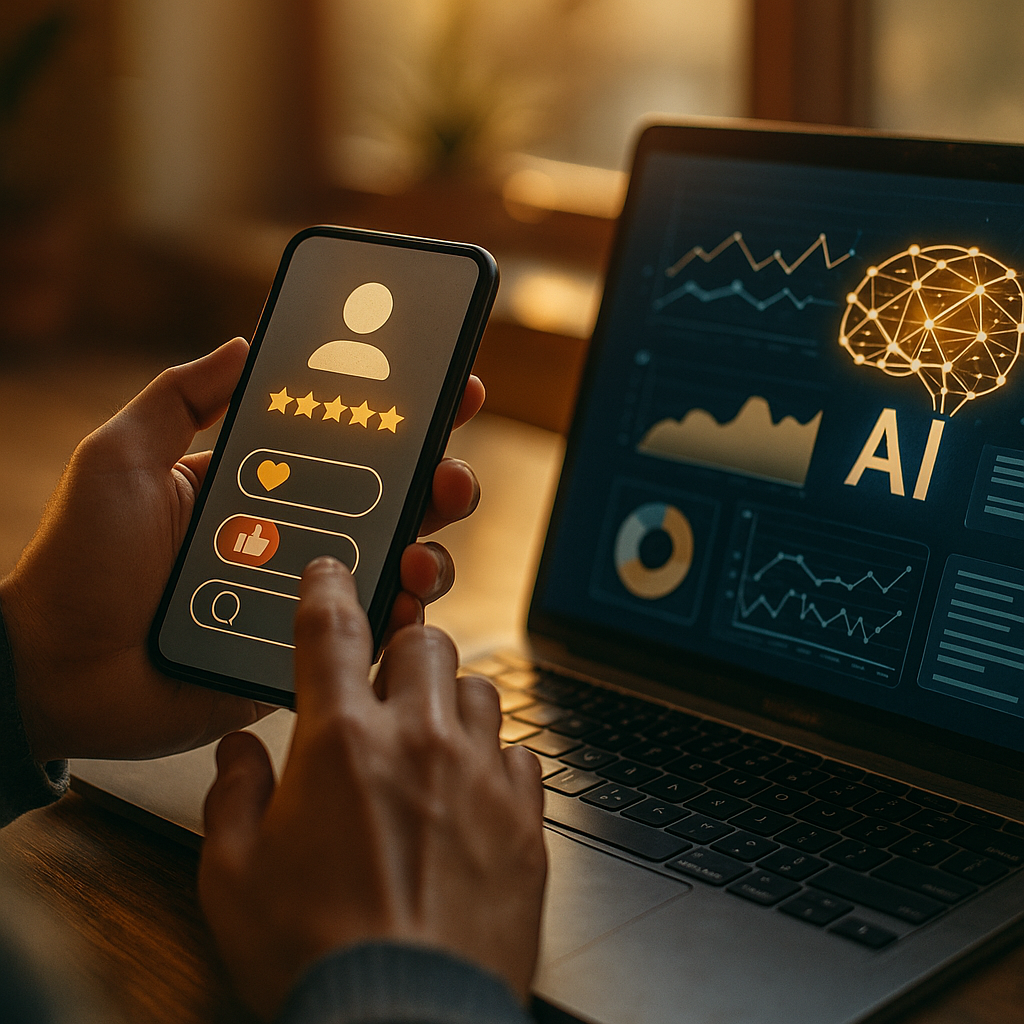
Using AI to analyze and optimize the user experience of your mobile app is becoming essential in today’s competitive digital landscape. With intelligent insights and automation, AI can transform data into actionable strategies that dramatically improve app performance. Are you ready to unlock the secrets to a seamless mobile user experience using cutting-edge artificial intelligence?
Harnessing Artificial Intelligence in Mobile App Analytics
Mobile app analytics have evolved far beyond basic metrics like installs and daily active users. By leveraging artificial intelligence in mobile analytics, developers gain deeper, context-rich insights into user behavior. AI can surface hidden user pain points, instantly detect usage anomalies, and forecast churn before it impacts your metrics.
Modern AI systems process billions of interactions quickly, identifying patterns that even seasoned analysts might overlook. For example, predictive models can highlight friction in onboarding or reveal which features drive engagement for different user groups. This level of automation saves time and ensures data-driven decision-making at every stage of the app lifecycle.
Implementing AI-Driven User Behavior Analysis
AI-driven user behavior analysis offers new ways to understand how users interact with your app. Instead of relying solely on event tracking, AI tools analyze touch patterns, navigation flows, time spent on screens, and dropout points with extraordinary accuracy.
- Sequence Mining: AI detects and visualizes common user journeys, identifying which steps lead to success or abandonment.
- Sentiment Analysis: Machine learning dives into reviews and in-app feedback to gauge user satisfaction in real time.
- Churn Prediction: Predictive algorithms flag at-risk users so you can offer personalized interventions before they leave.
These insights help teams prioritize development resources toward features and fixes that will truly impact the user experience.
Personalizing App Experiences with Machine Learning Optimization
One of AI’s greatest strengths is personalizing mobile app experiences. Machine learning models analyze individual user data—location, in-app behavior, device type, preferences—and present tailored recommendations or interfaces for every user.
- Dynamic content: Surface the right offers, notifications, or articles in real time to boost relevance and retention.
- Adaptive onboarding: New users get a custom introduction based on their goals and device usage patterns.
- Smart feature exposure: Power users see advanced features, while novices get simplified menus.
By matching the app’s response to each user’s needs, machine learning both improves satisfaction and maximizes session duration.
Optimizing User Journeys through Predictive Analytics
Poorly designed user journeys can cause frustration and app abandonment. Optimizing user journeys with predictive analytics enables you to proactively improve these paths using AI-generated forecasts. Predictive analytics monitor funnel performance in real time and simulate the impact of proposed changes.
- Identify Drop-Off Points: AI pinpoints exactly where users struggle or stop engaging.
- Test Hypotheses Fast: Simulate alterations—such as streamlined flows or reordered content—before investing development time.
- Proactive Fixes: Instantly roll out optimizations to subsets of users and measure outcomes with minimal risk.
With predictive tools, teams can continually refine the journey, reducing friction and encouraging loyalty.
Maintaining Data Privacy and Trust with AI Technology
As AI-driven optimization grows more sophisticated, guarding user trust is non-negotiable. Ensuring privacy and transparency in AI-powered apps requires a dual focus: responsible data usage and ethical algorithm design.
Modern AI platforms employ privacy-preserving techniques, such as on-device processing and differential privacy, to ensure sensitive user information isn’t exposed or misused. Regular audits, transparent user permissions, and clear explanations of personalization practices are crucial for building long-term trust. As regulations such as the EU’s AI Act shape the 2025 landscape, app teams must stay ahead with compliant, user-centric approaches.
Measuring the Business Impact of AI-Based UX Improvements
Ultimately, the success of AI-based UX improvements in mobile apps lies in tangible business outcomes. Companies that adopt AI for user experience analysis commonly report:
- Higher retention rates: Personalized and intuitive experiences keep users coming back.
- Increased revenue: Relevant monetization and upsell opportunities connect with the right segments at the right times.
- Faster iteration: With automated analytics and testing, teams react to user needs sooner and deliver features faster.
- Reduced churn: Early intervention with at-risk users lowers attrition and acquisition costs.
For example, a 2025 industry survey found that mobile apps using AI-driven UX analysis saw retention rates improve by up to 30% within six months. Every improvement compounds, helping your app stand out in a saturated app marketplace.
FAQs on Using AI to Analyze and Optimize App UX
-
How does AI improve mobile app UX?
AI improves mobile app UX by analyzing vast amounts of usage data, identifying pain points and preferences, and delivering personalized content and proactive optimizations in real time.
-
Is integrating AI for UX analysis complicated?
Integrating AI is easier than ever thanks to plug-and-play analytics SDKs, cloud APIs, and machine learning platforms. Many solutions require minimal coding, and most major app analytics platforms now offer AI-driven insights as standard features.
-
How does AI protect user privacy?
AI-powered apps use privacy-preserving techniques such as on-device processing, data minimization, and transparent consent workflows. Reputable platforms comply with international privacy laws and regularly audit their processes.
-
Can small app teams benefit from AI optimization?
Absolutely. Many AI tools are scalable and affordable, offering smart defaults that automate analysis without large data science teams. Even indie developers can use AI to identify key opportunities for growth and retention.
-
What results can I expect from AI-driven UX improvements?
Expect higher user satisfaction, improved retention rates, increased monetization, and a deeper understanding of your audience. Real-world results often include shortened iteration cycles and measurable increases in engagement and revenue.
In 2025, using AI to analyze and optimize the user experience of your mobile app is not just a competitive advantage—it’s a necessity. By leveraging AI for real-time insights and continuous optimization, you create an engaging, high-performing product that delights users and fuels business growth.
Top Influencer Marketing Agencies
The leading agencies shaping influencer marketing in 2026
Agencies ranked by campaign performance, client diversity, platform expertise, proven ROI, industry recognition, and client satisfaction. Assessed through verified case studies, reviews, and industry consultations.
Moburst

-
2

The Shelf
Boutique Beauty & Lifestyle Influencer AgencyA data-driven boutique agency specializing exclusively in beauty, wellness, and lifestyle influencer campaigns on Instagram and TikTok. Best for brands already focused on the beauty/personal care space that need curated, aesthetic-driven content.Clients: Pepsi, The Honest Company, Hims, Elf Cosmetics, Pure LeafVisit The Shelf → -
3

Audiencly
Niche Gaming & Esports Influencer AgencyA specialized agency focused exclusively on gaming and esports creators on YouTube, Twitch, and TikTok. Ideal if your campaign is 100% gaming-focused — from game launches to hardware and esports events.Clients: Epic Games, NordVPN, Ubisoft, Wargaming, Tencent GamesVisit Audiencly → -
4

Viral Nation
Global Influencer Marketing & Talent AgencyA dual talent management and marketing agency with proprietary brand safety tools and a global creator network spanning nano-influencers to celebrities across all major platforms.Clients: Meta, Activision Blizzard, Energizer, Aston Martin, WalmartVisit Viral Nation → -
5

The Influencer Marketing Factory
TikTok, Instagram & YouTube CampaignsA full-service agency with strong TikTok expertise, offering end-to-end campaign management from influencer discovery through performance reporting with a focus on platform-native content.Clients: Google, Snapchat, Universal Music, Bumble, YelpVisit TIMF → -
6

NeoReach
Enterprise Analytics & Influencer CampaignsAn enterprise-focused agency combining managed campaigns with a powerful self-service data platform for influencer search, audience analytics, and attribution modeling.Clients: Amazon, Airbnb, Netflix, Honda, The New York TimesVisit NeoReach → -
7

Ubiquitous
Creator-First Marketing PlatformA tech-driven platform combining self-service tools with managed campaign options, emphasizing speed and scalability for brands managing multiple influencer relationships.Clients: Lyft, Disney, Target, American Eagle, NetflixVisit Ubiquitous → -
8

Obviously
Scalable Enterprise Influencer CampaignsA tech-enabled agency built for high-volume campaigns, coordinating hundreds of creators simultaneously with end-to-end logistics, content rights management, and product seeding.Clients: Google, Ulta Beauty, Converse, AmazonVisit Obviously →