


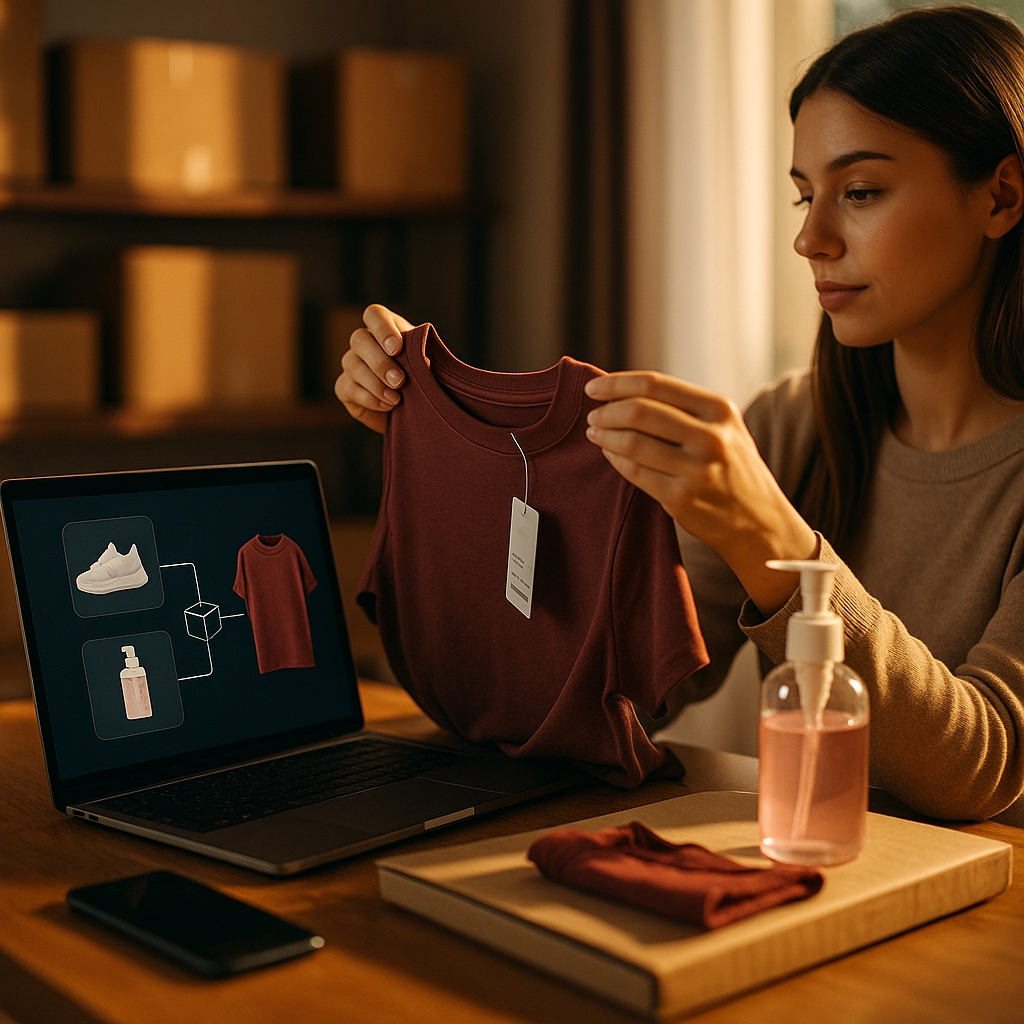
Using AI to predict which product SKUs are the best fit for an influencer’s audience can dramatically increase campaign ROI and audience satisfaction. Brands and influencers now benefit from smarter, data-driven recommendations. But how does AI deliver these personalized suggestions, and what makes the technology so effective? Dive in to discover the methodology and real-world impact of AI-powered SKU selection.
Why AI SKU Predictions Matter for Influencer Marketing Campaigns
Today’s influencer marketing goes beyond match-making personalities to brands. Predicting which product SKUs resonate most with a specific influencer’s audience is key for maximizing conversions. With AI SKU prediction, marketers move past simple guesswork and use granular data—such as audience demographics, preferences, and past purchase behaviors—to align products with content that truly resonates.
In 2025, a survey by Influencer Marketing Hub reported brands earn $7.54 on every dollar spent when they match the right SKUs to the right influencer. This leap in ROI is only possible when product recommendations fit the unique interests of each influencer’s audience, a task where AI significantly outperforms manual selection.
- Increased campaign relevance: Audiences see products tailored to their tastes, boosting trust and interaction.
- Streamlined workflow: Automated SKU suggestions save marketers and influencers valuable time.
- Data-driven scalability: Brands run larger campaigns without sacrificing personalization.
How AI Analyzes Influencer Audience Data
AI-powered tools leverage the latest advances in machine learning to interpret enormous volumes of unstructured data from social platforms. These platforms collect data points such as:
- Age, gender, and location demographics
- Audience engagement patterns (likes, comments, shares)
- Popular keywords and hashtags
- Past brand collaborations and purchase behaviors
Natural language processing (NLP) scans posts, comments, and captions for sentiment and topical affinity. Computer vision algorithms identify visual themes and products discussed in image or video content. Combined, these AI systems map out “audience personas”—rich, actionable profiles that power precise SKU recommendations. This analysis not only refines product targeting but also keeps suggestions relevant as trends shift in real time.
Matching Product SKUs to Personas: The AI Approach
Effective SKU matching depends on intelligently connecting product attributes with the interests of a given influencer’s audience. AI can process hundreds of product characteristics—such as style, function, price, and color—and cross-reference them against persona data derived from AI audience analysis.
For example, if an influencer’s audience consistently engages with sustainable living content, AI may prioritize SKUs with eco-friendly certifications and packaging. A study by GWI in 2025 found that product fit, when matched through AI systems, increases campaign click-through rates by 31% on average.
In practice, AI SKU-matching tools follow a structured pipeline:
- Audience profiling: Build a granular map of audience demographics and psychographics.
- SKU inventory analysis: Catalog and tag every product according to key features and benefits.
- Signal matching: Use algorithms to score SKUs against predicted audience interests.
- Recommendation ranking: Suggest top-performing SKUs for partnership or content creation.
This approach provides brands and influencers with a ranked list of products most likely to convert, reducing the risk of missed opportunities.
Real-World Examples: Success Stories from Leading Brands
One major beauty retailer in 2025 used AI-driven SKU analysis to identify which cosmetics would most appeal to a TikTok influencer’s Gen Z followers. This optimization resulted in a 74% sales increase during the collaboration. Similarly, a fitness apparel brand working with mid-tier Instagram creators saw their recommended activewear SKUs achieve twice the average conversion rate compared to generic product pushes.
These outcomes are made possible by integrating AI SKU prediction into the influencer marketing tech stack. Brands that automate SKU matching consistently outpace competitors relying on manual research and intuition alone. The key takeaway: AI not only boosts accuracy but creates measurable value.
Ethical Considerations and Data Privacy in AI-Driven SKU Selection
While leveraging AI to predict the best fit product SKUs offers clear benefits, data privacy and transparency must be priorities. In 2025, stringent regulations (such as GDPR and CCPA updates) require explicit disclosures on data use and collection, especially regarding social and behavioral data.
- Ensure compliance by using anonymized or aggregated audience data.
- Give influencers and their audiences agency through opt-in models or data access requests.
- Favor transparent AI systems that provide explainable recommendations—for both partnered creators and audiences.
Following ethical data practices not only protects brand reputation but enhances audience trust, which is fundamental to influencer marketing success.
Future Trends: What’s Next for AI-Powered Influencer SKU Matching?
The evolution of AI in influencer marketing is rapid. In 2025, expect to see:
- Real-time SKU recommendations as audience behaviors shift during active campaigns.
- Cross-platform persona mapping for deeper, unified profiles across Instagram, TikTok, YouTube, and emerging platforms.
- Greater customization with hyper-granular recommendations down to micro-segments within an influencer’s following.
- Sustainability and ethical scoring becoming factors in SKU selection, aligning with increasing consumer demand for responsible marketing.
Innovative brands already integrating these AI advances are redefining what relevant, high-performing influencer marketing looks like.
FAQs: AI and Influencer SKU Selection
- How does AI predict the best product SKUs for an influencer’s audience?
AI analyzes data on an influencer’s audience—demographics, interests, behaviors—and compares it to product metadata, delivering ranked SKU recommendations tailored to likely preferences. - What data points are most important for accurate AI predictions?
Key data includes audience age, location, engagement rates, past purchases, keyword trends, and visual themes from content. The richer the data, the more precise the recommendations. - Do influencers need to share private audience data?
No. Reputable AI tools use anonymized, aggregated, or publicly available data. Privacy compliance is critical, following evolving regulations and obtaining proper permissions. - Can AI help both macro- and micro-influencers with SKU recommendations?
Absolutely. AI scales seamlessly, delivering tailored SKU suggestions for accounts ranging from niche micro-influencers to mega-celebrities, regardless of audience size. - Are AI-generated SKU matches always correct?
While not infallible, continual learning and feedback loops make AI highly effective. Brands and influencers should monitor performance and adjust as audience preferences evolve.
AI is transforming how brands and influencers connect with audiences, making SKU selection faster, smarter, and more profitable. By leveraging AI to match products with the right audiences, both partners achieve greater impact and build sustained loyalty—making data-driven SKU recommendations a must-have for influencer marketing success in 2025.
Top Influencer Marketing Agencies
The leading agencies shaping influencer marketing in 2026
Agencies ranked by campaign performance, client diversity, platform expertise, proven ROI, industry recognition, and client satisfaction. Assessed through verified case studies, reviews, and industry consultations.
Moburst

-
2

The Shelf
Boutique Beauty & Lifestyle Influencer AgencyA data-driven boutique agency specializing exclusively in beauty, wellness, and lifestyle influencer campaigns on Instagram and TikTok. Best for brands already focused on the beauty/personal care space that need curated, aesthetic-driven content.Clients: Pepsi, The Honest Company, Hims, Elf Cosmetics, Pure LeafVisit The Shelf → -
3

Audiencly
Niche Gaming & Esports Influencer AgencyA specialized agency focused exclusively on gaming and esports creators on YouTube, Twitch, and TikTok. Ideal if your campaign is 100% gaming-focused — from game launches to hardware and esports events.Clients: Epic Games, NordVPN, Ubisoft, Wargaming, Tencent GamesVisit Audiencly → -
4

Viral Nation
Global Influencer Marketing & Talent AgencyA dual talent management and marketing agency with proprietary brand safety tools and a global creator network spanning nano-influencers to celebrities across all major platforms.Clients: Meta, Activision Blizzard, Energizer, Aston Martin, WalmartVisit Viral Nation → -
5

The Influencer Marketing Factory
TikTok, Instagram & YouTube CampaignsA full-service agency with strong TikTok expertise, offering end-to-end campaign management from influencer discovery through performance reporting with a focus on platform-native content.Clients: Google, Snapchat, Universal Music, Bumble, YelpVisit TIMF → -
6

NeoReach
Enterprise Analytics & Influencer CampaignsAn enterprise-focused agency combining managed campaigns with a powerful self-service data platform for influencer search, audience analytics, and attribution modeling.Clients: Amazon, Airbnb, Netflix, Honda, The New York TimesVisit NeoReach → -
7

Ubiquitous
Creator-First Marketing PlatformA tech-driven platform combining self-service tools with managed campaign options, emphasizing speed and scalability for brands managing multiple influencer relationships.Clients: Lyft, Disney, Target, American Eagle, NetflixVisit Ubiquitous → -
8

Obviously
Scalable Enterprise Influencer CampaignsA tech-enabled agency built for high-volume campaigns, coordinating hundreds of creators simultaneously with end-to-end logistics, content rights management, and product seeding.Clients: Google, Ulta Beauty, Converse, AmazonVisit Obviously →