


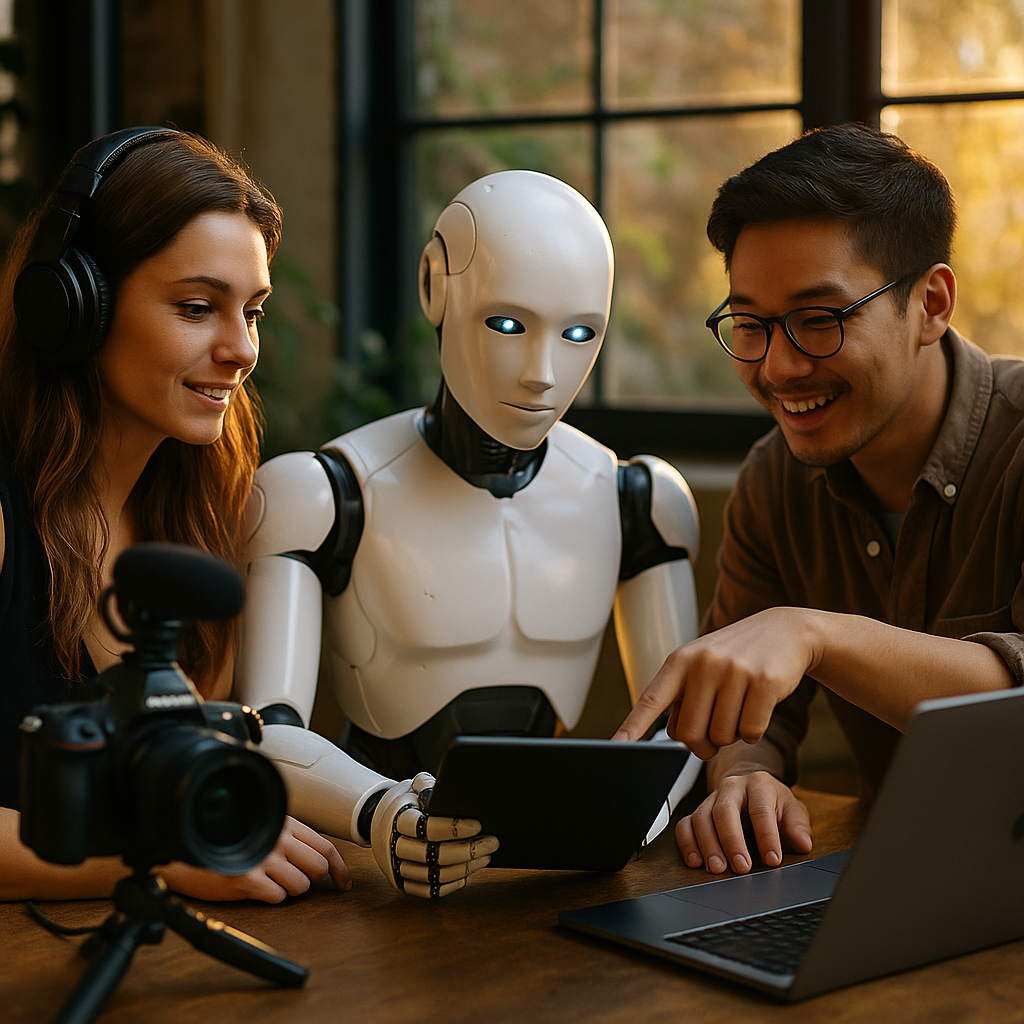
The rise of AI tools that forecast multi-creator synergy is reshaping the way brands, agencies, and creators collaborate online. Leveraging advanced machine learning, these platforms predict which creator partnerships generate the greatest engagement and ROI. Understanding how these intelligent solutions work could give your campaigns a competitive edge. Ready to unlock the future of influencer marketing through synergy prediction?
How AI Tools Transform Creator Collaboration
Collaborations between multiple creators offer exponential audience reach and creativity. However, predicting the outcome of joint campaigns has long relied on guesswork and gut instinct. Modern AI tools, powered by neural networks and data analytics, address this challenge head-on. By analyzing vast datasets—social engagement rates, historical campaign performance, audience overlap, content style, and even sentiment—these platforms anticipate which combinations of creators will drive the highest synergy and campaign success.
AI-powered synergy forecasting enables brands and agencies to:
- Identify the ideal groups of creators for collaboration
- Enhance campaign planning with predictive insights
- Optimize budget allocation for joint efforts
- Track ongoing performance in real-time and adapt strategy
For creators, this technology means data-driven matchmaking and greater opportunity for collective growth. According to a 2025 report by Influencer Marketing Hub, teams using AI-powered forecasting tools saw a 32% higher engagement rate on group content compared to manually matched collaborations.
Core Features of Multi-Creator Synergy Forecasting Tools
The best AI tools for forecasting multi-creator synergy come equipped with a suite of invaluable features. Understanding these can help organizations select the right platform and maximize value:
- Audience Overlap Analysis: Quantifies how unique or overlapping each creator’s followers are, helping teams avoid wasted impressions.
- Content Style Matching: Uses computer vision and natural language processing to compare creators’ tones, aesthetics, and storytelling methods.
- Engagement Predictors: Deploys machine learning to forecast likely engagement metrics for proposed collaborations, adjusting for trends and seasonality.
- Sentiment Tracking: Analyzes how past collaborations have been received, filtering out creators whose previous joint appearances led to negative feedback.
- Real-Time Adaptation: Provides dynamic recommendations as campaigns unfold, so teams can optimize partnerships on the fly.
By leveraging these features, brands develop more cohesive campaign strategies and reduce risk, ensuring that every group activation delivers measurable value.
Top Use Cases for Forecasting Synergy Among Creators
As the creator economy expands, brands and agencies face increasing pressure to innovate with influencer partnerships. Here are several prominent use cases where forecasting multi-creator synergy is essential:
- Product Launches: Group campaigns create buzz and drive cross-platform traction when synergy is high.
- Branded Challenges: Viral trends often rely on coordinated creator pushes; AI helps choose who will work best together.
- Event Promotion: Multicreator teams are vital for hybrid or live events, amplifying each other’s reach.
- Storytelling Series: Multi-part content that spans several creators’ channels relies on compatible aesthetics and narrative approaches.
- Social Impact Initiatives: Achieving genuine engagement for cause-driven campaigns demands careful matchmaking for credibility and reach.
These cases share a need for data-driven pairing, maximizing ROI while minimizing the risk of botched collaborations. The smarter the AI, the more confident teams can be in their activation plans.
Ethical Considerations and Data Privacy in AI-driven Synergy Analysis
AI tools analyzing creator synergy must operate within ethical guidelines—balancing data-driven utility with the privacy rights of both creators and their audiences. Leading platforms in 2025 use robust security protocols, limiting access to sensitive metrics and ensuring all analyses comply with consumer data regulations. Transparent consent and opt-out features are now standard, with clear explanations of how data is collected and used.
Additionally, algorithmic bias is closely monitored. Synergy prediction algorithms are continually audited to prevent potential discrimination based on demographics such as gender, race, or location. As multi-creator campaigns often amplify traditionally underrepresented voices, responsible AI governance safeguards both fairness and creative opportunity. When vetting a synergy forecasting tool, always explore its privacy policy, certification standards, and commitment to ethical AI.
How to Select the Right Synergy Forecasting Platform
Choosing an AI solution that forecasts multi-creator synergy requires careful consideration. Key factors to weigh include:
- Accuracy and Transparency: Does the platform provide explainable predictions and highlight key data points driving recommendations?
- Integration: Can the tool sync seamlessly with your existing influencer management systems and analytics dashboards?
- Customization: Will it adapt to your brand’s unique needs, such as specific audience targets or campaign KPIs?
- Support and Updates: Is there technical support and regular model optimization to keep forecasts current with digital trends?
- Compliance: Is the platform compliant with local and international data privacy standards?
Industry insiders recommend piloting several tools with historical campaign data to benchmark their predictive performance. The right solution should deliver a tangible improvement in outcomes like co-created content engagement, positive sentiment rate, and campaign ROI.
The Future of Multi-Creator Campaigns and AI Innovations
As we move deeper into 2025, AI tools that forecast synergy between creators are set to become foundational to influencer marketing. Future platform features will likely include advanced emotion AI that predicts not just potential reach and engagement, but also the emotional resonance of content collaborations. Deep learning models will increasingly tailor recommendations based not just on current data, but anticipated shifts in platform algorithms and consumer trends.
Meanwhile, brands are already reporting shorter campaign planning cycles and more successful content launches as a direct result of AI-driven synergy analysis. This convergence of creativity and technology is forging a new, data-empowered creator economy—placing human connection and digital intelligence at the center of every campaign.
FAQs About AI Tools That Forecast Multi-Creator Synergy
-
What are AI tools for forecasting multi-creator synergy?
These are platforms powered by artificial intelligence that analyze data from multiple creators to predict which groupings will generate the most effective joint content and highest engagement. -
How accurate are these synergy forecasts?
Major platforms in 2025 report accuracy rates above 85% when predicting group content engagement, thanks to continual model training and access to large datasets. -
Can creators use these tools directly?
Yes, many AI synergy tools offer dashboards for creators, allowing them to identify potential collaborators whose audiences, styles, and metrics align for mutually beneficial partnerships. -
Is data privacy at risk in synergy forecasting?
Top providers enforce strict data privacy standards, including anonymization, opt-in processes, and compliance with regulations such as the GDPR and CCPA. -
Will AI replace human decision-making in creator campaigns?
No—while AI enhances decision-making with predictive and objective analysis, human creativity, intuition, and knowledge of campaign nuance remain vital for success.
Forecasting multi-creator synergy with AI offers brands and creators a proven path to more impactful, data-driven collaborations. By embracing these innovative tools and maintaining a focus on ethical data use, you can elevate your campaigns, drive higher engagement, and stay ahead in the dynamic creator economy of 2025.