


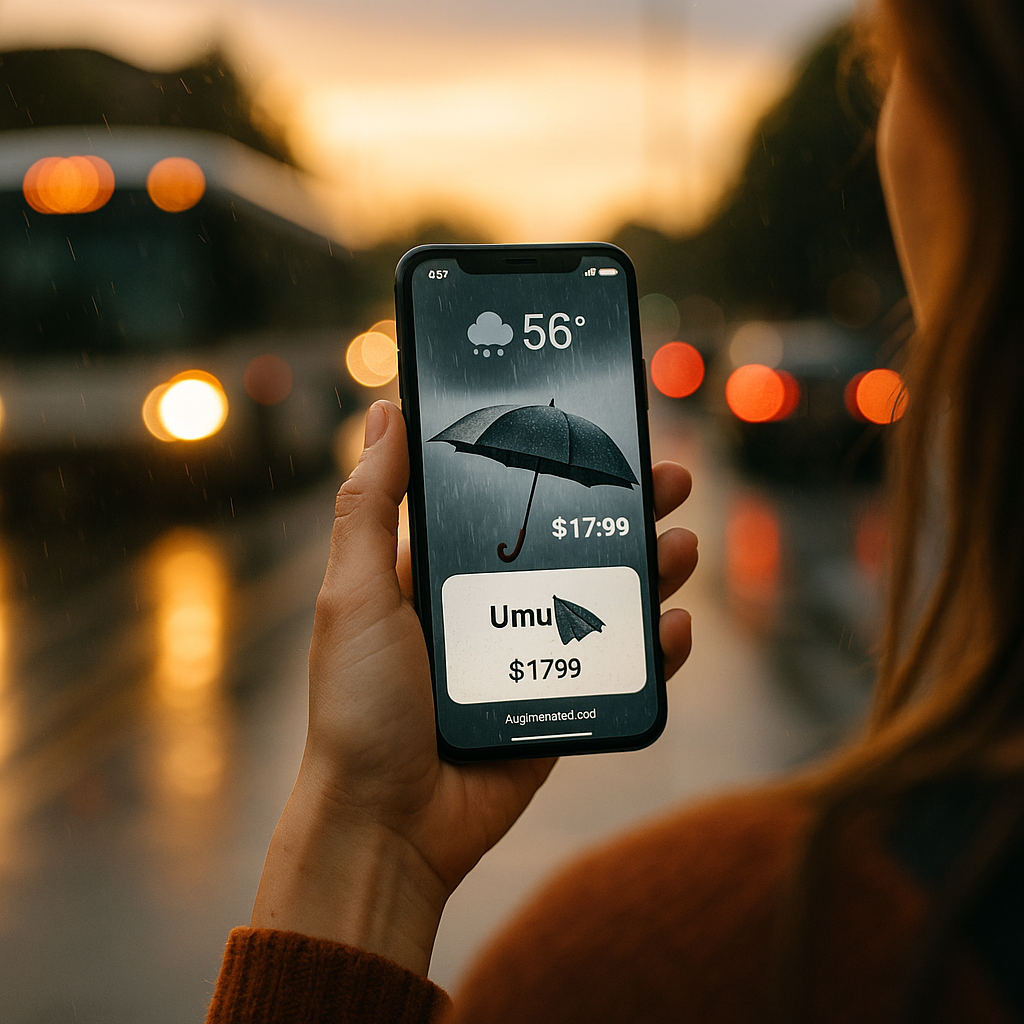
Using AI to personalize dynamic creative based on live weather data is reshaping how brands deliver relevance at scale in 2026. Instead of serving one generic ad, marketers can adapt visuals, copy, offers, and calls to action to match rain, heat, snow, wind, or air quality in real time. The result is timelier messaging, stronger engagement, and smarter media spend. Here is what matters most.
Why weather-based advertising works in modern campaigns
Weather influences attention, mood, mobility, shopping behavior, and immediate needs. A commuter facing heavy rain responds differently from someone spending a sunny afternoon outdoors. That simple truth makes weather one of the most practical contextual signals available to marketers.
Unlike broad audience targeting, weather-based advertising reflects what is happening right now in a user’s environment. AI improves this by deciding which creative variation should appear under specific conditions, locations, devices, and times of day. Instead of manually building a few rainy-day ads, teams can orchestrate thousands of combinations with rules and machine learning.
For example, a food delivery brand might promote comfort meals during cold, wet evenings and lighter items during heatwaves. A retailer can shift from umbrellas and boots to sunscreen and hydration products automatically. A travel app can adjust messaging to suggest indoor attractions on stormy days and outdoor experiences when skies clear.
This approach works best because it matches intent without requiring invasive personalization. The ad feels useful, not overly familiar. That balance supports stronger user trust, which is increasingly important as privacy standards tighten.
From an EEAT perspective, the value is practical and observable. Marketers can directly connect weather triggers to performance metrics such as click-through rate, conversion rate, average order value, store visits, and return on ad spend. When contextual relevance improves, efficiency often follows.
How AI-powered creative optimization turns live data into relevant ads
AI-powered creative optimization combines three core inputs: live weather feeds, audience or media context, and a structured library of creative assets. The system then decides which combination is most likely to perform.
At a basic level, this can run on deterministic rules. If temperature exceeds a threshold, show summer imagery. If precipitation probability rises above a set percentage, swap headline and product selection. But in 2026, leading teams go further. They use predictive models to learn which combinations drive results by region, time, device, and campaign objective.
That means AI can identify patterns humans may miss. Light rain in one city may lift grocery delivery demand, while the same condition elsewhere may have little impact. A cold morning may increase coffee app orders on mobile but not desktop. Windy conditions may matter for outerwear, while humidity can influence beauty product messaging.
Dynamic decisioning usually includes:
- Condition mapping: temperature, rain, snow, UV, pollen, humidity, wind, air quality, and severe weather alerts
- Creative variables: headlines, descriptions, product sets, backgrounds, animation, colors, and calls to action
- Business signals: inventory, pricing, delivery windows, store hours, and promotion eligibility
- Performance feedback: engagement, conversions, assisted revenue, and creative fatigue indicators
AI then scores or selects the best ad version in the moment. Some systems use templated assets with modular copy and visuals. Others integrate generative AI carefully for text variations, image adaptation, or localization. In either case, human review remains essential. Brand safety, legal compliance, and creative quality should never be left entirely to automation.
A common question is whether this requires a huge martech stack. Not necessarily. Many teams start with a weather API, a dynamic creative platform, and a small matrix of approved assets. AI becomes more powerful as testing data accumulates, but the first step is simply connecting live conditions to clear creative decisions.
Building a strong dynamic creative optimization framework
Dynamic creative optimization succeeds when the strategy is disciplined. Too many brands overcomplicate the setup and end up with a large asset library but no clear testing logic. A better path is to begin with a limited number of weather moments that directly affect customer behavior.
Start by identifying products or services with obvious environmental demand shifts. Then map those shifts to measurable business actions. Ask:
- Which weather conditions materially change customer needs?
- Which locations react differently to the same condition?
- Which creative elements are most likely to influence action?
- What operational factors, such as stock or delivery times, must be reflected?
Once that is clear, build a creative matrix. Each weather scenario should have approved combinations of copy, imagery, product feeds, and calls to action. Keep the matrix manageable at first. A simple framework might include hot, cold, rainy, snowy, and severe-weather scenarios, then expand as results justify it.
Best practice is to separate what AI can choose from what the brand must control. For example:
- Fixed brand guardrails: logo usage, legal language, prohibited claims, pricing rules
- Variable elements: headline phrasing, featured product category, background image, CTA wording
- Optimization logic: weather conditions, geo, device, audience segment, time window, bid strategy
Creative QA matters. A rainy-day headline paired with sunny imagery erodes trust instantly. So does promoting products unavailable in a specific area. The most effective frameworks connect dynamic creative to live inventory and fulfillment data, not weather alone.
It is also smart to define “no-serve” conditions. During dangerous storms, emergency alerts, or sensitive regional events, some brands should pause advertising or switch to service-focused messaging. Relevance is valuable, but judgment is part of trustworthy marketing.
Best data sources for real-time weather targeting and measurement
Real-time weather targeting depends on reliable data infrastructure. If the weather feed is delayed, coarse, or inaccurate at the local level, personalization can feel wrong. The ideal setup uses granular weather signals tied to the user’s approximate location or the campaign’s geographic target areas.
Marketers should evaluate data sources based on:
- Update frequency: how often current conditions and forecasts refresh
- Geographic precision: national, regional, city-level, postal code, or coordinates
- Signal breadth: beyond temperature and rain, including UV, pollen, snowfall, humidity, and air quality
- Historical access: needed for back-testing and model training
- Latency and reliability: critical for programmatic and rapid creative swaps
Forecast data can be useful, but current observations are often more reliable for immediate ad decisions. In some categories, short-range forecasts also help. A home services brand may want to increase visibility before a cold snap rather than after it begins. The right choice depends on the buying window.
Measurement should go beyond top-line clicks. To understand incremental value, compare weather-responsive creative against control groups that use generic messaging. Break down results by condition, geography, device, and audience. Some teams also use media mix modeling or geo-based lift tests to estimate impact on offline sales.
Attribution can become tricky when weather itself changes demand. For example, ice cream sales may rise during heat regardless of advertising. That is why experimental design matters. The goal is to isolate the effect of the personalized creative, not just the effect of the weather event.
Useful KPIs include:
- CTR and view-through engagement to assess message relevance
- Conversion rate to measure downstream efficiency
- Revenue per impression for practical business impact
- Cost per acquisition by weather condition and geo cluster
- Creative fatigue rate to monitor variation quality over time
Trustworthy reporting should always note data limitations. If location is inferred rather than precise, say so. If severe weather caused logistics issues, account for that in interpretation. Clear methodology strengthens credibility with stakeholders.
Common use cases for contextual ad personalization across industries
Weather-responsive contextual ad personalization is not limited to one vertical. It works anywhere environmental conditions influence need, urgency, comfort, safety, or convenience.
Retail: apparel, footwear, home goods, and beauty brands can promote seasonally relevant products in sync with local conditions. The key is matching actual weather, not the calendar. A warm spell in winter can justify a different product mix than the seasonal merchandising plan suggests.
Food and delivery: restaurants and grocery services benefit from immediate weather shifts. Rain can lift delivery demand. Heat can increase hydration and frozen product interest. Cold mornings can favor breakfast offers. AI can also balance promos with delivery capacity.
Travel and mobility: travel apps, public transit tools, rideshare, and local tourism brands can adapt messaging around disruptions or opportunity. If storms reduce outdoor plans, indoor alternatives become more relevant. If conditions are ideal, destination discovery ads can lean into spontaneity.
CPG: beverage, skincare, allergy relief, and household product brands are natural fits. High UV can support sunscreen messaging. Pollen spikes can trigger allergy-related creative. Humidity can influence haircare positioning. These are practical contexts consumers understand instantly.
Automotive and home services: tire safety, battery checks, HVAC maintenance, gutter cleaning, and emergency repair services all align closely with weather events. The creative should be especially precise here. Overstated urgency can damage trust, while helpful timing can drive strong response.
Streaming and entertainment: indoor behavior often changes with rain, cold, or poor air quality. Campaigns can emphasize cozy viewing, family movie nights, or live sports when users are more likely to stay home.
Across these use cases, the principle remains the same: do not personalize for novelty alone. Personalize to reduce friction, improve usefulness, or highlight timely value.
How to protect trust with privacy-safe personalization and brand governance
Privacy-safe personalization matters because contextual relevance should not feel intrusive. Weather is a strong signal partly because it is environmental, not deeply personal. Brands can use it to improve ad usefulness without leaning too heavily on sensitive individual data.
In practice, this means keeping the user experience transparent and respectful. Avoid copy that implies exact knowledge of a person’s situation. “Rainy commute? Order dinner in” feels contextual. “We know you are stuck at home in the storm” feels invasive.
Governance should include:
- Approved messaging boundaries: no fear-based or manipulative weather language
- Regional sensitivity checks: special handling for disasters, evacuations, and emergencies
- Human review workflows: especially for generative text or image variants
- Accessibility standards: readable contrast, text alternatives, and clear CTA hierarchy
- Data minimization: use only the location precision necessary to deliver relevance
Brands should also document how weather triggers are defined and how creative decisions are made. This improves internal accountability and makes optimization easier. If a campaign underperforms, teams can inspect the logic rather than guessing.
Another follow-up question marketers often ask is whether AI-generated creative can be trusted in regulated categories. It can be used, but only with stricter controls. Pre-approved templates, locked legal copy, and audit logs are essential. In finance, health, and insurance, review standards must be higher because wording can carry legal consequences.
Ultimately, trust is earned through restraint and accuracy. If the weather signal helps the brand be more useful, users notice. If it feels gimmicky or opportunistic, performance usually declines just as quickly as credibility.
FAQs about AI marketing personalization
What is dynamic creative based on live weather data?
It is an advertising approach where AI or rules automatically change ad elements such as headline, image, product selection, or CTA based on current weather conditions in a user’s area.
Why is weather a valuable personalization signal?
Weather changes behavior in immediate, measurable ways. It affects what people need, where they go, how they travel, and what they are likely to buy. That makes it one of the strongest contextual signals for timely messaging.
Does this require personal data to work?
No. Many campaigns use location-level weather signals without relying on sensitive personal data. That makes weather-based personalization a practical privacy-safe tactic when implemented carefully.
Which industries benefit most from weather-triggered ads?
Retail, food delivery, travel, CPG, home services, automotive, and entertainment often see the clearest gains because weather can directly influence urgency and product relevance.
How often should creative update?
That depends on the campaign and the weather feed. Some campaigns refresh hourly, while others update when a threshold is crossed, such as rain starting, temperature spiking, or air quality worsening.
Can generative AI create the ad variants automatically?
Yes, but it should operate inside strict brand and legal guardrails. Most teams get better results by combining human-approved templates with AI-assisted variation rather than fully unrestricted generation.
What is the biggest mistake brands make?
They build too many variants without a clear testing strategy. Start with a small number of high-impact weather scenarios, validate performance, then expand.
How do you measure success accurately?
Use control groups, condition-level reporting, and business KPIs such as conversion rate, revenue per impression, and cost per acquisition. This helps separate the effect of the ad from the effect of the weather itself.
Is forecast data or current weather better?
Current weather is usually best for immediate personalization. Forecasts are useful when customer decisions happen before the event, such as travel planning or preventive home services.
Can weather-based creative hurt a brand?
Yes, if it appears insensitive during severe weather or emergencies, or if the ad feels inaccurate and exploitative. Strong governance and human review reduce that risk.
AI and live weather data give marketers a powerful way to make dynamic creative more useful, timely, and efficient in 2026. The winning approach is not complexity for its own sake. It is disciplined testing, reliable data, strong brand guardrails, and context that genuinely helps the audience. Start with a few high-impact weather triggers, measure incrementality carefully, and scale what proves relevance.