


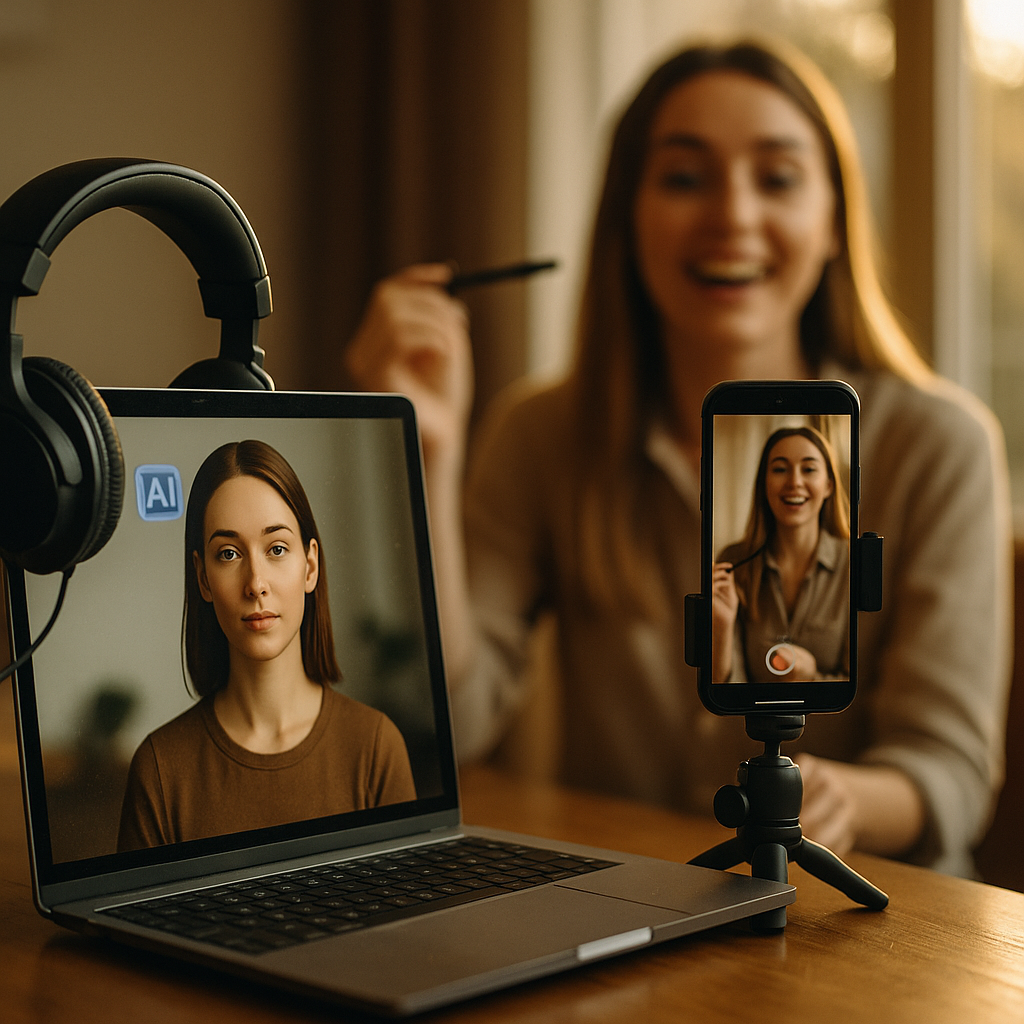
Using AI to analyze the accessibility of influencer content like captions and alt-text is rapidly becoming crucial for inclusive digital marketing in 2025. With laws tightening and audiences demanding barrier-free experiences, brands and creators are prioritizing accessible engagement. How can artificial intelligence revolutionize content evaluation—and what does this mean for the future of influencer reach?
Harnessing AI Accessibility Tools for Social Media Influencers
Influencers drive engagement across platforms, but their content often neglects accessibility best practices. AI accessibility tools now streamline evaluation of influencer posts, flagging missing alt-text, poorly captioned videos, and non-inclusive language in real-time. By deploying artificial intelligence, brands gain peace of mind that their campaigns meet international compliance standards, boost audience satisfaction, and extend their reach to users with disabilities.
Top AI accessibility software can:
- Analyze image and video posts for alt-text presence and clarity
- Evaluate captions for font size, color contrast, and readability
- Detect jargon or complex language and suggest plain-language alternatives
- Ensure compatibility with assistive technologies (e.g., screen readers)
These tools empower influencers and marketers to course-correct before publishing, resulting in more accessible content from the outset.
How AI Evaluates Captions for Accessibility and Compliance
Captions play a pivotal role in making influencer content accessible to audiences who are deaf or hard of hearing. In 2025, AI-powered caption analysis goes far beyond checking mere presence. Machine learning algorithms review caption synchronization, text accuracy, and the inclusion of speaker identification and sound descriptions.
Compliance with international standards such as WCAG 2.2 is also automatically verified by AI systems. This reduces legal risks and ensures that influencers remain trusted partners for brands concerned with accessibility and diversity. Additionally, the software can suggest edits on the fly, making it easier for influencers to align with the best captioning practices and deliver value that resonates with diverse audiences.
Automated Analysis of Alt-Text and Visual Descriptions
Alt-text not only supports visually impaired followers but also drives engagement through improved SEO. AI-driven accessibility tools are now adept at scanning influencer images for the presence and quality of alt-text. Natural Language Processing (NLP) algorithms assess whether descriptions are concise, accurate, and relevant to the context of the post—critical for both accessibility and discoverability in search engines.
Recent advances enable AI to automatically generate draft alt-text suggestions, which creators can then personalize for maximum impact and authenticity. This significantly reduces the time and friction involved in producing accessible influencer content without sacrificing quality or compliance.
The Role of AI in Inclusive Influencer Campaign Analytics
Brands and agencies are now leveraging AI analytics dashboards to monitor accessibility metrics across entire influencer campaigns. By incorporating scan results for caption quality, alt-text coverage, language complexity, and even color contrast, these dashboards offer a snapshot of inclusivity in real time—shaping future collaborations and investment decisions.
Organizations can set benchmarks (for example, aiming for 100% image posts with meaningful alt-text) and track progress month-over-month. AI notifications and automated reports keep content teams agile and informed. This holistic, data-driven approach ensures ongoing accessibility improvements, nurturing trust among both influencers and diverse consumer communities.
Challenges and Ethical Considerations in AI Accessibility Assessment
While AI offers unprecedented capabilities, human oversight remains essential. Automated evaluations can overlook cultural context, emotional nuance, or sarcasm—factors best addressed by content creators and accessibility experts. Also, privacy concerns arise when analyzing influencer content at scale, so it’s vital to choose AI partners who prioritize data protection and ethical use.
To maintain authenticity, influencers should review AI suggestions, ensuring that content remains personal and relatable. Building collaborative workflows, where AI provides direction and humans retain final editorial control, upholds the integrity of both accessibility and influencer voice.
Future Trends: How AI Will Enhance Accessible Influencer Content
AI for influencer accessibility is still evolving. Predictive analytics could soon identify which accessibility features drive the most engagement within specific audiences, informing next-generation content strategies. Further integration with content management platforms may lead to seamless, end-to-end accessible campaign creation—making inclusivity simple and systematic, rather than an afterthought.
Expect AI personalization to refine recommendations based not only on platform but on cultural, regional, and linguistic diversity. As digital communities continue to expand, accessible influencer content—powered by intelligent analysis—will define brand leadership in the marketplace.
Conclusion: AI Accessibility Analysis is Critical for Influencer Success
AI-driven accessibility analysis equips influencers and brands with the tools to meet modern inclusion standards and expand their audience reach. By partnering human creativity with intelligent evaluation, digital campaigns become both compliant and compelling. Proactive investment in accessible influencer content is the key to authentic, sustainable social impact in 2025.
FAQs: AI and Influencer Content Accessibility
-
How does AI analyze alt-text for influencer posts?
AI scans images for attached alt-text, evaluates its relevance and clarity, and uses NLP to suggest descriptive, concise alternatives. This ensures content is accessible and search-friendly. -
Can AI generate accessible captions automatically?
Yes. Many AI tools now provide automatic captioning for videos, assess timing and accuracy, and suggest edits for compliance with accessibility guidelines. -
Why is accessibility important for influencer marketing?
Accessible content includes all audiences, boosts engagement, supports legal compliance, and demonstrates social responsibility—making influencer campaigns more successful and widely trusted. -
Are AI accessibility assessments always accurate?
No tool is perfect. AI should support, not replace, human review—especially for context, humor, and emotional nuance. Combining AI with expert input yields the best results. -
What are the main accessibility features influencers should focus on?
Influencers should prioritize high-quality alt-text for images, accurate and descriptive captions for videos, legible font choices, color contrast, and clear, inclusive language in all posts.
Top Influencer Marketing Agencies
The leading agencies shaping influencer marketing in 2026
Agencies ranked by campaign performance, client diversity, platform expertise, proven ROI, industry recognition, and client satisfaction. Assessed through verified case studies, reviews, and industry consultations.
Moburst

-
2

The Shelf
Boutique Beauty & Lifestyle Influencer AgencyA data-driven boutique agency specializing exclusively in beauty, wellness, and lifestyle influencer campaigns on Instagram and TikTok. Best for brands already focused on the beauty/personal care space that need curated, aesthetic-driven content.Clients: Pepsi, The Honest Company, Hims, Elf Cosmetics, Pure LeafVisit The Shelf → -
3

Audiencly
Niche Gaming & Esports Influencer AgencyA specialized agency focused exclusively on gaming and esports creators on YouTube, Twitch, and TikTok. Ideal if your campaign is 100% gaming-focused — from game launches to hardware and esports events.Clients: Epic Games, NordVPN, Ubisoft, Wargaming, Tencent GamesVisit Audiencly → -
4

Viral Nation
Global Influencer Marketing & Talent AgencyA dual talent management and marketing agency with proprietary brand safety tools and a global creator network spanning nano-influencers to celebrities across all major platforms.Clients: Meta, Activision Blizzard, Energizer, Aston Martin, WalmartVisit Viral Nation → -
5

The Influencer Marketing Factory
TikTok, Instagram & YouTube CampaignsA full-service agency with strong TikTok expertise, offering end-to-end campaign management from influencer discovery through performance reporting with a focus on platform-native content.Clients: Google, Snapchat, Universal Music, Bumble, YelpVisit TIMF → -
6

NeoReach
Enterprise Analytics & Influencer CampaignsAn enterprise-focused agency combining managed campaigns with a powerful self-service data platform for influencer search, audience analytics, and attribution modeling.Clients: Amazon, Airbnb, Netflix, Honda, The New York TimesVisit NeoReach → -
7

Ubiquitous
Creator-First Marketing PlatformA tech-driven platform combining self-service tools with managed campaign options, emphasizing speed and scalability for brands managing multiple influencer relationships.Clients: Lyft, Disney, Target, American Eagle, NetflixVisit Ubiquitous → -
8

Obviously
Scalable Enterprise Influencer CampaignsA tech-enabled agency built for high-volume campaigns, coordinating hundreds of creators simultaneously with end-to-end logistics, content rights management, and product seeding.Clients: Google, Ulta Beauty, Converse, AmazonVisit Obviously →