


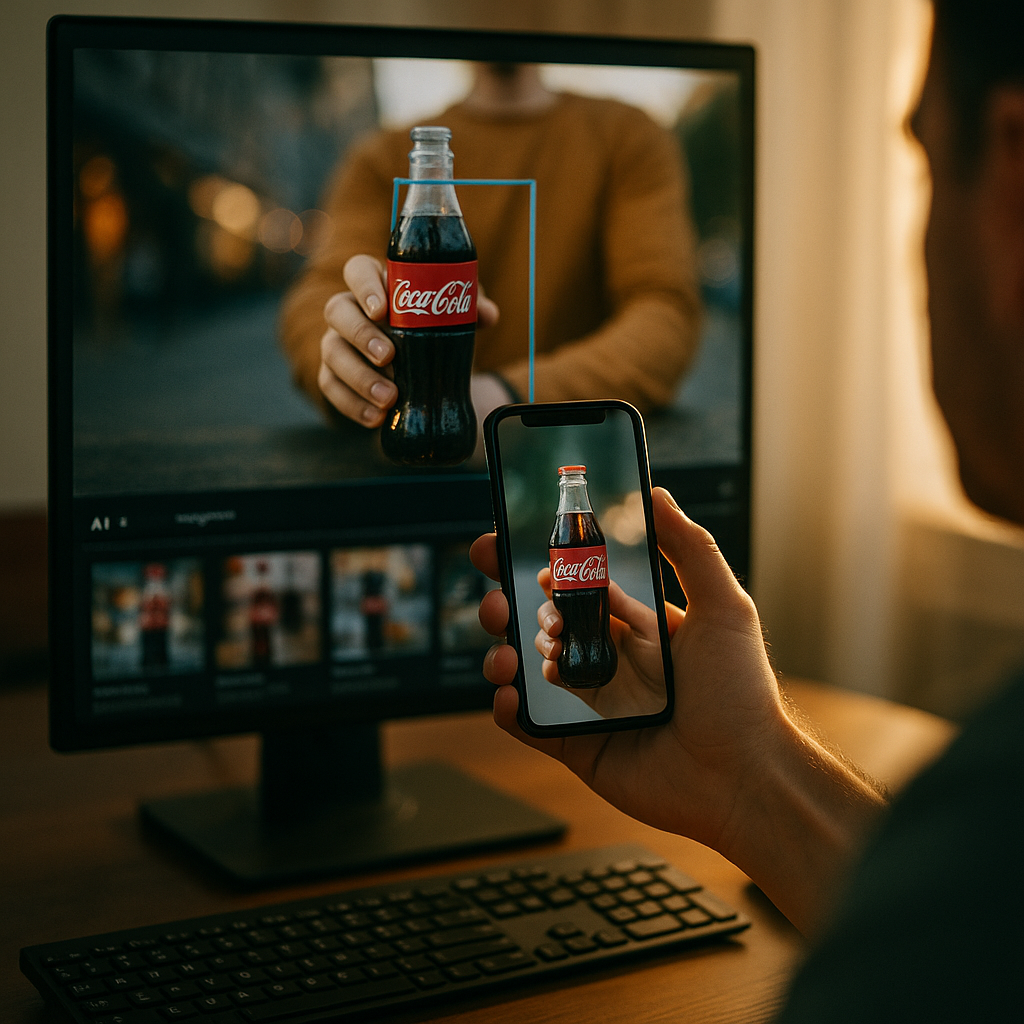
AI-powered image recognition for tracking un-tagged brand mentions has revolutionized how businesses monitor their digital presence. By harnessing cutting-edge computer vision, brands can now capture valuable visual mentions—without needing explicit tags or hashtags. Are you ready to discover how this technology uncovers hidden brand conversations and transforms digital brand management?
Understanding AI-Powered Image Recognition for Brand Monitoring
AI-powered image recognition leverages advances in machine learning and deep convolutional neural networks to analyze and interpret visual content. Unlike traditional name or hashtag-based detection, visual analysis can identify logos, product shapes, packaging, and even contextual brand placement, offering an extensive net for brand monitoring. As visual data becomes the norm—think Instagram, TikTok, and emerging AR/VR platforms—brands risk losing visibility without the ability to track un-tagged mentions.
Recent forecasts indicate that by 2025, visual content will account for over 80% of all consumer data shared online. Such growth fuels the need for automated recognition systems capable of scanning billions of images daily, picking up relevant brand signals wherever they appear. This level of detection helps brands protect reputation, enhance engagement, and respond swiftly to viral moments, positive or negative.
How AI Image Analysis Uncovers Un-tagged Brand Mentions
Modern AI image recognition systems go far beyond logo detection. Today’s algorithms combine object recognition, context analysis, and image text extraction. For instance, algorithms can spot partial logos, items in poor lighting, altered packaging, or even branded products in user-generated videos. AI then cross-references these findings against brand libraries, enabling the detection of subtle, otherwise-missed references.
Example: If a beauty influencer showcases a moisturizer in a ‘morning routine’ video without tagging the brand, AI-driven tools can visually parse the bottle design or typography, alerting the brand to this valuable mention.
- Logo detection: Finds exact or approximate logo appearances.
- Product and feature matching: Identifies distinctive product shapes, colors, or package elements.
- Contextual analysis: Weighs the visual scene to judge the likelihood and relevance of a brand reference.
This comprehensive detection fills the critical gap left by traditional text- or hashtag-dependent monitoring, granting brands maximal visibility into customer conversations.
Key Benefits of Automated Visual Brand Mention Tracking
Using AI to track un-tagged brand mentions introduces measurable benefits across several business areas:
- Brand Reputation Management: Instantly identifying mentions—positive or negative—of your brand’s visual assets allows you to swiftly address crises, share positive stories, and manage emerging narratives with agility.
- Competitive Intelligence: Track how your brand compares visually to your competitors in terms of online presence, share of voice, and consumer sentiment. AI tools make it possible to benchmark visual visibility against industry leaders.
- Campaign Performance Analysis: Gauge which assets resonate the most by analyzing which products, packaging, or visual cues drive the greatest engagement—even without explicit tags.
- Influencer and Advocacy Discovery: Identify influential fans and organic advocates who post inspiring brand-related content without formal brand partnerships.
- Intellectual Property Protection: Detect unauthorized or counterfeit product images, mitigating brand abuse and potential legal risks.
According to the latest industry survey by Visual Insight Analytics (2025), brands employing robust AI-driven image recognition saw a 22% improvement in brand safety metrics versus those relying solely on text-based monitoring platforms.
Implementing AI Image Recognition: Challenges and Solutions
While the advantages are substantial, deploying AI-powered image recognition for brand monitoring comes with notable challenges. Data privacy, algorithmic bias, false positives, and the sheer scale of data processing require careful planning and trustworthy partners.
- Data Privacy Concerns: Always choose technology providers who comply with today’s stringent data privacy and security regulations.
- Model Accuracy: Algorithms must accommodate diverse contexts, filtered images, and rapid product iterations to minimize missed or misattributed mentions.
- Content Volume: Billions of new images are uploaded daily. Scalable, cloud-based AI platforms are essential for real-time, global brand tracking.
- Integration: A successful deployment includes seamless integration with social listening, CRM, and analytics suites to unlock comprehensive business value.
Addressing these challenges demands a vendor with a demonstrated track record, transparent reporting, and ongoing investment in AI improvements. Periodic model retraining and leveraging labeled image datasets also enhance recognition accuracy and minimize bias.
Emerging Opportunities: Future Trends in Visual Brand Tracking
AI’s capabilities for brand monitoring are rapidly expanding in 2025. The rise of video-first social platforms and immersive environments—like metaverse spaces and augmented reality commerce—are driving demand for smarter, real-time visual analysis tools. Expect the following trends to shape the field:
- Real-Time Video Monitoring: Tracking brand appearances frame-by-frame in live streams and short-form videos for immediate sentiment analysis and response.
- Multimodal AI Fusion: Combining image, audio, and text analytics for holistic, context-aware brand monitoring—essential for complex or ambiguous content.
- Personalization: Tailoring marketing and customer engagement based on detected visual preferences, helping brands deliver hyper-personalized outreach.
- Automated Reporting: Actionable insights delivered via dashboards, highlighting trends, reputation risks, or viral opportunities.
As visual AI grows, the frontier will be real-time, cross-channel analysis with actionable business insights, requiring brands to invest in next-gen tools to maintain visibility and relevance.
Best Practices for Extracting Maximum Value from Visual Mention Tracking
To fully capture the impact of AI-powered image recognition for tracking un-tagged brand mentions, brands should:
- Define clear objectives: Establish measurable KPIs for brand visibility, engagement, and sentiment based on visual assets.
- Integrate visual monitoring with other data sources: Cross-reference visual findings with social, web, and customer data for a unified brand view.
- Regularly update and retrain recognition models: Keep pace with changing product designs, evolving customer preferences, and new visual trends.
- Empower rapid response teams: Ensure marketing, PR, and customer support can react quickly to emerging visual mentions, whether positive or negative.
- Respect privacy and ethical standards: Use transparent consent practices and partner with EEAT-compliant providers to build consumer trust.
Following these best practices positions brands to leverage image recognition as a proactive tool, not just a reactive tactic, in the 2025 digital landscape.
FAQs: AI-Powered Image Recognition for Tracking Un-tagged Brand Mentions
-
What is AI-powered image recognition for brand mentions?
AI-powered image recognition uses machine learning to identify your brand’s visual elements—like logos or products—in online images and videos, even if users don’t tag or mention your brand in text. -
Can AI really find my brand if there’s no tag or hashtag?
Yes. Advanced AI can spot unique logo patterns, packaging, and visual cues—even in altered or obscured images—making textual tags unnecessary for detection. -
Where does image recognition work best for brand tracking?
Image recognition is most effective on visual-first platforms like Instagram, TikTok, and Pinterest, as well as emerging video and metaverse environments. -
Is image recognition legal and ethical for brand monitoring?
When used with proper privacy safeguards and within platform policies, image recognition is both legal and ethical. Choose vendors who prioritize compliance and consent. -
How does this technology help my brand respond faster?
It provides real-time alerts on visual brand mentions, so you can quickly address customer concerns, seize marketing opportunities, or combat negative stories.
AI-powered image recognition for tracking un-tagged brand mentions is reshaping how brands protect and grow their digital presence. In 2025’s visual-first online world, leveraging smart visual analytics ensures you capture every story, maximize engagement, and stay ahead of reputation risks—no tag required.
Top Influencer Marketing Agencies
The leading agencies shaping influencer marketing in 2026
Agencies ranked by campaign performance, client diversity, platform expertise, proven ROI, industry recognition, and client satisfaction. Assessed through verified case studies, reviews, and industry consultations.
Moburst

-
2

The Shelf
Boutique Beauty & Lifestyle Influencer AgencyA data-driven boutique agency specializing exclusively in beauty, wellness, and lifestyle influencer campaigns on Instagram and TikTok. Best for brands already focused on the beauty/personal care space that need curated, aesthetic-driven content.Clients: Pepsi, The Honest Company, Hims, Elf Cosmetics, Pure LeafVisit The Shelf → -
3

Audiencly
Niche Gaming & Esports Influencer AgencyA specialized agency focused exclusively on gaming and esports creators on YouTube, Twitch, and TikTok. Ideal if your campaign is 100% gaming-focused — from game launches to hardware and esports events.Clients: Epic Games, NordVPN, Ubisoft, Wargaming, Tencent GamesVisit Audiencly → -
4

Viral Nation
Global Influencer Marketing & Talent AgencyA dual talent management and marketing agency with proprietary brand safety tools and a global creator network spanning nano-influencers to celebrities across all major platforms.Clients: Meta, Activision Blizzard, Energizer, Aston Martin, WalmartVisit Viral Nation → -
5

The Influencer Marketing Factory
TikTok, Instagram & YouTube CampaignsA full-service agency with strong TikTok expertise, offering end-to-end campaign management from influencer discovery through performance reporting with a focus on platform-native content.Clients: Google, Snapchat, Universal Music, Bumble, YelpVisit TIMF → -
6

NeoReach
Enterprise Analytics & Influencer CampaignsAn enterprise-focused agency combining managed campaigns with a powerful self-service data platform for influencer search, audience analytics, and attribution modeling.Clients: Amazon, Airbnb, Netflix, Honda, The New York TimesVisit NeoReach → -
7

Ubiquitous
Creator-First Marketing PlatformA tech-driven platform combining self-service tools with managed campaign options, emphasizing speed and scalability for brands managing multiple influencer relationships.Clients: Lyft, Disney, Target, American Eagle, NetflixVisit Ubiquitous → -
8

Obviously
Scalable Enterprise Influencer CampaignsA tech-enabled agency built for high-volume campaigns, coordinating hundreds of creators simultaneously with end-to-end logistics, content rights management, and product seeding.Clients: Google, Ulta Beauty, Converse, AmazonVisit Obviously →