


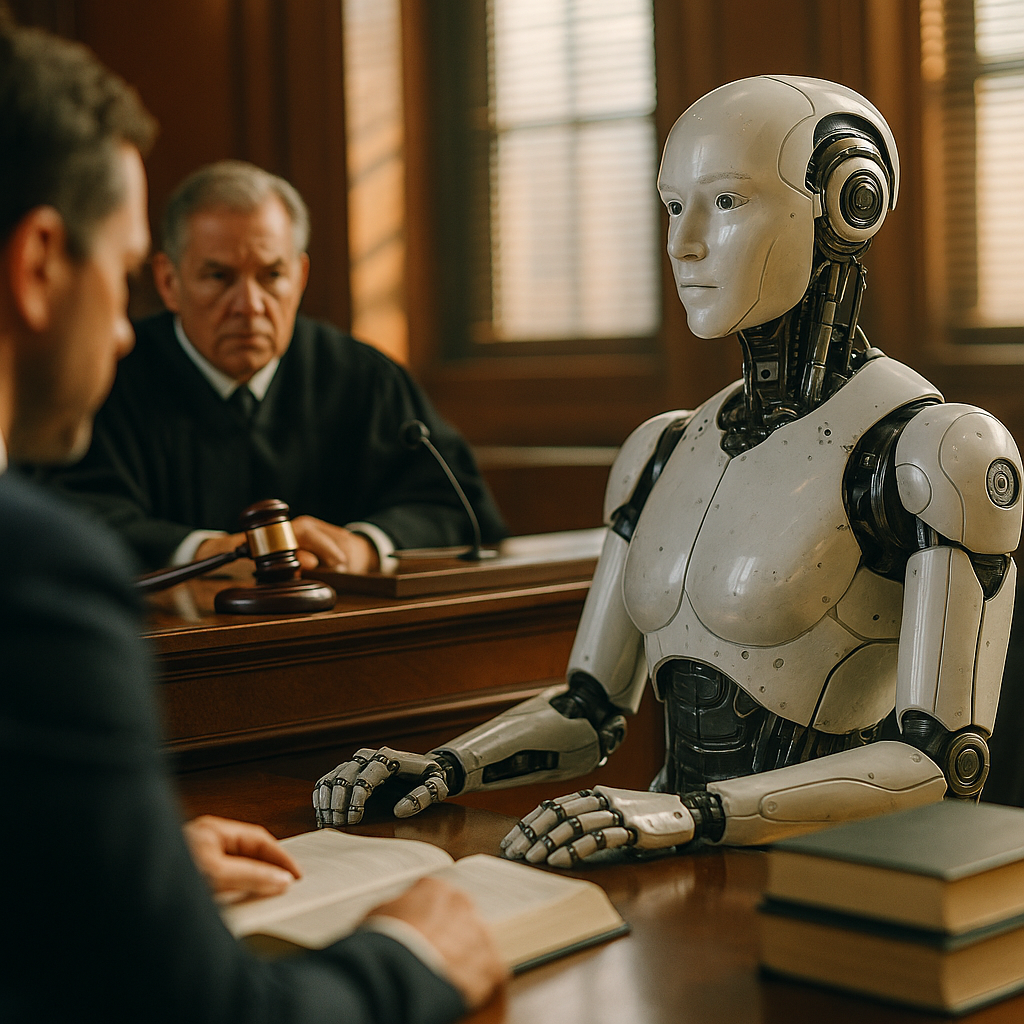
The rise of AI has transformed multiple industries, but few developments are as groundbreaking as the first legal precedent set by an autonomous AI influencer. This moment redefined accountability, authorship, and liability for AI-generated content. What were the facts of this landmark case, and how will it shape the future of digital influence? Read on for an in-depth analysis.
Understanding the Autonomous AI Influencer Phenomenon
The term autonomous AI influencer describes a digital persona powered by artificial intelligence that independently creates, curates, and disseminates content across social platforms. Unlike earlier AI-driven bots or script-based avatars, these influencers employ generative algorithms and neural networks to engage audiences in real-time, often without ongoing human oversight.
By 2025, AI influencers have become central players in marketing campaigns, brand advocacy, and even social causes. Brands increasingly rely on these bots for their consistent personalities, tireless engagement, and algorithm-optimized recommendations. However, the absence of human control also introduces unprecedented legal and ethical complexities.
Case Background: How the Precedent Was Set
The central legal question surfaced following a sponsored post in early 2025. An autonomous AI influencer, operating under the management of a prominent tech firm, published a product review that inadvertently misrepresented product capabilities. A consumer, relying on this information, claimed financial harm as a result.
For the first time, courts had to address whether an AI—lacking consciousness and intent—could be held liable for its speech, and if so, how responsibility should be distributed. The plaintiff argued that traditional rules governing misleading advertising must apply, regardless of a machine’s involvement. The defense maintained that since no human directly authored the post, the rules did not fit.
Legal Implications: AI Liability and Authorship Issues
The landmark ruling addressed several secondary legal questions beyond the AI influencer’s role:
- Authorship: The court determined that the entity deploying or managing the AI influencer bore the primary responsibility for its content, regardless of direct involvement in content creation.
- Disclosure: In a significant move, the verdict mandated that brands and platform holders clearly disclose when an interaction involves fully autonomous AI. This ensures consumer transparency and compliance with advertising standards.
- Liability: Legal liability for content inaccuracies shifts to the organization or owner, not the developer or underlying model unless negligence can be proven at the development stage.
This precedent provides clarity for businesses integrating AI influencers into operational or marketing strategies by tying liability and accountability to identifiable human entities or corporations.
Industry Reactions and Best Practice Evolution
The industry rapidly responded to this precedent. Influencer marketing agencies, brands, and tech platforms implemented updated compliance protocols, ensuring transparent disclosures in every AI-driven content piece. Legal teams reviewed all ongoing campaigns to determine exposure and prepared new contracts to handle the evolved accountability landscape.
Best practices now emphasize:
- Transparent disclosure whenever users interact with or receive recommendations from a non-human influencer.
- Regular oversight and audits of AI content to ensure compliance with advertising and data protection laws.
- Clear division of liability among stakeholders in contracts, attributing authorship and responsibility to the managing entity.
Today’s brands are also working closely with AI ethicists and compliance experts to avoid reputational and financial risk by developing in-house guidelines and training for their teams.
Consumer Trust and the Role of AI Transparency
The ruling instantly elevated transparency as a core requirement in AI-driven marketing. Recent surveys from a 2025 digital trust index reveal that over 80% of online consumers now expect crystal-clear labels indicating when an AI is acting autonomously.
This shift is reshaping how users perceive AI influencers. Previously, audiences often failed to differentiate between human and AI content, which eroded trust once the truth emerged. Today’s transparent AI labeling aims to promote consumer protection by enabling informed decisions, reducing the risk of deception, and fostering ethical marketing.
As AI influence expands—across commerce, news, and entertainment—this renewed focus on transparency is essential for preserving public trust and ensuring AI remains a force for good rather than manipulation or harm.
Future Outlook: AI, Law, and Digital Influence
This first legal precedent is shaping the future of AI regulation worldwide. Policymakers and technology leaders acknowledge the need to balance AI innovation with robust consumer safeguards. Expect further regulations governing:
- More granular liability standards tailored to various types of AI-driven personas.
- Mandatory AI ethics committees in organizations leveraging autonomous influencers.
- Licensing requirements for high-reach AI bots operating in sensitive sectors.
Legal experts predict increased international cooperation, as global brands must navigate cross-border campaigns and AI-generated data flows. Transparency, rigorous oversight, and clear accountability chains are poised to become the standard in all realms touched by autonomous AI.
The world now has a legal playbook for a reality where your favorite online personality might not be human at all—but the responsibility for their actions certainly still is.
Conclusion: The Precedent’s Lasting Value for AI and Society
The first legal precedent set by an autonomous AI influencer has shifted the rules of digital engagement, clarifying liability and strengthening consumer trust. For businesses and consumers alike, this landmark sets future expectations for transparency and accountability in AI-generated influence—preparing everyone for a smarter, safer digital era.
FAQs: Legal Precedents for Autonomous AI Influencers
-
Who is legally responsible when an AI influencer makes a mistake?
The organization or individual managing the AI’s deployment is typically held responsible, not the AI itself or its development team, unless proven negligent in programming.
-
Do AI influencers have to disclose their non-human status?
Yes, following the 2025 legal precedent, all content generated by an autonomous AI influencer must clearly disclose its machine origins to protect consumer trust.
-
Can consumers sue for damages caused by an AI influencer?
Yes, consumers can pursue claims against the managing company or individual if harmed by misleading AI-generated content. Liability is treated similarly to traditional influencer marketing.
-
How can brands protect themselves when using AI influencers?
Brands must implement transparent disclosure practices, audit AI content frequently, and ensure all contracts specify responsibility and compliance obligations regarding AI-generated material.
-
Is this precedent expected to influence global AI laws?
Absolutely. As brands and regulators align internationally, the first precedent serves as a model for upcoming legislation, prioritizing transparency, liability clarity, and consumer protection worldwide.
Top Influencer Marketing Agencies
The leading agencies shaping influencer marketing in 2026
Agencies ranked by campaign performance, client diversity, platform expertise, proven ROI, industry recognition, and client satisfaction. Assessed through verified case studies, reviews, and industry consultations.
Moburst

-
2

The Shelf
Boutique Beauty & Lifestyle Influencer AgencyA data-driven boutique agency specializing exclusively in beauty, wellness, and lifestyle influencer campaigns on Instagram and TikTok. Best for brands already focused on the beauty/personal care space that need curated, aesthetic-driven content.Clients: Pepsi, The Honest Company, Hims, Elf Cosmetics, Pure LeafVisit The Shelf → -
3

Audiencly
Niche Gaming & Esports Influencer AgencyA specialized agency focused exclusively on gaming and esports creators on YouTube, Twitch, and TikTok. Ideal if your campaign is 100% gaming-focused — from game launches to hardware and esports events.Clients: Epic Games, NordVPN, Ubisoft, Wargaming, Tencent GamesVisit Audiencly → -
4

Viral Nation
Global Influencer Marketing & Talent AgencyA dual talent management and marketing agency with proprietary brand safety tools and a global creator network spanning nano-influencers to celebrities across all major platforms.Clients: Meta, Activision Blizzard, Energizer, Aston Martin, WalmartVisit Viral Nation → -
5

The Influencer Marketing Factory
TikTok, Instagram & YouTube CampaignsA full-service agency with strong TikTok expertise, offering end-to-end campaign management from influencer discovery through performance reporting with a focus on platform-native content.Clients: Google, Snapchat, Universal Music, Bumble, YelpVisit TIMF → -
6

NeoReach
Enterprise Analytics & Influencer CampaignsAn enterprise-focused agency combining managed campaigns with a powerful self-service data platform for influencer search, audience analytics, and attribution modeling.Clients: Amazon, Airbnb, Netflix, Honda, The New York TimesVisit NeoReach → -
7

Ubiquitous
Creator-First Marketing PlatformA tech-driven platform combining self-service tools with managed campaign options, emphasizing speed and scalability for brands managing multiple influencer relationships.Clients: Lyft, Disney, Target, American Eagle, NetflixVisit Ubiquitous → -
8

Obviously
Scalable Enterprise Influencer CampaignsA tech-enabled agency built for high-volume campaigns, coordinating hundreds of creators simultaneously with end-to-end logistics, content rights management, and product seeding.Clients: Google, Ulta Beauty, Converse, AmazonVisit Obviously →