


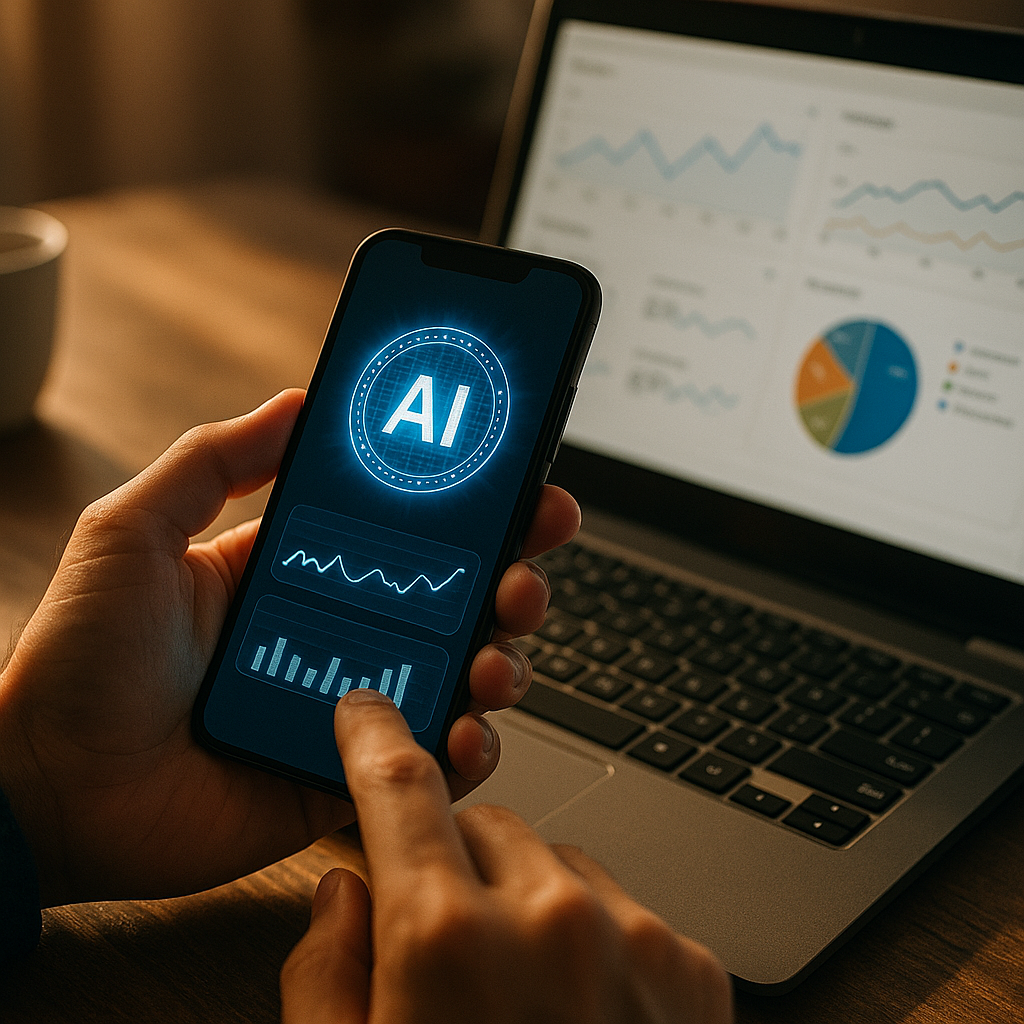
Harnessing AI to analyze and optimize your website’s mobile user experience is essential in 2025. With over 70% of online traffic coming from mobile devices, using artificial intelligence can boost engagement, retention, and conversions. Discover how AI-driven strategies make the difference between a mediocre site and one users love to interact with on the go.
Understanding Mobile User Experience Through AI Insights
Mobile user experience (UX) has evolved rapidly, and artificial intelligence now plays a vital role in understanding its nuances. AI leverages data from user interactions, device types, screen sizes, and navigation habits, granting unprecedented clarity into how visitors use your site. Modern AI algorithms can detect subtle user frustrations, such as abandoned forms or repeated taps, that would otherwise go unnoticed.
Moreover, AI-driven tools enable website owners to track mobile-specific metrics like finger-friendly tap zones, load speed variations, and in-app engagement. Using these insights, brands can address unique mobile usability issues. For instance, Google’s own AI-based Core Web Vitals audits in 2025 emphasize seamless mobile browsing. Pinpointing such issues is the first step toward a user-centered, conversion-focused website.
AI-Powered Tools for Website Optimization
The emergence of AI-powered website optimization tools has revolutionized mobile UX. Solutions like Google Lighthouse AI, Adobe Sensei, and Hotjar’s mobile heatmaps use machine learning to analyze user flows, screen recordings, and real-time behavioral data. These tools automatically identify pain points—such as slow-loading pages, confusing layouts, or problematic call-to-action placements.
Beyond passive reporting, advanced AI platforms proactively suggest and even implement quick fixes. For example, adaptive image compression systems use AI to deliver optimal image resolutions for varying mobile devices, reducing bounce rates and boosting page speed. Leveraging these platforms streamlines ongoing optimization, freeing teams to focus on content and innovation rather than manual troubleshooting.
Personalizing the Mobile Experience with AI
In 2025, personalization is central to an engaging mobile experience. AI excels at delivering individualized journeys by analyzing past sessions, purchase patterns, and user preferences. AI chatbots now provide human-like support, anticipating queries and steering visitors to relevant actions or content. Location-aware recommendations and dynamic adjustment of site elements—like navigation menus or product displays—boost user satisfaction and conversion rates.
AI-driven personalization strategies include:
- Contextual content delivery based on browsing history and device type
- Intelligent product recommendations and cross-selling
- Adaptive push notifications with personalized offers
- Real-time chatbot assistance for common tasks and questions
This level of dynamic, context-aware interaction helps make the mobile experience not just seamless, but memorable—resulting in higher retention and loyalty.
Enhancing Website Accessibility for Mobile Users Using AI
Accessibility has become non-negotiable in mobile UX, and in 2025, regulators and consumers alike expect inclusive design. AI significantly accelerates compliance with accessibility standards such as WCAG 2.2. Automated tools now scan and remediate issues like color contrast errors, missing alt text, or incompatible gestures for users with disabilities.
Innovative solutions, such as AI-powered screen reader compatibility checks, enable developers to spot challenges faced by low-vision users. Natural language processing ensures that language on forms and buttons remains simple and actionable. By deploying AI for accessibility audits, brands simultaneously mitigate legal risk and open their online presence to the widest possible audience.
Maximizing Mobile Site Speed and Performance with Artificial Intelligence
Site speed remains a top factor in mobile user retention. AI enhances performance optimization by analyzing backend processes, third-party scripts, and image assets, then automatically suggesting (or implementing) improvements. As of 2025, leading sites use AI-driven content delivery networks (CDNs) that tailor resource distribution in real time based on the visitor’s device and location.
AI also predicts and addresses bottlenecks, whether they’re caused by outdated code, heavy plugins, or bloated graphics. Monitoring site health continuously, these systems prevent slowdowns before they impact metrics. Investing in AI-based speed optimization leads directly to higher search rankings and better user reviews, reinforcing the site’s authority and trustworthiness.
Measuring and Iterating UX Improvement with AI Analytics
Continuous improvement is fundamental to mobile UX success. AI analytics platforms go beyond surface-level stats, interpreting patterns in user drop-offs, scroll depth, or tap precision. These actionable insights inform A/B testing, UI adjustments, and content tweaks. For example, AI can determine which button label or navigation scheme drives more engagement within specific audience segments.
Regularly reviewing AI-generated reports ensures optimization efforts remain aligned with user expectations and business goals. Combining quantitative data (like conversion rates) with qualitative AI-driven session recordings helps teams validate assumptions and prioritize updates. In the fast-evolving digital landscape of 2025, this approach keeps ahead of both competitors and shifting consumer habits.
Conclusion
Using AI to analyze and optimize your website’s mobile user experience equips you for success in an increasingly mobile-first world. AI tools deliver actionable insights, automate enhancements, and personalize digital journeys. Invest in AI-powered optimization today to earn loyal customers, achieve faster growth, and keep your business at the forefront of mobile innovation.
Frequently Asked Questions
-
How does AI improve mobile website usability?
AI detects usability issues specific to mobile devices, such as small tap targets or slow page loads, and provides actionable recommendations to fix them. By adapting design elements and personalizing content, AI creates a smoother and more engaging experience for mobile visitors.
-
Which AI tools are most effective for optimizing mobile UX?
Popular AI tools in 2025 include Google Lighthouse AI, Adobe Sensei, Hotjar, and AI-driven CDNs. These platforms analyze user behavior, automate speed and content optimization, and provide real-time accessibility audits tailored for mobile websites.
-
Will AI automatically fix mobile site problems?
Some advanced AI solutions can automatically resolve common issues, like compressing images or improving load times. However, for more complex design or navigation changes, AI typically provides recommendations that developers can review and implement.
-
Why is mobile accessibility important, and how does AI help?
Mobile accessibility ensures everyone, including users with disabilities, can interact with your site. AI quickly identifies and corrects accessibility barriers, such as poor color contrast or navigation difficulties, ensuring compliance and broader audience reach.
-
How can I measure the effectiveness of AI-driven mobile UX improvements?
Monitor key metrics such as bounce rates, conversion rates, and user retention after implementing AI-driven changes. Combine this data with AI analytics reports and qualitative user feedback to gauge and refine the impact of optimizations over time.
Top Influencer Marketing Agencies
The leading agencies shaping influencer marketing in 2026
Agencies ranked by campaign performance, client diversity, platform expertise, proven ROI, industry recognition, and client satisfaction. Assessed through verified case studies, reviews, and industry consultations.
Moburst

-
2

The Shelf
Boutique Beauty & Lifestyle Influencer AgencyA data-driven boutique agency specializing exclusively in beauty, wellness, and lifestyle influencer campaigns on Instagram and TikTok. Best for brands already focused on the beauty/personal care space that need curated, aesthetic-driven content.Clients: Pepsi, The Honest Company, Hims, Elf Cosmetics, Pure LeafVisit The Shelf → -
3

Audiencly
Niche Gaming & Esports Influencer AgencyA specialized agency focused exclusively on gaming and esports creators on YouTube, Twitch, and TikTok. Ideal if your campaign is 100% gaming-focused — from game launches to hardware and esports events.Clients: Epic Games, NordVPN, Ubisoft, Wargaming, Tencent GamesVisit Audiencly → -
4

Viral Nation
Global Influencer Marketing & Talent AgencyA dual talent management and marketing agency with proprietary brand safety tools and a global creator network spanning nano-influencers to celebrities across all major platforms.Clients: Meta, Activision Blizzard, Energizer, Aston Martin, WalmartVisit Viral Nation → -
5

The Influencer Marketing Factory
TikTok, Instagram & YouTube CampaignsA full-service agency with strong TikTok expertise, offering end-to-end campaign management from influencer discovery through performance reporting with a focus on platform-native content.Clients: Google, Snapchat, Universal Music, Bumble, YelpVisit TIMF → -
6

NeoReach
Enterprise Analytics & Influencer CampaignsAn enterprise-focused agency combining managed campaigns with a powerful self-service data platform for influencer search, audience analytics, and attribution modeling.Clients: Amazon, Airbnb, Netflix, Honda, The New York TimesVisit NeoReach → -
7

Ubiquitous
Creator-First Marketing PlatformA tech-driven platform combining self-service tools with managed campaign options, emphasizing speed and scalability for brands managing multiple influencer relationships.Clients: Lyft, Disney, Target, American Eagle, NetflixVisit Ubiquitous → -
8

Obviously
Scalable Enterprise Influencer CampaignsA tech-enabled agency built for high-volume campaigns, coordinating hundreds of creators simultaneously with end-to-end logistics, content rights management, and product seeding.Clients: Google, Ulta Beauty, Converse, AmazonVisit Obviously →