


Understanding AI-Powered Competitor Analysis in Influencer Marketing
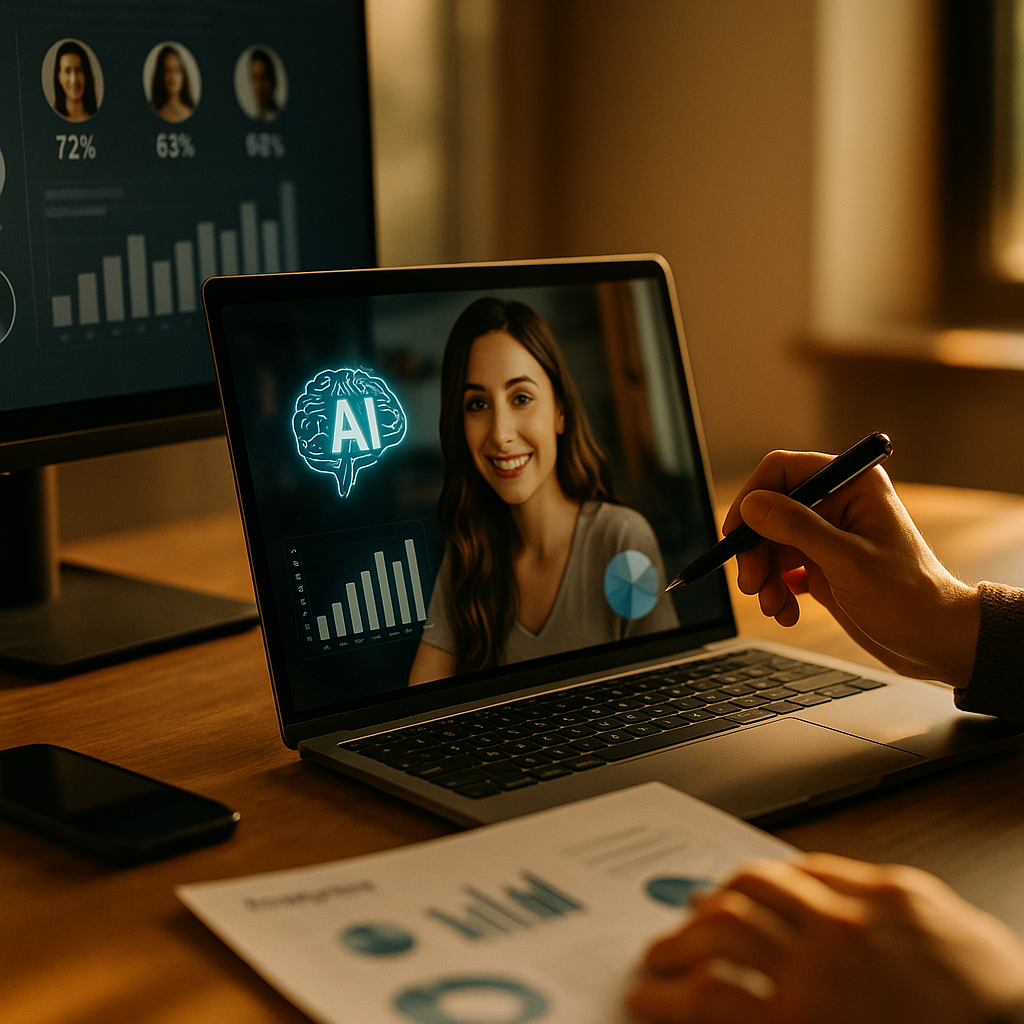
AI-powered competitor analysis has redefined how brands uncover insights from rival influencer campaigns. By automating data collection and analysis, businesses can dissect their competitors’ influencer strategies in detail, saving time while gaining a strategic edge. But what exactly does this process involve, and how can brands leverage it to accelerate campaign effectiveness? Let’s delve into the mechanics and benefits.
How Automated Influencer Campaign Deconstruction Works
Recognizing successful influencer tactics requires more than manual monitoring. Automated deconstruction leverages advanced AI technologies to systematically break down the elements of a competitor’s influencer campaign. Here’s how these systems operate:
- Data Aggregation: AI tools extract information across platforms like Instagram, TikTok, and YouTube, compiling influencer rosters, posting schedules, themes, and audience engagement rates.
- Content Mapping: Machine learning algorithms categorize posts by topic, sentiment, use of hashtags, and even creative visuals, painting a complete picture of campaign trends.
- Performance Attribution: AI models analyze metrics—click-through rates, engagement ratios, follower growth—to pinpoint which tactics resonated most with audiences.
- Audience Profiling: Natural Language Processing (NLP) scans comments for sentiment and demographic clues, revealing which segments rivals are targeting.
This automated intelligence replaces weeks of manual work with rapid, data-driven insights delivered in real-time.
Identifying Competitor Influencer Strategies with AI Tools
Gaining visibility into a rival’s influencer strategy once required guesswork. Today’s AI-powered analysis tools—such as Sprout Social, Brandwatch, and Influencity—combine big data with machine learning to uncover:
- Influencer Partnerships: Identify which influencers work with competitors, how often, and the scope of collaborations.
- Key Messaging: Detect recurring messaging themes and branded hashtags that drive engagement.
- Audience Segmentation: Uncover target demographics by analyzing follower interactions and influencer audience profiles.
- Content Styles: Assess trending formats (e.g., Reels, Stories, long-form videos) to reveal preferred content types.
According to a 2024 Influencer Marketing Hub report, 63% of brands using AI for competitor analysis increased the efficiency of their influencer discovery and campaign-planning efforts. This actionable intelligence supports campaign differentiation and targeting.
Benefits of Automated Influencer Campaign Analysis
Brands that embrace AI-powered competitor analysis unlock several advantages:
- Speed and Scale: AI analyzes thousands of posts across multiple rivals, operationalizing insights faster than any human team could.
- Objective Benchmarking: Automated tools provide unbiased measures of success, tracking engagement benchmarks and ROI leaderboards.
- Evolving Trend Detection: Continuous monitoring lets you spot emerging content or platform shifts quickly—essential as trends cycle faster in 2025.
- Proactive Strategy Development: Use competitor weaknesses to inspire unique campaign angles, while adapting their proven tactics with your brand’s personal touch.
In practice, this means faster campaign turnaround, improved targeting, and ultimately, greater return on investment.
Real-Time Insights for Proactive Campaign Optimization
One of the biggest advancements in 2025 is the rise of real-time competitor intelligence dashboards. These platforms provide live tracking of influencer posts, engagement spikes, and audience sentiment shifts. Brands can not only see what’s trending, but also respond instantly—whether by adjusting messaging, selecting a trending content format, or identifying a rising influencer no competitor has tapped yet.
The power of this immediacy lies in mitigating campaign risk: teams can optimize campaigns before negative trends escalate or competitors overtake crucial market segments.
Implementing AI Competitor Analysis: Best Practices
To maximize the impact of AI-powered competitor analysis, follow these best practices:
- Choose Transparent AI Tools: Opt for platforms with clear data sources and explainable analysis to comply with evolving privacy regulations.
- Train Teams Continuously: Upskill marketing teams to interpret AI-driven insights and translate them into actionable strategy shifts.
- Balance Human Creativity: Use AI as a baseline for inspiration, but allow creative leads to tailor campaigns so that brands stand out authentically.
- Monitor and Iterate: Set benchmarks for success and revisit your analysis framework regularly to adapt to industry and platform changes.
Incorporating these steps fosters data-driven, ethical, and creatively resonant influencer campaigns.
Conclusion: Embracing AI for Sustainable Influencer Success
AI-powered competitor analysis transforms influencer marketing from speculation to science, offering rapid, actionable insights. By adopting automated tools and best practices, brands can outpace rivals, anticipate trends, and craft original campaigns. In 2025, leveraging AI is essential for marketers striving for both efficiency and sustained creative advantage.
FAQs: All About AI-Powered Competitor Analysis for Influencer Campaigns
-
How does AI collect competitor influencer data?
AI tools gather data from public social media posts, influencer profiles, engagement statistics, and trending topics using APIs and web scraping—adhering to the latest privacy laws. -
Can AI identify which influencers work with my competitors?
Yes. AI analysis platforms list collaborating influencers, track partnership frequency, and reveal campaign overlaps, giving full transparency into rival relationships. -
Will AI replace human marketers in campaign analysis?
No. AI automates data collection and initial analysis, but expert marketers interpret findings, ensure brand fit, and add creative value. -
What are common risks or pitfalls in AI-led competitor analysis?
Risks include misinterpreted sentiment due to sarcasm or slang and missing private or “dark social” data. Best practice is to combine AI insights with human review. -
How often should I review my competitors’ influencer campaigns using AI?
Many brands monitor in real-time or on a weekly basis, allowing for both speedy reaction and broader trend identification throughout a campaign lifecycle.
Top Influencer Marketing Agencies
The leading agencies shaping influencer marketing in 2026
Agencies ranked by campaign performance, client diversity, platform expertise, proven ROI, industry recognition, and client satisfaction. Assessed through verified case studies, reviews, and industry consultations.
Moburst

-
2

The Shelf
Boutique Beauty & Lifestyle Influencer AgencyA data-driven boutique agency specializing exclusively in beauty, wellness, and lifestyle influencer campaigns on Instagram and TikTok. Best for brands already focused on the beauty/personal care space that need curated, aesthetic-driven content.Clients: Pepsi, The Honest Company, Hims, Elf Cosmetics, Pure LeafVisit The Shelf → -
3

Audiencly
Niche Gaming & Esports Influencer AgencyA specialized agency focused exclusively on gaming and esports creators on YouTube, Twitch, and TikTok. Ideal if your campaign is 100% gaming-focused — from game launches to hardware and esports events.Clients: Epic Games, NordVPN, Ubisoft, Wargaming, Tencent GamesVisit Audiencly → -
4

Viral Nation
Global Influencer Marketing & Talent AgencyA dual talent management and marketing agency with proprietary brand safety tools and a global creator network spanning nano-influencers to celebrities across all major platforms.Clients: Meta, Activision Blizzard, Energizer, Aston Martin, WalmartVisit Viral Nation → -
5

The Influencer Marketing Factory
TikTok, Instagram & YouTube CampaignsA full-service agency with strong TikTok expertise, offering end-to-end campaign management from influencer discovery through performance reporting with a focus on platform-native content.Clients: Google, Snapchat, Universal Music, Bumble, YelpVisit TIMF → -
6

NeoReach
Enterprise Analytics & Influencer CampaignsAn enterprise-focused agency combining managed campaigns with a powerful self-service data platform for influencer search, audience analytics, and attribution modeling.Clients: Amazon, Airbnb, Netflix, Honda, The New York TimesVisit NeoReach → -
7

Ubiquitous
Creator-First Marketing PlatformA tech-driven platform combining self-service tools with managed campaign options, emphasizing speed and scalability for brands managing multiple influencer relationships.Clients: Lyft, Disney, Target, American Eagle, NetflixVisit Ubiquitous → -
8

Obviously
Scalable Enterprise Influencer CampaignsA tech-enabled agency built for high-volume campaigns, coordinating hundreds of creators simultaneously with end-to-end logistics, content rights management, and product seeding.Clients: Google, Ulta Beauty, Converse, AmazonVisit Obviously →