


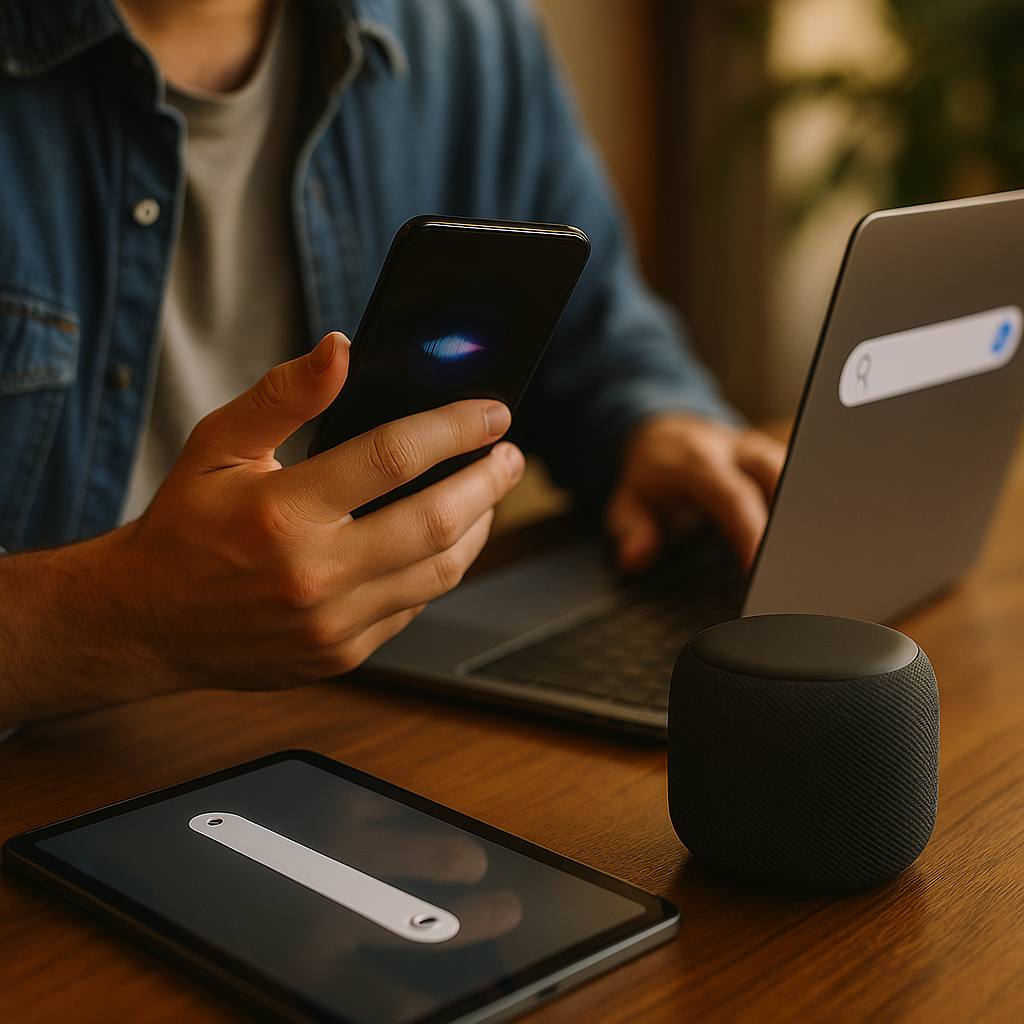
Using AI to analyze and optimize your website for conversational and voice search is no longer optional; it’s a necessity for staying competitive in 2025. As search behaviors shift towards natural language and voice-activated queries, brands must adapt their digital strategies. Discover how AI-driven optimization empowers your website to capture, engage, and convert these modern searchers.
Understanding the Rise of Voice Search and Conversational Queries
Today’s consumers speak to their devices as naturally as they would a friend. In 2025, nearly 70% of all online searches use conversational language or voice input, according to recent industry data. This shift means users no longer type choppy keywords, but instead ask questions or make requests with full sentences. AI assistants—such as Alexa, Google Assistant, and Siri—have set new expectations for how people interact with technology and brands.
This change presents both challenges and opportunities for website owners:
- Query Structure: Questions, not keywords, drive traffic. “How do I optimize for voice search?” may outrank “voice search optimization.”
- User Intent: Understanding natural language and intent is essential for meaningful engagement.
- Local Search: Voice search skews heavily local; 58% of consumers use voice commands to find nearby businesses.
To adapt, you need to analyze, predict, and align your website’s content with these new search paradigms—something traditional SEO alone can no longer accomplish.
Leveraging AI Tools for Website Analysis and Voice Search Optimization
AI-powered tools excel at dissecting millions of search queries and user behaviors to identify patterns your audience follows. Solutions like Google Search Generative Experience (SGE), OpenAI’s GPT platforms, and specialized SEO AI platforms can:
- Analyze conversational intent within your website’s analytics and surface new ranking opportunities.
- Suggest long-tail and question-based keywords that mirror how people speak rather than type.
- Audit existing content for tone, relevance, and readability, identifying gaps for conversational optimization.
- Evaluate technical SEO barriers that could limit your chances of being featured in voice search results (like page speed and mobile usability).
For example, AI can review your FAQs, blog posts, and landing pages to ensure content answers common spoken questions clearly and concisely. Meanwhile, AI chatbots can simulate real user queries, testing how well your site responds—or doesn’t—to diverse conversational inputs.
Optimizing On-Page Content for Conversational Search Queries
To capture today’s voice search traffic, your content must sound as though it’s part of a conversation. AI-driven optimization prioritizes:
- Natural Language: Use phrases and sentences that match how your audience actually speaks, not just formal written text.
- Question-Based Content: Embed answers to specific queries (“What are the best AI tools for voice search?”) directly within your page copy.
- Featured Snippets and Structured Data: AI can spot opportunities to win “position zero” for voice search by reformatting information into easily digestible lists, answers, or tables.
AI platforms also analyze user feedback, search data, and engagement stats to identify which conversational topics are most relevant to your visitors in real time. Incorporate these insights to keep content fresh and responsive to trending queries.
Finally, adopt a “topic cluster” strategy: create authoritative pillar pages answering broad questions, then link to detailed subpages that address related conversational queries. AI can help map out optimal topic clusters for your industry and audience.
Technical SEO and AI: Ensuring Voice Readiness
AI doesn’t just optimize content—it scrutinizes your website’s technical underpinnings. Successful voice search optimization relies on:
- Lightning-fast load speeds: AI site audits highlight lagging assets or unnecessary code that can hurt voice search rankings.
- Mobile-first design: With more than 72% of voice searches performed on mobile, AI tools test and recommend mobile optimizations.
- Schema markup: AI suggests and implements the correct structured data so search engines can “read” your content and pull accurate responses for voice queries.
- SSL/TLS security: Secure sites are favored in both voice and traditional search. AI can flag outdated certificates or vulnerabilities automatically.
Proactive AI monitoring ensures that any technical barriers preventing your site from appearing in voice search are swiftly addressed. This ongoing analysis guarantees compliance with the latest SERP, EEAT, and accessibility standards in 2025.
Measuring and Refining Your Voice Search Strategy with AI Analytics
Optimization is an ongoing process. The best brands constantly measure, test, and refine their voice and conversational SEO using AI-powered analytics platforms. Here’s how:
- Monitor conversational keywords and emerging queries using AI trend analysis.
- AB-test on-page answers and snippet formats to see which structures perform best in voice search results.
- Analyze user engagement metrics—including time on page, chatbot interactions, and query satisfaction scores—to understand if your conversational content is truly resonating.
- Review voice search traffic sources and adjust local SEO accordingly. AI can track spikes in “near me” queries or shifts in user location data.
A major advantage of AI is predictive analytics. By forecasting which topics and questions will trend next, AI lets you proactively prepare content and capture voice search market share before the competition catches up.
Building Trust and Authority: EEAT in Conversational SEO
Google’s EEAT (Experience, Expertise, Authoritativeness, Trustworthiness) principles are now central to voice and conversational search rankings. AI helps your brand demonstrate these values by:
- Verifying facts and sourcing content: AI tools cross-check information for accuracy, flagging claims that require credible sources.
- Improving author info and credentials: AI can analyze and recommend enhancements to author bios, ensuring your site’s experts are recognized as industry authorities.
- Detecting and reducing bias: AI reviewers identify potentially biased or misleading statements that could harm trustworthiness.
- Maintaining current, relevant advice: AI crawls for outdated guidelines and suggests updates to keep your voice search answers timely for 2025 searchers.
By weaving EEAT best practices into your content and technical foundation, you secure better rankings, attract more engaged visitors, and fortify your site’s reputation in a voice-first digital landscape.
Conclusion: With voice and conversational search dominating digital discovery in 2025, using AI for website analysis and optimization is the smart move. Embrace AI-driven tools and strategies to ensure your content connects, your site performs, and your brand leads the conversation—literally and figuratively—in this new era of search.
FAQs: Using AI to Optimize for Conversational and Voice Search
-
How does AI improve voice search optimization?
AI analyzes conversational queries, identifies question-based keyword opportunities, audits content for natural language, and recommends structural improvements, such as schema markup, to increase your chances of being featured in voice or spoken search results.
-
What’s different about optimizing for conversational search compared to traditional SEO?
Conversational search focuses on natural language queries, longer questions, and intent—going beyond short, typed keywords. Content must answer specific questions clearly, use a conversational tone, and be easily understood by voice assistants and search engines alike.
-
Do I need special tools to optimize for voice search?
In 2025, yes. AI-powered platforms and analytics help identify how users phrase spoken queries, spot technical barriers, and monitor your ongoing voice search performance, making optimization far more effective and scalable than manual methods.
-
How can I make sure my website’s information is trusted for voice search?
Follow EEAT principles: ensure factual accuracy with credible sources, present clear author credentials, and update content regularly. AI can automate fact-checking and suggest updates to enhance your site’s trustworthiness for both search engines and users.
-
What’s the most important first step for voice search optimization?
Start by analyzing your website with AI tools that audit content quality, identify missing conversational keywords, and flag technical issues. Address these findings, then build out question-based content and monitor your performance using AI analytics.
Top Influencer Marketing Agencies
The leading agencies shaping influencer marketing in 2026
Agencies ranked by campaign performance, client diversity, platform expertise, proven ROI, industry recognition, and client satisfaction. Assessed through verified case studies, reviews, and industry consultations.
Moburst

-
2

The Shelf
Boutique Beauty & Lifestyle Influencer AgencyA data-driven boutique agency specializing exclusively in beauty, wellness, and lifestyle influencer campaigns on Instagram and TikTok. Best for brands already focused on the beauty/personal care space that need curated, aesthetic-driven content.Clients: Pepsi, The Honest Company, Hims, Elf Cosmetics, Pure LeafVisit The Shelf → -
3

Audiencly
Niche Gaming & Esports Influencer AgencyA specialized agency focused exclusively on gaming and esports creators on YouTube, Twitch, and TikTok. Ideal if your campaign is 100% gaming-focused — from game launches to hardware and esports events.Clients: Epic Games, NordVPN, Ubisoft, Wargaming, Tencent GamesVisit Audiencly → -
4

Viral Nation
Global Influencer Marketing & Talent AgencyA dual talent management and marketing agency with proprietary brand safety tools and a global creator network spanning nano-influencers to celebrities across all major platforms.Clients: Meta, Activision Blizzard, Energizer, Aston Martin, WalmartVisit Viral Nation → -
5

The Influencer Marketing Factory
TikTok, Instagram & YouTube CampaignsA full-service agency with strong TikTok expertise, offering end-to-end campaign management from influencer discovery through performance reporting with a focus on platform-native content.Clients: Google, Snapchat, Universal Music, Bumble, YelpVisit TIMF → -
6

NeoReach
Enterprise Analytics & Influencer CampaignsAn enterprise-focused agency combining managed campaigns with a powerful self-service data platform for influencer search, audience analytics, and attribution modeling.Clients: Amazon, Airbnb, Netflix, Honda, The New York TimesVisit NeoReach → -
7

Ubiquitous
Creator-First Marketing PlatformA tech-driven platform combining self-service tools with managed campaign options, emphasizing speed and scalability for brands managing multiple influencer relationships.Clients: Lyft, Disney, Target, American Eagle, NetflixVisit Ubiquitous → -
8

Obviously
Scalable Enterprise Influencer CampaignsA tech-enabled agency built for high-volume campaigns, coordinating hundreds of creators simultaneously with end-to-end logistics, content rights management, and product seeding.Clients: Google, Ulta Beauty, Converse, AmazonVisit Obviously →