


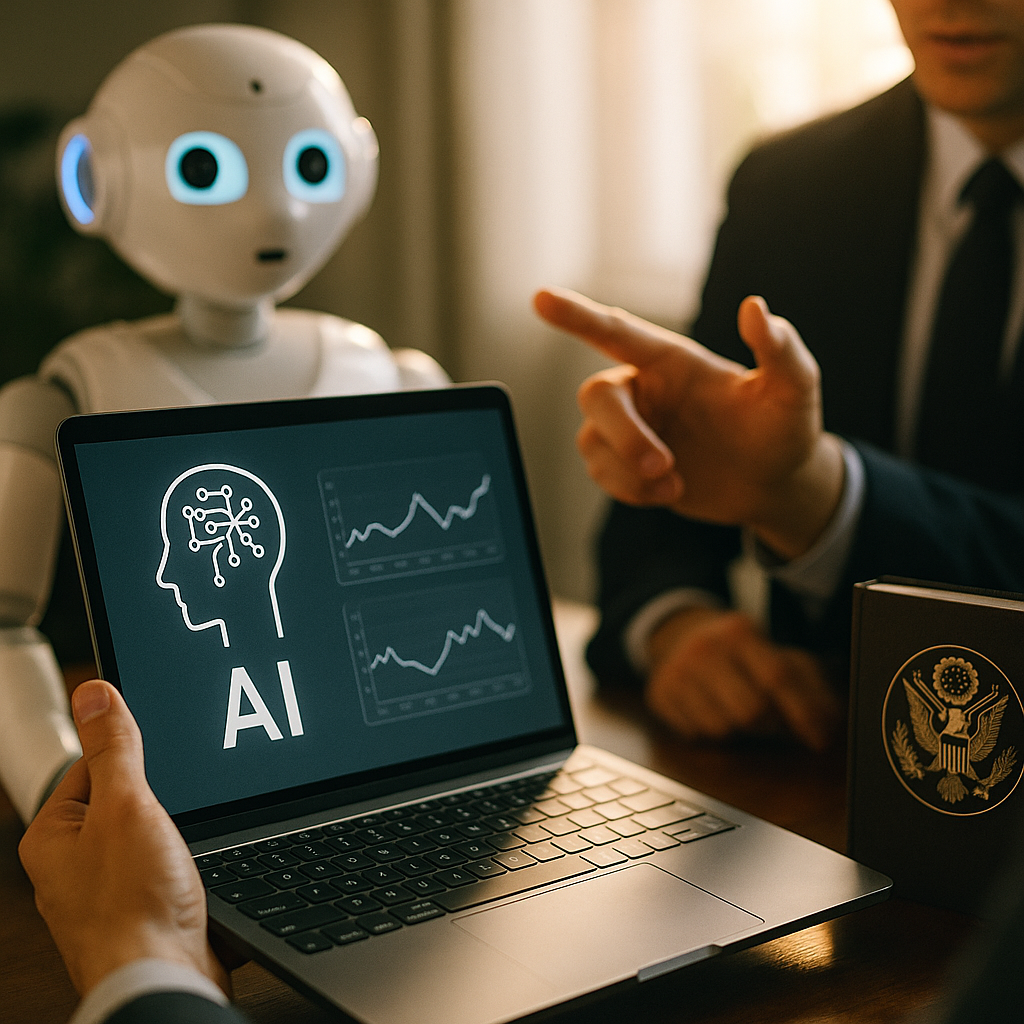
An AI tool can now generate a photorealistic video of a supplement “melting away” belly fat in under four minutes, no product in hand, no human ever taking the pill. That capability sits at the center of the emerging AI-generated product demonstrations problem, and most brand legal teams haven’t built a framework to catch it before it airs.
The FTC doesn’t need a product to exist for you to get in trouble. It needs a claim. And when generative AI can manufacture visual “proof” of efficacy that no clinical trial ever produced, the line between marketing creativity and unsubstantiated health claim gets thin fast.
Why This Isn’t Just an FTC Problem Anymore
Historically, brands worried about the Federal Trade Commission when it came to influencer disclosure and puffery. The FDA stayed in its lane, regulating drugs, supplements, cosmetics, and medical devices, mostly through labeling and direct marketing claims. AI-generated demonstrations blur that boundary because they simulate physiological outcomes: skin clearing up, joints moving without pain, weight dropping on a visible timeline.
When a creator posts a video showing an AI-rendered “before and after” transformation attributed to a topical cream or ingestible supplement, that’s no longer just an advertising claim regulated under FTC Act Section 5. It edges into FDA territory because it implies a physiological effect, the exact kind of claim that triggers substantiation requirements under 21 CFR for drugs, or structure/function claim rules under DSHEA for supplements.
The dividing line isn’t whether the FDA has jurisdiction over the influencer post. It’s whether the AI-generated demonstration makes an implied health claim that would require FDA-level evidence if a pharmaceutical company said it directly.
The Three-Part Test Brands Should Be Running
There’s no official regulatory framework yet that names “AI-generated product demonstrations” as a category. But you can build a defensible internal standard by borrowing from existing FTC and FDA precedent. Here’s the test we recommend legal and compliance teams apply before any AI-assisted demo content goes live:
- Does the content depict a physiological or health outcome? Weight loss, skin changes, pain relief, energy levels, sleep improvement, cognitive effects. If yes, move to step two. If it’s purely aesthetic or functional (a blender blending), FDA-adjacent risk is low.
- Is the depicted outcome generated, simulated, or exaggerated by AI rather than filmed as an authentic result? A real customer testimonial with a real before/after photo carries standard FTC substantiation obligations. An AI-rendered simulation of what “could” happen is a different animal, because it’s fabricating evidence rather than documenting it.
- Would a reasonable consumer interpret the AI output as representative of typical results? This is the FTC’s classic “reasonable consumer” standard, but applied to synthetic content. If the answer is yes, you now need the same level of substantiation the FDA would require for an equivalent direct-to-consumer claim, even though the FDA isn’t the one enforcing it. The FTC can, and will, use “no substantiation” as the enforcement hook.
Three yeses means you’re in FDA-adjacent territory. That doesn’t mean the FDA sends a warning letter. It means your legal exposure now mirrors what a pharma or supplement company would face for an unsupported claim, and the FTC has shown it’s willing to enforce that standard against brands and creators alike.
What “FDA-Adjacent Substantiation” Actually Means in Practice
This is the part most marketing teams skip past. FDA-adjacent doesn’t mean you file paperwork with the agency. It means your evidence file needs to look like what you’d submit if you were making the claim in a regulated drug or supplement ad.
Practically, that includes:
- Competent and reliable scientific evidence supporting any implied outcome, not just anecdotal customer results
- Documentation showing the AI-generated visual isn’t overstating typical results compared to your actual clinical or consumer data
- A clear internal record of who approved the AI demo, what substantiation was reviewed, and when
- Disclosure language that flags the content as simulated or AI-generated, distinct from standard influencer disclosure
That last point matters more than brands realize. The FTC’s endorsement guides already require disclosure of material connections. Several states have gone further with AI-specific disclosure mandates. Our earlier coverage of how the TikTok provenance coalition falls short of state law is directly relevant here: platform-level content labels don’t substitute for the substantiation obligation itself. Labeling something “AI-generated” tells consumers how it was made. It does nothing to prove the claim is true.
Where Brands Are Already Getting This Wrong
Wellness and beauty categories are the obvious hot zones, but the risk shows up anywhere a creator uses AI to visualize an outcome. A skincare brand using an AI tool to render “30-day results” without a single real user photo. A supplement company letting a creator generate an animated GI-tract graphic showing “how it works.” A fitness brand approving an AI-composited transformation video where the before and after images were never the same person.
Each of these examples looks like normal creative production to a brand manager approving assets on a tight timeline. To a regulator, each one is an unsubstantiated efficacy claim wearing a content-creation costume.
The uncomfortable truth: most brand legal reviews are still built for text-based claims review, checking whether the script says “cures” instead of “may help support.” They’re not built to catch a visual claim embedded in a synthetic demonstration. That’s a process gap, not a legal ambiguity, and it’s fixable.
Building the Actual Framework
A workable legal framework for this needs four components, and it needs to live inside your existing content approval workflow, not as a separate bolt-on review that gets skipped when deadlines tighten.
1. Pre-production claim mapping. Before any AI tool touches the brief, marketing and legal identify what outcome, if any, the demonstration implies. This should happen at the same stage where you’d flag a claim in a script. If the brief calls for “show the product working,” that’s a claim, full stop.
2. Substantiation-first production gating. No AI-generated demonstration of a health, wellness, or physiological outcome should be produced until the underlying substantiation file exists. This flips the usual order (create first, review second) and it will slow down production. That’s the point. This mirrors the logic in our piece on why AI-modified ad creative needs a sign-off gate before launch: the gate has to sit before production, not after.
3. Disclosure layering. Standard #ad disclosure, AI-generation disclosure, and (where applicable) a “results not typical” or “simulated demonstration” disclaimer need to stack, not substitute for one another. Check your framework against the comparative rules we outlined in Google, Meta, and TikTok’s AI ad disclosure rules, since platform requirements and legal disclosure obligations frequently diverge.
4. Contractual risk allocation with creators. Creators using their own AI tools to generate demonstration content on your behalf need contract language that requires disclosure of AI use, prohibits fabricated efficacy claims, and assigns liability clearly if they generate content outside brand-approved substantiation. This is the same logic driving the contract clauses covered in TikTok AI remix contract clauses and the broader creator contract clauses for AI-remixed sponsored content.
If your creator contracts don’t yet define who’s liable when an AI tool generates an unsubstantiated efficacy claim, you’re carrying that risk by default, whether you intended to or not.
The Compliance Math
According to eMarketer, generative AI usage in creator and brand content production has climbed sharply, and health, beauty, and wellness remain among the highest-volume categories for influencer partnerships. Layer those two trends together and you get a growing volume of exactly the content type this framework addresses.
The cost of getting it wrong isn’t theoretical. FTC settlements in the health-claims space regularly run into six and seven figures, and unlike a standard disclosure violation, an unsubstantiated health claim can trigger both FTC and state attorney general action simultaneously. Compare that to the operational cost of a claim-mapping step added to your existing review process. It’s not close.
Brands already running mature legal-ops for AI content should look at how this framework intersects with vendor accountability. If you’re using an AI platform to help generate or recommend demonstration formats, revisit your AI vendor due-diligence checklist and confirm the vendor contract addresses who’s responsible when the tool itself generates the risky output, not just the creator or brand team using it.
The Takeaway
Treat every AI-generated demonstration of a physiological outcome as if the FDA were reading the script, even when the FDA will never see it. Build the three-part test into your existing claims review, gate production behind substantiation instead of chasing it after launch, and update creator contracts this quarter, not next renewal cycle.
FAQs
What counts as an “FDA-adjacent” claim in creator content?
Any AI-generated or AI-enhanced depiction of a health, wellness, or physiological outcome, such as weight loss, pain relief, or skin改善 changes, that would require FDA-level substantiation if the same claim were made directly by a drug or supplement manufacturer.
Does the FDA actually regulate influencer content?
Directly, rarely. The FDA typically regulates labeling and direct marketing from manufacturers. But the FTC enforces substantiation standards that mirror FDA requirements when a claim implies a physiological effect, meaning the practical bar is FDA-equivalent even when the FDA isn’t the enforcer.
Who is liable if a creator uses their own AI tool to generate a demonstration?
Liability depends on the creator contract. Without explicit clauses addressing AI-generated claims and disclosure obligations, brands often carry residual liability under FTC endorsement rules, since brands are responsible for substantiating claims made in sponsored content regardless of who produced it.
Is disclosing content as “AI-generated” enough to avoid liability?
No. AI-generation disclosure tells consumers how content was made; it does not substitute for substantiation of the underlying claim. Brands need both the disclosure and the evidence file.
How is this different from standard FTC influencer compliance?
Standard FTC compliance focuses on material connection disclosure (#ad, #sponsored). This framework addresses a separate obligation: substantiating implied efficacy claims embedded in AI-generated visuals, which is a claims-accuracy issue, not a disclosure issue.
FAQs
What counts as an “FDA-adjacent” claim in creator content?
Any AI-generated or AI-enhanced depiction of a health, wellness, or physiological outcome, such as weight loss, pain relief, or skin changes, that would require FDA-level substantiation if the same claim were made directly by a drug or supplement manufacturer.
Does the FDA actually regulate influencer content?
Directly, rarely. The FDA typically regulates labeling and direct marketing from manufacturers. But the FTC enforces substantiation standards that mirror FDA requirements when a claim implies a physiological effect, meaning the practical bar is FDA-equivalent even when the FDA isn’t the enforcer.
Who is liable if a creator uses their own AI tool to generate a demonstration?
Liability depends on the creator contract. Without explicit clauses addressing AI-generated claims and disclosure obligations, brands often carry residual liability under FTC endorsement rules, since brands are responsible for substantiating claims made in sponsored content regardless of who produced it.
Is disclosing content as “AI-generated” enough to avoid liability?
No. AI-generation disclosure tells consumers how content was made; it does not substitute for substantiation of the underlying claim. Brands need both the disclosure and the evidence file.
How is this different from standard FTC influencer compliance?
Standard FTC compliance focuses on material connection disclosure (#ad, #sponsored). This framework addresses a separate obligation: substantiating implied efficacy claims embedded in AI-generated visuals, which is a claims-accuracy issue, not a disclosure issue.
Top Influencer Marketing Agencies
The leading agencies shaping influencer marketing in 2026
Agencies ranked by campaign performance, client diversity, platform expertise, proven ROI, industry recognition, and client satisfaction. Assessed through verified case studies, reviews, and industry consultations.
Moburst

-
2

The Shelf
Boutique Beauty & Lifestyle Influencer AgencyA data-driven boutique agency specializing exclusively in beauty, wellness, and lifestyle influencer campaigns on Instagram and TikTok. Best for brands already focused on the beauty/personal care space that need curated, aesthetic-driven content.Clients: Pepsi, The Honest Company, Hims, Elf Cosmetics, Pure LeafVisit The Shelf → -
3

Audiencly
Niche Gaming & Esports Influencer AgencyA specialized agency focused exclusively on gaming and esports creators on YouTube, Twitch, and TikTok. Ideal if your campaign is 100% gaming-focused — from game launches to hardware and esports events.Clients: Epic Games, NordVPN, Ubisoft, Wargaming, Tencent GamesVisit Audiencly → -
4

Viral Nation
Global Influencer Marketing & Talent AgencyA dual talent management and marketing agency with proprietary brand safety tools and a global creator network spanning nano-influencers to celebrities across all major platforms.Clients: Meta, Activision Blizzard, Energizer, Aston Martin, WalmartVisit Viral Nation → -
5

The Influencer Marketing Factory
TikTok, Instagram & YouTube CampaignsA full-service agency with strong TikTok expertise, offering end-to-end campaign management from influencer discovery through performance reporting with a focus on platform-native content.Clients: Google, Snapchat, Universal Music, Bumble, YelpVisit TIMF → -
6

NeoReach
Enterprise Analytics & Influencer CampaignsAn enterprise-focused agency combining managed campaigns with a powerful self-service data platform for influencer search, audience analytics, and attribution modeling.Clients: Amazon, Airbnb, Netflix, Honda, The New York TimesVisit NeoReach → -
7

Ubiquitous
Creator-First Marketing PlatformA tech-driven platform combining self-service tools with managed campaign options, emphasizing speed and scalability for brands managing multiple influencer relationships.Clients: Lyft, Disney, Target, American Eagle, NetflixVisit Ubiquitous → -
8

Obviously
Scalable Enterprise Influencer CampaignsA tech-enabled agency built for high-volume campaigns, coordinating hundreds of creators simultaneously with end-to-end logistics, content rights management, and product seeding.Clients: Google, Ulta Beauty, Converse, AmazonVisit Obviously →