


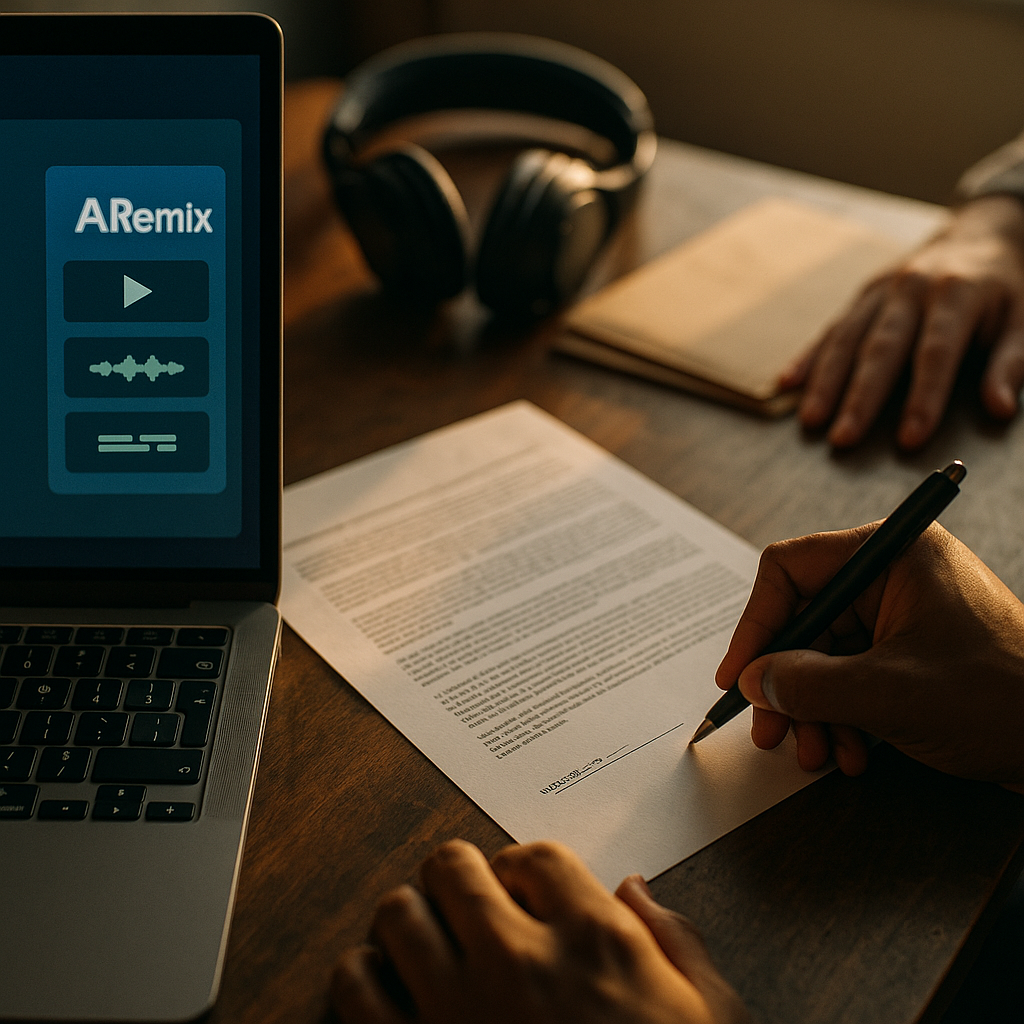
If a platform’s AI rewrites a creator’s sponsored post after it goes live, who owns the disclosure failure? That question is no longer hypothetical. FTC disclosure obligations for AI-transformed creator content are one of the fastest-moving compliance blind spots in influencer marketing right now — and most brand contracts are silent on it.
The Platform AI Problem Brands Didn’t Budget For
TikTok’s Generative Remix feature can reconstruct existing videos — including sponsored ones — using AI-generated backgrounds, voiceovers, and visual effects. Instagram’s AI editing suite, rolled out broadly in 2026, allows creators (and in some cases, the platform itself) to apply generative filters that materially alter how a product appears on screen. Meta’s own systems can auto-enhance images in ways that change color, texture, and product context.
These aren’t hypothetical edge cases. They are default-on features on platforms where billions of dollars in sponsored content live.
When a platform’s generative AI changes how a product looks, sounds, or is presented in a sponsored post, the material connection between brand and content still exists — but the disclosure infrastructure built around the original content may no longer apply.
The FTC’s revised endorsement guides make clear that disclosures must be clear, conspicuous, and impossible to miss. But what happens when an AI transformation buries the “#ad” label under a new visual layer, removes the verbal disclosure from an auto-generated voiceover, or creates a derivative version that lacks the disclosure entirely? The FTC hasn’t issued explicit guidance on AI-transformed content specifically — but the underlying principle holds: if viewers can’t clearly see or hear a disclosure, it’s non-compliant, regardless of what caused the obscuration.
What “Material Alteration” Actually Triggers
Not every filter is a legal risk. The threshold question is whether the AI transformation changes the nature of the endorsement or obscures the commercial relationship. A brightness adjustment doesn’t do that. A generative AI background that places the product in a different context — or a platform remix that strips the original audio (including the verbal “#ad”) and replaces it with auto-generated narration — almost certainly does.
Practically, brand legal teams should treat any AI-enabled change as potentially material if it:
- Removes or obscures existing text, audio, or visual disclosures
- Creates a derivative version of the content that can be independently shared or discovered
- Alters the product’s appearance in ways that could affect consumer perception of the endorsement
- Generates new voiceover, script, or narrative framing the brand didn’t approve
This matters because the FTC’s enforcement posture in 2026 places liability not just on creators, but on brands that have the ability to monitor and control sponsored content and fail to do so. For context on how that liability chain extends through automated systems, see our coverage on FTC liability gaps with AI agents.
Who Is Actually Responsible?
Here’s where it gets uncomfortable for brands: the answer is almost certainly both the creator and the brand, jointly. And in most current contracts, neither party has explicitly accepted responsibility for post-publication AI alterations.
The FTC’s framework assigns responsibility based on who benefits from the endorsement and who has the power to correct non-compliant content. Brands benefit. Brands also have contractual leverage over creators — meaning the FTC can and does look at the brand as the party with the greatest obligation to ensure compliance. The creator’s failure to disable AI remix features, or the platform’s automatic application of generative tools, doesn’t give the brand a clean exit.
Consider what this means operationally: a brand approves a creator’s TikTok before it goes live. The creator publishes it with proper disclosures. Six weeks later, TikTok’s remix AI generates a derivative clip that surfaces in For You feeds without the original disclosure audio. The brand has no idea this happened. Under the current FTC framework, ignorance is not a defense — particularly if the contract didn’t require the creator to monitor for and report such alterations.
If you’re revisiting your contract structure after reading this, our analysis of creator contract gaps and disclosure risk is a practical starting point.
Contractual Architecture: What Needs to Change Now
The fix isn’t complicated conceptually, but it requires deliberate drafting. Standard influencer contracts were written for a static content world — approve, publish, archive. That model is obsolete.
Here’s what your contracts need to address specifically for AI transformation risk:
1. Platform AI Feature Opt-Out Obligation. Require creators to disable generative remix, auto-enhancement, and derivative content features for any sponsored post. This should be a specific, enumerated obligation — not buried in a general “comply with all applicable laws” catch-all. Name the specific features where technically possible (e.g., TikTok Generative Remix, Meta AI background replacement).
2. Disclosure Persistence Warranty. The creator warrants that disclosures will remain visible and audible in any version of the content that is accessible to consumers, including platform-generated derivatives. If a derivative version strips disclosures, the creator has an affirmative obligation to report it to the brand within 48 hours and to request takedown from the platform.
3. Brand Right to Audit and Require Takedown. The brand retains the right to request removal of any AI-transformed version of sponsored content that is non-compliant, and the creator must cooperate within a defined window (typically 24-48 hours). This mirrors the monitoring posture the FTC expects from advertisers.
4. Indemnification Split for Platform-Initiated Alterations. This is the clause most contracts miss entirely. If the platform applies AI transformations without the creator’s active choice — a scenario increasingly common on TikTok — both parties need clear indemnification carve-outs. The creator shouldn’t bear full liability for features that are applied automatically. The brand shouldn’t be left exposed because the creator failed to opt out when that option existed.
5. Content Monitoring Period. Define how long after publication both parties have active monitoring obligations. Sponsored content doesn’t expire when the campaign ends — it continues surfacing. A 90-day active monitoring window for AI-generated derivatives is a defensible starting point.
For a broader look at where app-specific deal structures leave brands exposed, see our piece on contract gaps brands must fix in platform-native deals.
The FTC Enforcement Signal Brands Should Not Ignore
The FTC has been explicit that it views AI-generated and AI-modified content as subject to the same endorsement and testimonial rules as human-created content. The agency’s 2023 policy statement on AI — still operative and being actively enforced — makes clear that automation does not create a liability shield. Brands using AI tools in their marketing stack, including platform-native tools they didn’t build, remain accountable for consumer-facing outcomes.
The FTC has also signaled interest in what it calls “deceptive format” violations — cases where the presentation of an endorsement, regardless of its origin, misleads consumers about the commercial relationship. An AI-generated voiceover that replaces a creator’s original “#ad” disclosure with generic language is a textbook deceptive format problem.
Regulatory enforcement in influencer marketing is shifting from individual creator violations toward systemic brand-level liability. The question regulators are now asking: did the brand have the contractual infrastructure to prevent this?
For brands operating at scale, this means compliance programs need to extend beyond pre-publication approval workflows. Post-publication monitoring — including for AI-generated derivatives — is becoming a regulatory expectation, not a best practice. Our guidance on FTC-compliant creator briefs covers the pre-publication side; the post-publication monitoring piece needs the same institutional attention.
External platforms like TikTok for Business and Meta Business Suite offer some content monitoring tools, but none of them are specifically designed to flag disclosure compliance issues in AI-generated derivatives. Brands relying on platform-native tools alone are under-protected.
Third-party monitoring solutions — Traackr, Sprinklr, and Influencer Marketing Hub’s compliance modules — are beginning to incorporate AI-derivative detection. They’re not perfect, but they’re materially better than manual audits. The Sprout Social platform has also expanded social listening features that can flag content variations, though disclosure-specific flagging still requires human review.
There’s also a growing intersection with how AI-modified influencer content interacts with broader data compliance obligations. If a platform’s AI remix tool creates a new derivative that incorporates a creator’s likeness or voice, you’re potentially in right-of-publicity territory on top of FTC disclosure issues. See how similar questions surface in influencer content used as LLM training data for brands navigating the intellectual property overlap.
Separately, brands running cross-channel programs should note that the compliance posture for AI-altered content doesn’t reset when content moves formats. A TikTok with a disclosure compliance failure that gets repurposed into a paid social unit carries that failure forward. Our analysis of compliance for repurposed creator content in programmatic environments addresses exactly this transfer-of-liability dynamic.
Also worth flagging: eMarketer data shows that platform-native AI editing features are now used in over 60% of short-form video content globally — a figure that will only grow as generative tools become default rather than optional. That statistic isn’t background color. It means the majority of sponsored short-form content is now subject to post-publication AI transformation risk, whether brands have planned for it or not.
The immediate next step: pull your three most recent influencer contracts and check whether they contain any language addressing platform-initiated AI transformations, post-publication disclosure monitoring obligations, or indemnification for derivative content. If they don’t — and they almost certainly don’t — that’s your legal team’s next assignment.
FAQs
Does the FTC hold brands responsible for AI changes a platform makes to sponsored content after publication?
Yes, in practice. While the FTC hasn’t issued rules specific to platform-initiated AI transformations, its enforcement framework assigns responsibility based on who benefits from and has leverage over sponsored content. Brands that have contractual control over creators — but didn’t require monitoring or opt-out of AI features — are exposed. Ignorance of a platform’s automatic AI behavior is not a recognized defense.
What specific contract clauses protect brands from AI transformation disclosure failures?
Brands need four key provisions: (1) an explicit obligation for creators to disable platform AI remix and generative editing features on sponsored posts; (2) a disclosure persistence warranty covering all platform-generated derivatives; (3) a brand right to audit and demand takedown of non-compliant versions within a defined window; and (4) a clearly negotiated indemnification split that distinguishes between creator-initiated and platform-initiated AI alterations.
What counts as a “material alteration” under FTC disclosure rules?
A material alteration is any AI-driven change that removes, obscures, or compromises existing disclosures, or that changes the nature of the endorsement in a way that could mislead consumers about the commercial relationship. This includes auto-generated voiceovers that replace original audio (and its verbal disclosure), visual overlays that cover “#ad” labels, and derivative clips that lack the disclosure infrastructure of the original post.
Are TikTok and Meta legally required to preserve disclosures in AI-generated derivatives?
Not explicitly under current FTC rules, though this is an emerging regulatory gap. The FTC’s disclosure obligations fall primarily on advertisers and endorsers, not platforms. Platforms have Terms of Service that may address content modifications, but they don’t carry direct FTC disclosure liability in the same way brands and creators do. Brands should not assume platform compliance tools will protect them — contractual protections at the creator level are essential.
How long after publication should brands monitor for AI-generated disclosure violations?
A minimum 90-day active monitoring window is a defensible standard for most campaigns. Sponsored content continues to surface algorithmically long after the campaign end date, and AI-generated derivatives can be created and distributed by platforms at any point during the content’s lifespan. High-value or high-visibility campaigns warrant extended monitoring, potentially tied to the content’s organic reach metrics rather than a fixed calendar window.
Top Influencer Marketing Agencies
The leading agencies shaping influencer marketing in 2026
Agencies ranked by campaign performance, client diversity, platform expertise, proven ROI, industry recognition, and client satisfaction. Assessed through verified case studies, reviews, and industry consultations.
Moburst

-
2

The Shelf
Boutique Beauty & Lifestyle Influencer AgencyA data-driven boutique agency specializing exclusively in beauty, wellness, and lifestyle influencer campaigns on Instagram and TikTok. Best for brands already focused on the beauty/personal care space that need curated, aesthetic-driven content.Clients: Pepsi, The Honest Company, Hims, Elf Cosmetics, Pure LeafVisit The Shelf → -
3

Audiencly
Niche Gaming & Esports Influencer AgencyA specialized agency focused exclusively on gaming and esports creators on YouTube, Twitch, and TikTok. Ideal if your campaign is 100% gaming-focused — from game launches to hardware and esports events.Clients: Epic Games, NordVPN, Ubisoft, Wargaming, Tencent GamesVisit Audiencly → -
4

Viral Nation
Global Influencer Marketing & Talent AgencyA dual talent management and marketing agency with proprietary brand safety tools and a global creator network spanning nano-influencers to celebrities across all major platforms.Clients: Meta, Activision Blizzard, Energizer, Aston Martin, WalmartVisit Viral Nation → -
5

The Influencer Marketing Factory
TikTok, Instagram & YouTube CampaignsA full-service agency with strong TikTok expertise, offering end-to-end campaign management from influencer discovery through performance reporting with a focus on platform-native content.Clients: Google, Snapchat, Universal Music, Bumble, YelpVisit TIMF → -
6

NeoReach
Enterprise Analytics & Influencer CampaignsAn enterprise-focused agency combining managed campaigns with a powerful self-service data platform for influencer search, audience analytics, and attribution modeling.Clients: Amazon, Airbnb, Netflix, Honda, The New York TimesVisit NeoReach → -
7

Ubiquitous
Creator-First Marketing PlatformA tech-driven platform combining self-service tools with managed campaign options, emphasizing speed and scalability for brands managing multiple influencer relationships.Clients: Lyft, Disney, Target, American Eagle, NetflixVisit Ubiquitous → -
8

Obviously
Scalable Enterprise Influencer CampaignsA tech-enabled agency built for high-volume campaigns, coordinating hundreds of creators simultaneously with end-to-end logistics, content rights management, and product seeding.Clients: Google, Ulta Beauty, Converse, AmazonVisit Obviously →