


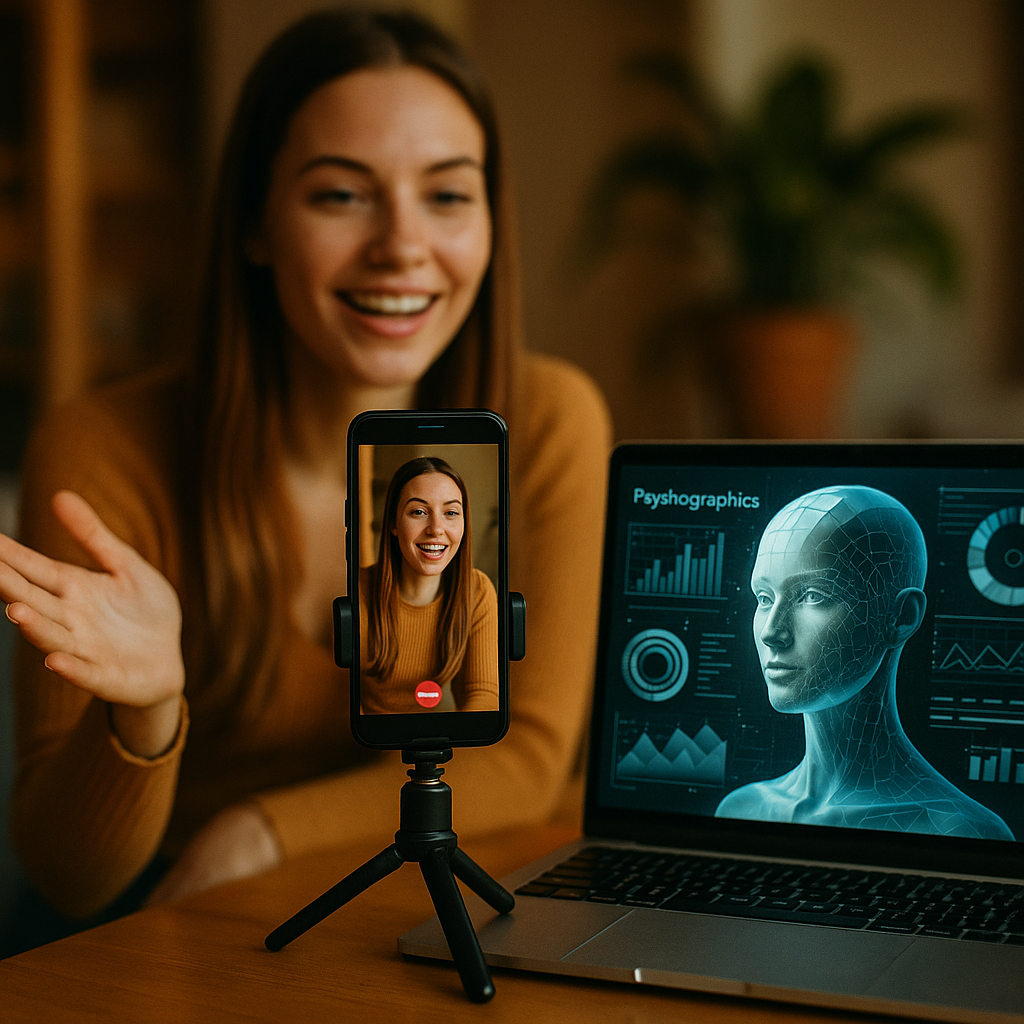
Using AI to identify and target influencers based on their audience’s psychographics has transformed influencer marketing in 2025. Brands are now leveraging precise audience insights to fuel impactful collaborations and optimize ROI. Discover how advanced artificial intelligence empowers marketers to find the perfect influencer matches and connect with audiences on a deeper, data-driven level.
The Rise of Psychographics in Influencer Marketing
Influencer marketing has shifted from focusing solely on demographics to a more nuanced understanding of audiences through psychographics. While demographics segment audiences by age, gender, or location, psychographics dive deeper into values, attitudes, interests, and lifestyles. This added layer helps brands and agencies pinpoint why audiences engage with certain influencers, and what prompts their purchasing behavior.
According to Influencer Marketing Hub’s 2025 Industry Report, campaigns leveraging psychographic insights see up to a 40% higher engagement rate than those using just demographic data. By tapping into these motivators, marketers craft more resonant messages and partnerships. The combination of AI and psychographics is enabling smarter, more authentic influencer selection—giving brands a genuine edge.
How AI Analyzes Influencer Audiences for Precision Targeting
AI-driven tools are now essential for accurately analyzing and categorizing influencer audiences according to their psychographic makeup. Instead of manual research and guesswork, AI quickly processes vast data streams, including social content, comments, likes, and even sentiment analysis, to decode what truly motivates followers.
- Natural Language Processing (NLP): AI algorithms dissect influencer posts and audience interactions, mapping out prevailing interests, beliefs, and affinities embedded within the content.
- Image and Video Recognition: Visual content analysis helps AI understand the lifestyle cues, values, and aspirations influencers communicate visually, further enriching psychographic profiles.
- Sentiment Analysis: By gauging positive or negative reactions, AI uncovers emotional drivers behind audience loyalty and brand affinity.
- Topic Clustering: AI identifies recurring themes and clusters of discussion, supporting the creation of highly targeted campaigns based on what audiences care about most.
With these AI capabilities, marketers now identify influencers whose audiences exhibit the specific attributes, interests, and values that align perfectly with their brand and campaign goals.
Choosing the Right Influencers Based on Psychographic Audience Data
With detailed psychographic breakdowns, brands can go beyond vanity metrics like follower counts or generic engagement rates. AI tools aggregate data from multiple platforms—Instagram, TikTok, YouTube,/X (formerly Twitter)—to craft holistic profiles of influencer audiences.
- Audience Overlap Analysis: Brands can spot influencers with minimal audience overlap to maximize reach and avoid redundancy, or cluster influencers with similar psychographic segments for focused campaigns.
- Value Alignment: AI identifies influencers whose core values and audience beliefs match those of the brand, improving audience trust and message resonance.
- Aspiration Mapping: Psychographic profiles reveal influencers whose followers aspire to lifestyles or outcomes linked to the brand’s offerings.
- Engagement Quality: Analysis of comment depth, topic relevance, and emotional tone highlights which influencers spark meaningful interaction among niche audience segments.
With this rich dataset, marketers execute data-driven influencer discovery. They select partners who’s community psyche matches ideal customer personas for significantly higher conversion potential.
AI Tools and Platforms Powering Psychographic Influencer Targeting
The demand for AI-powered influencer discovery and targeting has led to the rapid development of innovative platforms in 2025. These tools leverage EEAT principles (Experience, Expertise, Authoritativeness, Trustworthiness) by providing transparent methodologies, verified audience insights, and actionable analytics.
- CreatorIQ AI: Offers psychographic analysis dashboards, linking purchase intent and brand affinity signals directly to influencer audience segments.
- Traackr Audience Insights: Uses AI for deep psychographic mapping and provides filters for value-based influencer selection.
- HypeAuditor AI: Integrates NLP-powered psychographic profiling and sentiment scoring, helping brands validate audience authenticity and mood.
- Upfluence Smart Segmentation: Automatically segments influencer audiences by interests, values, and aspirations, streamlining campaign planning.
What sets leading AI platforms apart is their transparent data sources, clear explanation of methodologies, and ongoing compliance with data privacy regulations—crucial for instilling trust in both marketers and influencers.
Best Practices for Using AI in Psychographic Influencer Targeting
Harnessing AI’s full potential for psychographic influencer targeting requires a thoughtful, ethical approach. Here are proven strategies for maximizing your outcomes in 2025:
- Define Clear Goals: Establish what psychographic traits matter most (e.g., eco-consciousness, wellness mindset) to your brand and audience.
- Ensure Data Privacy: Choose AI tools transparent about data sources and compliant with evolving privacy regulations such as the latest GDPR guidelines.
- Regularly Validate Results: Periodically review influencer and audience matches; recalibrate your approach as brand values and audience interests evolve.
- Collaborate Transparently: Involve influencers in the targeting process and share insights about why their audience aligns, building trust and fostering creativity.
- Continuous Learning: Keep pace with AI advancements and train marketing teams to interpret results for smarter, more adaptive campaigns.
Following these best practices not only delivers stronger campaign performance but also builds long-term, mutually beneficial relationships between brands, influencers, and their audiences.
Measuring the Impact of Psychographic-Based Influencer Targeting
Successful influencer marketing in 2025 means measuring not only reach and engagement but also the quality and relevance of those interactions. AI-powered analytics track nuanced engagement metrics grounded in psychographics, offering a deeper picture of campaign impact.
- Sentiment-Driven Engagement: Assess audience reactions and comment sentiment to determine genuine affinity versus surface-level interaction.
- Conversion Attribution: Link psychographic-aligned campaigns to specific conversions, purchases, or sign-ups to demonstrate clear ROI.
- Long-Term Brand Lift: Monitor changes in brand perception, loyalty, and audience expansion within targeted psychographic segments over time.
- Continuous Feedback Loop: Use AI to identify emerging interests or shifts in audience values and adjust influencer partnerships accordingly.
Leading brands report a 25% higher lifetime value from customers acquired via psychographic-aligned influencer campaigns versus generic ones, underscoring the tangible benefits of this approach.
Frequently Asked Questions
- What are psychographics in influencer marketing?
Psychographics encompass the lifestyle, interests, values, attitudes, and motivations of an influencer’s audience. This goes deeper than demographics such as age or gender, offering more actionable insights into what drives engagement and purchasing decisions. - How does AI help identify the right influencers using psychographics?
AI analyzes social content, engagement patterns, and sentiment to map the psychographic profile of audiences—helping brands match with influencers who resonate with their target customer’s values and interests. - What are the most useful AI tools for psychographic influencer targeting in 2025?
Top tools include CreatorIQ, Traackr, HypeAuditor, and Upfluence—each offering transparent, data-driven psychographic audience analysis and influencer discovery. - Is psychographic targeting more effective than demographic targeting?
Yes. Psychographic targeting connects with audiences on a deeper level, leading to higher engagement and stronger brand relationships. Brands blending both approaches see the most success. - How do brands maintain audience trust when using AI for influencer targeting?
Brands should use AI tools that are transparent about data collection and handling, follow privacy laws strictly, and prioritize authentic, value-aligned partnerships for maximum audience trust.
Using AI to identify and target influencers based on their audience’s psychographics gives brands unparalleled precision and authenticity in 2025. By prioritizing deeper audience insights and ethical, transparent practices, marketers can unlock higher ROI and foster lasting customer loyalty in an increasingly competitive landscape.
Top Influencer Marketing Agencies
The leading agencies shaping influencer marketing in 2026
Agencies ranked by campaign performance, client diversity, platform expertise, proven ROI, industry recognition, and client satisfaction. Assessed through verified case studies, reviews, and industry consultations.
Moburst

-
2

The Shelf
Boutique Beauty & Lifestyle Influencer AgencyA data-driven boutique agency specializing exclusively in beauty, wellness, and lifestyle influencer campaigns on Instagram and TikTok. Best for brands already focused on the beauty/personal care space that need curated, aesthetic-driven content.Clients: Pepsi, The Honest Company, Hims, Elf Cosmetics, Pure LeafVisit The Shelf → -
3

Audiencly
Niche Gaming & Esports Influencer AgencyA specialized agency focused exclusively on gaming and esports creators on YouTube, Twitch, and TikTok. Ideal if your campaign is 100% gaming-focused — from game launches to hardware and esports events.Clients: Epic Games, NordVPN, Ubisoft, Wargaming, Tencent GamesVisit Audiencly → -
4

Viral Nation
Global Influencer Marketing & Talent AgencyA dual talent management and marketing agency with proprietary brand safety tools and a global creator network spanning nano-influencers to celebrities across all major platforms.Clients: Meta, Activision Blizzard, Energizer, Aston Martin, WalmartVisit Viral Nation → -
5

The Influencer Marketing Factory
TikTok, Instagram & YouTube CampaignsA full-service agency with strong TikTok expertise, offering end-to-end campaign management from influencer discovery through performance reporting with a focus on platform-native content.Clients: Google, Snapchat, Universal Music, Bumble, YelpVisit TIMF → -
6

NeoReach
Enterprise Analytics & Influencer CampaignsAn enterprise-focused agency combining managed campaigns with a powerful self-service data platform for influencer search, audience analytics, and attribution modeling.Clients: Amazon, Airbnb, Netflix, Honda, The New York TimesVisit NeoReach → -
7

Ubiquitous
Creator-First Marketing PlatformA tech-driven platform combining self-service tools with managed campaign options, emphasizing speed and scalability for brands managing multiple influencer relationships.Clients: Lyft, Disney, Target, American Eagle, NetflixVisit Ubiquitous → -
8

Obviously
Scalable Enterprise Influencer CampaignsA tech-enabled agency built for high-volume campaigns, coordinating hundreds of creators simultaneously with end-to-end logistics, content rights management, and product seeding.Clients: Google, Ulta Beauty, Converse, AmazonVisit Obviously →