


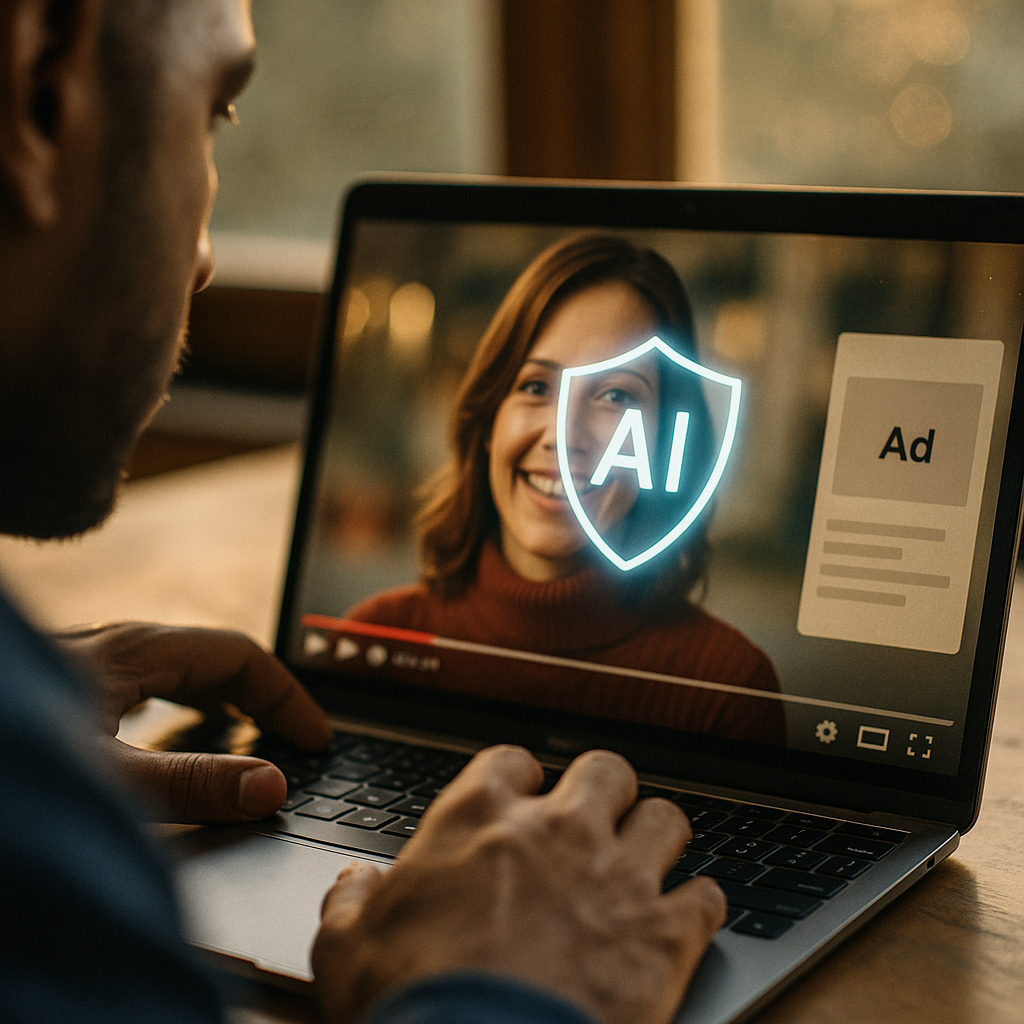
AI for detecting “deepfake” brand impersonations in ads has become a crucial asset in the fight against digital disinformation and corporate fraud. As brands strive to protect their reputation, the surge in sophisticated deepfake ads poses new security risks. Explore how advanced AI is reshaping digital brand protection and learn what businesses can do to stay ahead of threats.
Understanding Deepfake Brand Impersonation in Digital Advertising
Deepfake technology utilizes artificial intelligence and machine learning to manipulate audio, images, or videos in a way that makes it appear real. In the advertising world, this technology is increasingly used for brand impersonation — malicious actors use deepfakes to imitate legitimate brands in ads, misleading consumers and damaging business reputations.
The implications of deepfake brand impersonation include:
- Consumer trust erosion: Customers who fall victim to deceptive ads may lose trust in brands, significantly lowering customer loyalty.
- Financial loss: Impersonated ads can redirect potential sales or lead to costly legal battles.
- Spread of misinformation: Deepfake ads often include false claims, sowing confusion in the marketplace.
Brand leaders must understand the mechanics behind these threats to deploy effective countermeasures and protect digital touchpoints.
The Growing Need for AI-Powered Brand Protection Solutions
The escalation in deepfake sophistication, fueled by accessible AI tools, has made detecting fake content nearly impossible with traditional methods. According to a 2025 report by Cybersecurity Insights, over 62% of brand security incidents involved AI-altered media, with a sharp rise in fake video ads.
Key reasons companies are prioritizing AI-powered brand protection:
- Scale of Threats: Brand assets are distributed across countless digital platforms, making manual monitoring impractical.
- Speed of Detection: Automated AI systems analyze and flag potentially manipulated ads in seconds, reducing the damage window.
- Continuous Learning: Modern AI detectors adapt as deepfake technology evolves, maintaining robust defenses.
Relying on human oversight or simple filters is insufficient in 2025’s advertising landscape. Brands embracing advanced AI detection gain a significant advantage.
How AI Detects Deepfake Ads and Impersonations
AI detection engines leverage large datasets, machine vision, and language processing to identify deepfake brand impersonations in ads. Here’s how the process typically unfolds:
- Media Analysis: AI algorithms scan images, video, and audio for telltale signs of manipulation—these include inconsistencies in facial movements, unnatural speech patterns, or unusual video artifacts.
- Brand Verification: Systems cross-check logos, taglines, and other brand identifiers with official databases. Fake or altered branding triggers alerts.
- Source Authentication: AI tools evaluate the origin of the ad, tracing down IP addresses and metadata to verify legitimacy and detect fraudulent actors.
- Natural Language Processing (NLP): Advanced NLP models analyze ad copy for tone, grammar, and sentiment, flagging language that departs from a brand’s official communication style.
Leading platforms may combine these approaches for a multi-factor verification, dramatically increasing detection accuracy. According to DeepSecure Labs, their AI models now achieve over 94% accuracy in flagging deepfake brand impersonations, a significant leap from previous years.
Key Features Businesses Should Look For in AI Deepfake Detection Tools
Not all AI detection solutions are created equal—brands must evaluate providers critically to ensure comprehensive protection. Essential features include:
- Real-time Monitoring: The ability to constantly scan major ad networks, social channels, and video platforms for unauthorized content.
- Customizable Alerts: Tailored notifications that suit the brand’s escalation pathways, allowing faster internal response.
- Integration Capabilities: APIs or plugins that fit seamlessly with existing brand protection, fraud, or content moderation systems.
- Transparent Reporting: Detailed audit logs and actionable insights to aid compliance and legal action if needed.
- Adaptive Learning: Advanced systems that update detection protocols autonomously as deepfake tactics evolve.
Choosing AI tools with these capabilities not only mitigates reputational risks but also empowers organizations to respond swiftly to emerging threats.
Implementing AI for Deepfake Ad Detection: Best Practices for Brands
Building a resilient defense against deepfake brand impersonations in ads requires more than just technology. The following best practices help ensure maximum efficacy and compliance:
- Educate Teams: Regularly train your marketing, legal, and IT departments on evolving deepfake risks, so everyone recognizes potential threats.
- Set Clear Incident Protocols: Establish workflows for investigating and responding to flagged content, including escalation paths and timelines.
- Collaborate With Platforms: Partner with major advertising channels to streamline the takedown process and share real-time threat data.
- Update Digital Assets: Frequently refresh and securely store official brand assets, making it harder for forgers to access or mimic core identifiers.
- Monitor Regulatory Changes: Keep pace with evolving privacy and content laws, ensuring your detection efforts align with current legislation.
By proactively strengthening internal and external systems, brands can outpace cybercriminals aiming to exploit their identity.
The Future of AI in Safeguarding Brands Against Ad Fraud
The evolution of AI for detecting deepfake brand impersonations shows no sign of slowing. As deepfake tools become more accessible, next-generation detection solutions are expected to leverage federated learning, privacy-preserving algorithms, and even decentralized monitoring using blockchain.
Brands should anticipate:
- Higher Detection Speeds: AI models deployed at the network edge, enabling almost instant identification of fraudulent ads as they launch.
- Collaborative Defense Networks: Consortia of brands and platforms pooling anonymized detection data for collective threat intelligence.
- Improved Human-AI Collaboration: Sophisticated AI tools empowering brand specialists, not replacing them, for optimal risk management.
As 2025 unfolds, staying at the cutting edge of AI detection is not just smart—it’s essential for digital brand survival.
FAQs About AI and Deepfake Brand Impersonation in Advertising
- What is a deepfake brand impersonation ad?
A deepfake brand impersonation ad is a digital advertisement that uses AI to convincingly mimic a legitimate brand’s identity, often through fake logos, videos, or messaging. - How does AI detect deepfake ads?
AI detection tools analyze media files for technical inconsistencies, verify official branding, authenticate ad sources, and use NLP to spot unusual language or tone. - How accurate is AI in detecting deepfake brand impersonations?
Modern AI-powered systems, like those from DeepSecure Labs, report detection accuracy rates above 94%, offering robust safeguards for brands in 2025. - Can AI tools remove deepfake ads automatically?
While some AI platforms offer automation, most still involve human verification before ad removal to avoid false positives and legal complications. - What should a business do if their brand is impersonated in a deepfake ad?
Brands should use AI tools to identify the ad, contact platform operators for takedown, notify legal counsel, and communicate transparently with their customers to limit reputational harm.
In summary, AI for detecting “deepfake” brand impersonations in ads empowers businesses to protect their reputation and customers in a rapidly evolving digital world. Investing in advanced, adaptive detection is now a non-negotiable for brands committed to security and trust.
Top Influencer Marketing Agencies
The leading agencies shaping influencer marketing in 2026
Agencies ranked by campaign performance, client diversity, platform expertise, proven ROI, industry recognition, and client satisfaction. Assessed through verified case studies, reviews, and industry consultations.
Moburst

-
2

The Shelf
Boutique Beauty & Lifestyle Influencer AgencyA data-driven boutique agency specializing exclusively in beauty, wellness, and lifestyle influencer campaigns on Instagram and TikTok. Best for brands already focused on the beauty/personal care space that need curated, aesthetic-driven content.Clients: Pepsi, The Honest Company, Hims, Elf Cosmetics, Pure LeafVisit The Shelf → -
3

Audiencly
Niche Gaming & Esports Influencer AgencyA specialized agency focused exclusively on gaming and esports creators on YouTube, Twitch, and TikTok. Ideal if your campaign is 100% gaming-focused — from game launches to hardware and esports events.Clients: Epic Games, NordVPN, Ubisoft, Wargaming, Tencent GamesVisit Audiencly → -
4

Viral Nation
Global Influencer Marketing & Talent AgencyA dual talent management and marketing agency with proprietary brand safety tools and a global creator network spanning nano-influencers to celebrities across all major platforms.Clients: Meta, Activision Blizzard, Energizer, Aston Martin, WalmartVisit Viral Nation → -
5

The Influencer Marketing Factory
TikTok, Instagram & YouTube CampaignsA full-service agency with strong TikTok expertise, offering end-to-end campaign management from influencer discovery through performance reporting with a focus on platform-native content.Clients: Google, Snapchat, Universal Music, Bumble, YelpVisit TIMF → -
6

NeoReach
Enterprise Analytics & Influencer CampaignsAn enterprise-focused agency combining managed campaigns with a powerful self-service data platform for influencer search, audience analytics, and attribution modeling.Clients: Amazon, Airbnb, Netflix, Honda, The New York TimesVisit NeoReach → -
7

Ubiquitous
Creator-First Marketing PlatformA tech-driven platform combining self-service tools with managed campaign options, emphasizing speed and scalability for brands managing multiple influencer relationships.Clients: Lyft, Disney, Target, American Eagle, NetflixVisit Ubiquitous → -
8

Obviously
Scalable Enterprise Influencer CampaignsA tech-enabled agency built for high-volume campaigns, coordinating hundreds of creators simultaneously with end-to-end logistics, content rights management, and product seeding.Clients: Google, Ulta Beauty, Converse, AmazonVisit Obviously →