


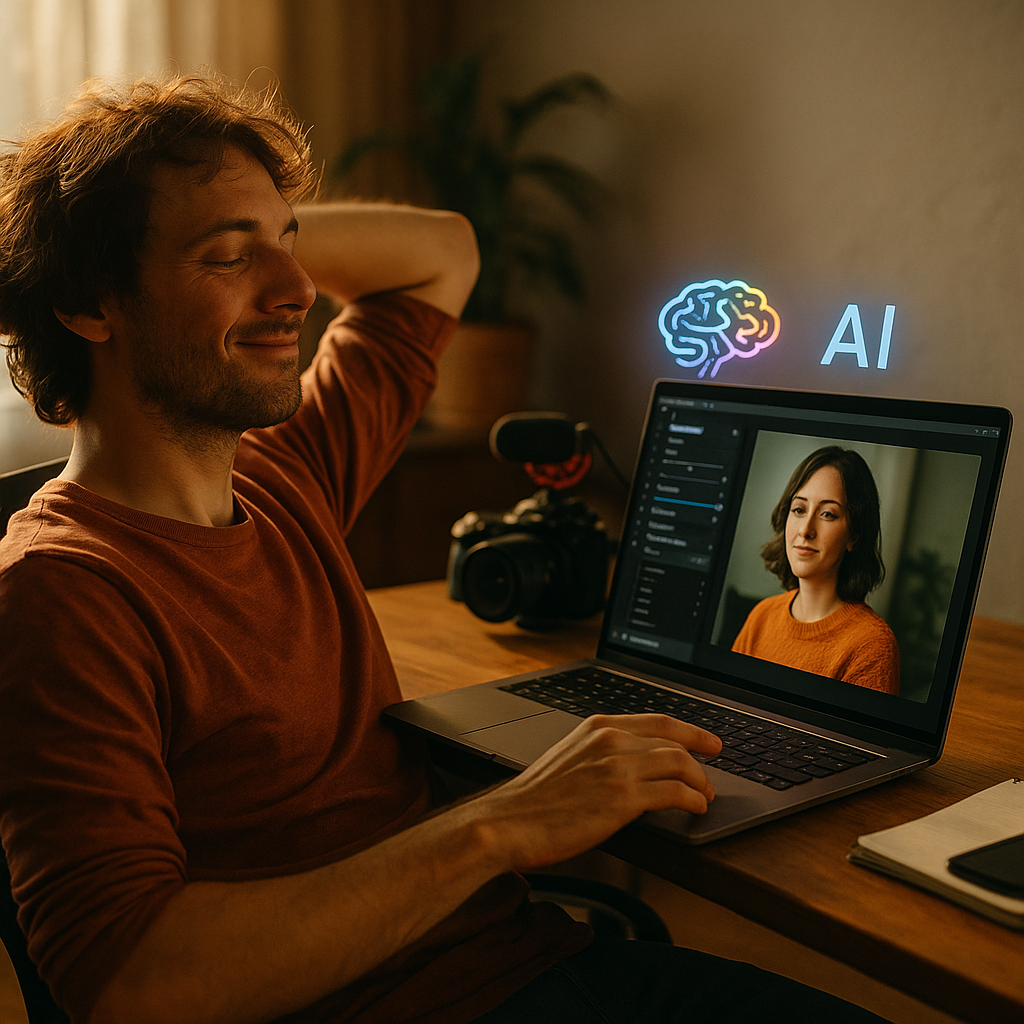
AI tools that predict creator creative fatigue are transforming the way content creators manage their productivity and well-being. As the creator economy rapidly expands, anticipating and preventing burnout becomes ever more crucial. Are you curious about which AI-driven innovations are making this possible and how they actually work? Let’s dive into these pioneering solutions.
Understanding Creator Creative Fatigue: Definition and Impact
Creative fatigue describes the mental exhaustion and diminishing inspiration that content creators experience after extended periods of work without sufficient rest or stimulation. With nearly 80 million people worldwide participating in the creator economy in 2025, creative fatigue has moved beyond anecdotal complaint into a measurable workplace challenge.
The results of creative fatigue can be devastating: declining content quality, missed deadlines, reduced subscriber engagement, and even long-term career disruption. A recent survey from Creator Economy Insights found that over 68% of full-time creators reported symptoms of burnout in the past year. This has led to a clear demand for proactive, data-driven solutions.
How AI Tools Detect and Predict Creative Fatigue
Sophisticated AI tools now leverage a blend of machine learning, natural language processing, and behavioral analytics to assess creators’ work patterns and well-being. For example, sentiment analysis can identify changes in tone or emotional energy in posts, while rhythm-tracking algorithms flag shifts in output frequency or engagement.
These tools often analyze data such as:
- Posting frequency and irregularities
- Time of day content is created or uploaded
- Language patterns and sentiment in communications
- User engagement metrics and feedback quality
AI models are then trained on these datasets to flag warning signs, offering both creators and their managers early warnings before fatigue escalates to burnout. The predictive capabilities are enhanced as creators opt into providing more personal context, including sleep, mood, or workload data.
Top AI Tools That Predict Creator Creative Fatigue
Several standout AI platforms have emerged in 2025, each taking a slightly different approach to the challenge of predicting creative fatigue. Here are some of the most reliable options available right now:
- NeuraVoice: Utilizes speech and written tone analysis to measure emotional intensity and flag drops in motivation. Its integration with major content management systems means seamless insights without extra effort from the user.
- MuseGuard: Focuses on behavioral patterns across platforms and alerts users when risk factors for fatigue—such as late-night uploads or skipped breaks—cross statistically significant thresholds.
- WellGenius Creator: Pairs wearable tracking data with creative workflow analyses, giving a holistic view of physical and psychological stress influencing content quality.
- EngageAI Studio: Mines audience interaction data for signs that a creator’s usual enthusiasm or response style is dropping, offering real-time alerts and content calendar suggestions for recovery periods.
All these platforms follow strong ethical privacy protocols, aligning with current data protection legislation and giving users transparency and control over how their information is used.
Benefits of Predicting Creative Fatigue for Content Creators
AI-driven prediction of creative fatigue offers creators a strategic advantage. By identifying early signs of burnout, they can take necessary breaks or adjust their routines before productivity and creativity truly suffer. Key benefits include:
- Consistent Content Quality: Automated reminders help creators uphold their standards by knowing when to recharge.
- Improved Well-being: Proactive alerts support better mental and emotional health, reducing the risk of long-term professional or personal impact.
- Better Planning and Collaboration: Insights from fatigue predictors enable smarter workload distribution and set realistic expectations with brands or partners.
- Audience Retention: Consistency is key; addressing fatigue early helps creators maintain trust and loyalty among their followers.
The emphasis is not just on productivity but on sustainable creativity and career health.
Challenges and Ethical Considerations of AI Fatigue Detection Tools
While the technology is promising, several challenges and ethical concerns remain for creators and tool developers alike:
- Privacy: As AI tools analyze sensitive behavioral and emotional data, robust encryption and user consent are vital to protect individuals’ information.
- False Positives or Negatives: AI predictions are only as effective as the data provided. Erroneous alerts may either alarm creators or falsely assure them.
- Dependence on Technology: Over-reliance on AI recommendations could undermine self-awareness or ignore qualitative factors unique to each creator.
- Data Bias: Machine learning models must be routinely audited to ensure they do not reinforce harmful stereotypes or overlook marginalized creator experiences.
Industry leaders recommend a hybrid approach, blending AI insights with human intuition and periodic self-reflection. Users should also routinely review their own data sharing preferences as technology evolves.
Best Practices for Adopting AI Predictive Tools in the Creator Economy
To maximize benefits and minimize risks, creators adopting AI tools that predict creative fatigue should follow evidence-based best practices:
- Choose Transparent Platforms: Prioritize tools that offer clear data usage policies and user controls.
- Integrate with Existing Workflows: Opt for AI solutions that work seamlessly with your current content creation tools to minimize distractions.
- Regularly Review and Adjust Settings: Adjust system thresholds and data permissions as your creative rhythm evolves.
- Balance Automated Feedback with Human Support: Consult peers, mentors, or mental health professionals if the AI raises concerns.
- Educate Yourself: Stay updated on new research and developments in AI-driven wellness to make informed decisions about tool adoption.
Involving your community in feedback loops can further improve tool accuracy and relevance, creating a safer and more sustainable creator environment.
FAQs: AI Tools for Predicting Creator Creative Fatigue
-
How accurate are AI tools in predicting creative fatigue?
Most leading AI tools achieve predictive accuracy rates above 85%, especially when users provide frequent and honest input. However, effectiveness depends on personal context and consistent data tracking. -
Is my personal data safe with these tools?
Reputable platforms use end-to-end encryption and comply with strict privacy regulations, giving users control over data sharing and deletion. -
Can AI tools help teams as well as individuals?
Yes, many solutions offer team dashboards, helping managers distribute workloads evenly and spot fatigue risks across groups. -
What should I do if an AI tool alerts me to fatigue?
Pause and assess your workload. Consider a short break, rearrange pending tasks, and if needed, consult a colleague or wellness professional. -
Are these AI fatigue prediction tools suitable for all creator platforms?
Most modern AI solutions support major platforms such as YouTube, Instagram, TikTok, and podcast networks. Always check compatibility before signing up.
AI tools that predict creator creative fatigue are empowering creators with actionable insights to maintain quality and well-being. By understanding their benefits and challenges, and implementing best practices, creators can thrive sustainably in the dynamic digital landscape. Invest in the right tools to protect both your passion and your profession.