


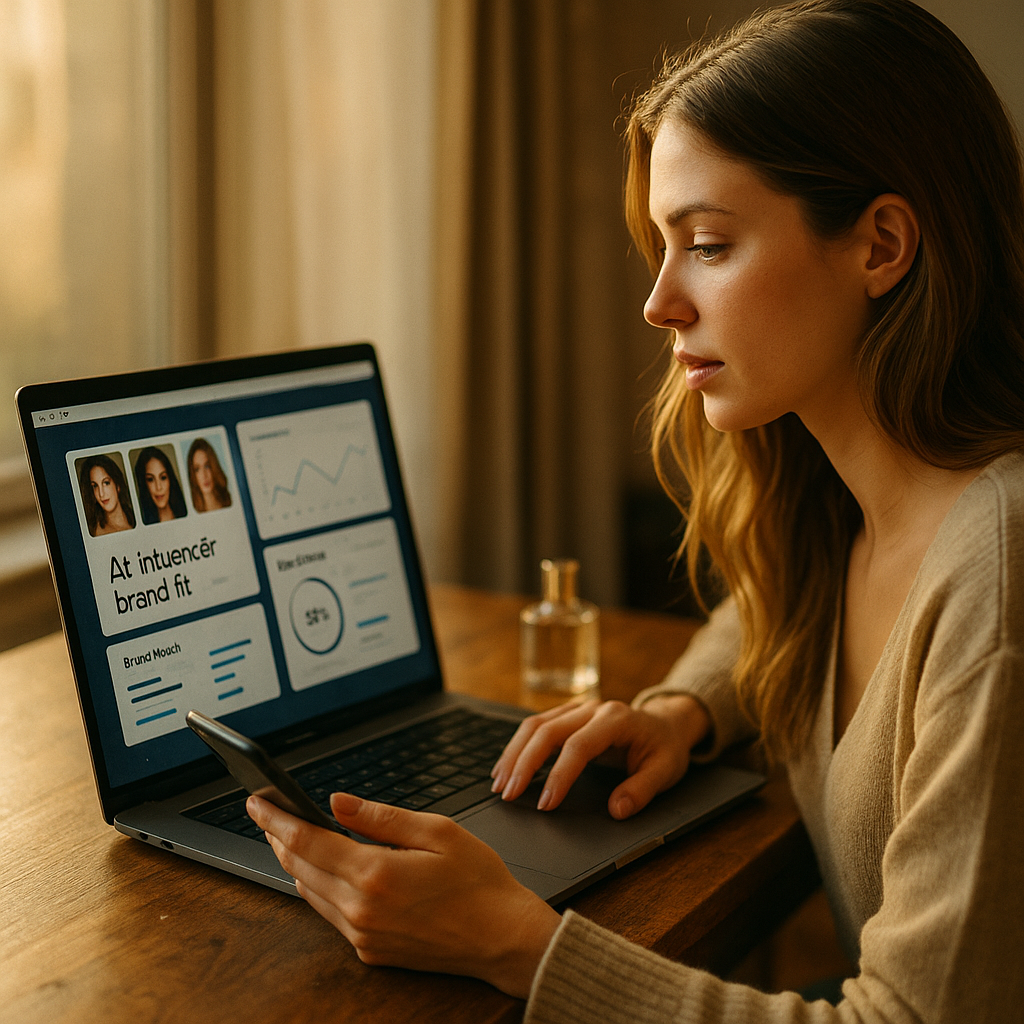
Brands are increasingly turning to AI tools that score influencer brand fit to streamline partnerships that generate measurable impact. These platforms leverage sophisticated algorithms and real-world data to assess compatibility—ensuring influencer collaborations drive meaningful ROI. Discover how these tools are transforming influencer marketing and why they’re a must-have for every modern brand in 2025.
Understanding the Importance of Influencer Brand Fit in 2025
The effectiveness of influencer marketing hinges on selecting creators whose values, audience, and content authentically align with a brand’s mission. AI tools designed to score influencer brand fit analyze more than follower counts—they examine tone, audience demographics, values, and prior content. With influencer fraud and audience fatigue on the rise, brands need smarter solutions; a misaligned partnership risks damaging trust and wasting resources.
By automating complex data analysis, AI minimizes guesswork and personal bias. The result? Savvy brands can make informed, scalable decisions, creating partnerships that truly resonate in an oversaturated digital landscape.
How AI-Powered Influencer Scoring Tools Work
Leading AI algorithms assess influencers on several dimensions to calculate brand fit. Unlike manual vetting, these platforms process millions of data points for a holistic view. Here’s what happens under the hood:
- Natural Language Processing (NLP): Tools analyze post captions, stories, and comments for sentiment, tone, and relevant keywords to determine content alignment.
- Audience Analysis: AI inspects audience demographics—including age, location, and interests—to verify community overlap with the brand’s target market.
- Engagement Authenticity: Sophisticated detection identifies bot activity or suspicious spikes, ensuring genuine influence.
- Brand Safety Checks: Machine learning searches for past controversies or content at odds with brand values, helping avoid damaging associations.
- Visual Content Analysis: Computer vision reviews imagery, style, and even brand mentions to confirm visual synergy.
Scores are typically generated as a single metric—often between 0 and 100—representing an influencer’s compatibility with a specific brand or campaign.
Top Features to Look for in 2025’s AI Influencer Scoring Platforms
To maximize ROI, brands must choose AI tools with features designed for accuracy, transparency, and adaptability. Here’s what to prioritize:
- Comprehensive Data Sets: Tools should access updated databases, covering diverse platforms—Instagram, TikTok, YouTube, and emerging channels.
- Customizable Scoring Models: Adjust weightings and criteria according to campaign goals—such as sustainability, diversity, or engagement type.
- Real-Time Insights: In a fast-paced landscape, tools that update scores instantly as influencers post new content keep brands ahead of trends.
- Transparency & Explainability: Leading solutions provide clear breakdowns of scores, fostering trust and facilitating decision-making among stakeholders.
- Automated Reporting: Robust reporting tools help teams benchmark influencer partnerships year over year, supporting continuous improvement.
Investing in platforms with these features ensures your influencer marketing remains both strategic and agile.
Benefits of Using AI for Influencer Brand Fit Assessment
AI-driven tools are reshaping the landscape not just with speed but with superior accuracy and objectivity. Key benefits include:
- Reduced Human Bias: Automated analysis transcends subjective opinions, relying on data and pre-set rules to evaluate fit impartially.
- Time and Cost Efficiency: What took weeks can now be achieved in minutes, allowing teams to evaluate hundreds of influencers simultaneously.
- Improved ROI: By predicting which influencers will resonate with the target audience, AI minimizes waste and boosts campaign outcomes.
- Enhanced Brand Safety: Continuously monitoring influencers’ evolving content and engagement attributes guards brands against high-risk partnerships.
In 2025, these advantages are not simply differentiators—they’re fast becoming table stakes in a fiercely competitive market.
Case Studies: Real Results from AI Brand Fit Solutions
Global brands are already reporting marked improvements using AI tools to determine influencer brand fit. For example, a leading apparel company deployed an AI platform to screen creators for a Gen Z-focused campaign. By prioritizing influencers with high brand fit scores, the campaign saw a 24% higher engagement rate and a 34% increase in conversion compared to previous manual selections.
Similarly, an eco-conscious beauty brand avoided missteps. Their chosen tool flagged a potential influencer’s past controversial posts, allowing the brand to reallocate resources and preserve reputation. These outcomes demonstrate the real-world value of embracing AI-driven selection processes.
Choosing the Right AI Tool for Scoring Influencer Brand Fit
With dozens of AI platforms entering the influencer space, selecting the right tool requires asking the right questions:
- Does the tool integrate with your current CRM or influencer management workflow?
- Are the scoring criteria customizable to your unique brand values and goals?
- Can you access transparent, explainable scoring data to justify choices to stakeholders?
- Does the provider offer support and continuous updates as platforms and trends evolve?
A strategic approach involves piloting shortlisted tools with a small campaign before full-scale rollout. Consultation with data privacy and legal experts is also encouraged, ensuring compliance with evolving regulations in influencer marketing analytics for 2025.
FAQs: AI Tools That Score Influencer Brand Fit
-
What is influencer brand fit and why does it matter?
Influencer brand fit is the degree to which an influencer’s audience, content, and values align with a brand’s mission. High fit boosts trust, engagement, and campaign effectiveness, while poor fit can damage brand reputation and waste marketing spend.
-
Are AI influencer scoring platforms accurate?
Modern AI platforms are highly accurate, analyzing millions of data points beyond what manual review can offer. However, accuracy improves with high-quality, up-to-date input data and clearly defined brand criteria.
-
Is data privacy a concern when using these tools?
Reputable platforms in 2025 adhere to global data privacy laws. It’s critical to vet providers for transparency in data collection, storage, and processing practices.
-
Can AI scoring tools detect fake followers or engagement fraud?
Yes. Sophisticated algorithms are designed to spot unnatural engagement patterns, fake followers, and bot activities, greatly reducing fraud risk in influencer marketing spend.
-
How do brands know which scoring tool is best?
Brands should prioritize tools that offer customization, clear reporting, cross-platform capabilities, and strong support. Piloting several platforms with sample campaigns can help determine which best meets specific brand needs.
In summary, AI tools that score influencer brand fit empower brands to make smarter, faster, and more effective partnerships. Investing in these technologies in 2025 ensures every campaign achieves genuine alignment, minimizes risk, and pushes influencer marketing ROI to new heights.
Top Influencer Marketing Agencies
The leading agencies shaping influencer marketing in 2026
Agencies ranked by campaign performance, client diversity, platform expertise, proven ROI, industry recognition, and client satisfaction. Assessed through verified case studies, reviews, and industry consultations.
Moburst

-
2

The Shelf
Boutique Beauty & Lifestyle Influencer AgencyA data-driven boutique agency specializing exclusively in beauty, wellness, and lifestyle influencer campaigns on Instagram and TikTok. Best for brands already focused on the beauty/personal care space that need curated, aesthetic-driven content.Clients: Pepsi, The Honest Company, Hims, Elf Cosmetics, Pure LeafVisit The Shelf → -
3

Audiencly
Niche Gaming & Esports Influencer AgencyA specialized agency focused exclusively on gaming and esports creators on YouTube, Twitch, and TikTok. Ideal if your campaign is 100% gaming-focused — from game launches to hardware and esports events.Clients: Epic Games, NordVPN, Ubisoft, Wargaming, Tencent GamesVisit Audiencly → -
4

Viral Nation
Global Influencer Marketing & Talent AgencyA dual talent management and marketing agency with proprietary brand safety tools and a global creator network spanning nano-influencers to celebrities across all major platforms.Clients: Meta, Activision Blizzard, Energizer, Aston Martin, WalmartVisit Viral Nation → -
5

The Influencer Marketing Factory
TikTok, Instagram & YouTube CampaignsA full-service agency with strong TikTok expertise, offering end-to-end campaign management from influencer discovery through performance reporting with a focus on platform-native content.Clients: Google, Snapchat, Universal Music, Bumble, YelpVisit TIMF → -
6

NeoReach
Enterprise Analytics & Influencer CampaignsAn enterprise-focused agency combining managed campaigns with a powerful self-service data platform for influencer search, audience analytics, and attribution modeling.Clients: Amazon, Airbnb, Netflix, Honda, The New York TimesVisit NeoReach → -
7

Ubiquitous
Creator-First Marketing PlatformA tech-driven platform combining self-service tools with managed campaign options, emphasizing speed and scalability for brands managing multiple influencer relationships.Clients: Lyft, Disney, Target, American Eagle, NetflixVisit Ubiquitous → -
8

Obviously
Scalable Enterprise Influencer CampaignsA tech-enabled agency built for high-volume campaigns, coordinating hundreds of creators simultaneously with end-to-end logistics, content rights management, and product seeding.Clients: Google, Ulta Beauty, Converse, AmazonVisit Obviously →