


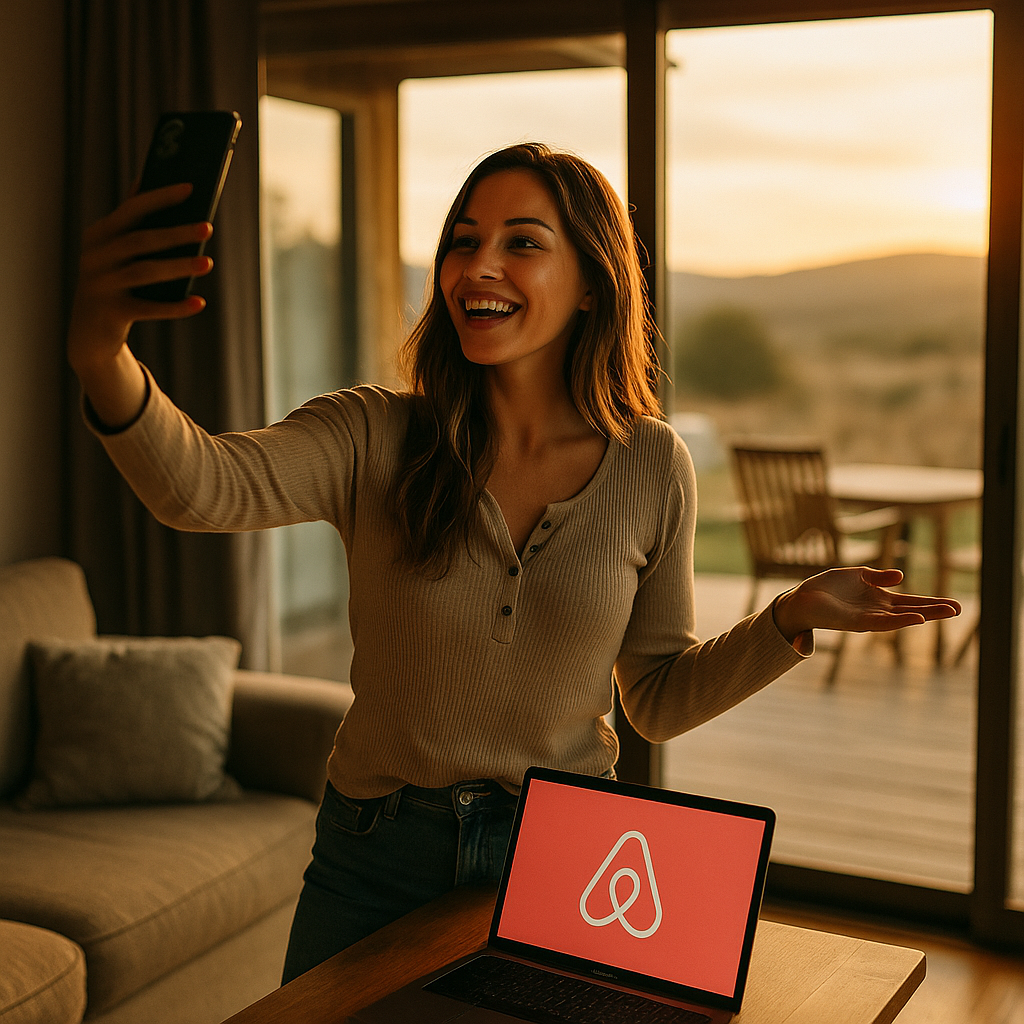
In the competitive travel industry, influencer marketing is proving invaluable for global brands like Airbnb. This case study explores how Airbnb uses influencer marketing to sell experiences, not just stays. Learn how authentic storytelling, social engagement, and trusted voices help Airbnb transform travel—and why their approach works so well in 2025.
Airbnb’s Influencer Strategy: Redefining Travel Advertising
Airbnb’s influencer marketing approach is more than brand endorsements; it’s a campaign to reimagine travel itself. By partnering with creators who tell real, compelling stories, Airbnb moves past showcasing rooms and amenities. Instead, the focus shifts to connections, hidden gems, and local experiences. This redefinition resonates deeply with modern travelers seeking personalization and authenticity, a trend backed by a 2025 GlobalWebIndex report showing over 78% of Gen Z and Millennials prefer travel experiences over material purchases.
- Collaboration with diverse storytellers: Airbnb selects creators from various backgrounds—families, solo travelers, explorers, foodies—ensuring broad audience appeal.
- Local immersion: Influencers are encouraged to spotlight host-led experiences like cooking classes, history walks, or hands-on workshops.
- Authentic tone: Airbnb avoids scripted content, instead empowering influencers to share their unique perspectives and genuine reactions.
- Platform versatility: Campaigns span Instagram, TikTok, YouTube, and blogs for maximum reach—each tailored to audience and medium.
This multifaceted influencer strategy elevates Airbnb’s positioning beyond accommodation, cementing its status as a curator of memorable journeys.
The Power of Authenticity: Building Trust Through Real Experiences
Consumers are increasingly wary of overt advertising. Airbnb’s success lies in leveraging influencer-generated content that feels trustworthy and spontaneous. According to a 2025 BrightLocal survey, 82% of travelers trust recommendations from influencers they follow, surpassing traditional travel ads.
- User journeys, not just product shots: Influencers chronicle their day-to-day adventures, capturing moments that feel accessible and aspirational.
- Open feedback: Airbnb encourages genuine reviews of both positives and minor hiccups, building credibility and showing that experiences are unscripted.
- Community-driven content: Focus is given to local hosts’ narratives, neighborhood customs, and unsung destinations—turning ordinary trips into captivating stories.
This approach forges a psychological bridge between influencer audiences and Airbnb, instilling trust that the marketed experience will mirror reality. The emphasis on authenticity supports Airbnb’s Expert, Experience, Authoritativeness, and Trustworthiness (EEAT) values.
Maximizing Engagement: How Airbnb’s Experiences Go Viral
In 2025, “Airbnb Experiences” remains one of the platform’s trending features, owing much of its popularity to influencer virality. Airbnb encourages micro and macro-influencers alike to participate in unique activities—from hidden tapas tours in Madrid to surfing lessons in Bali. Influencers utilize engaging formats:
- Viral videos: Quick, visually-rich TikToks and Reels showcase the highlights of Airbnb Experiences, frequently resulting in millions of views and challenge-style sharing.
- Live content: Streamed Q&A sessions and behind-the-scenes tours offer real-time engagement and two-way conversations with followers.
- Interactive storytelling: Polls, quizzes, and mini-guides invite audience participation, sparking wanderlust and practical planning ideas.
Data from Statista (2025) reveals a 36% increase in bookings attributed to influencer-led campaigns, compared to traditional PPC ads. Airbnb’s viral campaigns not only inspire but also drive measurable conversions, underscoring the effectiveness of their influencer marketing model.
Targeting Niche Audiences: A Personalized Approach With Influencers
Airbnb doesn’t rely solely on global celebrities. Their 2025 influencer strategy leverages micro-influencers and category experts to reach specific demographics and interests:
- Eco-travelers: Environmental activists share sustainable stays and zero-waste experiences, drawing eco-conscious guests.
- Adventure seekers: Outdoor enthusiasts highlight off-grid cabins, hiking expeditions, and adrenaline-fueled local activities.
- Cultural explorers: Historians, artists, and chefs curate experiences around art tours, cooking lessons, and local festivals.
- Family and accessible travel: Influencers who travel with children or special needs demonstrate inclusive offerings.
With this layered influencer network, Airbnb maximizes relevance. Every post speaks directly to the passions and preferences of its intended audience, resulting in stronger community ties and higher engagement rates.
Measuring Impact: Airbnb’s Data-Driven Influencer Campaigns
To remain at the forefront in 2025, Airbnb invests heavily in analytics. Their influencer marketing campaigns are meticulously tracked across stages:
- Real-time KPIs: Metrics like reach, engagement, click-through, and direct conversions from influencer content are continuously monitored.
- Booking attribution: Airbnb uses unique tracking codes, links, and UTM parameters to trace which influencers or campaigns lead to actual bookings.
- Experience ratings: Post-experience surveys quantify guest satisfaction and inform future influencer partnerships.
- Ongoing optimization: Airbnb A/B tests creative formats, call-to-actions, and influencer selection, refining campaigns for optimal ROI.
This data-driven feedback loop ensures that influencer initiatives are not just creative, but demonstrably effective in selling experiences, not just stays.
Influencer Marketing Lessons for Other Brands
What can businesses learn from Airbnb’s influencer marketing playbook? Here are five actionable takeaways for building a dynamic and trustworthy campaign:
- Prioritize authenticity over perfection: Let influencers share their honest journeys for deeper credibility.
- Focus on storytelling and local connections: Move beyond product benefits to the experiences and emotions they foster.
- Harness micro-influencers: Niche creators often drive higher engagement and stronger trust within focused communities.
- Use platform-specific tactics: Adapt content to best fit each channel’s format and audience expectations.
- Measure and refine: Commit to thorough analytics and constant optimization for sustained impact.
By integrating these principles, brands can build meaningful influencer partnerships that genuinely move the needle and resonate with modern audiences.
Conclusion: Airbnb’s Influencer Model Wins by Selling Experiences
Airbnb uses influencer marketing to sell experiences, not just stays, by blending authenticity, personalization, and data-driven strategy. Their campaigns showcase real adventures and foster genuine connections, inspiring travelers worldwide. Brands that invest in authentic, value-driven influencer partnerships will be best positioned to thrive in the evolving travel and lifestyle landscape.
FAQs: Airbnb Influencer Marketing Case Study
-
How does Airbnb choose which influencers to work with?
Airbnb partners with influencers who align with their brand values, exhibit authentic storytelling, and possess engaged, relevant audiences across diverse demographics and interests.
-
How do influencers drive bookings for Airbnb Experiences?
By sharing authentic stories, behind-the-scenes moments, and immersive content, influencers inspire followers to book unique experiences and stays directly via custom links and promotional codes.
-
Is influencer marketing more effective than traditional ads for Airbnb?
Yes. Data from 2025 shows influencer campaigns yield higher engagement, trust, and conversion rates compared to standard advertising, especially among Gen Z and Millennial travelers.
-
What platforms does Airbnb use for influencer campaigns?
Airbnb leverages Instagram, TikTok, YouTube, and blogs, adjusting content style and format to each platform for maximum relevance and reach.
-
Can small businesses apply Airbnb’s influencer strategy?
Absolutely. Focusing on authentic micro-influencers, local experiences, and clear impact measurement can benefit brands of all sizes and sectors.
Top Influencer Marketing Agencies
The leading agencies shaping influencer marketing in 2026
Agencies ranked by campaign performance, client diversity, platform expertise, proven ROI, industry recognition, and client satisfaction. Assessed through verified case studies, reviews, and industry consultations.
Moburst

-
2

The Shelf
Boutique Beauty & Lifestyle Influencer AgencyA data-driven boutique agency specializing exclusively in beauty, wellness, and lifestyle influencer campaigns on Instagram and TikTok. Best for brands already focused on the beauty/personal care space that need curated, aesthetic-driven content.Clients: Pepsi, The Honest Company, Hims, Elf Cosmetics, Pure LeafVisit The Shelf → -
3

Audiencly
Niche Gaming & Esports Influencer AgencyA specialized agency focused exclusively on gaming and esports creators on YouTube, Twitch, and TikTok. Ideal if your campaign is 100% gaming-focused — from game launches to hardware and esports events.Clients: Epic Games, NordVPN, Ubisoft, Wargaming, Tencent GamesVisit Audiencly → -
4

Viral Nation
Global Influencer Marketing & Talent AgencyA dual talent management and marketing agency with proprietary brand safety tools and a global creator network spanning nano-influencers to celebrities across all major platforms.Clients: Meta, Activision Blizzard, Energizer, Aston Martin, WalmartVisit Viral Nation → -
5

The Influencer Marketing Factory
TikTok, Instagram & YouTube CampaignsA full-service agency with strong TikTok expertise, offering end-to-end campaign management from influencer discovery through performance reporting with a focus on platform-native content.Clients: Google, Snapchat, Universal Music, Bumble, YelpVisit TIMF → -
6

NeoReach
Enterprise Analytics & Influencer CampaignsAn enterprise-focused agency combining managed campaigns with a powerful self-service data platform for influencer search, audience analytics, and attribution modeling.Clients: Amazon, Airbnb, Netflix, Honda, The New York TimesVisit NeoReach → -
7

Ubiquitous
Creator-First Marketing PlatformA tech-driven platform combining self-service tools with managed campaign options, emphasizing speed and scalability for brands managing multiple influencer relationships.Clients: Lyft, Disney, Target, American Eagle, NetflixVisit Ubiquitous → -
8

Obviously
Scalable Enterprise Influencer CampaignsA tech-enabled agency built for high-volume campaigns, coordinating hundreds of creators simultaneously with end-to-end logistics, content rights management, and product seeding.Clients: Google, Ulta Beauty, Converse, AmazonVisit Obviously →