


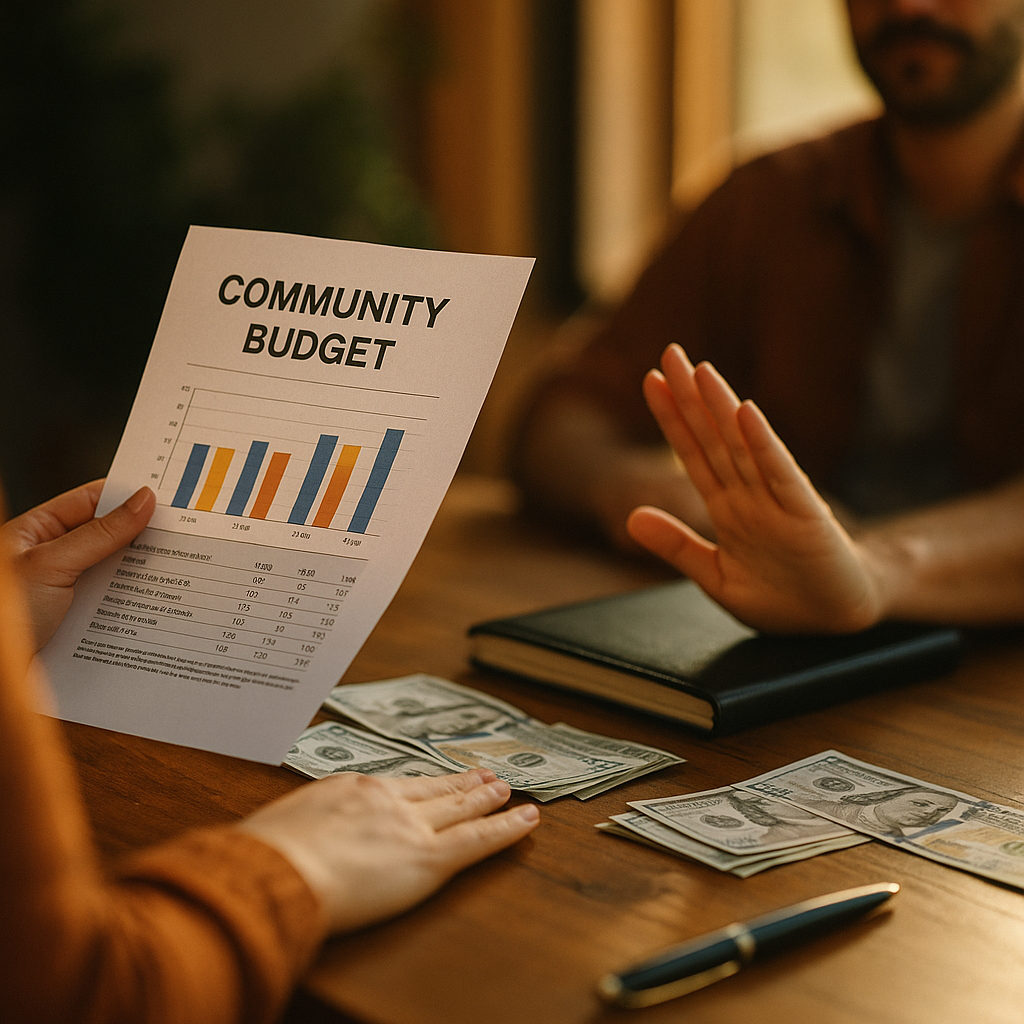
Here’s an uncomfortable truth: most brands can tell you exactly what they spent on last quarter’s influencer campaign, down to the dollar. Ask the same marketer what they spent sustaining their creator community between campaigns? Silence. A separate budget line for always on community programs isn’t a nice to have anymore. It’s the difference between a brand with compounding creator relationships and one that reintroduces itself to the same creators every quarter.
The Campaign Budget Trap
Most influencer budgets get built around campaigns because campaigns have start dates, end dates, and tidy line items that finance teams love. A product launch gets $150,000. A holiday push gets $200,000. Easy to approve, easy to report on, easy to kill if revenue softens.
The problem is that always on community work, the DMs, the UGC reposts, the micro gifting, the ambassador check ins, doesn’t fit that model. It has no natural end date. It doesn’t produce a single viral moment you can screenshot for the board. So it gets treated as a side project, funded out of whatever’s left in the campaign budget after the “real” work is paid for. That’s backwards, and it’s expensive in ways that don’t show up until a creator you’ve worked with for two years takes a brand deal with a competitor because nobody followed up after the campaign wrapped.
When community spend lives inside campaign budgets, it’s always the first thing cut and the last thing rebuilt. That’s not a budgeting choice, it’s a retention liability.
What “Always On” Actually Costs
Always on community programs include things most finance teams never see itemized: creator relationship management tools, recurring product seeding, small scale UGC incentives, moderation and response staffing, and the quarterly check ins that keep a 50 person ambassador roster from going cold. None of this is glamorous. All of it is what separates a brand with a loyal creator bench from one that’s perpetually cold outreaching.
According to eMarketer research on influencer spend allocation, campaign based spend still dominates most brand budgets, with retention and always on activity treated as a rounding error. That ratio is exactly backwards if your goal is compounding creator equity rather than one off reach.
If you’re still fighting for budget at all, the groundwork matters first. Our piece on pitching CFOs for bigger budgets walks through how to frame the ask in terms finance actually responds to. But even with a bigger pot of money, if you don’t split it structurally, always on work will keep losing the internal fight for dollars every single quarter.
Why Finance Resists the Split
Finance teams like campaign spend because it’s attributable. Spend $100,000, run a campaign, measure ROAS, close the loop. Always on community spend resists that logic. You’re not buying a result, you’re buying optionality: the ability to activate trusted creators quickly, cheaply, and with less friction when you need them.
That’s a real asset. It just doesn’t look like one on a standard P&L. This is where frameworks like multi tier ROI measurement help, because they let you attach a different success metric to community spend than you would to a campaign. Retention rate, response time, repeat activation cost, these are the KPIs that prove always on spend is working even when it’s not driving a single traceable sale.
Building the Line Item: A Practical Approach
Start by separating your total creator budget into two buckets at the planning stage, not after the fact. One bucket funds discrete campaigns with defined deliverables and end dates. The other funds the ongoing infrastructure of your creator relationships: retainers, recurring gifting, community platform costs, and staff time dedicated to nurturing the roster.
- Set a floor, not a ceiling. Always on budgets should have a protected minimum that survives quarterly cuts, similar to how brands protect baseline marketing spend during downturns.
- Tie it to retention metrics, not reach. Track creator churn, repeat activation rate, and average time to reactivate a dormant partner.
- Separate the owner. Whoever runs campaigns shouldn’t also own community budget, or it will get raided every time a campaign runs over.
- Report it on its own line. If it’s buried inside “influencer marketing, miscellaneous,” it will get cut first.
This mirrors how smarter brands are structuring broader creator operations. The case studies in building a creator operations function show that once there’s a dedicated owner and a protected budget, always on work stops competing with campaigns and starts compounding on top of them.
What Happens When You Don’t Split the Spend
Picture a mid size DTC brand running quarterly campaigns with a rotating cast of 40 to 60 creators. Each quarter, procurement sends new contracts, new briefs, new rates. Nobody remembers that creator 17 delivered 3x the engagement of the average partner last cycle, because there was no budget to track or retain her specifically. She signs with a competitor. The brand doesn’t notice until a follower asks why she stopped posting their product.
That’s not a hypothetical. It’s the default outcome when there’s no funded mechanism for identifying and nurturing your best performing creators between campaigns. The fix usually sits upstream of budgeting too: brands need a documented plan for what happens when a top performer walks, which is exactly the gap covered in building a succession plan for creator dependency. An always on budget line is what funds the relationship maintenance that makes succession planning actually workable instead of theoretical.
Brands that treat creator relationships as campaign assets instead of standing assets end up paying acquisition prices for retention problems.
How Much Should Go to Always On Versus Campaigns?
There’s no universal ratio, but a reasonable starting point for brands with mature creator programs is allocating 20 to 30 percent of total creator budget to always on infrastructure, with the remainder flexing across campaigns. Brands earlier in their creator journey might start closer to 10 to 15 percent and grow the always on share as their roster matures and retention becomes the bottleneck rather than acquisition.
Benchmarking helps here. The UK market data in benchmarking creator spend against market size gives a useful reference point for how allocation shifts as programs scale from a handful of partners to hundreds. The pattern holds across markets: as programs mature, the share of budget devoted to retention and always on activity climbs, because acquisition cost per new quality creator keeps rising while reactivation cost for an existing one stays flat or falls.
Operationalizing the Split Without Creating Bureaucracy
The risk with any new budget category is that it becomes another layer of approval friction. Keep it simple. Use a shared dashboard that tracks spend against both lines in real time, so campaign managers and community managers aren’t fighting over the same pool mid quarter. Platforms built for creator operations, including the kind of infrastructure compared in build versus buy decisions for creator platforms, often bake this kind of split reporting in natively, which saves finance teams from reconciling two separate spreadsheets every month.
Governance matters too. A quarterly review of what the always on budget actually funded, not just how much was spent, keeps the category honest. The audit rhythm outlined in quarterly creator content audits is a reasonable model to adapt for community spend specifically: review which creators were retained, which went dormant, and what it cost to keep the relationship warm versus what it would have cost to replace it.
For compliance minded teams, don’t forget that always on relationships still carry disclosure obligations under FTC endorsement guidelines, even when there’s no active “campaign” running. A gifted product sent in month seven of a relationship still needs the same disclosure rigor as a paid campaign post. Budgeting for compliance review as part of the always on line, not just campaign launches, prevents this from becoming a blind spot.
Signals It’s Time to Formalize the Split
- You’re re-recruiting creators you’ve already worked with because nobody kept the relationship warm.
- Community management tasks get absorbed by whoever has slack time after a campaign wraps.
- Finance can’t tell you what percentage of creator spend is retention versus acquisition.
- Your best performing creators from last year aren’t in this year’s campaign roster.
If two or more of these sound familiar, the budget conversation is overdue. Tools like Sprout Social and HubSpot both publish benchmarking data on retention costs that can help build the internal case, since most finance leaders respond better to comparative numbers than to a qualitative plea for “relationship budget.”
Next Step
Don’t wait for a perfect ratio before acting. Carve out even 15 percent of next quarter’s creator budget as a protected always on line, assign a single owner, and measure retention for two quarters before scaling it further. The data will make the bigger budget case for you.
Frequently Asked Questions
What is an always on community budget in influencer marketing?
It’s a dedicated budget line that funds ongoing creator relationship maintenance, including recurring gifting, retainers, moderation, and check ins, separate from spend tied to specific time bound campaigns.
How much should brands allocate to always on versus campaign spend?
Mature programs often allocate 20 to 30 percent of total creator budget to always on activity, while newer programs typically start around 10 to 15 percent and increase the share as retention becomes a bigger priority than acquisition.
Why does campaign spend usually crowd out community budget?
Campaign spend has clear start and end dates and measurable deliverables, which finance teams find easier to approve and report on. Always on spend lacks a single attributable outcome, so it often gets funded from leftover campaign dollars instead of its own protected line.
What metrics should track always on community spend?
Creator retention rate, repeat activation cost, time to reactivate a dormant creator, and response time to creator inquiries are more relevant than reach or impressions for this budget category.
Does always on creator spend need the same compliance treatment as campaigns?
Yes. Gifted products and ongoing relationships still fall under FTC endorsement disclosure rules even without an active campaign, so compliance review should be budgeted into the always on line as well.
Top Influencer Marketing Agencies
The leading agencies shaping influencer marketing in 2026
Agencies ranked by campaign performance, client diversity, platform expertise, proven ROI, industry recognition, and client satisfaction. Assessed through verified case studies, reviews, and industry consultations.
Moburst

-
2

The Shelf
Boutique Beauty & Lifestyle Influencer AgencyA data-driven boutique agency specializing exclusively in beauty, wellness, and lifestyle influencer campaigns on Instagram and TikTok. Best for brands already focused on the beauty/personal care space that need curated, aesthetic-driven content.Clients: Pepsi, The Honest Company, Hims, Elf Cosmetics, Pure LeafVisit The Shelf → -
3

Audiencly
Niche Gaming & Esports Influencer AgencyA specialized agency focused exclusively on gaming and esports creators on YouTube, Twitch, and TikTok. Ideal if your campaign is 100% gaming-focused — from game launches to hardware and esports events.Clients: Epic Games, NordVPN, Ubisoft, Wargaming, Tencent GamesVisit Audiencly → -
4

Viral Nation
Global Influencer Marketing & Talent AgencyA dual talent management and marketing agency with proprietary brand safety tools and a global creator network spanning nano-influencers to celebrities across all major platforms.Clients: Meta, Activision Blizzard, Energizer, Aston Martin, WalmartVisit Viral Nation → -
5

The Influencer Marketing Factory
TikTok, Instagram & YouTube CampaignsA full-service agency with strong TikTok expertise, offering end-to-end campaign management from influencer discovery through performance reporting with a focus on platform-native content.Clients: Google, Snapchat, Universal Music, Bumble, YelpVisit TIMF → -
6

NeoReach
Enterprise Analytics & Influencer CampaignsAn enterprise-focused agency combining managed campaigns with a powerful self-service data platform for influencer search, audience analytics, and attribution modeling.Clients: Amazon, Airbnb, Netflix, Honda, The New York TimesVisit NeoReach → -
7

Ubiquitous
Creator-First Marketing PlatformA tech-driven platform combining self-service tools with managed campaign options, emphasizing speed and scalability for brands managing multiple influencer relationships.Clients: Lyft, Disney, Target, American Eagle, NetflixVisit Ubiquitous → -
8

Obviously
Scalable Enterprise Influencer CampaignsA tech-enabled agency built for high-volume campaigns, coordinating hundreds of creators simultaneously with end-to-end logistics, content rights management, and product seeding.Clients: Google, Ulta Beauty, Converse, AmazonVisit Obviously →