


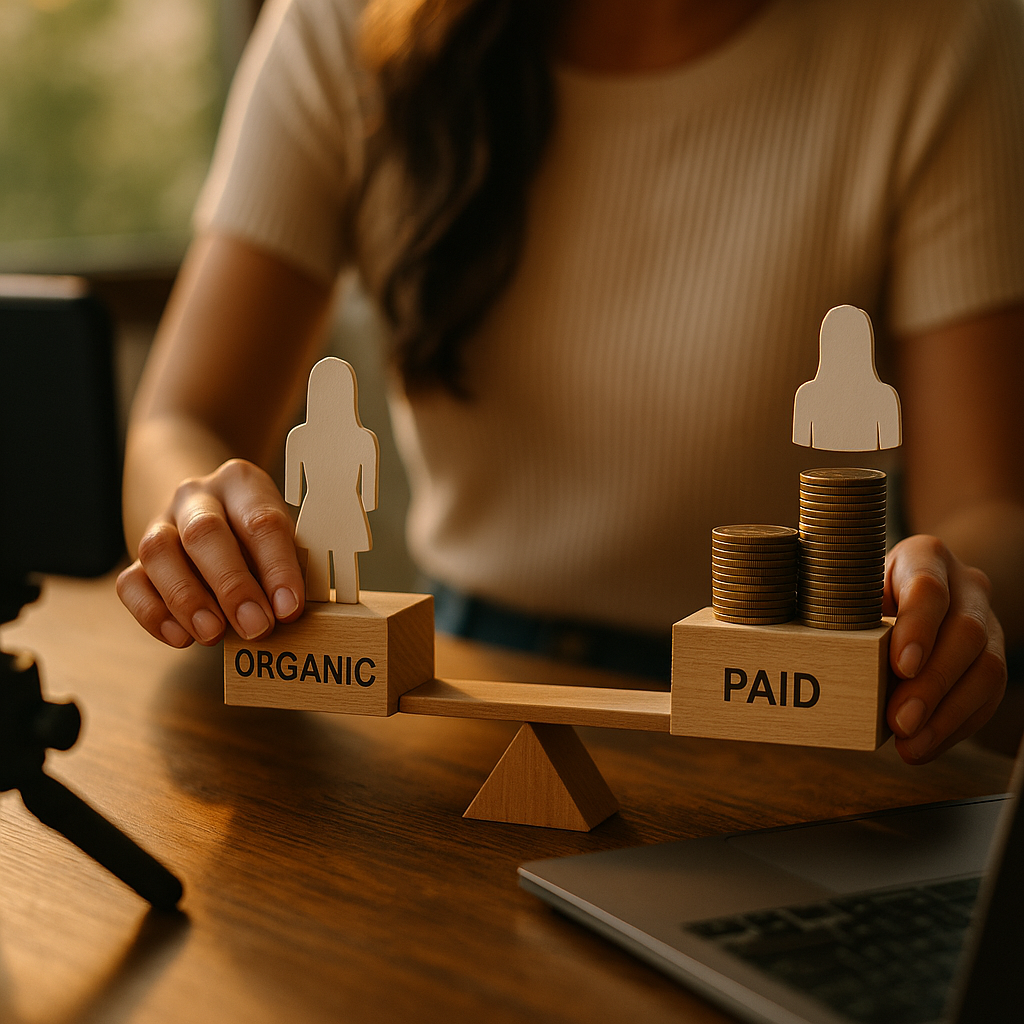
Mastering how to balance organic and paid influencer content is essential for modern brands aiming to reach target audiences authentically and effectively. With influencer marketing evolving rapidly in 2025, brands must thoughtfully craft strategies that prioritize both trust and ROI. Discover how to create optimal synergy between organic and sponsored influencer campaigns to unlock sustainable growth.
Understanding the Difference Between Organic and Paid Influencer Content
Before diving into tactical recommendations, it’s crucial to distinguish between organic influencer content and paid influencer content. Organic influencer content refers to unpaid posts, mentions, or stories where influencers share products or services because they genuinely like them or find them valuable. In contrast, paid influencer content is content produced as part of a sponsorship, partnership, or collaboration, where influencers receive compensation in cash, products, or experiences.
Organic content typically appears more authentic because it’s unsolicited and driven by genuine affinity. Paid content offers more control to brands, including messaging, timing, and campaign goals. Both play vital roles in a balanced influencer marketing strategy, but overreliance on either can lead to diminishing returns or eroded trust among discerning consumers.
Evaluating Your Influencer Strategy: Measuring Trust and Reach
Building a productive influencer strategy in 2025 requires understanding the strengths and limitations of both organic and paid content. Organic influencer mentions often produce higher engagement rates and greater trust, as audiences perceive endorsements as unbiased. A 2024 Statista report found 55% of Gen Z consumers trust unpaid influencer recommendations more than sponsored content.
However, paid influencer partnerships provide consistency, scalability, and measurable reach. Through negotiated deliverables, brands gain access to larger or more relevant audiences, specific campaign storytelling, and detailed analytics. Measuring success means monitoring engagement, conversion rates, and brand sentiment for both content types.
- Organic strengths: Credibility, community building, cost-effectiveness
- Paid strengths: Scale, campaign alignment, data-driven insights
A balanced approach empowers brands to maximize trust while efficiently reaching high-value segments.
Integrating Organic Influencer Marketing For Authentic Brand Advocacy
Consumers in 2025 have become adept at detecting inauthentic promotions. Organic influencer marketing harnesses genuine relationships between your brand and influencers who already appreciate your products. This approach fuels brand advocacy and user-generated content, fueling positive sentiment and word-of-mouth recommendations.
Here’s how to cultivate more organic content:
- Engage existing customers: Identify loyal fans who already share about your brand and nurture these relationships. Surprise-and-delight campaigns, featuring top customers on your social channels, or simply engaging authentically in DMs can encourage organic sharing.
- Community programs: Launch ambassador or loyalty programs that reward and recognize organic influencers, giving them early access to new products, special events, or limited-edition merchandise.
- Maintain open communication: Make it easy for potential organic influencers to connect with your brand. Encourage feedback and shareways influencers may access product or company news first, creating exclusivity around their involvement.
Organic content’s authenticity may lead to lower posting frequency compared to paid, but it drives long-term brand preference and provides a credible foundation for your influencer ecosystem.
Structuring Paid Influencer Campaigns For ROI and Brand Alignment
Paid influencer campaigns remain vital for rapid awareness, product launches, and controlling brand narrative. The key in 2025 is to develop partnerships that don’t feel overly scripted while staying compliant with updated advertising guidelines. Effective campaigns balance clearly structured deliverables with creative freedom for each influencer’s authentic voice.
Consider these best practices:
- Prioritize fit over follower count: Micro and mid-tier influencers (with 10,000–100,000 followers) often deliver higher audience engagement than mega influencers.
- Co-create campaign briefs: Involve influencers in content ideation to ensure sponsored posts feel natural and personalized. Provide core messaging but allow space for the creator’s unique style.
- Compliance and transparency: Adhere to FTC and ASA guidelines by ensuring that all sponsored posts are clearly labeled. Consumers value honesty.
- Performance monitoring: Track campaign results with UTM codes, unique discount links, and real-time vendor dashboards to measure impact on sales, web traffic, and sentiment.
When paid content reflects authentic enthusiasm and brings tangible value (product demos, helpful tips, exclusive offers), audiences are more likely to engage with and act on sponsored messages.
Creating A Fluid Mix: Editorial Calendars and Strategic Planning
The most effective influencer marketing strategies blend organic and paid content seamlessly. In 2025, editorial calendars are essential for balancing frequency, variety, and message timing across both types of collaborations. Here’s a recommended framework:
- Audit existing partnerships: Map your influencer network by content type (organic, paid, or hybrid) and analyze performance data to identify strengths and gaps.
- Layer campaigns: Plan organic user-generated content pushes before, during, and after paid launches. This layered approach amplifies reach while reinforcing credibility.
- Seasonal sync: Align both content types to seasonal trends, holidays, or major brand moments (launches, anniversaries).
- Repurposing: Consider repurposing high-performing organic influencer posts as paid ads or featured content, leveraging their credibility at scale.
Fluid collaboration between your brand’s marketing, social, and PR teams ensures consistent messaging and helps avoid oversaturation that can reduce consumer trust or lead to campaign fatigue.
Analyzing Results and Adjusting for Future Success
Continual analysis is crucial to keep your influencer strategy performing at its peak. By regularly measuring key performance indicators (KPIs)—such as engagement rate, cost per lead, conversion, and earned media value—you’ll understand exactly how organic and paid content contribute to your brand goals in 2025.
Consider these action steps for ongoing optimization:
- Run A/B tests: Experiment with content types, posting schedules, and influencer segments to identify what resonates best with your audience.
- Monitor sentiment: Utilize social listening tools to track how consumers perceive both types of influencer content and adjust messaging accordingly.
- Gather direct feedback: Survey your audience and influencer partners post-campaign to understand impact and gather suggestions for improvements.
- Refine targeting: Update your influencer database and audience personas regularly so efforts remain relevant and impactful.
By treating influencer marketing as an evolving process, you’ll continually improve the effectiveness and credibility of both your organic and paid initiatives.
Frequently Asked Questions
-
How can I encourage more organic influencer posts?
Build genuine relationships with your top customers or brand fans, provide share-worthy experiences, and reward creativity through ambassador programs or early product access. -
Is paid influencer content still effective in 2025?
Yes—when executed authentically and transparently. Paid content works best when influencers have creative freedom and campaigns align with audience values and interests. -
Should I use micro or macro influencers for paid collaborations?
Micro and mid-tier influencers often achieve higher engagement rates and trust, while macro influencers provide scale. The most effective campaigns often include both, depending on campaign goals. -
How do I measure the impact of organic versus paid influencer content?
Track both quantitative metrics (engagement rate, traffic, conversions) and qualitative feedback (sentiment, brand mentions). Compare results regularly to see which approach yields the most ROI for specific goals.
Successfully balancing organic and paid influencer content in 2025 hinges on authenticity, data-driven decisions, and continuous relationship-building. A thoughtful, blended approach will build trust, expand reach, and deliver superior campaign results—ensuring your brand stands out in a competitive digital landscape.
Top Influencer Marketing Agencies
The leading agencies shaping influencer marketing in 2026
Agencies ranked by campaign performance, client diversity, platform expertise, proven ROI, industry recognition, and client satisfaction. Assessed through verified case studies, reviews, and industry consultations.
Moburst

-
2

The Shelf
Boutique Beauty & Lifestyle Influencer AgencyA data-driven boutique agency specializing exclusively in beauty, wellness, and lifestyle influencer campaigns on Instagram and TikTok. Best for brands already focused on the beauty/personal care space that need curated, aesthetic-driven content.Clients: Pepsi, The Honest Company, Hims, Elf Cosmetics, Pure LeafVisit The Shelf → -
3

Audiencly
Niche Gaming & Esports Influencer AgencyA specialized agency focused exclusively on gaming and esports creators on YouTube, Twitch, and TikTok. Ideal if your campaign is 100% gaming-focused — from game launches to hardware and esports events.Clients: Epic Games, NordVPN, Ubisoft, Wargaming, Tencent GamesVisit Audiencly → -
4

Viral Nation
Global Influencer Marketing & Talent AgencyA dual talent management and marketing agency with proprietary brand safety tools and a global creator network spanning nano-influencers to celebrities across all major platforms.Clients: Meta, Activision Blizzard, Energizer, Aston Martin, WalmartVisit Viral Nation → -
5

The Influencer Marketing Factory
TikTok, Instagram & YouTube CampaignsA full-service agency with strong TikTok expertise, offering end-to-end campaign management from influencer discovery through performance reporting with a focus on platform-native content.Clients: Google, Snapchat, Universal Music, Bumble, YelpVisit TIMF → -
6

NeoReach
Enterprise Analytics & Influencer CampaignsAn enterprise-focused agency combining managed campaigns with a powerful self-service data platform for influencer search, audience analytics, and attribution modeling.Clients: Amazon, Airbnb, Netflix, Honda, The New York TimesVisit NeoReach → -
7

Ubiquitous
Creator-First Marketing PlatformA tech-driven platform combining self-service tools with managed campaign options, emphasizing speed and scalability for brands managing multiple influencer relationships.Clients: Lyft, Disney, Target, American Eagle, NetflixVisit Ubiquitous → -
8

Obviously
Scalable Enterprise Influencer CampaignsA tech-enabled agency built for high-volume campaigns, coordinating hundreds of creators simultaneously with end-to-end logistics, content rights management, and product seeding.Clients: Google, Ulta Beauty, Converse, AmazonVisit Obviously →