


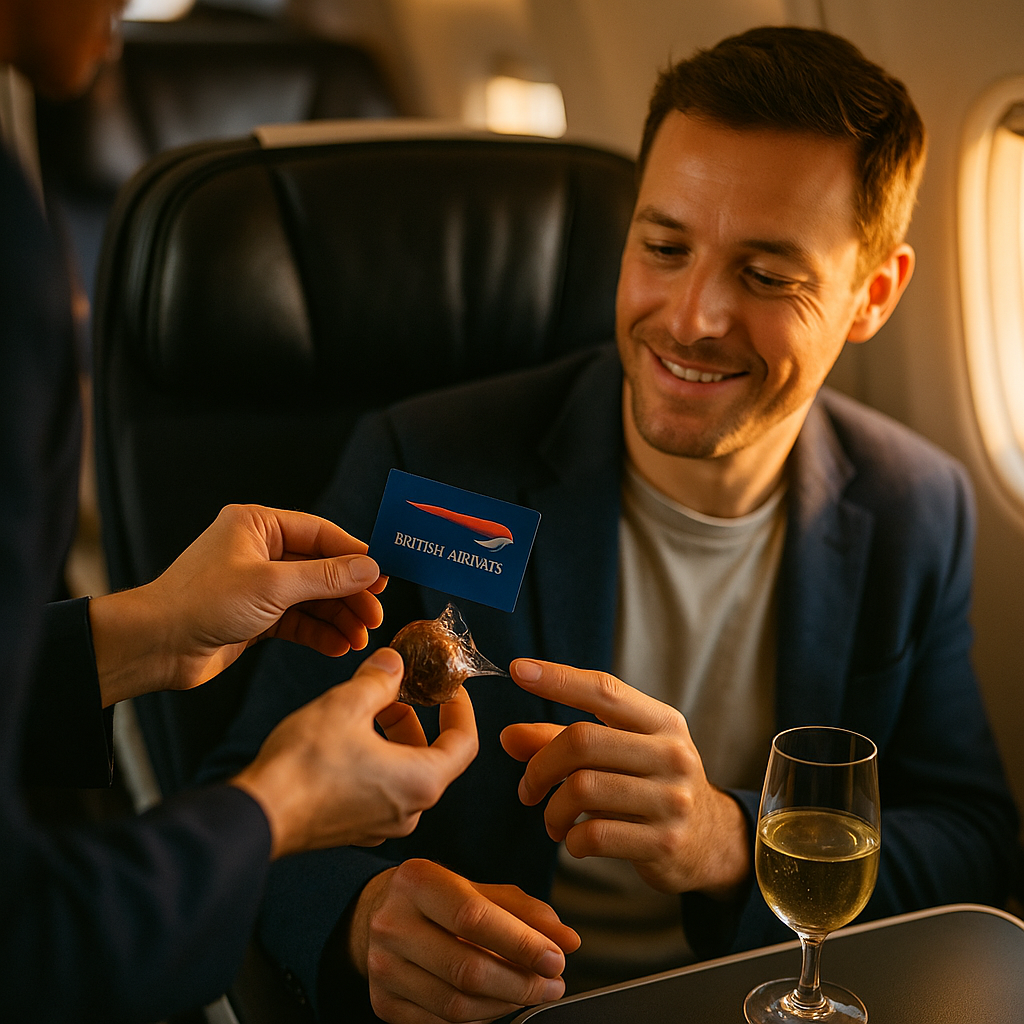
In 2025, loyalty leaders know big turnarounds rarely arrive from one grand gesture. This case study shows how British Airways Used Small Wins to improve member engagement, reduce friction, and strengthen trust without rewriting its entire program overnight. By stacking practical, measurable improvements across the customer journey, BA created momentum that members could feel—so what did those “small wins” look like?
Avios loyalty program strategy: turning incremental improvements into measurable momentum
British Airways’ loyalty ecosystem (centered on Avios) is complex by design: multiple cabin products, global partners, peak/off-peak pricing, and operational realities that shift daily. In that environment, sweeping change can backfire. Small wins—tight, frequent enhancements that remove friction—reduce risk while building confidence among members and staff.
Small wins work in loyalty because they compound. A single improvement might lift satisfaction slightly; ten improvements across search, redemption, and recognition can reshape a member’s perception of the whole program. BA’s approach can be summarized as: identify the highest-friction moments, ship improvements in short cycles, communicate clearly, then measure behavior change (not just sentiment).
For a program like Avios, the goal is not only more enrollments. The goal is repeatable value exchange: members earn more often, redeem more confidently, and feel that status and points have consistent utility. BA’s incremental strategy aligns with how customers actually evaluate loyalty: they judge it in everyday moments—booking, changing flights, selecting seats, and redeeming points under time pressure.
Key principles behind the strategy:
- Protect member trust: avoid surprises; communicate changes in plain language.
- Reduce “breakage anxiety”: make earning and redeeming feel attainable and predictable.
- Design for the whole journey: wins must cover digital, airport, and post-trip service.
- Make value visible: show members what their points and status can do in real time.
Customer experience improvements: fixing high-friction moments across the journey
Small wins begin with ruthless prioritization. Rather than debating abstract loyalty “innovations,” BA can focus on the moments members complain about most: finding availability, understanding pricing, completing a redemption, and managing changes. Each of these steps contains micro-frictions that quietly reduce loyalty engagement.
Availability clarity is a prime example. Members who repeatedly search and fail to find reward seats often conclude that points are “hard to use,” even if seats exist on other dates or routes. A small win is any improvement that helps members understand their options faster—such as clearer calendar views, better filters, more transparent explanations of peak/off-peak pricing, and straightforward prompts when partner flights expand choices.
Checkout confidence is another. When taxes, fees, and surcharges appear late in the booking flow, customers feel misled. Incremental improvements here include presenting total costs earlier, labeling components clearly, and offering side-by-side comparisons of “Avios + cash” combinations. These are not headline-grabbing features, but they reduce abandonment and support calls.
Self-service changes matter for loyalty because members treat flexibility as a benefit. Small wins can include clearer rules for cancellation and refund timelines, more intuitive online change flows, and proactive status-aware messaging (for example, showing relevant benefits such as fee waivers where applicable). Each improvement cuts customer effort—and customer effort is a strong predictor of loyalty behavior.
What makes these wins especially powerful is that they create a consistent experience across touchpoints. When digital experiences match what happens at the airport and after the flight, the program feels reliable. Reliability is an underappreciated loyalty benefit: members don’t just want “more perks,” they want fewer unpleasant surprises.
Tier status benefits: reinforcing recognition through consistent, everyday moments
Status is where loyalty programs often promise the most and disappoint the fastest. British Airways’ small-wins mindset applies to tier benefits by focusing on recognition consistency rather than only adding new perks. Members notice when benefits are applied unevenly—especially during disruptions, when emotions run high.
Small wins that strengthen tier value typically look like:
- More consistent priority handling: clearer priority rules at check-in, boarding, and customer service queues.
- Better benefit visibility: digital reminders of what a tier includes at the moment it matters (baggage, seating, lounge access).
- Cleaner partner recognition: fewer surprises when benefits are used across oneworld carriers.
- Improved disruption support: status-aware rebooking guidance and faster problem resolution channels.
BA’s advantage is that many of these improvements do not require new inventory or major capital investment. They require process discipline and better communication between channels. For example, if a member’s tier includes seat selection, the digital flow should make it obvious and effortless, and airport staff should see the same entitlement without manual workarounds.
Recognition also means acknowledging progress. When members can clearly track where they stand toward tier renewal, and when they receive timely prompts that help them take action (such as optimizing a future booking or crediting eligible flights), they perceive the program as a partner rather than a puzzle.
Readers often ask: “Isn’t status about big perks like upgrades?” Upgrades help, but in 2025, many frequent flyers judge status by how often it prevents inconvenience. A steady reduction in hassles creates a stronger emotional payoff than an occasional win that feels random.
Data-driven loyalty marketing: using behavioral insights to prioritize “small wins”
Small wins are only “wins” if they change behavior. BA’s approach benefits from treating loyalty as a product that is continuously optimized. That requires an evidence loop: detect friction, ship a fix, measure outcomes, repeat.
In practice, a data-driven small-wins program typically relies on:
- Search and booking analytics: where members drop out during reward searches, pricing screens, and checkout.
- Contact-center tagging: the most common redemption and benefit issues, mapped to specific steps.
- Member segmentation: distinguishing between new joiners, occasional earners, frequent redeemers, and tier-focused travelers.
- A/B testing and holdouts: validating whether an interface or policy tweak increases completion rates and reduces complaints.
- Operational data: identifying where airport and disruption processes fail to deliver promised benefits.
One reason incremental change works well is that it fits experimentation. BA can adjust one part of the experience—say, how Avios pricing is explained on a route—and measure whether members move forward, choose alternative dates, or abandon. The program becomes more predictable and less intimidating over time.
Personalization is most effective when it is practical. Members do not want endless marketing emails. They want timely guidance: “Here are reward options you can actually book,” “Here’s the best value use of your Avios for your typical routes,” or “Here’s what your status gives you on this trip.” Small wins in messaging include reducing noise, using clearer subject lines, and aligning recommendations with real inventory and constraints.
From an EEAT perspective, this is where trust is earned. When the program communicates based on what members can truly do—rather than aspirational claims—it becomes credible. Credibility is a growth lever: credible programs get more repeat earning and higher share of wallet.
Partner ecosystem expansion: increasing earning and redemption utility without diluting value
For many travelers, loyalty feels valuable only when it fits everyday life. BA can create small wins by expanding how members earn and redeem Avios through partners—while maintaining program integrity. The trick is not “more partners” at any cost, but better partner utility that matches member needs.
Small wins in the partner ecosystem often include:
- Smoother partner earning: fewer missing points claims through better tracking and confirmations.
- Clearer partner redemption rules: transparent pricing, blackout logic (if any), and step-by-step instructions.
- More predictable value: guardrails that prevent extreme swings in perceived value for common redemptions.
- Better cross-brand service: consistent support when something goes wrong on a partner itinerary.
Why do these count as “small”? Because many improvements are operational and informational rather than structural. If a member can see partner options sooner, understand them faster, and trust that points will post correctly, they engage more frequently. That frequency matters: a loyalty currency that is earned in small amounts, often, feels more real than one earned rarely in large amounts.
Another important small win is setting expectations around fees and limitations. In aviation loyalty, customers are sensitive to hidden costs. When BA makes partner redemptions easier to interpret and compare, members feel in control. Control is loyalty fuel because it reduces regret after a redemption.
Loyalty program success metrics: how small wins translate into retention and revenue
Small wins can sound soft unless they connect to hard outcomes. BA’s incremental approach ties improvements to measurable loyalty program success metrics. In 2025, strong programs track more than enrollment and points issued; they track whether members can and do use the program.
Metrics that reflect true loyalty momentum include:
- Active member rate: percentage of members earning or redeeming within a defined period.
- Redemption completion rate: the share of reward searches that end in a booking.
- Time-to-book: how quickly members can find and confirm a redemption.
- Customer effort score drivers: especially around changes, refunds, and missing points.
- Tier retention and progression: whether members renew and how many move up.
- Partner contribution: earning volume, redemption mix, and issue rates by partner type.
- Service cost to serve: contact-center deflection and complaint reduction after improvements.
The power of small wins is that they typically improve multiple metrics at once. For example, better availability discovery can increase redemption completion, reduce support contacts, and improve satisfaction—without changing the economics of the underlying reward inventory. Similarly, clearer fee disclosure can reduce booking abandonment and post-purchase complaints.
Readers often want to know what to copy. The transferable lesson is not BA’s exact mechanics; it’s the operating model: keep a visible backlog of member friction, prioritize the highest-impact fixes, ship frequently, and communicate changes with clarity and restraint. Loyalty programs thrive when they behave like products, not like static catalogs of perks.
FAQs
What does “small wins” mean in a loyalty program context?
Small wins are incremental improvements that reduce friction or increase perceived value in specific moments—like searching reward seats, understanding fees, or applying tier benefits consistently. They are designed to be delivered quickly, measured, and repeated.
Why would British Airways focus on small wins instead of major loyalty changes?
Major changes carry higher risk and can damage trust if they create confusion or reduce value for certain members. Small wins allow BA to improve the experience continuously, validate results through data, and build confidence without destabilizing the program.
Which member pain points matter most for Avios engagement?
The biggest drivers tend to be reward availability discovery, total cost transparency (including taxes and surcharges), ease of changes and refunds, and consistent delivery of status benefits across channels and partners.
How do small wins improve loyalty revenue?
They increase active participation: more members earn more often, redeem with less hesitation, and keep pursuing tier status. They can also reduce service costs by lowering call volumes and complaints tied to confusing rules or broken journeys.
What should a company measure to prove small wins are working?
Track behavioral metrics such as active member rate, redemption completion rate, time-to-book, customer effort drivers, tier retention, and issue rates for missing points or partner redemptions. Pair this with controlled testing where possible.
Can smaller brands use the same approach without BA’s resources?
Yes. Start with a short list of the highest-friction moments, fix one at a time, and measure outcomes. Clearer messaging, simpler rules, and better self-service flows often deliver outsized gains without large budgets.
British Airways’ loyalty progress shows that durable change comes from repeated, well-chosen improvements, not grand announcements. By targeting friction in search, redemption, recognition, and partner utility, BA made Avios feel easier to use and more reliable to trust. In 2025, the takeaway is practical: build a backlog of member pain, ship small fixes fast, measure behavior, and let compounding gains do the heavy lifting.
Top Influencer Marketing Agencies
The leading agencies shaping influencer marketing in 2026
Agencies ranked by campaign performance, client diversity, platform expertise, proven ROI, industry recognition, and client satisfaction. Assessed through verified case studies, reviews, and industry consultations.
Moburst

-
2

The Shelf
Boutique Beauty & Lifestyle Influencer AgencyA data-driven boutique agency specializing exclusively in beauty, wellness, and lifestyle influencer campaigns on Instagram and TikTok. Best for brands already focused on the beauty/personal care space that need curated, aesthetic-driven content.Clients: Pepsi, The Honest Company, Hims, Elf Cosmetics, Pure LeafVisit The Shelf → -
3

Audiencly
Niche Gaming & Esports Influencer AgencyA specialized agency focused exclusively on gaming and esports creators on YouTube, Twitch, and TikTok. Ideal if your campaign is 100% gaming-focused — from game launches to hardware and esports events.Clients: Epic Games, NordVPN, Ubisoft, Wargaming, Tencent GamesVisit Audiencly → -
4

Viral Nation
Global Influencer Marketing & Talent AgencyA dual talent management and marketing agency with proprietary brand safety tools and a global creator network spanning nano-influencers to celebrities across all major platforms.Clients: Meta, Activision Blizzard, Energizer, Aston Martin, WalmartVisit Viral Nation → -
5

The Influencer Marketing Factory
TikTok, Instagram & YouTube CampaignsA full-service agency with strong TikTok expertise, offering end-to-end campaign management from influencer discovery through performance reporting with a focus on platform-native content.Clients: Google, Snapchat, Universal Music, Bumble, YelpVisit TIMF → -
6

NeoReach
Enterprise Analytics & Influencer CampaignsAn enterprise-focused agency combining managed campaigns with a powerful self-service data platform for influencer search, audience analytics, and attribution modeling.Clients: Amazon, Airbnb, Netflix, Honda, The New York TimesVisit NeoReach → -
7

Ubiquitous
Creator-First Marketing PlatformA tech-driven platform combining self-service tools with managed campaign options, emphasizing speed and scalability for brands managing multiple influencer relationships.Clients: Lyft, Disney, Target, American Eagle, NetflixVisit Ubiquitous → -
8

Obviously
Scalable Enterprise Influencer CampaignsA tech-enabled agency built for high-volume campaigns, coordinating hundreds of creators simultaneously with end-to-end logistics, content rights management, and product seeding.Clients: Google, Ulta Beauty, Converse, AmazonVisit Obviously →