


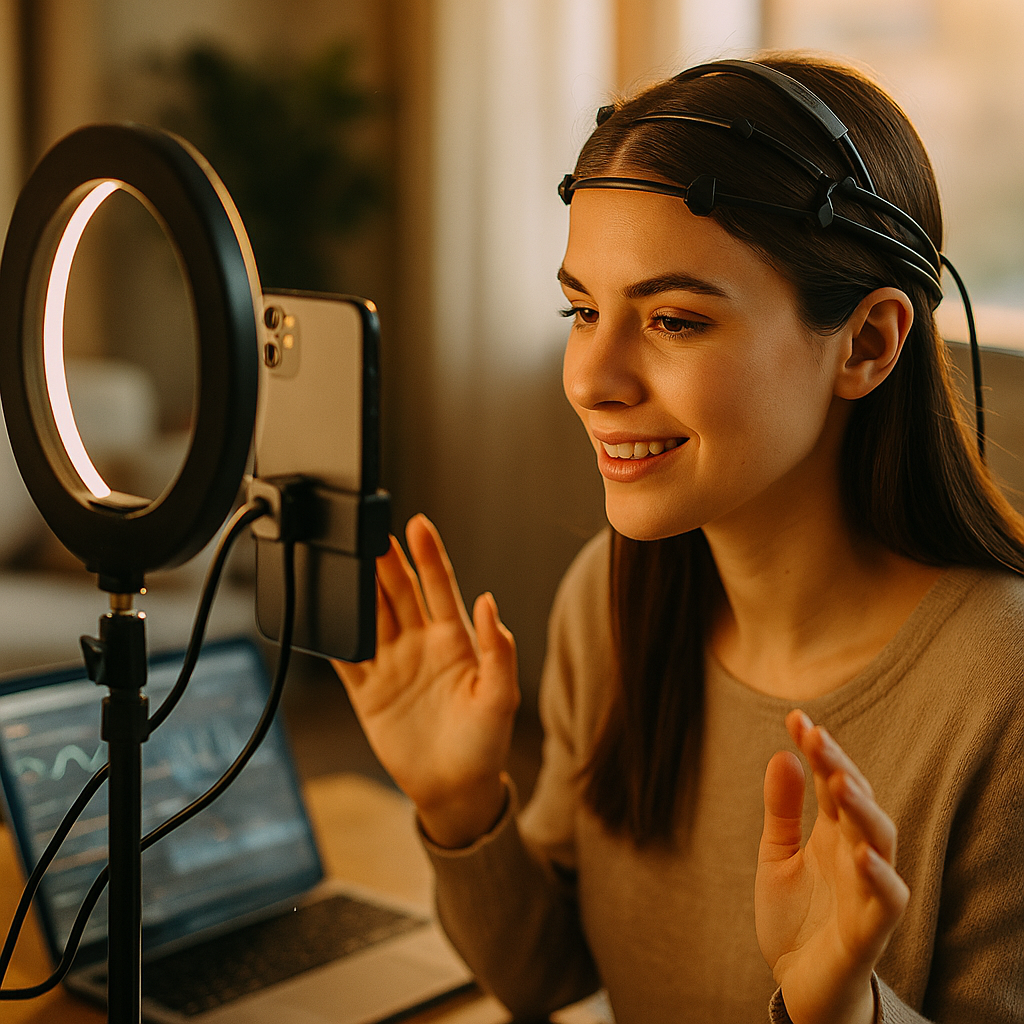
Brain-Computer Interfaces (BCIs) are redefining immersive influencer content in 2025. By bridging the gap between human thought and digital interaction, BCIs promise a future of unprecedented creative expression and engagement for influencers and audiences alike. How will this powerful technology revolutionize social platforms, storytelling, and even marketing? Let’s dive into what’s next for BCIs in the influencer ecosystem.
The Evolution of BCIs in Content Creation
The evolution of brain-computer interfaces has accelerated dramatically in recent years. In 2025, advances in non-invasive neural sensors allow creators to capture and transmit mental states, emotions, and even imagined experiences directly to digital platforms. As a result, influencers now craft content not just with their cameras or editing software, but with their minds.
For instance, live-streaming gadgets integrated with EEG headsets enable influencers to project real-time states of excitement, relaxation, or focus during gameplay, fitness routines, or live Q&As. Some leading platforms, including TikTok and YouTube, are piloting BCI-compatible interfaces, enabling “mind-to-follow” mechanics and immersive experiences where audience members can even share in influencers’ emotional journeys.
According to a 2025 industry survey, 38% of top-tier content creators are exploring BCI technology for immersive engagement, up from just 10% three years ago. This robust growth signals a transformative change in how influencers approach narrative and audience immersion.
Enhancing Audience Engagement with Adaptive Immersive Experiences
Immersive influencer engagement is entering a new era thanks to BCIs. No longer passive observers, followers can now participate in content on a profoundly interactive level. For example, influencers running live events can use BCIs to detect spikes in audience attention or emotional responses and adapt their stories in real time.
New immersive content platforms are deploying “emotional synchrony” features—audiences equipped with BCI-enabled headbands can sync their reactions with influencers, making every moment a shared neural experience. Such connectivity blurs the line between creator and viewer, creating a sense of digital intimacy never before possible.
- Real-time polls based on collective audience brainwave patterns
- Customizable sensory experiences that respond to user emotions
- Crowdsourced decisions that shape the direction of video series or livestreams
These advancements foster loyalty and deepen community bonds, resulting in higher engagement metrics and greater overall viewer satisfaction.
BCIs as a Tool for Authenticity and Storytelling
BCI storytelling brings a new dimension to authenticity in influencer content. By tracking and sharing real emotional reactions, influencers can dispel staged personas and present unscripted experiences. For example, beauty vloggers using BCIs can share not just their makeup routines, but their genuine nerves or excitement before a big reveal.
Additionally, through neurofeedback-driven editing, influencers now craft highlight reels that showcase moments when they felt most inspired or nervous—validated by measurable data rather than subjective memory. This shift produces richer behind-the-scenes content and raw, trust-building transparency for fans.
Further, niche creators are leveraging BCIs for interactive storytelling. Meditation guides transmit calming neural rhythms, inviting followers to sync up during mindful sessions. Gamers can record and share in-game “mental state trajectories,” offering viewers insight into cognitive strategies and emotional highs and lows.
Monetization Strategies and Ethical Considerations for BCI Influencers
As BCIs deepen immersive influencer content, new BCI monetization models are emerging. Brands now sponsor “empathy streams,” where influencers react to products or branded experiences and share unfiltered neural feedback. This raw data carries high value for marketers seeking authentic emotional validation.
Subscription-based channels are offering premium “neural immersion” content—allowing subscribers to experience influencers’ journeys from a first-person neural perspective. In virtual shopping settings, fans can “walk through” a creator’s excitement as they unbox products in real time. Influencer agencies increasingly curate “neuro-matched campaigns,” targeting audiences whose emotional patterns align with specific brand messages, improving engagement and conversions.
However, these opportunities raise ethical questions. Key considerations include:
- Transparency in how BCI data is collected, processed, and shared
- Consent management for both influencers and their audiences
- Robust data privacy, with strict security for neural data to prevent misuse
- Clear labeling of sponsored, branded, or manipulated BCI content
To promote trust, leading influencers publicly share their data policies and collaborate with regulators and academics for responsible BCI usage. Platforms are developing “consent dashboards” to put users in control of their shared neural experiences.
Challenges to Widespread Adoption of BCI Technology in Influencing
Despite the promise, challenges remain for mainstream adoption of influencer BCI technology. Accessibility remains a hurdle; even with falling costs, not all creators and audiences have access to quality BCI devices or stable connections for neural-data-driven experiences. Technical barriers—such as signal interference, motion artifacts, and comfort during extended use—still exist.
Moreover, education and digital literacy are vital. Many users need training in safe BCI usage and interpretation of neural data. Without this, risks of misinterpretation or misuse increase. Industry groups are now providing training modules and certification for safe and effective BCI content creation.
Cultural perceptions also play a role. Some audiences express hesitation or privacy concerns about neural interfaces, fearing manipulation or overstepping personal boundaries. Thought leaders recommend gradual integration, community feedback loops, and ongoing transparency to foster comfort and acceptance in the influencer ecosystem.
The Future Outlook: Next-Gen Immersive Storytelling
The next frontier in BCI interactive content will see deeper integration between neural data, artificial intelligence, and immersive environments. Influencers will soon craft “neural sandbox” worlds—fully adaptive narratives that reshape themselves in response to creator and audience thought patterns and emotions.
Social platforms are already investing in multi-sensory BCI tech, allowing for shared taste, smell, and touch experiences alongside visual and auditory content. AI-driven tools are advancing to interpret complex neural signatures in real time, recommending personalized content flows that maximize engagement and emotional resonance.
Looking further ahead, we may see influencer-audience collectives, where groups co-create, edit, and experience content through neural interfaces simultaneously, truly democratizing digital storytelling. The fusion of mind and media is not just imminent—it is unfolding rapidly, shaping how we connect, inspire, and influence in 2025 and beyond.
FAQs: Brain-Computer Interfaces and Immersive Influencer Content
-
What is a brain-computer interface (BCI)?
A brain-computer interface is a technology that enables direct communication between the brain and external devices, allowing users to control or interact with digital content using neural activity alone.
-
How do influencers use BCIs for content creation?
Influencers use BCIs to share their mental states, emotions, and even imagined sensory experiences, creating content that audiences can engage with on a deeper, more immersive level.
-
Are there privacy concerns with BCI-enabled content?
Yes, privacy and data security are major concerns. Influencers and platforms must ensure transparent data practices, informed consent, and robust safeguards to protect both creator and audience neural data.
-
What are the benefits of BCI immersive content for audiences?
Audiences gain more authentic, emotionally engaging experiences and can participate directly in content creation or direction, fostering stronger community bonds and loyalty.
-
Can anyone use BCI technology for immersive influencer content?
While access is expanding, quality BCI devices may not be affordable or available to everyone. Education on safe use and privacy is also vital for successful widespread adoption.
The future of brain-computer interfaces in immersive influencer content promises deeper engagement, authenticity, and novel community experiences. As BCI technology evolves, embracing ethical transparency and inclusion will be crucial for fully realizing its creative and societal potential in the influencer landscape.
Top Influencer Marketing Agencies
The leading agencies shaping influencer marketing in 2026
Agencies ranked by campaign performance, client diversity, platform expertise, proven ROI, industry recognition, and client satisfaction. Assessed through verified case studies, reviews, and industry consultations.
Moburst

-
2

The Shelf
Boutique Beauty & Lifestyle Influencer AgencyA data-driven boutique agency specializing exclusively in beauty, wellness, and lifestyle influencer campaigns on Instagram and TikTok. Best for brands already focused on the beauty/personal care space that need curated, aesthetic-driven content.Clients: Pepsi, The Honest Company, Hims, Elf Cosmetics, Pure LeafVisit The Shelf → -
3

Audiencly
Niche Gaming & Esports Influencer AgencyA specialized agency focused exclusively on gaming and esports creators on YouTube, Twitch, and TikTok. Ideal if your campaign is 100% gaming-focused — from game launches to hardware and esports events.Clients: Epic Games, NordVPN, Ubisoft, Wargaming, Tencent GamesVisit Audiencly → -
4

Viral Nation
Global Influencer Marketing & Talent AgencyA dual talent management and marketing agency with proprietary brand safety tools and a global creator network spanning nano-influencers to celebrities across all major platforms.Clients: Meta, Activision Blizzard, Energizer, Aston Martin, WalmartVisit Viral Nation → -
5

The Influencer Marketing Factory
TikTok, Instagram & YouTube CampaignsA full-service agency with strong TikTok expertise, offering end-to-end campaign management from influencer discovery through performance reporting with a focus on platform-native content.Clients: Google, Snapchat, Universal Music, Bumble, YelpVisit TIMF → -
6

NeoReach
Enterprise Analytics & Influencer CampaignsAn enterprise-focused agency combining managed campaigns with a powerful self-service data platform for influencer search, audience analytics, and attribution modeling.Clients: Amazon, Airbnb, Netflix, Honda, The New York TimesVisit NeoReach → -
7

Ubiquitous
Creator-First Marketing PlatformA tech-driven platform combining self-service tools with managed campaign options, emphasizing speed and scalability for brands managing multiple influencer relationships.Clients: Lyft, Disney, Target, American Eagle, NetflixVisit Ubiquitous → -
8

Obviously
Scalable Enterprise Influencer CampaignsA tech-enabled agency built for high-volume campaigns, coordinating hundreds of creators simultaneously with end-to-end logistics, content rights management, and product seeding.Clients: Google, Ulta Beauty, Converse, AmazonVisit Obviously →