


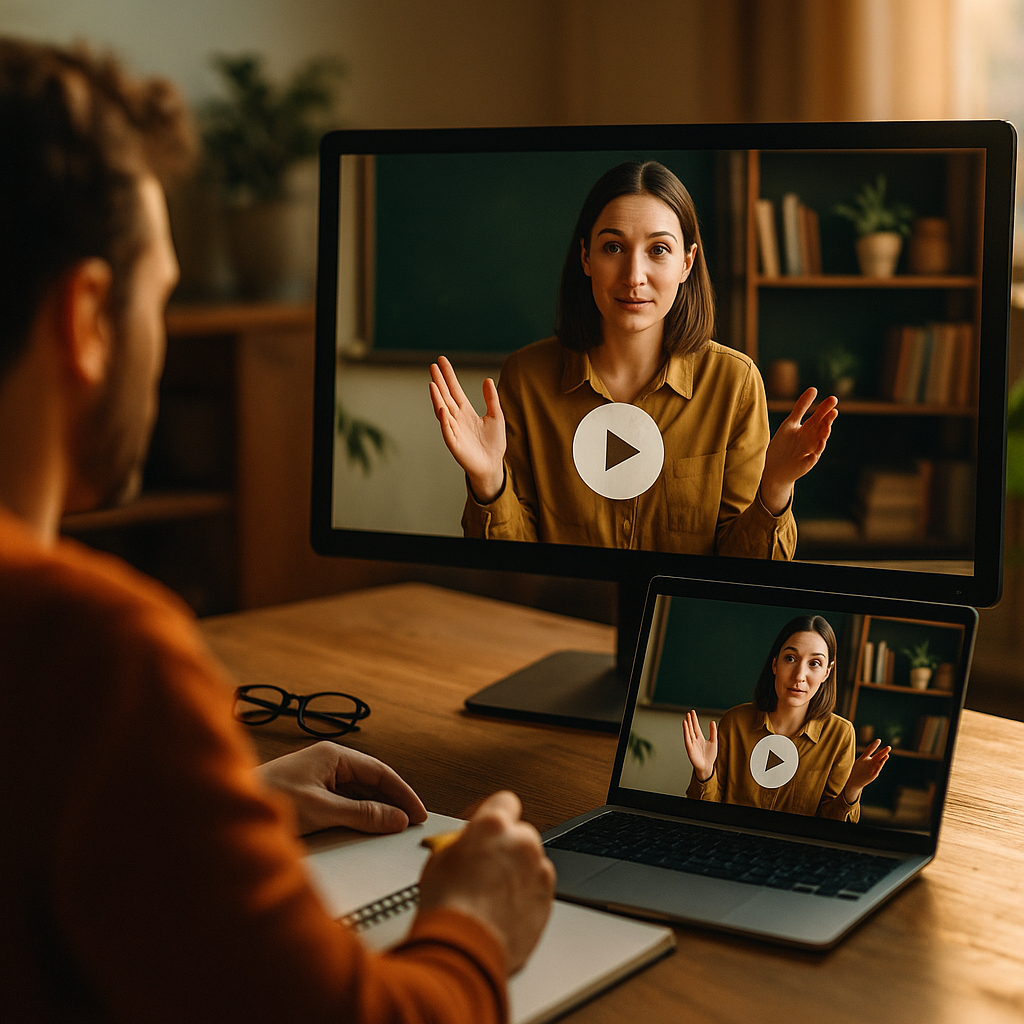
Developing a customer education program using video content is one of the most effective ways to empower your users, drive product adoption, and reduce support requests. With the right strategy, video can make learning engaging and accessible for your customers. Explore proven steps to create a successful program that delivers measurable results and lasting customer satisfaction.
Why Choose Video for Customer Education Programs?
Video content for customer education is increasingly preferred due to its visual engagement, clarity, and scalability. Studies show that viewers retain 95% of a message when watching a video compared to just 10% when reading text, according to Insivia. By delivering information visually and audibly, video supports diverse learning styles and simplifies complex topics, making it ideal for software onboarding, product demos, or troubleshooting.
Beyond retention, videos are accessible on-demand, allowing users to learn at their pace and revisit key topics whenever needed. In 2025, customers expect immediate answers—video delivers speed, efficiency, and actionable guidance. Plus, video-based education humanizes your brand, building trust with authenticity and consistency. Carefully crafted video content reinforces your expertise and authority in your industry, supporting Google’s EEAT (Experience, Expertise, Authoritativeness, and Trustworthiness) standards.
Steps to Plan Your Customer Training Video Content
Strategic planning is the backbone of any effective customer education program. Before creating videos, outline clear learning objectives and audience segments. Consider the typical user journey: onboarding, advanced feature training, troubleshooting, and ongoing product updates. Identify knowledge gaps based on support tickets, user forums, and direct customer feedback to prioritize high-impact topics.
Perform a content audit of existing materials. What does your help center lack? Where do users frequently get stuck? Map common questions to targeted video topics. Formulate learning pathways to provide a guided experience—from beginner tutorials to advanced use cases—ensuring every customer finds relevant, actionable guidance at every stage. Establishing measurable goals (such as reducing onboarding time or decreasing ticket volume) will help you track program performance and refine over time.
Best Practices for Producing Effective Educational Videos
Quality matters as much as content. When producing your customer training video series, follow these proven guidelines:
- Keep it concise: Aim for focused, digestible videos between two and seven minutes depending on topic complexity.
- Use clear structure: Start with a quick overview, break down steps with guides or demonstrations, and finish with a concise summary or next action.
- Leverage visuals: Use screen recordings, animations, and callouts to highlight essential steps. Visual cues reinforce learning and keep viewers engaged.
- Ensure accessibility: Add captions, descriptive audio, and downloadable transcripts for users with different needs and preferences.
- Show real people: Whenever possible, incorporate team members or customer success leaders to foster connection and authenticity.
- Stay on-brand: Use consistent branding, tone, and terminology to create a seamless learning experience that strengthens your company identity.
Investing in decent lighting, clear audio, and crisp visuals enhances credibility and helps users trust your guidance. Regularly update content as your products evolve, demonstrating your ongoing expertise and commitment to customer success.
Deploying and Organizing Your Customer Education Video Library
Even the best videos won’t have impact if users can’t find them. Hosting your customer education video content in an organized, discoverable library is key. Integrate your video hub with your website, knowledge base, or within your app. Use intuitive navigation—for example, playlists by product area, feature, or customer journey stage.
Enhance discoverability with descriptive video titles, detailed summaries, and keyword-rich tags. Utilize chapters or timestamps to allow quick access to specific sections within longer videos. Encourage self-driven exploration with recommended follow-up content and playlists that guide customers through logical learning paths.
To support a global customer base, offer translations and regional subtitles wherever possible. This not only expands reach but also demonstrates cultural empathy and authority. Empower users to provide feedback on videos, signaling that you value their experience and are always improving the resource library.
Measuring the Impact and Improving Your Video-Based Customer Education Program
To ensure your customer education program using video content delivers ROI, you must track and analyze key metrics consistently. Monitor:
- View rates and completion rates: Understand which videos engage users and where they drop off.
- Quiz and assessment results: Gauge learning effectiveness via knowledge checks built into your platform.
- Support ticket volume: Correlate customer support trends with content consumption to pinpoint gaps or successes.
- User feedback and ratings: Collect qualitative insights to uncover what’s helpful—or confusing.
Gather data directly (via analytics platforms or LMS integration) and indirectly (through customer surveys). Use findings to optimize existing videos, fill content gaps, and adjust learning pathways. Regular program reviews not only demonstrate responsiveness but also reinforce your expertise and trustworthiness—key components of Google’s EEAT criteria.
Maximizing Engagement and Continual Learning with Advanced Video Features
With new video technologies, delivering interactive, personalized learning experiences is now easier than ever. Consider adding:
- In-video quizzes: Encourage viewers to apply knowledge immediately, reinforcing retention.
- Progress tracking badges: Motivate users by publicly displaying learning achievements.
- Interactive decision points: Allow viewers to choose their learning path for guided troubleshooting or demonstration walkthroughs.
- Integration with chat or community forums: Offer seamless access to peer support or live help from within a video module.
Regularly announce new videos in your product updates, newsletters, or onboarding emails to keep engagement high. Solicit topic requests from users to ensure your program stays relevant and customer-centric. Ultimately, this proactive approach drives not just satisfaction—but lasting loyalty and advocacy.
Developing a customer education program using video content in 2025 means building a scalable, engaging resource that empowers your users and showcases your brand’s expertise. By planning strategically, producing high-quality videos, and continually refining your program, you’ll drive customer success and organizational growth.
FAQs About Developing a Customer Education Program Using Video Content
-
What types of videos work best for customer education?
Tutorials, product walk-throughs, troubleshooting guides, feature highlight reels, and real customer success stories are the most effective formats. Mix concise explainers with longer, deep-dive videos to address both introductory and advanced needs.
-
How can I measure the ROI of my video-based customer education program?
Track support ticket reductions, user product adoption rates, training completion rates, user satisfaction feedback, and video analytics such as view time and drop-off points. Compare these metrics before and after video program launch for a clear picture of impact.
-
How often should I update my educational videos?
Update customer education videos whenever major product changes occur or new features launch. Conduct a bi-annual content audit to ensure accuracy and relevance, especially if your software ecosystem evolves quickly.
-
Do I need professional video production equipment?
While high production values help, it’s more important to deliver clear, concise, and accurate information. Many companies use professional webcams, screen recording software, and quality microphones for effective customer education content without large budgets.
-
How can I make my customer training videos accessible to everyone?
Include closed captions, offer transcripts, use descriptive audio, and provide translated subtitles for international users. This ensures compliance with accessibility standards and supports a global audience.