


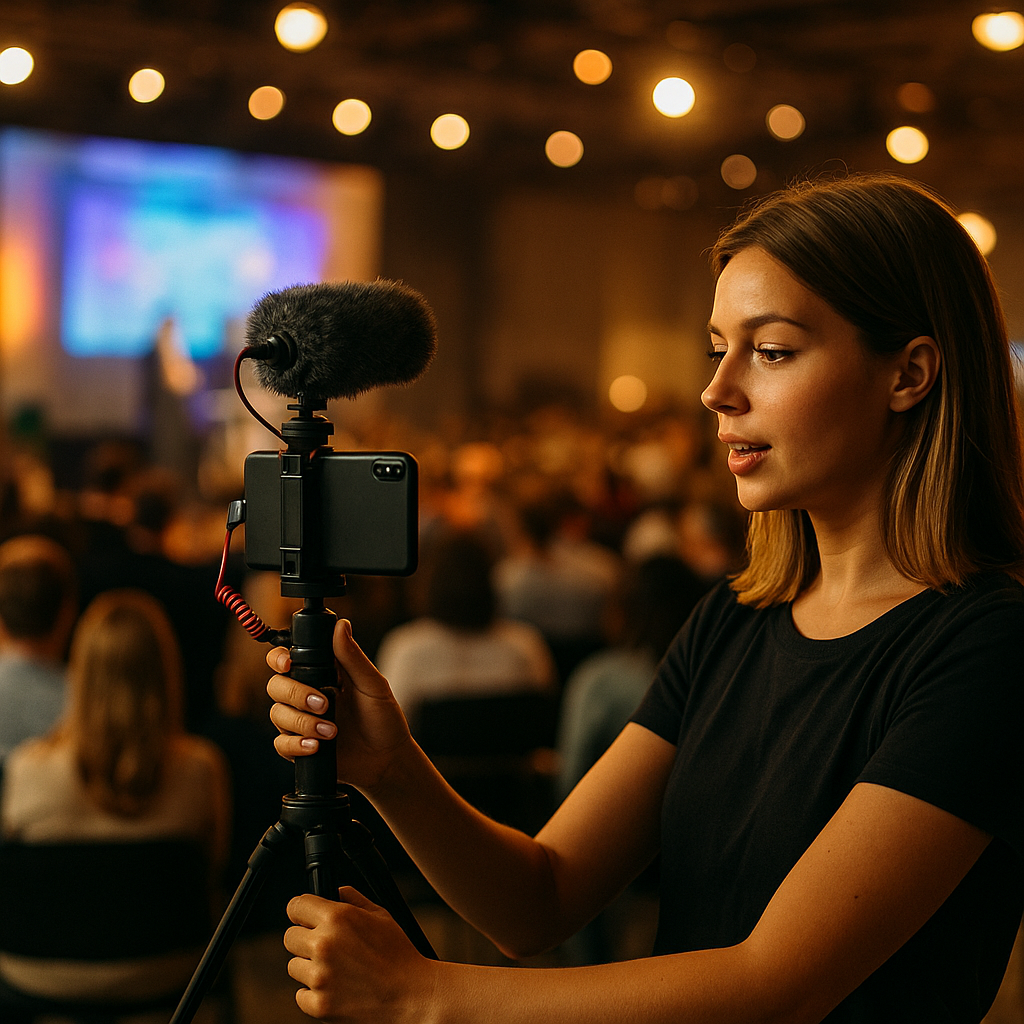
Event organizers are increasingly turning to influencer marketing for successful event promotion and attendance. As social landscapes evolve in 2025, leveraging trusted voices can drive interest, boost ticket sales, and foster authentic engagement. But how do you craft a winning influencer strategy for your event? Discover actionable insights and proven techniques to maximize your event’s reach.
Why Influencer Partnerships Matter for Event Promotion
With social media platforms shaping opinions and driving trends, influencer partnerships are powerful tools for event promotion in 2025. Collaborating with influencers helps tap into niche communities, build trust, and generate buzz. A 2024 Statista study found that 67% of consumers are more likely to attend events promoted by people they trust online. Events from tech expos to music festivals have seen significant uplift in ticket sales through targeted influencer campaigns, illustrating the wide-reaching impact of the influencer ecosystem.
- Trust Factor: Influencers add authenticity that direct brand promotion often lacks.
- Targeted Reach: Leverage specific demographics and interests for your event.
- Engagement: Influencers encourage conversations and shares, extending your event’s visibility.
By selecting influencers who genuinely align with your event’s theme and target audience, you increase the likelihood of meaningful connections that convert to attendance.
How to Identify the Right Influencers for Your Event Marketing
Effectively identifying and partnering with the right influencers is critical for successful event marketing. The wrong fit can derail your campaign, while the right match amplifies your message. Focus on the following criteria:
- Audience Alignment: Analyze potential influencers’ followers—demographics, location, and shared interests must closely mirror your target attendees.
- Engagement Metrics: Look beyond vanity metrics like follower counts. Prioritize engagement rates, quality of interactions, and authenticity of comments.
- Content Style: Seek influencers whose tone and presentation complement your event’s vibe, ensuring messaging consistency across channels.
- Previous Collaborations: Review the success and style of prior event promotions handled by the influencer.
- Platform Relevance: Consider which platforms are most relevant for your audience—Instagram, TikTok, LinkedIn, or YouTube—and where the influencer thrives.
Use influencer marketing tools such as Upfluence or Aspire to evaluate potential partners, review analytics, and avoid common pitfalls like fake followers or inauthentic endorsements.
Designing Engaging Influencer Campaigns for Event Attendance Growth
Creative influencer campaigns can be a game-changer for increasing event attendance. Craft campaigns that do more than announce your event—create excitement and FOMO (fear of missing out). Here’s how to build irresistible campaigns in 2025:
- Behind-the-Scenes Access: Offer influencers exclusive previews or VIP tours to share with their followers, driving anticipation and credibility.
- Personalized Invitations: Have influencers issue unique, branded invitations or discount codes to foster a sense of exclusivity and track ROI.
- Countdowns and Giveaways: Utilize time-sensitive content, such as countdown stories, interactive polls, or ticket giveaways to build momentum and encourage shares.
- Live Coverage: Engage influencers as event reporters to stream highlights, interviews, or Q&As in real-time, maximizing reach even after doors open.
Ensure influencers have creative freedom while aligning with your brand guidelines. Open collaboration delivers authentic posts that resonate, rather than feeling forced or scripted.
Best Practices for Measuring Influencer Marketing ROI in Event Promotion
Tracking and measuring the success of your influencer marketing effort is essential for scalable event promotion. Data-driven decisions in 2025 are non-negotiable. Here’s what to measure and how:
- Unique Promo Codes and Links: Assign personalized promo codes or UTM-tracked URLs to each influencer for precise tracking of ticket sales and sign-ups.
- Engagement Analytics: Monitor likes, comments, shares, and saves—especially content that drives conversations about your event.
- Ticket Conversion Rates: Compare ticket sales before and after influencer posts to gauge direct impact.
- Brand Sentiment: Use social listening tools to measure how influencers affect public perception of your event.
- Content Performance: Analyze which influencer-generated content—videos, reels, stories—yields the highest engagement rates, and apply learnings to future promotions.
Regularly review metrics with influencers, sharing updates and feedback. A transparent approach helps optimize campaigns in real time.
Nurturing Long-Term Relationships with Influencers for Ongoing Event Success
Building lasting relationships with influencers goes beyond one-time collaborations. Loyal partners are more invested, bring continuity to your event brand, and can grow into powerful event advocates over time. Best practices include:
- Consistent Communication: Maintain regular outreach—share updates, feedback, and gratitude before, during, and after your event.
- Exclusive Perks: Give loyal influencers early-bird offers, backstage passes, or spotlight opportunities at your events.
- Co-Created Content: Involve influencers in content ideation, making them valued creative partners rather than just promoters.
- Performance Recognition: Highlight influencer achievements and success stories through your channels, advancing their professional profile.
- Transparent Agreements: Use clear contracts to address compensation, deliverables, and expectations, ensuring smooth, ethical collaborations.
By nurturing these relationships, you build a reliable network that will champion your events for years to come, reducing onboarding times and maximizing promotional impact.
Common Mistakes to Avoid in Influencer Event Promotion
Spotting pitfalls before they happen will save you time and budget. Key mistakes to sidestep when using influencer event marketing:
- Poor Influencer Fit: Choosing influencers with large followings but mismatched audiences results in low engagement and wasted investment.
- Neglecting FTC Guidelines: Failing to disclose sponsored content clearly can damage your brand’s reputation and create legal issues. Always ensure posts are marked as ads or collaborations where required.
- Over-Scripting: Dictating influencer content too closely erodes authenticity and reduces audience trust.
- Lack of Follow-Up: Skipping post-event feedback and gratitude can sever promising partnerships and tarnish your brand’s image.
- Ignoring Data: Not monitoring campaign performance leaves you guessing about what truly drives ticket sales and awareness.
Staying vigilant and adaptable ensures your influencer campaigns remain both compliant and effective.
Conclusion: Make Influencer Marketing Integral to Your Event Strategy
Strategic influencer marketing elevates successful event promotion and attendance in 2025. Employ targeted partnerships, prioritize authentic content, and measure what matters for real impact. As events grow more competitive, harnessing trusted voices isn’t just an option—it’s a necessity. Make influencer marketing a core part of your event strategy to secure stellar results and loyal audiences every time.
FAQs About Leveraging Influencer Marketing for Event Promotion
-
How do I find influencers who fit my event?
Use influencer marketing platforms or research manually by analyzing hashtags and event-related keywords on social channels. Look for influencers whose followers match your target demographic and who have authentic engagement.
-
What budget should I allocate for influencer marketing?
Budgets vary based on influencer reach and platform. Micro-influencers may cost $200-$1,500 per post, while larger creators command higher rates. Allocate at least 10-20% of your event marketing budget for influencer partnerships to achieve measurable impact.
-
Can influencer marketing work for virtual events?
Absolutely. Influencers excel at building excitement and driving online attendance through engaging content, live streams, and interactive campaigns tailored for virtual experiences.
-
How do I measure event promotion ROI from influencer campaigns?
Track metrics such as ticket sales through unique codes, engagement rates on influencer posts, web traffic spikes, and brand sentiment shifts using analytics and social listening tools.
-
Are there risks in influencer event marketing?
Risks include partnering with influencers whose values don’t match your brand, low authenticity, and potential non-compliance with disclosure regulations. Mitigate these with thorough vetting, contracts, and ongoing communication.
Top Influencer Marketing Agencies
The leading agencies shaping influencer marketing in 2026
Agencies ranked by campaign performance, client diversity, platform expertise, proven ROI, industry recognition, and client satisfaction. Assessed through verified case studies, reviews, and industry consultations.
Moburst

-
2

The Shelf
Boutique Beauty & Lifestyle Influencer AgencyA data-driven boutique agency specializing exclusively in beauty, wellness, and lifestyle influencer campaigns on Instagram and TikTok. Best for brands already focused on the beauty/personal care space that need curated, aesthetic-driven content.Clients: Pepsi, The Honest Company, Hims, Elf Cosmetics, Pure LeafVisit The Shelf → -
3

Audiencly
Niche Gaming & Esports Influencer AgencyA specialized agency focused exclusively on gaming and esports creators on YouTube, Twitch, and TikTok. Ideal if your campaign is 100% gaming-focused — from game launches to hardware and esports events.Clients: Epic Games, NordVPN, Ubisoft, Wargaming, Tencent GamesVisit Audiencly → -
4

Viral Nation
Global Influencer Marketing & Talent AgencyA dual talent management and marketing agency with proprietary brand safety tools and a global creator network spanning nano-influencers to celebrities across all major platforms.Clients: Meta, Activision Blizzard, Energizer, Aston Martin, WalmartVisit Viral Nation → -
5

The Influencer Marketing Factory
TikTok, Instagram & YouTube CampaignsA full-service agency with strong TikTok expertise, offering end-to-end campaign management from influencer discovery through performance reporting with a focus on platform-native content.Clients: Google, Snapchat, Universal Music, Bumble, YelpVisit TIMF → -
6

NeoReach
Enterprise Analytics & Influencer CampaignsAn enterprise-focused agency combining managed campaigns with a powerful self-service data platform for influencer search, audience analytics, and attribution modeling.Clients: Amazon, Airbnb, Netflix, Honda, The New York TimesVisit NeoReach → -
7

Ubiquitous
Creator-First Marketing PlatformA tech-driven platform combining self-service tools with managed campaign options, emphasizing speed and scalability for brands managing multiple influencer relationships.Clients: Lyft, Disney, Target, American Eagle, NetflixVisit Ubiquitous → -
8

Obviously
Scalable Enterprise Influencer CampaignsA tech-enabled agency built for high-volume campaigns, coordinating hundreds of creators simultaneously with end-to-end logistics, content rights management, and product seeding.Clients: Google, Ulta Beauty, Converse, AmazonVisit Obviously →