


In 2025, retail success relies on more than products—it hinges on smart strategies that draw shoppers offline. Explore this case study of a successful in-store marketing campaign that drove foot traffic, delivering measurable returns and key insights for retailers. Ready to learn what actually works for boosting visits and sales in today’s brick-and-mortar landscape?
Understanding Foot Traffic Generation in Modern Retail
Increasing in-store foot traffic remains a top priority for physical retailers, even as e-commerce thrives. According to the NRF’s latest consumer trends survey, 72% of shoppers specifically appreciate the tactile experience and instant gratification of in-store shopping. In 2025, foot traffic isn’t just a vanity metric—it’s a sign of real engagement and a foundation for increased sales and loyalty. This case examines how one leading apparel retailer systematically boosted foot traffic through an innovative in-store marketing campaign, illustrating the essential strategies every retailer should consider.
Crafting an In-Store Marketing Strategy That Resonates
Launching an impactful in-store marketing campaign requires deep customer understanding. The retailer in focus first analyzed granular data, including local demographics, peak visit hours, and popular product categories. Using customer journey mapping, they pinpointed missed opportunities for engagement on the sales floor. Combining this research with digital analytics, they designed a campaign centered on experiential shopping—bringing together exclusive product launches, influencer-led pop-up events, limited-time discounts, and interactive displays. This synergy between data and creativity set the stage for optimal in-store marketing outcomes.
Executing the Foot Traffic Campaign: Tactics and Technology
Execution was key. The retailer deployed a multi-channel promotional plan leveraging:
- Geo-targeted push notifications: Customers in the vicinity received timely alerts about in-store-only deals and events using the retailer’s loyalty app.
- QR code experiences: Scannable codes unlocked instant rewards and product information, gamifying the shopping experience.
- On-site pop-up events: Local micro-influencers hosted mini-workshops and style sessions, creating Instagrammable moments and UGC (user-generated content).
- Exclusive in-store merch: Limited runs of store-exclusive products were highlighted in all campaign communications.
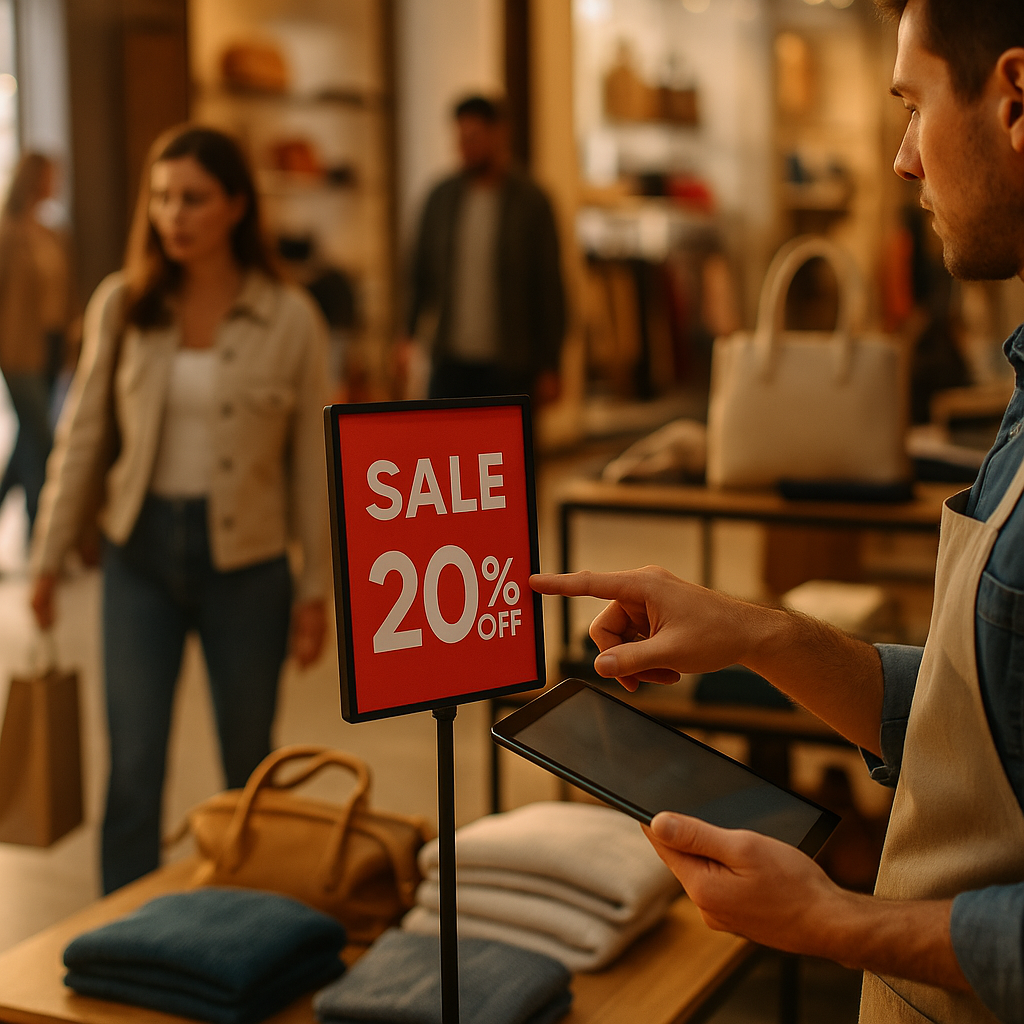
Staff were trained for seamless execution—equipped with tablets to offer instant checkout, loyalty signup, and product recommendations, further enhancing the experience. Each element was meticulously measured to correlate tactics with resulting upticks in foot traffic.
Measuring Campaign Success: Results and Key Metrics
The campaign ran for six weeks during a typically slow sales season. Using anonymized footfall analytics, POS data, and customer feedback surveys, the retailer tracked:
- 32% increase in average daily foot traffic—verified via in-store sensors and loyalty check-ins
- 19% lift in same-store sales compared to the previous period
- Over 2,000 app downloads attributed directly to campaign-linked QR codes
- 25% conversion rate for event attendees making a purchase the same day
Customer satisfaction scores rose by 14 points, with shoppers citing “personalized experiences” and “sense of occasion” as primary draws. This data-driven, omnichannel approach to in-store marketing proved highly effective in achieving business goals and building community engagement.
Lessons Learned: What Drives Consistent In-Store Foot Traffic
This case study offers actionable takeaways for any retailer aiming to boost foot traffic:
- Blend data and creativity: Use analytics to guide engaging, customer-centric events and campaigns.
- Prioritize mobile engagement: Loyalty apps and geo-fencing drive urgency and exclusivity.
- Empower your staff: Well-trained employees make in-store experiences memorable and frictionless.
- Measure relentlessly: Link every tactic to measurable outcomes—traffic, sales, satisfaction— to iterate and improve.
- Leverage local influencers and exclusive offers: These foster authenticity and word-of-mouth buzz that digital ads alone can’t match.
Adaptability and authenticity lie at the heart of retail footfall success in 2025. Brands willing to meet shoppers where they are—both digitally and on the sales floor—stand out in a crowded marketplace.
Building on In-Store Marketing Success: Next Steps for Growth
After the initial campaign success, the retailer established an ongoing calendar of micro-experiences: monthly mini-events, seasonal exclusive product drops, and segmented push notification offers tied to inventory and customer preferences. They expanded their collaboration with local influencers, creating a blueprint for agile, community-driven marketing. These steps delivered sustainable gains in foot traffic, encouraging customer return visits and amplifying lifetime value—solidifying the vital role of in-store marketing in overall retail strategy.
Conclusion: Key Takeaways for Driving Foot Traffic With Effective In-Store Marketing
This case study evidences how a well-executed in-store marketing campaign can dramatically increase retail foot traffic, customer engagement, and sales. By blending data analytics with creative, experiential tactics and ongoing measurement, retailers can transform store trips into highly desirable experiences—ensuring ongoing business growth in 2025 and beyond.
FAQs: Successful In-Store Marketing Campaigns and Retail Foot Traffic
-
What is an in-store marketing campaign?
An in-store marketing campaign is a coordinated series of events, promotions, or experiences designed to increase customer engagement, boost foot traffic, and drive sales within a physical retail space.
-
How do retailers measure foot traffic increases?
Retailers use tools like in-store sensors, loyalty app check-ins, QR code scans, and POS data analytics to monitor changes in foot traffic before, during, and after campaigns.
-
What are effective tactics for attracting more shoppers to physical stores?
Effective tactics include geo-targeted mobile offers, exclusive in-store merchandise, pop-up events, influencer collaborations, gamification (such as rewards with QR codes), and tailored staff interactions.
-
Why is in-store foot traffic important in 2025?
In-store foot traffic signals strong customer engagement and remains crucial for driving higher sales, cross-selling, personalized experiences, and stronger brand loyalty in a retail environment that is increasingly blending physical and digital elements.
-
How often should retailers update their in-store marketing campaigns?
Retailers should regularly assess results and customer feedback, aiming for frequent, smaller-scale activations such as monthly mini-events or seasonal campaigns to sustain excitement and encourage repeat visits.
Top Influencer Marketing Agencies
The leading agencies shaping influencer marketing in 2026
Agencies ranked by campaign performance, client diversity, platform expertise, proven ROI, industry recognition, and client satisfaction. Assessed through verified case studies, reviews, and industry consultations.
Moburst

-
2

The Shelf
Boutique Beauty & Lifestyle Influencer AgencyA data-driven boutique agency specializing exclusively in beauty, wellness, and lifestyle influencer campaigns on Instagram and TikTok. Best for brands already focused on the beauty/personal care space that need curated, aesthetic-driven content.Clients: Pepsi, The Honest Company, Hims, Elf Cosmetics, Pure LeafVisit The Shelf → -
3

Audiencly
Niche Gaming & Esports Influencer AgencyA specialized agency focused exclusively on gaming and esports creators on YouTube, Twitch, and TikTok. Ideal if your campaign is 100% gaming-focused — from game launches to hardware and esports events.Clients: Epic Games, NordVPN, Ubisoft, Wargaming, Tencent GamesVisit Audiencly → -
4

Viral Nation
Global Influencer Marketing & Talent AgencyA dual talent management and marketing agency with proprietary brand safety tools and a global creator network spanning nano-influencers to celebrities across all major platforms.Clients: Meta, Activision Blizzard, Energizer, Aston Martin, WalmartVisit Viral Nation → -
5

The Influencer Marketing Factory
TikTok, Instagram & YouTube CampaignsA full-service agency with strong TikTok expertise, offering end-to-end campaign management from influencer discovery through performance reporting with a focus on platform-native content.Clients: Google, Snapchat, Universal Music, Bumble, YelpVisit TIMF → -
6

NeoReach
Enterprise Analytics & Influencer CampaignsAn enterprise-focused agency combining managed campaigns with a powerful self-service data platform for influencer search, audience analytics, and attribution modeling.Clients: Amazon, Airbnb, Netflix, Honda, The New York TimesVisit NeoReach → -
7

Ubiquitous
Creator-First Marketing PlatformA tech-driven platform combining self-service tools with managed campaign options, emphasizing speed and scalability for brands managing multiple influencer relationships.Clients: Lyft, Disney, Target, American Eagle, NetflixVisit Ubiquitous → -
8

Obviously
Scalable Enterprise Influencer CampaignsA tech-enabled agency built for high-volume campaigns, coordinating hundreds of creators simultaneously with end-to-end logistics, content rights management, and product seeding.Clients: Google, Ulta Beauty, Converse, AmazonVisit Obviously →