


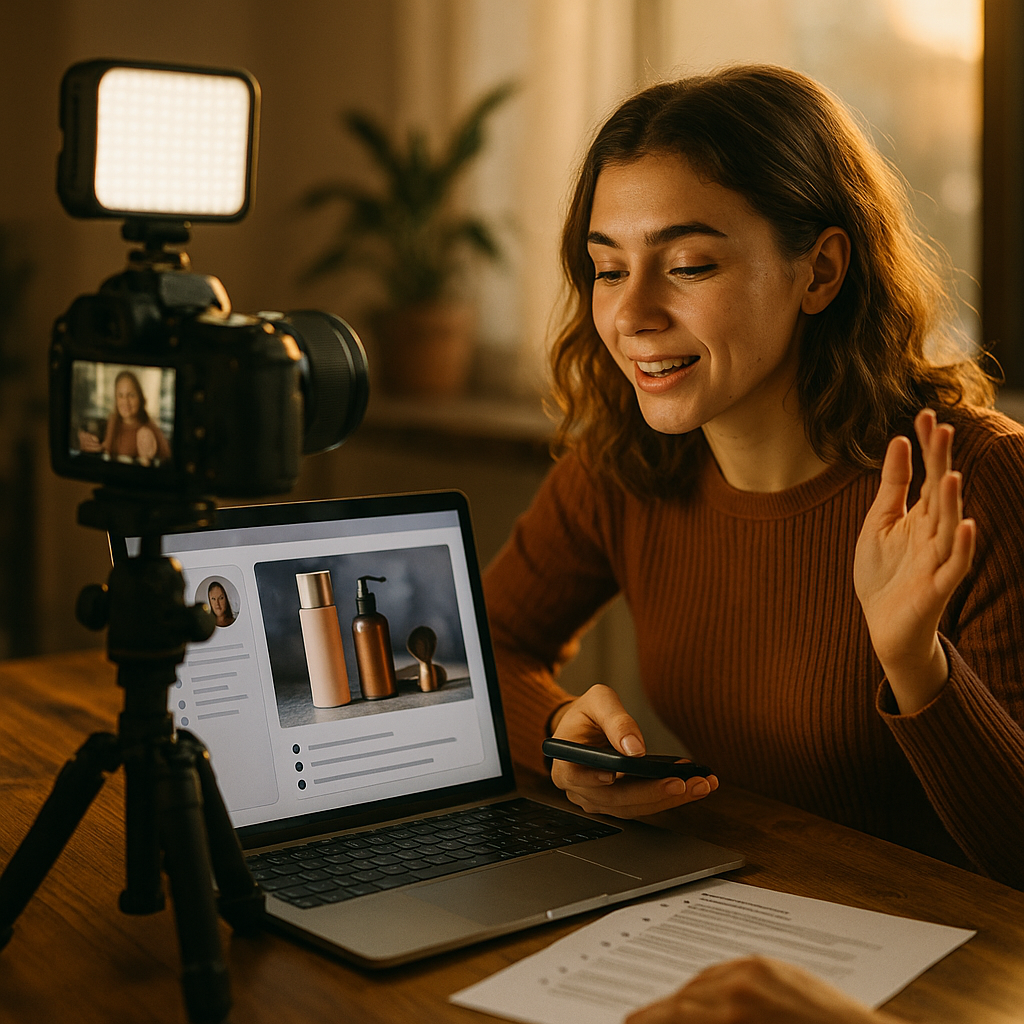
Building AI-assisted influencer briefing systems can greatly streamline your influencer marketing campaigns, ensuring seamless collaboration and consistent content quality. With the right approach, brands can automate brief generation, enhance creative alignment, and achieve better engagement outcomes. Discover how to leverage AI for influencer briefing—and whether it’s the missing link in your social marketing strategy.
Understanding the Power of Influencer Briefing Automation
Influencer briefing automation utilizes artificial intelligence to create, distribute, and refine briefs that guide content creators. In 2025, influencer marketing consumes a significant portion of many brands’ digital spend, making accuracy and efficiency crucial. Traditional briefing often creates inconsistent results. With influencer briefing automation, teams can scale campaigns, maintain creative control, and save hours spent on manual communication—while providing creators with the information they need to succeed.
Key benefits of automated influencer briefing include:
- Faster brief creation: AI reduces drafting time by leveraging templates and past performance data.
- Consistency across campaigns: Ensures all brand assets, messaging, and guidelines are up to date.
- Personalization at scale: AI tailors briefs to each influencer’s style and audience for higher authenticity.
Adopting such systems means fewer misunderstandings and more high-performing influencer content—exactly what fast-paced marketing teams need in 2025.
Designing Briefing Workflows with Generative AI
To build a modern influencer briefing system, start by mapping your workflow. Generative AI platforms can pull from brand guidelines, campaign objectives, and influencer profiles to draft tailored briefs. These systems analyze data such as past engagement rates, audience demographics, and content formats to recommend optimal creative directions.
Key steps include:
- Centralize data: Integrate brand assets, messaging, and campaign goals within your platform.
- Leverage dynamic templates: Use AI-powered tools to generate first drafts, customizing for each creator and platform.
- Embed review loops: Allow stakeholders and influencers to provide input, with AI suggesting clarifications or additions based on feedback.
- Monitor and iterate: Continuously update templates and processes based on performance analytics, letting your system learn and evolve.
Generative AI not only automates initial draft creation but also surfaces critical content requirements or campaign-specific warnings. For example, it might remind creators to comply with evolving platform policies or recommend specific hashtags based on real-time trends.
Securing Content Quality and Brand Safety with AI Tools
An AI-assisted influencer briefing system must enforce brand standards without stifling creative freedom. In 2025, content quality control tools use natural language processing and computer vision to check drafts against brand safety, style, and compliance requirements before content goes live.
- Brand voice checks: AI compares influencer drafts to brand tone, messaging, and value benchmarks, flagging inconsistencies.
- Automated compliance: Systematically checks for proper disclosures, prereviewed hashtags, or campaign-specific legal notes per region.
- Visual brand safety: Computer vision tools scan images or videos to ensure they match brand style and avoid risky motifs or context.
Using AI for these aspects ensures both legal compliance and a cohesive brand image, even across worldwide creator rosters. The result? More trust from leadership and audiences alike.
Enhancing Creator Collaboration through Customization
Modern AI influencer briefing systems focus on creating positive, two-way communications. That means not only providing clear instructions to creators but also facilitating feedback and personal touches. Custom influencer briefs—now powered by machine learning—tap into social listening and creator analytics for heightened personalization.
For example, systems may tailor suggested content ideas based on each influencer’s unique posting style, proven audience interests, or latest content performance. This approach reduces misunderstandings and supports genuine partnerships that last beyond single campaigns.
Best practices for customization include:
- Segment briefs by creator type: Macro vs. micro influencers may receive different levels of detail and creative freedom.
- Personalize references: Incorporate the influencer’s recent successful content or audience engagement data for relevancy.
- Enable feedback workflows: Let influencers comment, request changes, or suggest creative ideas, which AI can route to the right stakeholder for approval or further refinement.
When creators feel heard, their content reflects stronger brand advocacy—a key insight for marketers looking to build sustainable influencer programs.
Measuring Outcomes and Optimizing Brief Performance
Effective AI-assisted influencer briefing systems use real-time analytics to measure brief effectiveness and campaign impact. Performance monitoring isn’t just about final results—it’s about tracking the briefing process itself to see what drives superior influencer engagement.
Consider these metrics for analyzing your AI-assigned briefing system:
- Turnaround time: How quickly do briefs move from draft to sign-off and content posting?
- Creator satisfaction: Use post-campaign surveys or feedback portals to gauge how useful influencers found the briefs.
- Content compliance rates: Lower error rates or flagged compliance issues signal effective briefing.
- Engagement lift: Compare before-and-after performance on posts created with AI-generated briefs.
Regular reviews of anonymized performance data enable the whole team to improve future campaigns, ensuring each iteration of your briefing system gets smarter. In 2025’s competitive landscape, continuous optimization is essential for both operational efficiency and marketing ROI.
Integrating AI Briefing Systems with Your MarTech Stack
Deploying an AI-powered influencer briefing system is most effective when it integrates seamlessly with your marketing technology (MarTech) stack. MarTech integration ensures data flows easily between briefing platforms, influencer CRM systems, campaign trackers, and analytics dashboards.
Required integrations often include:
- Influencer databases: Pull real-time creator data for brief personalization and audience matching.
- Approval workflows: Ensure briefs, contracts, disclosures, and content pass through legal, creative, and compliance teams efficiently.
- Content publishing tools: Automate publishing schedules and real-time monitoring, reducing manual handoffs.
- Performance analytics: Machine learning models can pull campaign results back into the briefing system, powering ever-better templates and processes.
The best systems in 2025 use APIs and low-code connectors for rapid deployment. Choose platforms that can adapt as the influencer marketing landscape evolves, preventing lock-in and ensuring scalable success.
Conclusion: Mastering Influencer Briefing with AI
Investing in AI-assisted influencer briefing systems empowers teams to deliver more consistent, personalized, and effective campaigns in 2025’s digital-first environment. By combining workflow automation, content quality checks, collaboration features, and robust analytics, brands boost ROI and scale influencer partnerships with confidence.
FAQs: Building AI-Assisted Influencer Briefing Systems
-
What is an AI-assisted influencer briefing system?
An AI-assisted influencer briefing system automates and enhances the process of generating, customizing, and managing creative briefs for influencer marketing campaigns, increasing efficiency and consistency across teams and campaigns.
-
How does AI improve influencer brief quality?
AI uses data from past campaigns, real-time performance analytics, and creator profiles to draft precise, personalized briefs, increasing clarity, reducing errors, and ensuring brand alignment.
-
Can AI systems help with global influencer campaigns?
Yes, AI systems automate localization, compliance checks, and content adaptation for multiple regions, supporting global influencer partnerships accurately and efficiently.
-
What should I look for in an AI briefing system?
Key features include workflow automation, content quality controls, integration capabilities with your MarTech stack, robust analytics, and customizable templates tailored to your brand and campaign goals.
-
How do I get started with AI influencer briefing?
Start by identifying your current briefing bottlenecks, defining your must-have features, and piloting AI solutions that can integrate with your existing systems for a seamless transition.
Top Influencer Marketing Agencies
The leading agencies shaping influencer marketing in 2026
Agencies ranked by campaign performance, client diversity, platform expertise, proven ROI, industry recognition, and client satisfaction. Assessed through verified case studies, reviews, and industry consultations.
Moburst

-
2

The Shelf
Boutique Beauty & Lifestyle Influencer AgencyA data-driven boutique agency specializing exclusively in beauty, wellness, and lifestyle influencer campaigns on Instagram and TikTok. Best for brands already focused on the beauty/personal care space that need curated, aesthetic-driven content.Clients: Pepsi, The Honest Company, Hims, Elf Cosmetics, Pure LeafVisit The Shelf → -
3

Audiencly
Niche Gaming & Esports Influencer AgencyA specialized agency focused exclusively on gaming and esports creators on YouTube, Twitch, and TikTok. Ideal if your campaign is 100% gaming-focused — from game launches to hardware and esports events.Clients: Epic Games, NordVPN, Ubisoft, Wargaming, Tencent GamesVisit Audiencly → -
4

Viral Nation
Global Influencer Marketing & Talent AgencyA dual talent management and marketing agency with proprietary brand safety tools and a global creator network spanning nano-influencers to celebrities across all major platforms.Clients: Meta, Activision Blizzard, Energizer, Aston Martin, WalmartVisit Viral Nation → -
5

The Influencer Marketing Factory
TikTok, Instagram & YouTube CampaignsA full-service agency with strong TikTok expertise, offering end-to-end campaign management from influencer discovery through performance reporting with a focus on platform-native content.Clients: Google, Snapchat, Universal Music, Bumble, YelpVisit TIMF → -
6

NeoReach
Enterprise Analytics & Influencer CampaignsAn enterprise-focused agency combining managed campaigns with a powerful self-service data platform for influencer search, audience analytics, and attribution modeling.Clients: Amazon, Airbnb, Netflix, Honda, The New York TimesVisit NeoReach → -
7

Ubiquitous
Creator-First Marketing PlatformA tech-driven platform combining self-service tools with managed campaign options, emphasizing speed and scalability for brands managing multiple influencer relationships.Clients: Lyft, Disney, Target, American Eagle, NetflixVisit Ubiquitous → -
8

Obviously
Scalable Enterprise Influencer CampaignsA tech-enabled agency built for high-volume campaigns, coordinating hundreds of creators simultaneously with end-to-end logistics, content rights management, and product seeding.Clients: Google, Ulta Beauty, Converse, AmazonVisit Obviously →