


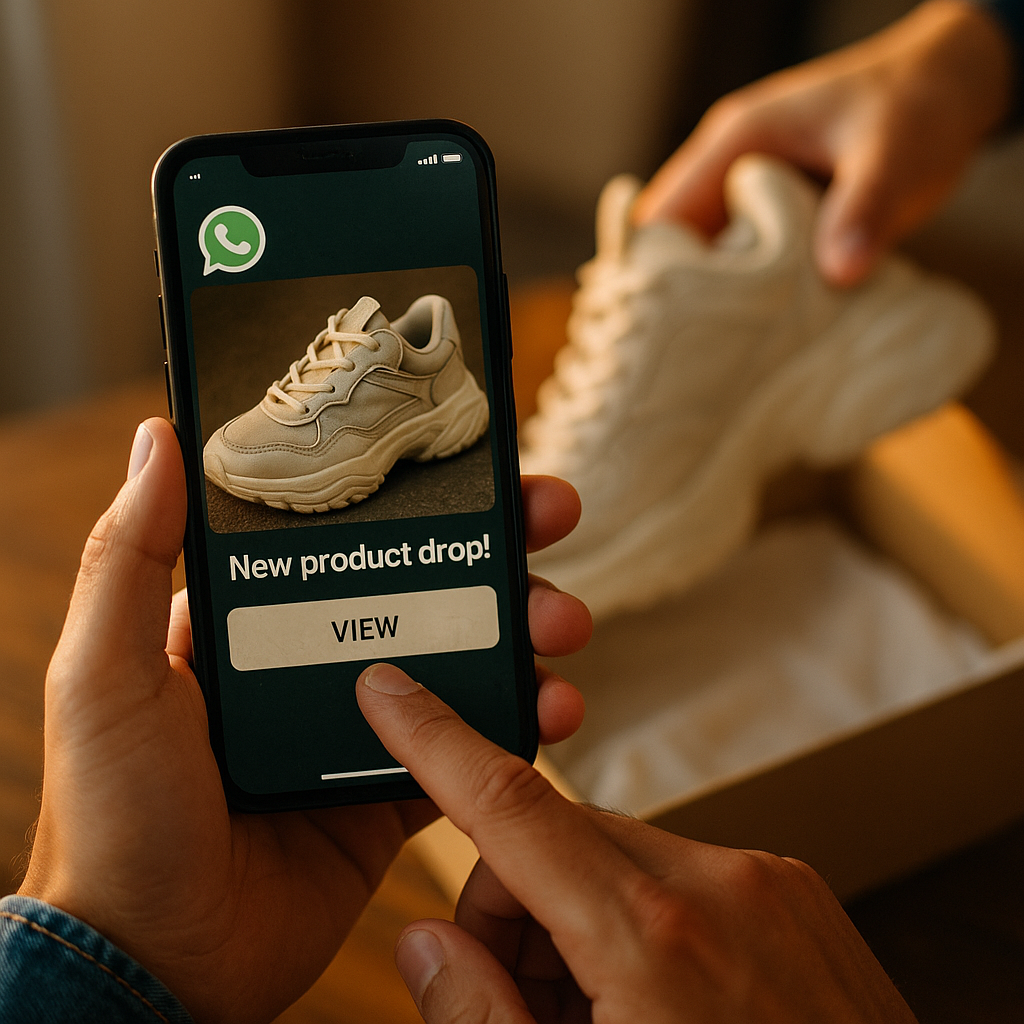
In 2025, shoppers expect early access, clarity, and fast checkout—especially when inventory is limited. This playbook shows how to use WhatsApp Channels for exclusive product drops without spamming your audience or risking trust. You’ll learn how to set up your channel, plan launch timelines, write high-performing updates, and measure results so each drop builds momentum—ready to ship your next release?
WhatsApp Channels marketing strategy: Choose the right drop model and promise
Exclusive drops work when you define a clear value exchange: subscribers get a tangible advantage (early access, limited inventory, special bundles), and your brand gets a direct, high-intent distribution channel. Start by selecting a drop model that matches your supply chain and your audience’s buying habits.
- Early access window: Channel subscribers get first access for a fixed period (for example, 30–120 minutes) before the product goes public.
- Channel-only SKU or bundle: A variant, bundle, or add-on available only through the channel link. This reduces price comparison and protects margin.
- Waitlist-to-drop: Build anticipation by collecting “notify me” interest inside your owned systems, then use the channel for the final launch link and reminders.
- Restock alerts: Ideal for replenishable products and proven winners; the “drop” is urgency-driven because inventory is finite.
Document the promise in one sentence you can repeat in every onboarding touchpoint: “Subscribe for first access to limited drops and restocks, with no spam.” Then define what “no spam” means in practice (for example, a maximum of 2–4 updates per week outside of drop days). This expectation setting is part of EEAT: it signals professionalism, consistency, and respect for the subscriber.
Before planning your first drop, confirm operational basics: accurate stock counts, reliable fulfillment timelines, and customer support coverage during launch hours. A channel can drive immediate surges; if your backend can’t handle them, trust erodes quickly.
Exclusive product drops: Build scarcity without damaging trust
Scarcity works when it’s honest. If customers sense artificial manipulation, they disengage or complain publicly. Use scarcity only when it reflects real constraints: limited production, timed releases, or controlled allocations.
Make these trust cues explicit in your updates:
- Quantify limits when possible: “500 units” or “available until sold out” is clearer than vague urgency.
- Explain the why: “Small-batch production,” “new color test,” or “seasonal allocation” adds credibility.
- Use transparent timing: Share exact launch time and the time zone, plus when public access begins.
- Never backtrack silently: If a drop extends, stock returns, or fulfillment delays happen, post an update quickly with the reason and new timeline.
Handle common follow-up questions inside your plan, not just in customer support:
- “Will there be a restock?” Decide ahead of time what you can say. If unknown, say so and commit to updating the channel first.
- “Can I reserve?” If you can’t, state “first come, first served” and recommend creating an account and saving payment details.
- “Is this discount real?” If you offer a price advantage, specify whether it’s a launch promo, bundle savings, or free shipping threshold.
Trust also depends on how you handle resellers and bots. Use per-customer limits for high-demand items, apply basic bot mitigation at checkout, and clarify policies: “2 per customer to keep it fair.” That line reduces frustration and increases perceived integrity.
WhatsApp broadcast channel setup: Foundations, permissions, and branding
WhatsApp Channels are one-to-many updates. Subscribers choose to follow, and updates appear in their Channels feed. That means your setup must do three jobs: communicate the value, make your identity unmistakable, and reduce friction from discovery to purchase.
Set up your channel with these essentials:
- Channel name: Use your brand name plus a clear qualifier if needed (for example, “BrandName Drops”). Avoid clever names that obscure identity.
- Description: One sentence on benefits, one sentence on frequency, one sentence on trust (“Official updates only”).
- Profile image: Your primary logo. Consistency helps subscribers recognize you instantly during a drop.
- Link strategy: Decide whether you will send links to a dedicated drop landing page, a product page, or a cart/checkout link. For limited drops, a landing page that answers FAQs and routes by region often reduces support load.
Operationally, create a lightweight governance document so the channel remains reliable as your team grows:
- Posting authority: Define who can publish updates and who approves drop-day messages.
- Brand voice: A short style guide for tone, length, and what you never say (for example, no exaggerated claims).
- Customer support handoff: A process for routing common questions to your support inbox, including screenshots of updates customers reference.
Privacy and compliance also matter. Keep subscriber data handling consistent with your broader privacy policy. Don’t imply that following the channel enrolls someone in marketing messages elsewhere. Be explicit: the channel is for updates; purchases follow your normal checkout terms.
Limited edition launch plan: Timeline, content, and rehearsal
A great drop feels effortless to the customer because it’s heavily prepared behind the scenes. Use a repeatable timeline so each launch improves.
7–10 days before:
- Confirm inventory, variant naming, product photography, and final pricing.
- Build a drop landing page with: launch time, what’s included, shipping expectations, returns policy, per-customer limit, and support contact.
- Create tracking links so you can attribute sales to the channel.
3–5 days before:
- Post a teaser with one strong detail (colorway, feature, bundle value) and the exact date/time.
- Answer the top 3 questions in a single update: who it’s for, how to buy fast, and what happens if it sells out.
24 hours before:
- Post a reminder plus preparation checklist: “Create account, verify address, save payment method.”
- If you expect high demand, state the purchase limit and expected sell-through risk.
Drop day (60–15 minutes before):
- Post the final countdown and confirm the link format you’ll use (for example, “A single link at launch”).
- Ensure your support team is staffed and your site performance monitoring is active.
Drop moment:
- Send one clear launch update with the link, what’s included, and the limit per customer.
- Keep copy short so users can act immediately.
After launch (15–60 minutes):
- Post a status update: “Still available” or “Sold out,” plus what happens next (restock interest, next drop date, or alternative products).
Rehearse the drop end-to-end. Test links on multiple devices, ensure the landing page loads quickly, and verify inventory rules. A rehearsal is an EEAT signal internally: it prevents errors that make your brand look careless.
Channel subscriber growth tactics: Attract the right followers before the drop
A channel filled with unqualified followers looks impressive but underperforms. Focus on attracting people likely to buy limited releases. Your goal is a high-intent audience that trusts you and acts quickly.
Use these growth tactics:
- Post-purchase invite: Add a confirmation-page prompt: “Follow our WhatsApp Channel for early access to drops and restocks.” This reaches proven buyers.
- Email and SMS cross-promotion: Invite your existing list to follow the channel specifically for drop alerts. Clarify that it’s separate from other messaging.
- Social proof snippets: Share screenshots of drop announcements on your social platforms (without revealing private info) and point to the channel as the official source.
- Retail or packaging QR code: Put a QR code insert in shipments: “Scan to join the official channel for next drop.”
- Creator partnerships: Give creators a trackable channel invite link and a clear angle: “My community gets first access here.”
Set expectations immediately. Your first pinned or early update should state:
- What followers will get (exclusive access, restock alerts, drop details).
- How often you’ll post in non-drop weeks.
- How to get help (support email or help center link).
To keep engagement high, avoid posting filler. Outside of drop cycles, share useful product context: care tips, fit guidance, compatibility notes, or behind-the-scenes manufacturing details that support informed buying. Helpful content strengthens authority and reduces returns.
WhatsApp drop analytics: Measure performance and iterate safely
Exclusive drops are a system, not a one-off event. To improve results, track outcomes across three layers: channel behavior, onsite behavior, and business impact.
Channel metrics:
- Follower growth rate: Track net new followers per week and around announcements.
- Update views: Compare views across teasers, reminders, launch links, and post-drop updates to understand what content earns attention.
- Drop-day retention: Monitor whether followers fall after a drop, which can indicate overposting or misaligned expectations.
Commerce metrics:
- Click-through rate: Use tagged links to measure which updates drive traffic.
- Conversion rate and revenue per session: Drops often bring high-intent traffic; if conversion is low, your landing page or checkout friction is likely the issue.
- Sell-through time: How quickly you sell out is a key signal for pricing and inventory allocation.
- Refund and return rate: If returns spike after channel drops, improve product detail clarity and sizing guidance in pre-drop updates.
Customer trust metrics:
- Support ticket volume during drop windows: Categorize questions and update your pre-drop FAQ content accordingly.
- Sentiment signals: Track complaints about fairness, stock accuracy, or shipping delays and address them in the next drop plan.
Run small experiments, one at a time: change the teaser timing, simplify the launch message, or test a channel-only bundle. Avoid changing pricing, messaging, and landing page structure all at once; you won’t know what worked.
Most importantly, protect the channel’s credibility. If you make a mistake (wrong time, broken link, unexpected delay), acknowledge it quickly, correct it, and explain how you’ll prevent repeats. That’s a practical expression of EEAT: expertise in operations, experience in handling issues, authority through transparency, and trustworthiness through follow-through.
FAQs: WhatsApp Channels for exclusive product drops
-
How often should I post in a WhatsApp Channel if I run product drops?
In most categories, 2–4 updates per week outside of drop cycles keeps your channel active without fatiguing followers. On drop weeks, add teasers and reminders, but keep launch-day messaging tight: one launch link plus one status update.
-
Should I send the drop link directly to a product page or a landing page?
Use a landing page when you need to answer key questions fast (timing, limits, shipping, returns, variants). Use a product page when the product information is already complete, your site is fast, and you want fewer clicks. For very limited stock, fewer clicks often wins.
-
How do I keep drops fair for customers?
Set a per-customer purchase limit, use basic bot protection, and communicate rules before launch. If inventory is extremely limited, be explicit about the risk of sellout and avoid vague “last chance” language unless it’s true.
-
What should I do if the product sells out immediately?
Post a clear sold-out update, share what happens next (restock plan or waitlist option), and recommend an alternative product if appropriate. If you might restock, say you’ll update the channel first and provide an estimated timing only if you can meet it.
-
Can WhatsApp Channels replace email for product launches?
It can complement email, but most brands perform best using both. Email supports longer explanations, receipts, and automation. Channels excel at timely, high-visibility alerts. Use email for depth and the channel for speed.
-
What content improves conversion during a drop?
Short launch updates with a single link, the key benefit, and the purchase limit tend to perform well. Before launch, publish practical buying guidance: sizing/fit, compatibility, what’s included, shipping timeline, and returns policy.
WhatsApp Channels can turn product drops into a reliable growth engine when you treat them like an owned distribution system, not a hype machine. Define a clear promise, plan a repeatable timeline, write concise launch updates, and measure what happens from view to checkout. In 2025, the brands that win drops are the ones that stay transparent, operationally ready, and relentlessly helpful.