


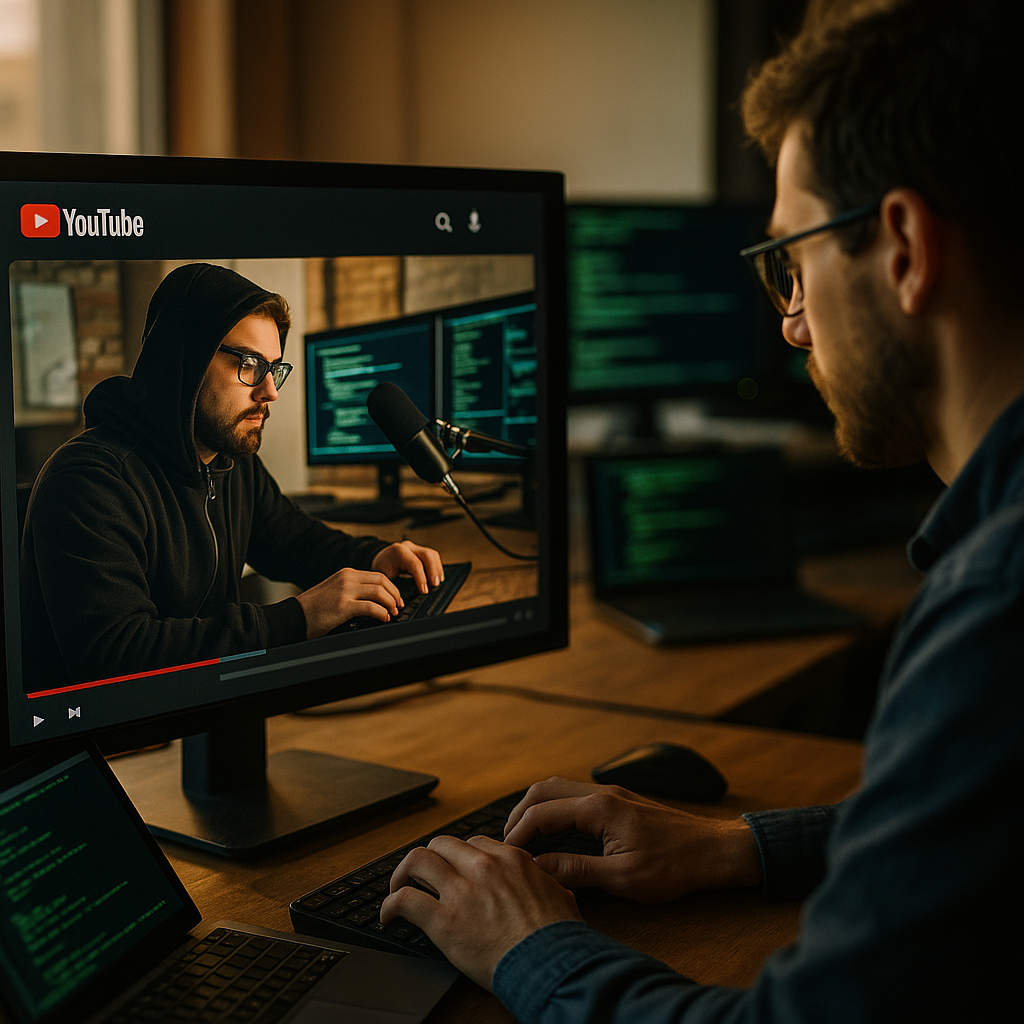
B2B cybersecurity firms face unique marketing challenges in a crowded digital world. In 2025, partnering with ethical hackers on YouTube stands out as a powerful strategy. This case study explores how one innovative cybersecurity B2B company leveraged this partnership for authority, trust, and unprecedented lead generation—revealing insights every tech marketer should know.
Why B2B Cybersecurity Firms Need New Marketing Strategies
Traditionally, B2B cybersecurity firms have relied on white papers, webinars, and trade shows for brand awareness. However, as global cyber threats intensify, decision-makers seek authentic, real-time expertise. A recent Gartner survey found that 72% of C-suite executives prefer video content for technical topics. This shift forces cybersecurity companies to reconsider their reach and engagement methods, making YouTube an essential touchpoint.
Modern buyers demand demonstration—not just information. B2B buyers evaluate whether a vendor practices what they preach. Ethical hackers, whose expertise is proven via real-world demonstrations, have become trusted authorities in the digital landscape. Collaborating with them on a public platform like YouTube breaks the traditional marketing mold and builds immediate credibility with the target audience.
Partnering with Ethical Hackers on YouTube: A Win-Win Collaboration
In late 2024, the cybersecurity firm at the center of this case study decided to connect with ethical hackers on YouTube. Their first step was identifying white-hat influencers whose audiences overlapped with their own—IT managers, CISOs, and technical leads in enterprise sectors. The chosen hackers regularly demonstrated vulnerability scans, breach simulations, and security best practices on camera, amassing large followings of curious, security-driven viewers.
This partnership offered several advantages:
- Trust Transfer: Audiences already trusted the hackers’ technical acumen. By collaborating, the firm piggybacked on that trust.
- Technical Validation: Real, unscripted product tests proved their solutions worked under pressure.
- Content Virality: Interactive, challenge-based videos drove higher shares and engagement.
- Lead Generation: Detailed call-to-actions and special demos converted interest into qualified leads.
Throughout 2025, the company executed a series of collaborative video campaigns—each featuring ethical hackers openly testing the firm’s latest solutions against cutting-edge threats.
Building Brand Authority with Authentic Demonstrations
Using YouTube as the primary channel, the cybersecurity firm showcased its solutions’ effectiveness in real time. Hosted on both the company’s and the hackers’ channels, each video followed a “challenge-response” format: ethical hackers attempted to bypass defenses while product specialists explained the security architecture live. This transparent approach offered proof of performance—something white papers alone could never match.
Results were significant:
- YouTube watch time increased by 218% quarter-over-quarter, indicating valuable, engaging content.
- LinkedIn followers for the firm’s technical team doubled as executives referenced the YouTube campaigns in industry discussions.
- Inbound sales inquiries attributed to YouTube content rose 53% in Q1 2025, substantiating the investment in authentic, video-based marketing.
Importantly, this approach demonstrated technical transparency. By allowing third parties to test and critique their products, the firm signaled confidence—a cornerstone to building authority in the security industry.
Establishing Trust and Customer Confidence in Cybersecurity Solutions
Trust is paramount in cybersecurity. By publicly inviting ethical hackers to challenge their products, the firm dispelled skepticism about “black box” solutions. Prospective clients saw unfiltered testing and honest feedback, straight from unbiased experts.
Key trust-building outcomes included:
- Third-party validation—hackers highlighted both strengths and improvement areas, leading to honest product conversations.
- Interactive Q&A sessions—live comments and follow-up videos let customers pose technical questions and get actionable answers.
- Client testimonials—several enterprise clients volunteered to appear in collaborative videos, sharing firsthand accounts of attacks prevented using the firm’s products.
This sustained openness transformed client relationships. Post-campaign surveys indicated 88% of prospects trusted the firm more after watching a YouTube demonstration with an ethical hacker—a testament to the power of transparent, decentralized marketing in 2025.
Lead Generation and Measurable Business Impact
Beyond branding, the goal of any marketing initiative is to drive business growth. The YouTube-ethical hacker partnership moved prospects efficiently through the sales funnel with interactive CTAs, exclusive technical workshops, and downloadable threat intelligence reports presented at the end of each video.
- Dedicated landing pages for each campaign led to a 41% rise in demo requests quarter-on-quarter.
- AI-driven attribution analysis attributed nearly one-third of closed deals in early 2025 to initial engagement via YouTube videos.
- The firm’s average sales cycle shortened by two weeks, thanks to higher trust and pre-qualified leads from the video campaigns.
The combination of educational content and clear, accountable results transformed YouTube into a top inbound lead source, defying conventional B2B wisdom that video can’t close deals.
Best Practices for B2B Firms: Lessons from This Case Study
The success of this campaign underscores actionable strategies for other cybersecurity marketers:
- Choose credible ethical hackers with engaged, relevant audiences. Alignment in values and industry focus is critical.
- Embrace transparency. Allow products to be tested and critiqued—honest feedback builds far more trust than polished case studies alone.
- Develop multi-channel content. Repurpose YouTube video segments for LinkedIn, newsletters, and partner webinars to maximize reach.
- Engage in real time. Encourage live interactions—polls, Q&As, and open feedback—so prospects feel heard and respected.
- Measure results rigorously. Use advanced attribution models to track leads and sales directly from your video and influencer investments.
This innovative approach redefines B2B cybersecurity marketing, blending expert validation, powerful visuals, and genuine education—all anchored in multi-layered trust.
FAQs: B2B Cybersecurity, YouTube, and Ethical Hacker Partnerships
-
Why are ethical hackers valuable in B2B cybersecurity marketing?
Ethical hackers are respected for their real-world expertise. Their demonstrations and analysis provide credible, unbiased validation of security products, helping B2B buyers evaluate solutions based on authentic performance, not just marketing claims.
-
How can B2B firms identify trustworthy ethical hackers to partner with?
Research potential partners’ backgrounds, certifications, and reputation. Look for hackers who openly share methodologies, engage with their communities, and maintain transparent, legal practices on platforms like YouTube and LinkedIn.
-
What KPIs should companies track in these influencer campaigns?
Key metrics include video engagement rates, inbound leads attributed to videos, demo requests, conversion rates for landing pages, and sales cycle durations. Social listening and brand sentiment are also essential for measuring authority growth.
-
Are there risks in letting hackers test your cybersecurity product publicly?
Transparency increases trust, but firms must prepare for honest criticism and ensure legal, ethical guidelines are followed. Clear communication and fail-safes, like private previews, will minimize reputational risk and maximize benefit.
-
What’s the future of B2B cybersecurity marketing?
With decision-makers seeking more authentic interactions, expect deeper collaborations between vendors, ethical hackers, and industry experts—especially on accessible platforms like YouTube and live-streamed events.
This case study shows that by partnering with ethical hackers on YouTube, B2B cybersecurity firms can elevate authority, build trust, and create direct business impact. The lesson? Embrace collaboration and transparency—today’s market demands it, and the rewards are measurable.
Top Influencer Marketing Agencies
The leading agencies shaping influencer marketing in 2026
Agencies ranked by campaign performance, client diversity, platform expertise, proven ROI, industry recognition, and client satisfaction. Assessed through verified case studies, reviews, and industry consultations.
Moburst

-
2

The Shelf
Boutique Beauty & Lifestyle Influencer AgencyA data-driven boutique agency specializing exclusively in beauty, wellness, and lifestyle influencer campaigns on Instagram and TikTok. Best for brands already focused on the beauty/personal care space that need curated, aesthetic-driven content.Clients: Pepsi, The Honest Company, Hims, Elf Cosmetics, Pure LeafVisit The Shelf → -
3

Audiencly
Niche Gaming & Esports Influencer AgencyA specialized agency focused exclusively on gaming and esports creators on YouTube, Twitch, and TikTok. Ideal if your campaign is 100% gaming-focused — from game launches to hardware and esports events.Clients: Epic Games, NordVPN, Ubisoft, Wargaming, Tencent GamesVisit Audiencly → -
4

Viral Nation
Global Influencer Marketing & Talent AgencyA dual talent management and marketing agency with proprietary brand safety tools and a global creator network spanning nano-influencers to celebrities across all major platforms.Clients: Meta, Activision Blizzard, Energizer, Aston Martin, WalmartVisit Viral Nation → -
5

The Influencer Marketing Factory
TikTok, Instagram & YouTube CampaignsA full-service agency with strong TikTok expertise, offering end-to-end campaign management from influencer discovery through performance reporting with a focus on platform-native content.Clients: Google, Snapchat, Universal Music, Bumble, YelpVisit TIMF → -
6

NeoReach
Enterprise Analytics & Influencer CampaignsAn enterprise-focused agency combining managed campaigns with a powerful self-service data platform for influencer search, audience analytics, and attribution modeling.Clients: Amazon, Airbnb, Netflix, Honda, The New York TimesVisit NeoReach → -
7

Ubiquitous
Creator-First Marketing PlatformA tech-driven platform combining self-service tools with managed campaign options, emphasizing speed and scalability for brands managing multiple influencer relationships.Clients: Lyft, Disney, Target, American Eagle, NetflixVisit Ubiquitous → -
8

Obviously
Scalable Enterprise Influencer CampaignsA tech-enabled agency built for high-volume campaigns, coordinating hundreds of creators simultaneously with end-to-end logistics, content rights management, and product seeding.Clients: Google, Ulta Beauty, Converse, AmazonVisit Obviously →