


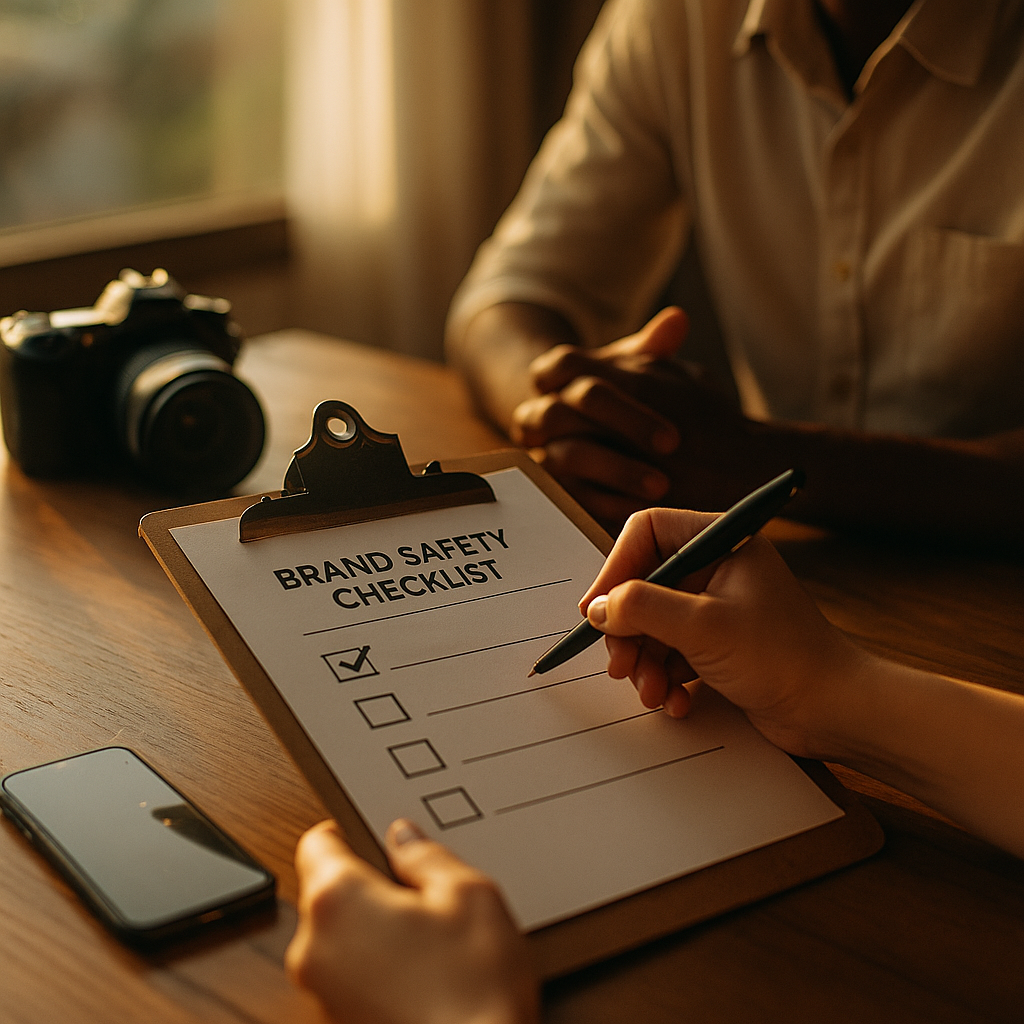
Building a brand safety checklist for vetting potential creator partners is essential in today’s dynamic digital landscape. Working with creators can amplify your reach, but only if your brand aligns with their values. Discover how to safeguard your brand reputation and collaborate confidently by implementing a comprehensive checklist that leaves no room for costly mistakes.
Why Brand Safety Matters for Creator Partnerships
As brands increasingly leverage creator partnerships, brand safety has become a top priority. According to a 2024 Statista report, more than 72% of marketing professionals consider brand safety risks when choosing influencer partners. A single misaligned collaboration can lead to reputation damage, lost customers, or even financial loss.
Brand safety refers to the strategies and protocols that ensure branded content does not appear in hazardous or inappropriate environments. When vetting creator partners, risks include:
- Association with controversial or offensive content
- Violation of advertising or platform guidelines
- Poorly disclosed sponsorships
- False or misleading claims
Understanding these risks is the first step in creating a robust safety checklist and fostering trusted, effective partnerships.
Defining Your Brand Alignment Criteria
Not every successful creator is the right fit for your brand. Before reviewing potential creator partners, outline clear brand alignment criteria. This process starts with introspection:
- Core values: What does your brand stand for?
- Target audience: Who are you trying to reach?
- Content themes: What topics are off-limits for your brand?
- Legal and ethical boundaries: Which behaviors are unacceptable?
Document these standards. For example, sustainability-focused brands should prioritize creators with eco-conscious messaging. If you market family-friendly products, ensure creators use appropriate language and imagery. This meticulous approach will make the subsequent vetting stages more effective and consistent.
Conducting a Thorough Creator Content Audit
The next step is a content audit of your potential creator partners. Don’t just skim recent posts—review a comprehensive sample across platforms such as Instagram, YouTube, TikTok, and X. Look for:
- Consistency: Do their tone and values align with your checklist?
- Quality: Is the content professionally produced with high engagement rates?
- History: Are there any instances of harmful, misleading, or divisive content?
- Transparency: Are sponsored posts properly disclosed according to FTC and platform standards?
- Community engagement: How do they interact with their audience in comment sections or live chats?
Use both manual checks and social listening tools for deeper insight. Brand safety tools such as CreatorIQ or Tagger can help flag red flags across multiple channels. Document any concerns, and don’t hesitate to disqualify creators whose content history could jeopardize your reputation.
Evaluating Reputation, Compliance, and Trustworthiness
Protecting your brand goes beyond analyzing content. Assess each creator’s reputation, compliance, and trustworthiness:
- Background checks: Search for controversies, lawsuits, or past public issues involving the creator.
- Compliance: Ensure they comply with advertising laws, including disclosing partnerships and adhering to platform rules.
- Third-party validation: Seek testimonials or references from brands who previously collaborated with the creator.
- Audience feedback: Read comments, reviews, and forums to gauge public perception.
Ask for a media kit and inquire about exclusions—topics, products, or companies the creator won’t work with. This transparency shows professionalism and openness, hallmarks of brand-safe partners.
Establishing Clear Collaboration Guidelines and Approval Processes
Once you’ve narrowed your list, set up collaboration guidelines and approval processes to minimize risk:
- Draft detailed briefs: Define campaign goals, expected messaging, and content do’s and don’ts.
- Pre-approve all content: Insist on reviewing posts or videos before they go live.
- Legal agreements: Add brand safety clauses to contracts to address content standards, exclusivity, and compliance.
- Regular check-ins: Schedule ongoing reviews throughout the partnership to catch issues early.
- Crisis management plan: Debate how you’ll respond and protect your brand in case of a violation.
Brands that openly communicate expectations and offer training or resources foster stronger, safer, and more productive influencer relationships.
Review and Update Your Brand Safety Checklist Regularly
The digital landscape evolves rapidly. New platforms, shifting social norms, and regulatory changes mean your brand safety checklist should be a living document:
- Review guidelines quarterly or after notable incidents in your industry.
- Involve your legal, compliance, and PR teams in updates to cover all angles.
- Request feedback from creator partners to spot unforeseen challenges or opportunities.
By staying proactive, you’ll strengthen your brand resilience and maximize the long-term benefits of safe, impactful creator collaborations.
Frequently Asked Questions: Vetting Creator Partners for Brand Safety
-
What is a brand safety checklist for creator partnerships?
A brand safety checklist is a documented set of standards and protocols used to evaluate and protect the brand’s reputation when selecting and collaborating with content creators.
-
How do I vet a creator’s previous collaborations?
Request a media kit and review their sponsored content across platforms. Analyze campaign transparency, tone, and any potential controversies related to past brand partnerships.
-
What tools can help assess brand safety risks?
Platforms like CreatorIQ, Tagger, and social listening tools can flag problematic language, behavior, or engagements across a creator’s content history.
-
How often should I update my brand safety checklist?
Revisit and revise your checklist at least quarterly or after any noteworthy industry developments to ensure alignment with current best practices.
-
Should creators be involved in the safety process?
Yes. Collaborating openly about brand safety expectations fosters stronger relationships and ensures mutual understanding of values and requirements.
A brand safety checklist for vetting potential creator partners empowers brands to collaborate confidently, minimize risk, and build lasting, trustworthy relationships. By following best practices and continually refining your process, you ensure your partnerships fuel both growth and reputation in 2025 and beyond.
Top Influencer Marketing Agencies
The leading agencies shaping influencer marketing in 2026
Agencies ranked by campaign performance, client diversity, platform expertise, proven ROI, industry recognition, and client satisfaction. Assessed through verified case studies, reviews, and industry consultations.
Moburst

-
2

The Shelf
Boutique Beauty & Lifestyle Influencer AgencyA data-driven boutique agency specializing exclusively in beauty, wellness, and lifestyle influencer campaigns on Instagram and TikTok. Best for brands already focused on the beauty/personal care space that need curated, aesthetic-driven content.Clients: Pepsi, The Honest Company, Hims, Elf Cosmetics, Pure LeafVisit The Shelf → -
3

Audiencly
Niche Gaming & Esports Influencer AgencyA specialized agency focused exclusively on gaming and esports creators on YouTube, Twitch, and TikTok. Ideal if your campaign is 100% gaming-focused — from game launches to hardware and esports events.Clients: Epic Games, NordVPN, Ubisoft, Wargaming, Tencent GamesVisit Audiencly → -
4

Viral Nation
Global Influencer Marketing & Talent AgencyA dual talent management and marketing agency with proprietary brand safety tools and a global creator network spanning nano-influencers to celebrities across all major platforms.Clients: Meta, Activision Blizzard, Energizer, Aston Martin, WalmartVisit Viral Nation → -
5

The Influencer Marketing Factory
TikTok, Instagram & YouTube CampaignsA full-service agency with strong TikTok expertise, offering end-to-end campaign management from influencer discovery through performance reporting with a focus on platform-native content.Clients: Google, Snapchat, Universal Music, Bumble, YelpVisit TIMF → -
6

NeoReach
Enterprise Analytics & Influencer CampaignsAn enterprise-focused agency combining managed campaigns with a powerful self-service data platform for influencer search, audience analytics, and attribution modeling.Clients: Amazon, Airbnb, Netflix, Honda, The New York TimesVisit NeoReach → -
7

Ubiquitous
Creator-First Marketing PlatformA tech-driven platform combining self-service tools with managed campaign options, emphasizing speed and scalability for brands managing multiple influencer relationships.Clients: Lyft, Disney, Target, American Eagle, NetflixVisit Ubiquitous → -
8

Obviously
Scalable Enterprise Influencer CampaignsA tech-enabled agency built for high-volume campaigns, coordinating hundreds of creators simultaneously with end-to-end logistics, content rights management, and product seeding.Clients: Google, Ulta Beauty, Converse, AmazonVisit Obviously →