


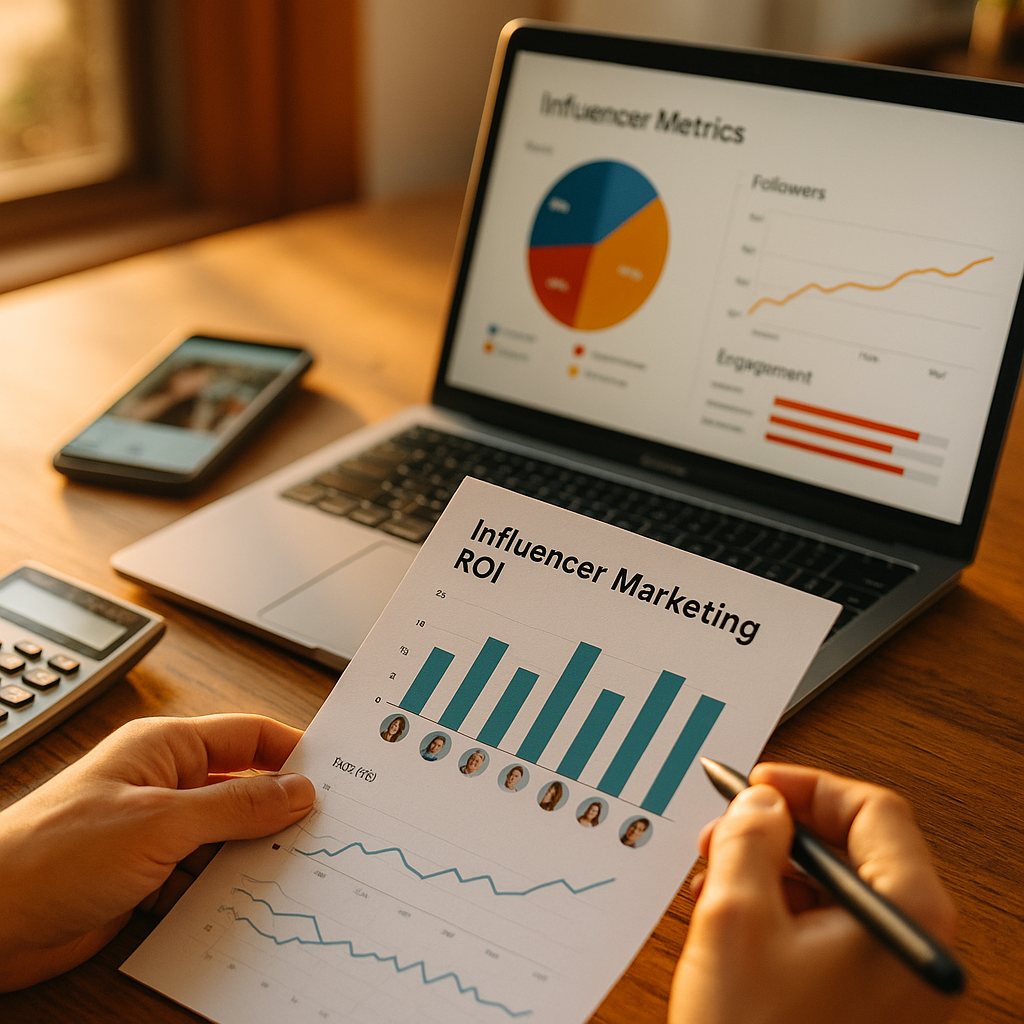
Accurately measuring influencer ROI is essential for brands to justify their marketing investments and optimize future campaigns. A well-defined framework can unlock actionable insights and reveal how partnerships impact sales, awareness, and engagement. Discover a strategic approach for calculating influencer results and learn which metrics truly matter for long-term success.
The Importance of Influencer ROI in 2025 Marketing Strategies
Influencer marketing has matured into a critical pillar of digital strategy. According to a 2025 Statista report, over 85% of brands now dedicate budget to influencer programs, underscoring the need for robust ROI measurement. Without clear evaluation, campaigns risk wasted investments or missed opportunities for optimization. Brands must demonstrate measurable impact—whether on awareness, consideration, or direct sales—to stakeholders and leadership.
Today, influencer ROI goes beyond vanity metrics like likes or followers. Marketers must connect creative execution with quantifiable results, ensuring each campaign delivers tangible business value. Establishing a solid framework builds trust, facilitates smarter decisions, and turns influencer marketing from a cost center into a profit driver.
Key Metrics to Track Influencer Marketing ROI
To measure influencer ROI accurately, brands should align campaign objectives with relevant KPIs. The most impactful metrics vary by goal:
- Sales and Revenue: Track direct sales conversions using unique promo codes, affiliate links, or platform analytics integration. Assess revenue generated from influencer-driven customer journeys.
- Engagement Rates: Go beyond surface metrics. Measure comments, shares, and saves, which signify deeper audience interest compared to likes and impressions.
- Website Traffic: Use UTM tracking and Google Analytics to monitor sessions, bounce rate, and time on site originating from influencer content.
- Brand Sentiment and Awareness: Leverage social listening tools to assess changes in conversation, share of voice, and audience sentiment before and after campaigns.
- Customer Acquisition Cost (CAC): Calculate the average spend to acquire new customers through influencer campaigns versus other channels.
- Content Performance: Evaluate reach and effectiveness of influencer-generated assets reused across paid ads or owned channels.
Each metric should feed into an overarching measurement plan tied to business objectives rather than isolated data points. This holistic perspective enables continuous improvement and strategic insights.
Establishing a Framework for Measuring Influencer ROI Accurately
To create a repeatable and objective approach, integrate the following steps into your influencer marketing measurement framework:
- Define Clear Objectives: Specify whether your goal is brand awareness, lead generation, sales, or customer loyalty. This narrows down which KPIs to prioritize.
- Set Baseline Benchmarks: Collect historical performance data for comparison, enabling clear pre- and post-campaign analysis.
- Implement Smart Tracking Systems: Utilize affiliate software, UTM tags, unique discount codes, and CRM integrations for full-funnel visibility.
- Gather Qualitative Data: Analyze influencer content quality, brand alignment, and audience feedback for context beyond numbers.
- Calculate True ROI: Use the formula (Net Profit from Campaign / Campaign Investment) x 100. Include all direct and indirect costs.
- Iterate and Optimize: Review data insights to refine influencer selection, campaign messaging, and creative formats for future programs.
This comprehensive framework ensures consistency, transparency, and actionable learnings—key requirements under Google’s EEAT quality guidelines for trustworthy marketing content.
Common Pitfalls in Influencer ROI Measurement—and How to Avoid Them
Despite growing sophistication, brands often fall into several ROI traps:
- Overvaluing Vanity Metrics: Focusing on impressions or follower counts distracts from business results. Instead, measure actions that correlate with revenue or brand lift.
- Inadequate Attribution: Ignoring multi-touch attribution undervalues influencers who drive upper-funnel awareness or assist conversions indirectly. Consider using advanced attribution models.
- Neglecting Long-Term Impact: Only measuring immediate sales ignores the brand equity, content value, and customer lifetime value built by influencer relationships. Assess both short- and long-term effects.
- Poor Data Integration: Siloed marketing systems make it difficult to connect influencer actions with downstream business outcomes. Foster strong analytics integration throughout the process.
Avoiding these mistakes helps marketers unlock the full value of influencer campaigns and present clear, compelling results to stakeholders.
Using Technology and AI to Improve Influencer ROI Accuracy
Cutting-edge analytics platforms and AI tools are game-changers for influencer measurement in 2025. Modern solutions offer:
- Predictive Modeling: Machine learning predicts likely ROI based on influencer attributes and historical data, enabling smarter partnerships and spend allocation.
- Real-Time Performance Tracking: Dashboards update metrics such as conversions and engagement instantly, keeping campaigns agile and responsive.
- Audience Quality Analysis: AI detects fake followers, audience overlap, and engagement authenticity, ensuring partnerships maximize reach to real, targeted consumers.
- Automated Reporting: Platforms compile cross-channel results, visualize ROI by campaign, and generate actionable insights with minimal manual input.
By embracing these technologies, brands achieve more precise, scalable influencer ROI measurement—while saving time and reducing error.
Best Practices for Stakeholder Reporting and Continuous Learning
Transparent, data-driven reporting is essential for demonstrating influencer ROI to internal and external stakeholders. Adhere to these best practices:
- Customize Reports for Audience: Provide executives with high-level business outcomes, while giving marketing teams access to campaign-level detail and optimization recommendations.
- Visualize Data Clearly: Use charts, graphs, and side-by-side pre/post comparisons to illustrate performance at a glance.
- Document Learnings and Next Steps: Summarize what worked, what didn’t, and actionable changes for future campaigns. Continuous learning prevents repeating mistakes and enhances ROI over time.
- Update Frameworks with New Insights: Incorporate lessons learned and emerging benchmarks to keep your measurement approach current and effective.
Effective reporting closes the loop on your measurement framework—solidifying insights, justifying budgets, and sparking future growth.
In summary, a structured framework for measuring influencer ROI accurately underpins success in the dynamic 2025 marketing landscape. By aligning metrics with objectives, leveraging technology, and avoiding common pitfalls, brands ensure every campaign delivers meaningful, measurable impact—for today’s goals and tomorrow’s growth.
FAQs About Measuring Influencer ROI
-
What is the most important influencer ROI metric?
The most important metric depends on campaign goals. For sales-driven campaigns, direct revenue or conversions are crucial. For brand awareness, engagement rate and reach may matter most. -
How do I track influencer-driven sales?
Use trackable links, unique promo codes, and integrate analytics platforms to attribute sales to specific influencers and campaigns. -
How often should ROI be measured?
Measure ROI both during and after campaigns. Ongoing monitoring allows for optimization, while post-campaign analysis provides comprehensive insights. -
Can influencer marketing deliver positive ROI?
Yes. When carefully planned and measured, influencer campaigns consistently deliver positive ROI, especially when brands select the right partners and align content with business objectives. -
How does influencer ROI compare to other digital marketing channels?
In many industries, influencer marketing provides a lower customer acquisition cost and higher engagement than traditional digital ads—especially when targeting niche or younger demographics.
Top Influencer Marketing Agencies
The leading agencies shaping influencer marketing in 2026
Agencies ranked by campaign performance, client diversity, platform expertise, proven ROI, industry recognition, and client satisfaction. Assessed through verified case studies, reviews, and industry consultations.
Moburst

-
2

The Shelf
Boutique Beauty & Lifestyle Influencer AgencyA data-driven boutique agency specializing exclusively in beauty, wellness, and lifestyle influencer campaigns on Instagram and TikTok. Best for brands already focused on the beauty/personal care space that need curated, aesthetic-driven content.Clients: Pepsi, The Honest Company, Hims, Elf Cosmetics, Pure LeafVisit The Shelf → -
3

Audiencly
Niche Gaming & Esports Influencer AgencyA specialized agency focused exclusively on gaming and esports creators on YouTube, Twitch, and TikTok. Ideal if your campaign is 100% gaming-focused — from game launches to hardware and esports events.Clients: Epic Games, NordVPN, Ubisoft, Wargaming, Tencent GamesVisit Audiencly → -
4

Viral Nation
Global Influencer Marketing & Talent AgencyA dual talent management and marketing agency with proprietary brand safety tools and a global creator network spanning nano-influencers to celebrities across all major platforms.Clients: Meta, Activision Blizzard, Energizer, Aston Martin, WalmartVisit Viral Nation → -
5

The Influencer Marketing Factory
TikTok, Instagram & YouTube CampaignsA full-service agency with strong TikTok expertise, offering end-to-end campaign management from influencer discovery through performance reporting with a focus on platform-native content.Clients: Google, Snapchat, Universal Music, Bumble, YelpVisit TIMF → -
6

NeoReach
Enterprise Analytics & Influencer CampaignsAn enterprise-focused agency combining managed campaigns with a powerful self-service data platform for influencer search, audience analytics, and attribution modeling.Clients: Amazon, Airbnb, Netflix, Honda, The New York TimesVisit NeoReach → -
7

Ubiquitous
Creator-First Marketing PlatformA tech-driven platform combining self-service tools with managed campaign options, emphasizing speed and scalability for brands managing multiple influencer relationships.Clients: Lyft, Disney, Target, American Eagle, NetflixVisit Ubiquitous → -
8

Obviously
Scalable Enterprise Influencer CampaignsA tech-enabled agency built for high-volume campaigns, coordinating hundreds of creators simultaneously with end-to-end logistics, content rights management, and product seeding.Clients: Google, Ulta Beauty, Converse, AmazonVisit Obviously →