


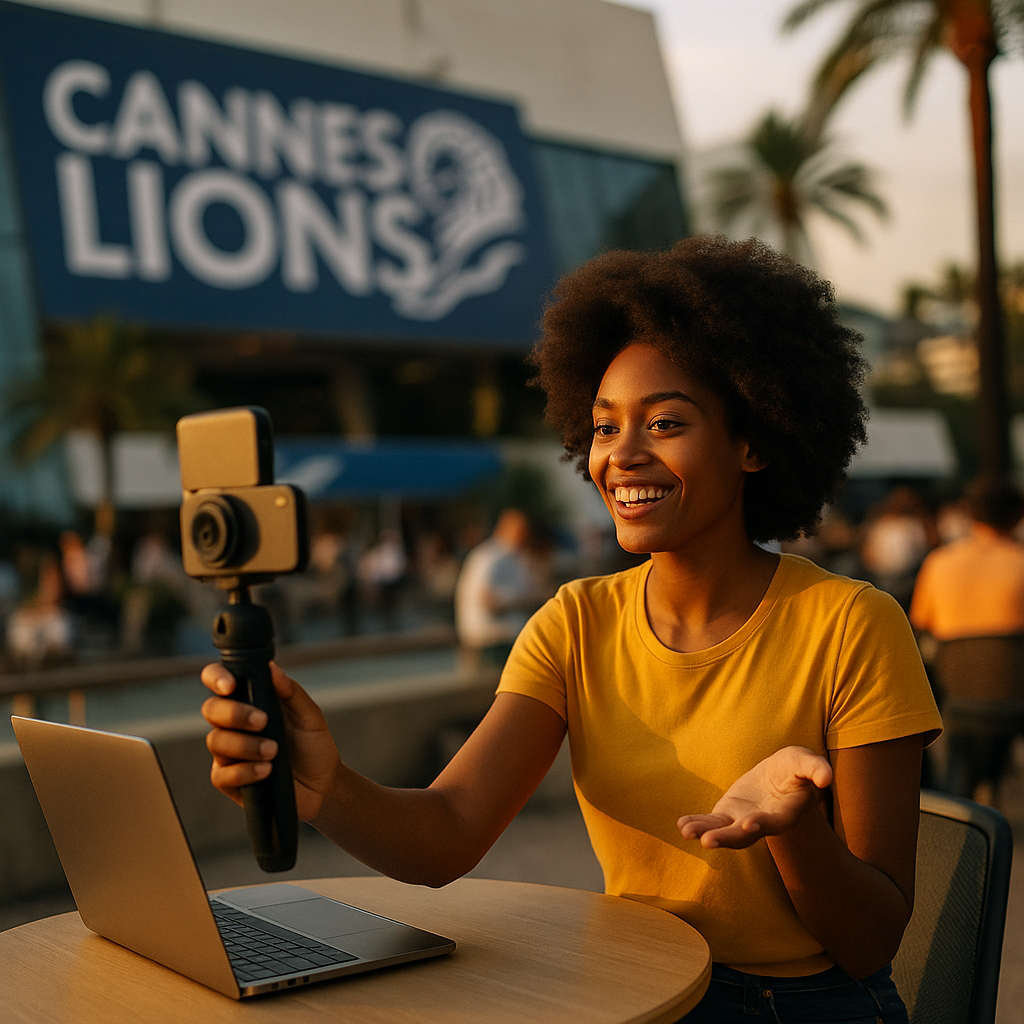
At Cannes Lions, the signal was unmistakable: talent managers and CMOs are now speaking the same language, and agencies are being cut out of the conversation. The creator economy power shift isn’t a trend. It’s a structural reorganization of how brand value gets built.
What Cannes Actually Said Out Loud
The stage conversations at Cannes Lions this cycle weren’t subtle. Top-tier talent managers showed up not to pitch their creators, but to negotiate directly with brand leadership about narrative rights, long-term equity arrangements, and co-ownership models. CMOs from consumer packaged goods, automotive, and financial services were there to listen.
The consensus that emerged: the three-party model (brand, agency, creator) is collapsing into a two-party model wherever it can. And where it can’t, agencies are being repositioned as logistics vendors, not strategic partners.
Brands that still route every creator conversation through a traditional AOR are adding 60-to-90 days of cycle time and an average 18-22% margin layer to relationships their competitors are building directly.
This isn’t abstract. When a talent manager sits across from a CMO and can articulate audience psychographics, content longevity data, and cross-platform narrative arcs, the agency middleman doesn’t add value. They add delay. The question for brand organizations isn’t whether to adapt. It’s how fast.
The Creator-as-Narrative-Engine Model
For years, brands used creators as distribution pipes. Post this. Drive traffic here. Use this link. That model is structurally exhausted, and Cannes made clear that top-tier creators are no longer accepting it.
The new model positions creators as narrative engines: they don’t just carry brand messages, they architect them. Think of how Dhar Mann Studios operates not as a content vendor but as a full-scale storytelling infrastructure. Brands integrated into that ecosystem aren’t buying a sponsored post; they’re buying narrative placement inside a serialized content world with loyal, returning audiences. For context on how that revenue and partnership logic works, the Dhar Mann Studios revenue model reveals how brand strategists should think about this type of arrangement.
What this means operationally: your brief can no longer be a one-page document with brand guidelines and talking points. It needs to reflect genuine understanding of the creator’s narrative universe. That requires internal competency your agency cannot replicate on your behalf.
For brands already building toward creator economy infrastructure, this isn’t a leap. For brands still treating creator spend as a sub-line in the social media budget, it’s a significant structural gap.
Headcount: The Three Roles You Probably Don’t Have Yet
If your influencer marketing team is made up entirely of coordinator-level buyers and a single manager, you’re not structured to execute direct long-term partnerships. Full stop.
Three roles are emerging as non-negotiable for brand organizations serious about this shift:
- Creator Partnerships Director: This person is not a talent buyer. They are a relationship builder with enough cultural fluency to negotiate narrative alignment, exclusivity structures, and IP co-ownership terms. They need to speak the language of talent management, not media buying.
- In-House Content Strategist (Creator-Focused): Distinct from your brand content team. This person understands platform-native storytelling, creator format conventions, and how to build briefs that feel like collaboration rather than compliance. See the principles behind values-first creator briefs for the mindset this role requires.
- Creator Intelligence Analyst: Someone who can pull and interpret data from platforms like Tubular Labs, CreatorIQ, or Traackr, and translate creator audience behavior into partnership recommendations. Not a social media analyst repurposed. A dedicated function.
Some organizations are also hiring a Chief Creator Officer or equivalent. That’s a real signal worth tracking. The CCO hiring trend correlates with program maturity in ways that matter for benchmarking your own readiness.
Budget Authority Has to Move Closer to the Creator Function
Here’s where most brand organizations are structurally misaligned. Creator partnership budgets are still sitting inside media budgets, approved by media directors, measured against CPM and CPC benchmarks that were never designed for creator content.
Direct long-term partnerships require a different budget construct. You’re not buying impressions; you’re funding relationship development, content development cycles, exclusivity premiums, and in some cases, equity arrangements. That spend doesn’t belong in a media line. It belongs somewhere closer to brand or even business development.
The practical implication: CMOs need to advocate for creator partnership budgets that sit within brand marketing or strategy, not as a subset of paid social. This also changes the approval chain. A talent manager negotiating a two-year co-creator arrangement with exclusivity clauses doesn’t need a media planner signing off. They need someone with brand authority and legal support.
For a working framework on how to structure this, the CMO quarterly planning framework for creator budgets offers a practical starting point.
Bypassing Agencies: What You Actually Lose (and Gain)
Let’s be precise here. “Bypassing agencies” doesn’t mean eliminating them entirely. It means demoting them from strategic partners to execution partners in the creator context.
What you lose when you go direct: scale leverage on smaller creator tiers, standardized contract templates, and the buffer that agencies provide when deals go sideways. Those are real costs. For micro-creator programs involving dozens or hundreds of creators, agency infrastructure still makes sense. The TikTok micro-creator procurement model illustrates why the economics favor aggregation at that tier.
What you gain: faster negotiation cycles, better narrative alignment, direct IP ownership clarity, and the ability to build genuine creative equity with top-tier talent. You also get first-mover advantage in relationship depth. Talent managers remember which brands respected their clients’ creative sovereignty and which ones just wanted a deliverable.
The smarter restructuring model isn’t agency-in or agency-out. It’s tiered by creator value. Mega and macro creators with long-term narrative potential: direct relationships, internal management. Mid and micro tiers focused on reach and frequency: agency or platform-managed. That distinction requires your organization to make an explicit strategic choice it probably hasn’t made yet.
For brands weighing whether to consolidate creator relationships under an AOR or maintain specialist arrangements, the AOR versus specialist question deserves rigorous internal review before Cannes season comes around again.
Competency Gaps That Will Bite You in Contract Negotiations
IP rights. Exclusivity windows. Narrative approval rights versus brand safety rights. Revenue share versus flat fee structures. These are the negotiation elements that define a long-term creator partnership, and most brand marketing teams have zero internal competency here.
Talent managers walk into these negotiations with entertainment lawyers and precedent from media deals. Brand-side teams often show up with a standard influencer contract template that hasn’t been updated in three years. The power imbalance is real, and it shows up in deal terms.
Brands that can’t negotiate IP and narrative rights internally will consistently sign creator agreements that favor the talent side, regardless of budget size.
Building this competency means either hiring entertainment-side legal counsel with creator deal experience, or training your existing legal team on the specific mechanics of talent agreements and IP rights in the modern creator context. This is not optional if you’re serious about the direct partnership model.
The broader market is taking compliance and certification seriously. Platforms and regulators are increasingly scrutinizing creator deal structures. FTC guidelines on disclosure apply regardless of whether you use an agency, and the liability sits with the brand. eMarketer projects that creator economy spend will exceed $9 billion in the U.S. alone, which means regulatory attention will only intensify.
Where to Start the Restructure
Don’t try to rebuild everything at once. Start with a creator tier audit: which of your current or target creators are genuinely narrative-capable and audience-loyal enough to justify a direct long-term relationship? That list is probably shorter than you think, and that’s fine. Those are your priority relationships to bring in-house.
Then map your internal gap. Do you have someone who can manage that relationship at the depth a talent manager expects? Do you have legal support for deal negotiation? Do you have a budget construct that doesn’t require media-metric justification for partnership spend? Sprout Social and LinkedIn Business both publish benchmarks that can help you calibrate where your creator program sits relative to peer organizations.
Build the internal capability for your top-tier creator relationships first. Let agency infrastructure handle the rest. Then expand the direct model as your team matures. Statista data on creator economy growth trajectories makes clear that the window for building this advantage at relatively low competitive cost is narrowing.
Your immediate next step: identify the one or two creator relationships in your current portfolio that are high-value and currently agency-managed, and start a direct conversation with that talent’s management. You’ll learn more in that first meeting than in six months of internal planning.
Frequently Asked Questions
What does the Cannes Lions creator economy power shift mean for brand teams?
It signals that top creators and their talent managers are now engaging directly with brand leadership, bypassing traditional agency intermediaries for strategic partnerships. Brand teams need to build internal competencies in relationship management, IP negotiation, and creator-aligned content strategy to compete effectively in this new model.
Should brands eliminate agencies from their creator programs entirely?
No. The smarter approach is a tiered model: direct internal management for high-value, narrative-capable creators, and agency or platform-managed approaches for micro and mid-tier creators where scale and procurement efficiency matter more than relationship depth.
What new headcount roles do brand organizations need for direct creator partnerships?
Three critical roles are emerging: a Creator Partnerships Director with talent management fluency, an In-House Content Strategist focused on creator-native formats and brief development, and a Creator Intelligence Analyst who can interpret platform data from tools like CreatorIQ or Traackr into actionable partnership decisions.
How should creator partnership budgets be structured differently?
Creator partnership budgets for long-term, direct relationships should sit within brand marketing or strategy functions, not inside media budgets. These arrangements involve relationship development, content cycles, exclusivity premiums, and sometimes equity, which don’t fit CPM or CPC measurement frameworks.
What legal competencies do brands need for direct creator negotiations?
Brands need counsel familiar with IP rights, narrative approval structures, exclusivity windows, and revenue share versus flat fee arrangements in creator contexts. Without this, brand-side teams consistently sign agreements that favor talent, regardless of budget. Entertainment-side legal experience is a meaningful differentiator in these negotiations.
What is the creator-as-narrative-engine model?
It’s a partnership approach where creators aren’t used as distribution channels for brand messages, but as architects of branded narrative universes. Creators with loyal, returning audiences build serialized content worlds into which brand integration occurs organically. This requires brands to understand the creator’s content ecosystem deeply, not just their follower count.
Top Influencer Marketing Agencies
The leading agencies shaping influencer marketing in 2026
Agencies ranked by campaign performance, client diversity, platform expertise, proven ROI, industry recognition, and client satisfaction. Assessed through verified case studies, reviews, and industry consultations.
Moburst

-
2

The Shelf
Boutique Beauty & Lifestyle Influencer AgencyA data-driven boutique agency specializing exclusively in beauty, wellness, and lifestyle influencer campaigns on Instagram and TikTok. Best for brands already focused on the beauty/personal care space that need curated, aesthetic-driven content.Clients: Pepsi, The Honest Company, Hims, Elf Cosmetics, Pure LeafVisit The Shelf → -
3

Audiencly
Niche Gaming & Esports Influencer AgencyA specialized agency focused exclusively on gaming and esports creators on YouTube, Twitch, and TikTok. Ideal if your campaign is 100% gaming-focused — from game launches to hardware and esports events.Clients: Epic Games, NordVPN, Ubisoft, Wargaming, Tencent GamesVisit Audiencly → -
4

Viral Nation
Global Influencer Marketing & Talent AgencyA dual talent management and marketing agency with proprietary brand safety tools and a global creator network spanning nano-influencers to celebrities across all major platforms.Clients: Meta, Activision Blizzard, Energizer, Aston Martin, WalmartVisit Viral Nation → -
5

The Influencer Marketing Factory
TikTok, Instagram & YouTube CampaignsA full-service agency with strong TikTok expertise, offering end-to-end campaign management from influencer discovery through performance reporting with a focus on platform-native content.Clients: Google, Snapchat, Universal Music, Bumble, YelpVisit TIMF → -
6

NeoReach
Enterprise Analytics & Influencer CampaignsAn enterprise-focused agency combining managed campaigns with a powerful self-service data platform for influencer search, audience analytics, and attribution modeling.Clients: Amazon, Airbnb, Netflix, Honda, The New York TimesVisit NeoReach → -
7

Ubiquitous
Creator-First Marketing PlatformA tech-driven platform combining self-service tools with managed campaign options, emphasizing speed and scalability for brands managing multiple influencer relationships.Clients: Lyft, Disney, Target, American Eagle, NetflixVisit Ubiquitous → -
8

Obviously
Scalable Enterprise Influencer CampaignsA tech-enabled agency built for high-volume campaigns, coordinating hundreds of creators simultaneously with end-to-end logistics, content rights management, and product seeding.Clients: Google, Ulta Beauty, Converse, AmazonVisit Obviously →