


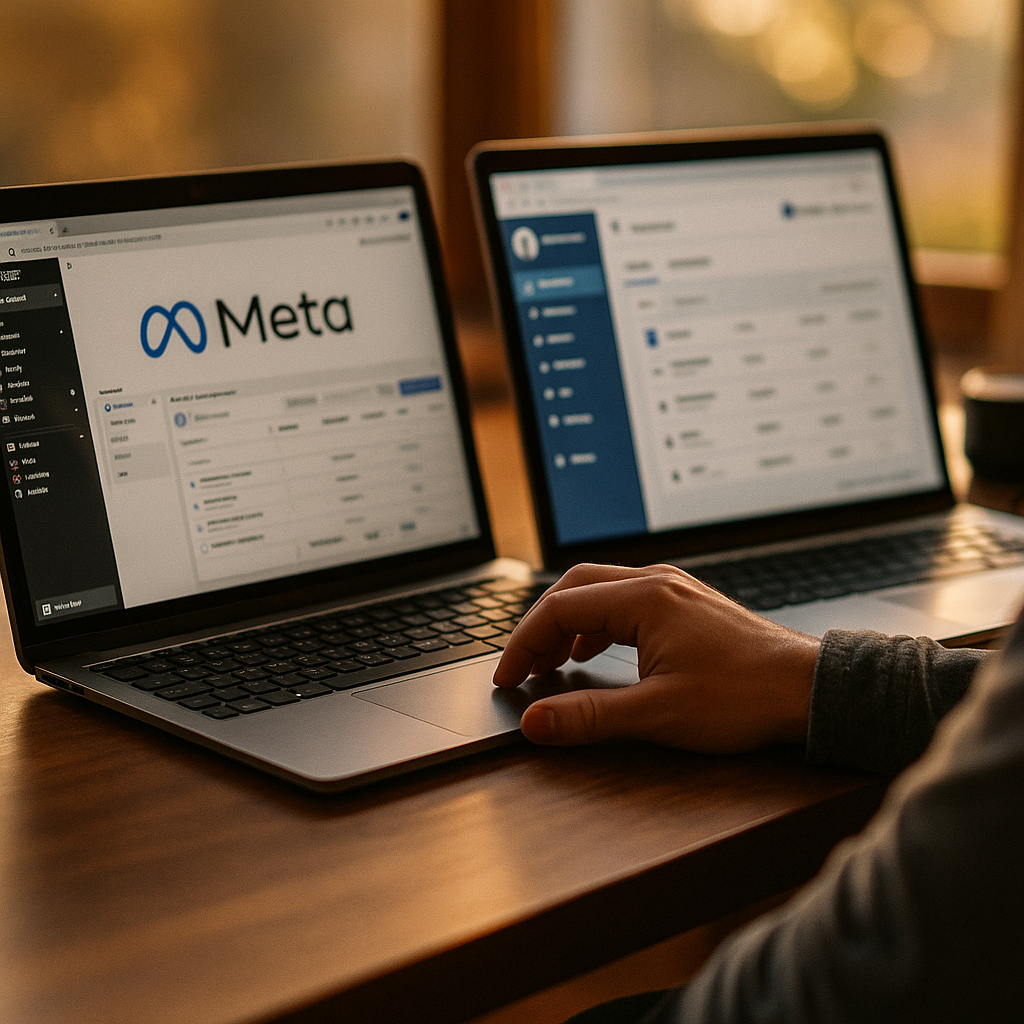
When running influencer campaigns or collaborative ads, brands must navigate whitelisting tools for permissioned advertising. Choosing between Meta Ads Manager and third-party solutions shapes control, flexibility, costs, and campaign performance. Which route empowers marketers in 2025, and where do trade-offs lie? Let’s unpack how to make the smartest whitelisting choice for your brand’s growth.
Meta Ads Manager Whitelisting: Built-In Reliability and Integration
The Meta Ads Manager offers whitelisting features natively within Facebook’s (now Meta’s) robust advertising ecosystem. Whitelisting allows brands to run paid ads using partners’, creators’, or influencers’ social profiles—with their consent—expanding reach and trust. The platform’s internal tools directly support ad authorization, creative approval, and settings for branded content ads.
Key benefits of Meta Ads Manager’s built-in whitelisting include:
- Security and Trust: Permission exchanges and temporary accesses are managed securely within Meta’s environment.
- Seamless Workflow: The creator or partner grants advertising access to the brand via Brand Collabs Manager or direct platform links, reducing onboarding friction.
- Full Analytics Integration: Performance data for whitelisted ads flows into Meta’s reporting dashboards, including breakdowns by placement, creative, and audience.
- No Extra Costs: Whitelisting inside Meta Ads Manager is available at no additional charge for eligible business accounts.
However, marketers should note limitations. While Meta’s tools enable efficient whitelisting, feature depth and customization may lag behind specialized third-party solutions, especially for multi-platform, high-volume campaigns involving numerous creators.
Third-Party Whitelisting Solutions: Unlocking Advanced Collaboration
Third-party whitelisting tools emerged to fill gaps in workflow, tracking, and access control left by native ad platforms. These cloud-based solutions—offered by companies like Lumanu, Insense, and others—act as flexible permission brokers between brands, agencies, and creators.
Notable advantages of using a third-party tool in 2025 include:
- Multi-Platform Capabilities: Manage whitelisting across Meta, TikTok, YouTube, and other channels from a single interface.
- Workflow Automation: Automate outreach, permission collection, content review, and payments, minimizing manual follow-up.
- Scalable Access Management: Instantly manage hundreds of creator relationships, revoking or granting permissions in bulk.
- Advanced Tracking: Integrate external analytics, attribution, and performance dashboards for consolidated cross-channel ROI measurement.
However, third-party tools come with added costs (typically priced by volume of managed accounts or campaigns), extra onboarding steps for both brands and creators, and potential data privacy considerations, as the tool acts as an intermediary layer between platform and advertiser.
Comparative Analysis: Control, Efficiency, and Costs
A direct comparison helps marketers weigh which whitelisting solution fits their needs in 2025. Here’s where Meta Ads Manager and third-party options most differ:
-
Control:
- Meta Ads Manager gives granular, policy-compliant control but only for Meta’s platforms. It is ideal for brands 100% focused on Facebook and Instagram.
- Third-party tools provide unified command over diverse platforms and campaigns, especially efficient for large brands or agencies running multi-influencer programs.
-
Efficiency:
- Meta’s built-in workflow is simpler for small campaigns but can be cumbersome at scale since each creator must individually approve partnerships via Meta’s UI.
- Third-party platforms automate outreach, permissions, and analytics, saving hours—sometimes days—when working with dozens of influencers per campaign.
-
Costs:
- Meta Ads Manager’s whitelisting features are free for eligible users (you pay only for the media spend).
- Third-party tools add subscription or usage fees, justified for brands seeking speed, multi-channel presence, or workflow sophistication.
Ultimately, the best tool aligns with your operational scale. A lean DTC brand activating 3–4 creator ads a month may find Meta’s solution adequate, while an agency orchestrating 100+ partnerships per quarter will recoup their investment in workflow platforms quickly.
Data Security and Privacy: Risk Mitigation in 2025
With rising regulatory scrutiny, brands value data privacy and security as much as ease-of-use. Both Meta Ads Manager and vetted third-party providers conform to strict ad authorization protocols, but there are nuances to consider:
-
Meta Ads Manager:
- Authorizations are governed by Meta’s policies; data never leaves the platform ecosystem.
- All logins, permissions, and ad delivery operate under Meta’s extensive privacy infrastructure.
-
Third-Party Tools:
- Responsible vendors use secure OAuth permissions and encrypted connections, but your campaign data may travel across extra servers.
- Check for third-party compliance with global standards like GDPR, CCPA, and regular security audits.
Speak with your legal and compliance teams before onboarding any third-party vendor and request their latest data security certifications.
User Experience for Brands and Creators
The user experience affects how smoothly you onboard creators, approve creative, and keep campaigns running. Here’s what marketers should expect in 2025:
- Brands: Meta Ads Manager shortens setup for first-time campaigns and works well for straightforward needs. However, as complexity increases, manual tracking in spreadsheets quickly becomes tedious. Third-party tools shine with their centralized dashboards and automated processes, drastically reducing time spent on administration.
- Creators: Meta’s systems are familiar to most content creators, but newer or less tech-savvy collaborators may face friction with ad account invitations and permissions. Modern third-party platforms focus on streamlined onboarding, mobile-optimized flows, and notifications—resulting in higher acceptance rates and faster go-live times.
Whichever path you choose, offer clear communication, step-by-step guides, and proactive support to creators to eliminate bottlenecks.
Making the Right Choice: Aligning Tools With Objectives
In 2025, the whitelisting tool you use should be dictated by your business objectives and resources, not simply legacy habits. Here’s a step-by-step approach:
- Define Your Scale: Are you running a one-off campaign with a handful of creators or orchestrating cross-channel activations at scale?
- Map Your Platforms: If you’re focused only on Facebook and Instagram, Meta’s tools are efficient and cost-effective. For integrated TikTok, YouTube Shorts, and Pinterest campaigns, explore third-party solutions.
- Consider Workflow Needs: Do you need to track, approve, and pay dozens of creators each month? Workflow automation saves time and reduces risk.
- Prioritize Data Security: Verify any third-party is compliant with your policies and industry regulations before signing up.
- Test and Iterate: Pilot both options on a small scale first and solicit feedback from your marketing team and creative partners to measure ease-of-use.
Remember: The right solution is not about the “most features,” but the one that creates better returns on your time, spend, and stakeholder experience.
Frequently Asked Questions: Whitelisting Tools for Ads
-
What is whitelisting in Meta Ads Manager?
Whitelisting in Meta Ads Manager allows brands to run ads through a partner’s or creator’s social handle, amplifying content with ad budget. The creator grants explicit permission via Meta’s Brand Collabs Manager or in-app workflow, letting brands target wider audiences while building trust.
-
Are third-party whitelisting tools safe in 2025?
Most reputable third-party whitelisting tools comply with top-tier security and privacy standards, such as OAuth, GDPR, and SOC 2. Always verify a vendor’s compliance credentials and discuss risk mitigation with your legal team before onboarding.
-
Does whitelisting cost extra in Meta Ads Manager?
No, Meta does not charge additional fees for whitelisting capabilities. You only pay your normal ad spend. Third-party tool providers, however, typically apply a subscription or per-campaign fee for their enhanced services.
-
What’s the main advantage of third-party whitelisting for agencies?
Third-party platforms streamline permission gathering, onboarding, campaign setup, and reporting for large-scale, multi-influencer activations—significantly reducing administrative headaches and multiplying campaign speed.
-
Can I use both Meta Ads Manager and third-party tools together?
Yes, many brands and agencies run a hybrid model: using Meta’s native tools for simple or one-off campaigns, and third-party platforms for major launches or cross-channel programs that require deep workflow management.
Whether you choose Meta Ads Manager or a third-party whitelisting solution in 2025, align your tool with campaign complexity, scale, and security needs. The best fit boosts campaign speed and control while minimizing risk, driving steady, measurable growth for your paid partnerships.
Top Influencer Marketing Agencies
The leading agencies shaping influencer marketing in 2026
Agencies ranked by campaign performance, client diversity, platform expertise, proven ROI, industry recognition, and client satisfaction. Assessed through verified case studies, reviews, and industry consultations.
Moburst

-
2

The Shelf
Boutique Beauty & Lifestyle Influencer AgencyA data-driven boutique agency specializing exclusively in beauty, wellness, and lifestyle influencer campaigns on Instagram and TikTok. Best for brands already focused on the beauty/personal care space that need curated, aesthetic-driven content.Clients: Pepsi, The Honest Company, Hims, Elf Cosmetics, Pure LeafVisit The Shelf → -
3

Audiencly
Niche Gaming & Esports Influencer AgencyA specialized agency focused exclusively on gaming and esports creators on YouTube, Twitch, and TikTok. Ideal if your campaign is 100% gaming-focused — from game launches to hardware and esports events.Clients: Epic Games, NordVPN, Ubisoft, Wargaming, Tencent GamesVisit Audiencly → -
4

Viral Nation
Global Influencer Marketing & Talent AgencyA dual talent management and marketing agency with proprietary brand safety tools and a global creator network spanning nano-influencers to celebrities across all major platforms.Clients: Meta, Activision Blizzard, Energizer, Aston Martin, WalmartVisit Viral Nation → -
5

The Influencer Marketing Factory
TikTok, Instagram & YouTube CampaignsA full-service agency with strong TikTok expertise, offering end-to-end campaign management from influencer discovery through performance reporting with a focus on platform-native content.Clients: Google, Snapchat, Universal Music, Bumble, YelpVisit TIMF → -
6

NeoReach
Enterprise Analytics & Influencer CampaignsAn enterprise-focused agency combining managed campaigns with a powerful self-service data platform for influencer search, audience analytics, and attribution modeling.Clients: Amazon, Airbnb, Netflix, Honda, The New York TimesVisit NeoReach → -
7

Ubiquitous
Creator-First Marketing PlatformA tech-driven platform combining self-service tools with managed campaign options, emphasizing speed and scalability for brands managing multiple influencer relationships.Clients: Lyft, Disney, Target, American Eagle, NetflixVisit Ubiquitous → -
8

Obviously
Scalable Enterprise Influencer CampaignsA tech-enabled agency built for high-volume campaigns, coordinating hundreds of creators simultaneously with end-to-end logistics, content rights management, and product seeding.Clients: Google, Ulta Beauty, Converse, AmazonVisit Obviously →