


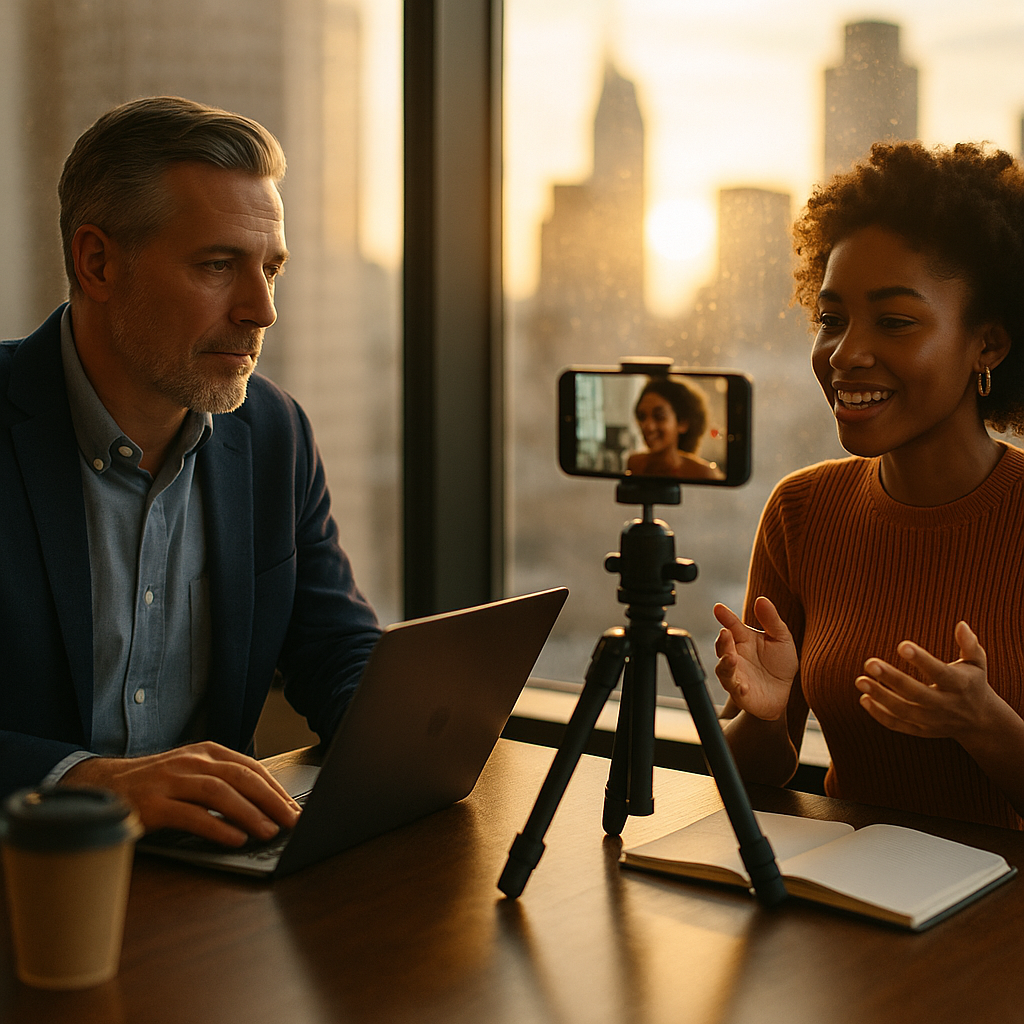
The creator economy is reshaping how brands connect with audiences, making it essential for any Chief Marketing Officer (CMO) to adapt fast. Chief Marketing Officers now face the challenge—and opportunity—of leveraging this dynamic space for sustainable growth. Ready to unlock the full potential of the creator economy? Discover proven strategies every CMO needs in 2025 and beyond.
Understanding the Creator Economy: A CMO Perspective
To navigate the evolving digital landscape, every Chief Marketing Officer must first understand the creator economy—a vast ecosystem where independent creators, influencers, and content producers build loyal communities across digital channels. This economy is now estimated to be worth over $250 billion, and projected to more than double in the next five years, according to Goldman Sachs.
As a CMO, your role is shifting from building brand awareness through traditional advertising to nurturing authentic collaborations with creators. This pivot requires a deep appreciation of how content creators manage their relationships, shape trust, and command influence across platforms such as YouTube, TikTok, Instagram, Twitch, and emerging decentralized networks.
Consumers increasingly value people over polished brands. Modern audiences crave honest, relatable content delivered by creators who share their values. For a CMO, this trend represents both a challenge and a game-changing opportunity to reach new demographics, increase ROI, and create lasting brand loyalty.
Identifying the Right Influencers for Brand Growth
The heart of a CMO’s success in the creator economy lies in effective influencer partnerships. Unlike early influencer marketing, the focus in 2025 is on building mutually beneficial relationships rather than transactional, one-off campaigns. The right creators can amplify your message, but the wrong fit can damage your credibility.
Start by defining your ideal creator persona. Consider:
- Audience alignment: Do they reach your target market authentically?
- Engagement quality: Are community interactions meaningful and frequent?
- Brand compatibility: Do their values and tone match yours?
- Platform presence: Are they active where your audience spends time?
Leverage advanced analytics and social listening tools to vet creators for consistency, audience overlap, and potential risks. Remember, nano- and micro-influencers—creators with 1,000 to 50,000 followers—often yield higher engagement and stronger trust than mega-stars with millions.
Building Long-Term Creator Partnerships for Sustainable Impact
Modern CMOs must prioritize relationship-based creator strategies. Single-post collaborations are giving way to ongoing partnerships. Such strategies foster trust, enable authentic brand storytelling, and drive deeper, recurring engagement across multiple campaigns.
To build long-term creator partnerships, consider these best practices:
- Co-create content: Empower creators with creative freedom to tell your brand’s story authentically. Avoid over-scripted messages.
- Transparent compensation: Offer fair, transparent compensation—including performance incentives or revenue sharing.
- Continual collaboration: Build year-round campaigns, ambassador programs, and ongoing product collaborations.
- Feedback loops: Value creator insights and involve them in product development and feedback sessions.
These practices help position your brand as a true partner to creators, not just another client. This approach not only boosts content quality but ensures creators become genuine advocates—improving your brand’s reputation and customer loyalty.
Measurement and ROI in the Evolving Creator Economy
For any Chief Marketing Officer, quantifying the impact of creator partnerships is non-negotiable. In 2025, marketing leaders have access to richer analytics across platforms, making it possible to tie creator activity to real business outcomes.
Key performance indicators (KPIs) have evolved. Go beyond vanity metrics (likes and followers) and focus on:
- Attribution models: Track conversions, sales, and lead generation directly linked to creator campaigns.
- Audience overlap: Use AI-powered analytics to determine how much each creator’s audience intersects with your brand’s key segments.
- Brand sentiment: Monitor real-time changes in public perception, reviews, and social mentions.
- Lifetime value: Measure the long-term impact on customer retention and repeat purchases traced back to creator initiatives.
Incorporate UTM links, custom discount codes, and customer surveys to attribute results accurately. CMOs who master these strategies will demonstrate real business value from their creator economy investments.
Managing Compliance and Authenticity in Creator Collaborations
As a CMO, ensuring compliance and maintaining authenticity must be a top priority within your creator strategy. Regulatory scrutiny around influencer marketing continues to intensify in 2025, with global authorities focusing on proper disclosure, data privacy, and truth-in-advertising.
To protect your brand’s reputation and foster trust, ensure that:
- All sponsored content follows disclosure guidelines: Require #ad or #sponsored tags and transparent language.
- Creators are briefed on your brand values, but not micromanaged—audience trust depends on honest, unscripted endorsements.
- Data use respects GDPR and other privacy frameworks: Work with creators who handle audience data ethically.
- You monitor ongoing campaigns, quickly addressing any non-compliant or off-brand messaging.
This extra vigilance ensures audience trust is protected, preventing costly missteps while keeping your brand on the right side of current (and future) regulations.
The Future of Brand-Driven Communities in the Creator Economy
Forward-thinking CMOs are already capitalizing on the creator economy’s shift from pure marketing to authentic, brand-driven communities. Rather than seeing creators solely as a distribution channel, brands must partner with them to build engaged ecosystems where audiences share ideas, feedback, and loyalty.
Key trends to watch include:
- Creator-led platforms: New networks that reward both creators and brands for genuine engagement, not just reach.
- Private online communities: Discord servers, subscription-based groups, and forums moderated by creators, with brands supporting value-added experiences.
- User-generated content (UGC): Brand and creator collaborations that empower everyday consumers to contribute, transforming passive audiences into active co-creators.
- Decentralized ownership: Blockchain-powered models where creators and their most loyal fans own stakes in community-driven brands.
For CMOs, the key is to shift your mindset: build bridges between creators and communities, enabling co-creation and shared ownership of your brand’s future.
Conclusion: The CMO’s Creator Economy Game Plan
Savvy Chief Marketing Officers who embrace the creator economy in 2025 will realize sustainable growth, deeper engagement, and long-term loyalty. The playbook is clear: prioritize authentic partnerships, evolve your ROI measurements, and champion transparency. The time to lead your brand into the creator-first era is now—adapt, collaborate, and thrive alongside the creators shaping tomorrow’s consumer landscape.
Frequently Asked Questions
-
What is the creator economy, and why does it matter to CMOs?
The creator economy refers to a digital ecosystem where individuals monetize content, build audiences, and partner with brands. For CMOs, it’s a powerful channel to reach engaged, niche communities through authentic voices that resonate with modern consumers.
-
How do Chief Marketing Officers find the right creators for their brand?
CMOs should focus on audience alignment, engagement quality, and shared values. Use social listening tools, detailed analytics, and thorough vetting processes to identify trustworthy creators whose communities overlap with your brand’s ideal customers.
-
How is ROI measured in creator partnerships?
Beyond likes and shares, modern ROI measurements for creator partnerships include campaign-attributed conversions, sales, audience growth, brand sentiment, and customer lifetime value. Customized links, codes, and consumer surveys help attribute results accurately.
-
What risks must CMOs manage in creator collaborations?
Risks include non-compliance with advertising regulations, misalignment with brand values, and inauthentic messaging. CMOs must educate creators about disclosure requirements, monitor content, and ensure data privacy standards are maintained.
-
What emerging trends should CMOs watch in the creator economy?
Watch for creator-led platforms, private online and offline communities, blockchain-powered rewards, and a shift towards co-creation with everyday consumers. Adaptability and partnership-focused strategies are crucial to remaining relevant and driving growth in 2025.
Top Influencer Marketing Agencies
The leading agencies shaping influencer marketing in 2026
Agencies ranked by campaign performance, client diversity, platform expertise, proven ROI, industry recognition, and client satisfaction. Assessed through verified case studies, reviews, and industry consultations.
Moburst

-
2

The Shelf
Boutique Beauty & Lifestyle Influencer AgencyA data-driven boutique agency specializing exclusively in beauty, wellness, and lifestyle influencer campaigns on Instagram and TikTok. Best for brands already focused on the beauty/personal care space that need curated, aesthetic-driven content.Clients: Pepsi, The Honest Company, Hims, Elf Cosmetics, Pure LeafVisit The Shelf → -
3

Audiencly
Niche Gaming & Esports Influencer AgencyA specialized agency focused exclusively on gaming and esports creators on YouTube, Twitch, and TikTok. Ideal if your campaign is 100% gaming-focused — from game launches to hardware and esports events.Clients: Epic Games, NordVPN, Ubisoft, Wargaming, Tencent GamesVisit Audiencly → -
4

Viral Nation
Global Influencer Marketing & Talent AgencyA dual talent management and marketing agency with proprietary brand safety tools and a global creator network spanning nano-influencers to celebrities across all major platforms.Clients: Meta, Activision Blizzard, Energizer, Aston Martin, WalmartVisit Viral Nation → -
5

The Influencer Marketing Factory
TikTok, Instagram & YouTube CampaignsA full-service agency with strong TikTok expertise, offering end-to-end campaign management from influencer discovery through performance reporting with a focus on platform-native content.Clients: Google, Snapchat, Universal Music, Bumble, YelpVisit TIMF → -
6

NeoReach
Enterprise Analytics & Influencer CampaignsAn enterprise-focused agency combining managed campaigns with a powerful self-service data platform for influencer search, audience analytics, and attribution modeling.Clients: Amazon, Airbnb, Netflix, Honda, The New York TimesVisit NeoReach → -
7

Ubiquitous
Creator-First Marketing PlatformA tech-driven platform combining self-service tools with managed campaign options, emphasizing speed and scalability for brands managing multiple influencer relationships.Clients: Lyft, Disney, Target, American Eagle, NetflixVisit Ubiquitous → -
8

Obviously
Scalable Enterprise Influencer CampaignsA tech-enabled agency built for high-volume campaigns, coordinating hundreds of creators simultaneously with end-to-end logistics, content rights management, and product seeding.Clients: Google, Ulta Beauty, Converse, AmazonVisit Obviously →