


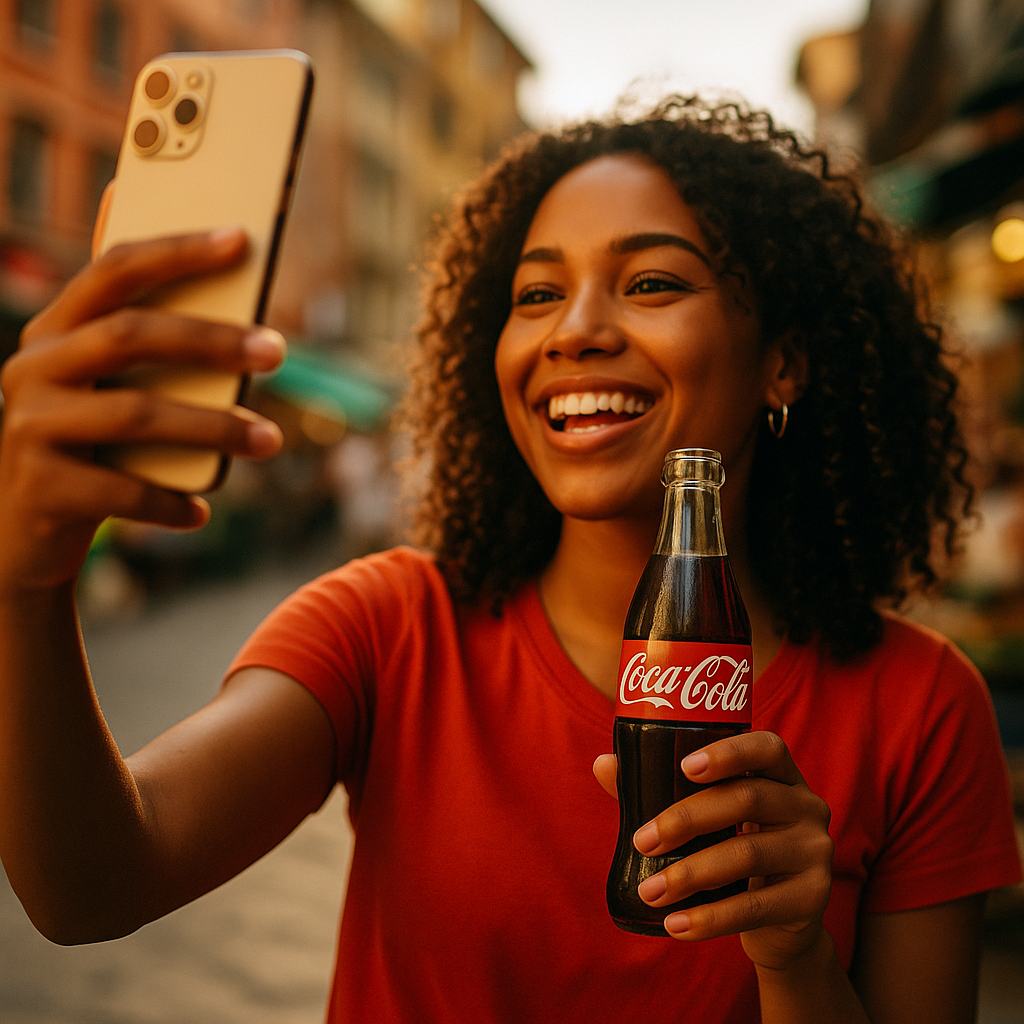
Coca-Cola localizes global influencer campaigns through a blend of strategic adaptation and cultural empathy. This approach ensures each campaign resonates authentically in diverse regions, amplifying brand loyalty and engagement. Understanding how this iconic brand masters influencer marketing on a worldwide stage sheds light on the essential ingredients of a winning localization strategy.
Understanding Coca-Cola’s Global Influencer Marketing Strategy
Coca-Cola’s global influencer marketing strategy revolves around creating unified brand messages while allowing space for local customization. By employing a dynamic mix of macro, micro, and nano influencers, the brand guarantees reach across demographics. Strategic partnerships with influencers in individual countries allow Coca-Cola to tap into unique cultural moments and platforms, ensuring every campaign fits the local context without losing sight of core branding.
Data-driven decisions anchor Coca-Cola’s approach. Recent industry reports show that 71% of global consumers prefer personalized marketing, underscoring why localization is pivotal. The company continuously analyzes social trends, audience sentiments, and influencer performance. This data informs how campaign messages, visuals, and influencer selections are adapted, ensuring each rollout is fresh yet recognizable under the Coca-Cola umbrella.
Cultural Relevance: The Heart of Localization in Influencer Collaborations
The success of Coca-Cola’s localized influencer campaigns lies in their authentic representation of local culture. Localization goes beyond translation; it encompasses traditions, values, languages, and nuances in humor or customs. Coca-Cola collaborates closely with local creative teams and influencers to ensure messaging and imagery reflect genuine local experiences—whether it’s a Ramadan celebration in Indonesia or a summertime festival in Brazil.
In 2025, the brand’s embrace of local culinary influencers, regional celebrities, and grassroots community leaders exemplifies this strategy. By showcasing real stories and highlighting familiar settings, Coca-Cola quickly builds trust and fosters a deeper emotional connection with consumers around the globe.
Platform Nuances: Tailoring Influencer Content Across Regions
Social media platform preferences vary dramatically between countries. Coca-Cola recognizes this and adapts its influencer activations to local digital ecosystems. For example, while Instagram and TikTok dominate influencer marketing in North America and Europe, platforms like WeChat, Douyin, and Line play a pivotal role in Asia’s influencer landscape.
This attention to platform nuances shapes content formats, engagement tactics, and posting schedules. Local influencers are encouraged to design campaign content native to the platforms their audiences trust—be it short-form video, interactive polls, or conversational threads. By being platform-agnostic yet context-aware, Coca-Cola maximizes both reach and relevance in each territory.
Selecting and Empowering Local Influencers
Central to Coca-Cola’s localized strategy is the careful selection and empowerment of local influencers. The brand’s vetting process considers influencer authenticity, engagement quality, and social values alignment. Recent studies confirm that micro-influencers with under 50,000 followers often generate higher engagement rates and more meaningful audience interaction.
Rather than prescribing strict creative guidelines, Coca-Cola gives local partners the freedom to interpret campaign themes in their voice. Influencers share their own Coca-Cola moments, reflecting local lifestyles and aspirations. This flexibility has shown to drive more organic engagement and user-generated content, turning influencers into true brand advocates in their communities.
Measuring Success: Data-Driven Localization Insights
Measuring the effectiveness of localized influencer campaigns is critical for ongoing improvement. Coca-Cola employs advanced analytics to evaluate campaign reach, sentiment, and conversion rates across regions. Geo-targeted metrics reveal which influencer narratives spark conversation and which campaign elements require further refinement.
These insights ensure continuous optimization of creative assets, media spends, and influencer partnerships. Feedback loops between local markets and central teams support swift adjustments, keeping campaigns relevant and impactful. The result is a dynamic influencer marketing engine that evolves to meet changing consumer habits and cultural shifts in real-time.
Challenges and Future Trends in Localizing Global Influencer Campaigns
Localizing influencer marketing at scale brings unique challenges, from navigating language barriers to maintaining consistent compliance with local advertising regulations. Coca-Cola invests in training and compliance protocols to mitigate risks and sustain ethical standards across markets.
Looking ahead, AI-powered localization tools, AR activations, and hyper-personalized content will shape the future of global influencer campaigns. Coca-Cola’s early adoption of these innovations serves as a blueprint for brands intent on connecting authentically with audiences worldwide—upholding both global brand consistency and local resonance.
In summary, Coca-Cola localizes global influencer campaigns through strategic adaptation, local empowerment, and relentless measurement. This ongoing commitment to cultural relevance is key for global brands seeking deep, resonant engagement—proving that successful localization is as much an art as it is a science.
FAQs About Coca-Cola’s Localized Influencer Campaigns
- How does Coca-Cola choose local influencers for each market?
Coca-Cola selects influencers based on authenticity, cultural relevance, engagement metrics, and alignment with brand values. This process often involves local marketing teams who have on-the-ground insights. - What platforms does Coca-Cola use for influencer campaigns?
Platform choices are tailored to local trends: Instagram and TikTok in Western markets, WeChat and Douyin in China, Line in Japan, and other regionally popular channels elsewhere. - How does Coca-Cola ensure its messaging remains consistent worldwide?
The brand strikes a balance between global themes and local storytelling by providing central guidelines while letting local influencers interpret content in their unique style. - What makes Coca-Cola’s approach to influencer localization successful?
Cultural sensitivity, ongoing data analysis, empowerment of local creatives, and a flexible approach to platform and content adaptation all contribute to consistent success. - How does Coca-Cola measure the impact of localized influencer campaigns?
Using advanced analytics, Coca-Cola tracks reach, engagement, sentiment, and conversions, with geo-targeted data informing ongoing campaign optimization.
Top Influencer Marketing Agencies
The leading agencies shaping influencer marketing in 2026
Agencies ranked by campaign performance, client diversity, platform expertise, proven ROI, industry recognition, and client satisfaction. Assessed through verified case studies, reviews, and industry consultations.
Moburst

-
2

The Shelf
Boutique Beauty & Lifestyle Influencer AgencyA data-driven boutique agency specializing exclusively in beauty, wellness, and lifestyle influencer campaigns on Instagram and TikTok. Best for brands already focused on the beauty/personal care space that need curated, aesthetic-driven content.Clients: Pepsi, The Honest Company, Hims, Elf Cosmetics, Pure LeafVisit The Shelf → -
3

Audiencly
Niche Gaming & Esports Influencer AgencyA specialized agency focused exclusively on gaming and esports creators on YouTube, Twitch, and TikTok. Ideal if your campaign is 100% gaming-focused — from game launches to hardware and esports events.Clients: Epic Games, NordVPN, Ubisoft, Wargaming, Tencent GamesVisit Audiencly → -
4

Viral Nation
Global Influencer Marketing & Talent AgencyA dual talent management and marketing agency with proprietary brand safety tools and a global creator network spanning nano-influencers to celebrities across all major platforms.Clients: Meta, Activision Blizzard, Energizer, Aston Martin, WalmartVisit Viral Nation → -
5

The Influencer Marketing Factory
TikTok, Instagram & YouTube CampaignsA full-service agency with strong TikTok expertise, offering end-to-end campaign management from influencer discovery through performance reporting with a focus on platform-native content.Clients: Google, Snapchat, Universal Music, Bumble, YelpVisit TIMF → -
6

NeoReach
Enterprise Analytics & Influencer CampaignsAn enterprise-focused agency combining managed campaigns with a powerful self-service data platform for influencer search, audience analytics, and attribution modeling.Clients: Amazon, Airbnb, Netflix, Honda, The New York TimesVisit NeoReach → -
7

Ubiquitous
Creator-First Marketing PlatformA tech-driven platform combining self-service tools with managed campaign options, emphasizing speed and scalability for brands managing multiple influencer relationships.Clients: Lyft, Disney, Target, American Eagle, NetflixVisit Ubiquitous → -
8

Obviously
Scalable Enterprise Influencer CampaignsA tech-enabled agency built for high-volume campaigns, coordinating hundreds of creators simultaneously with end-to-end logistics, content rights management, and product seeding.Clients: Google, Ulta Beauty, Converse, AmazonVisit Obviously →