


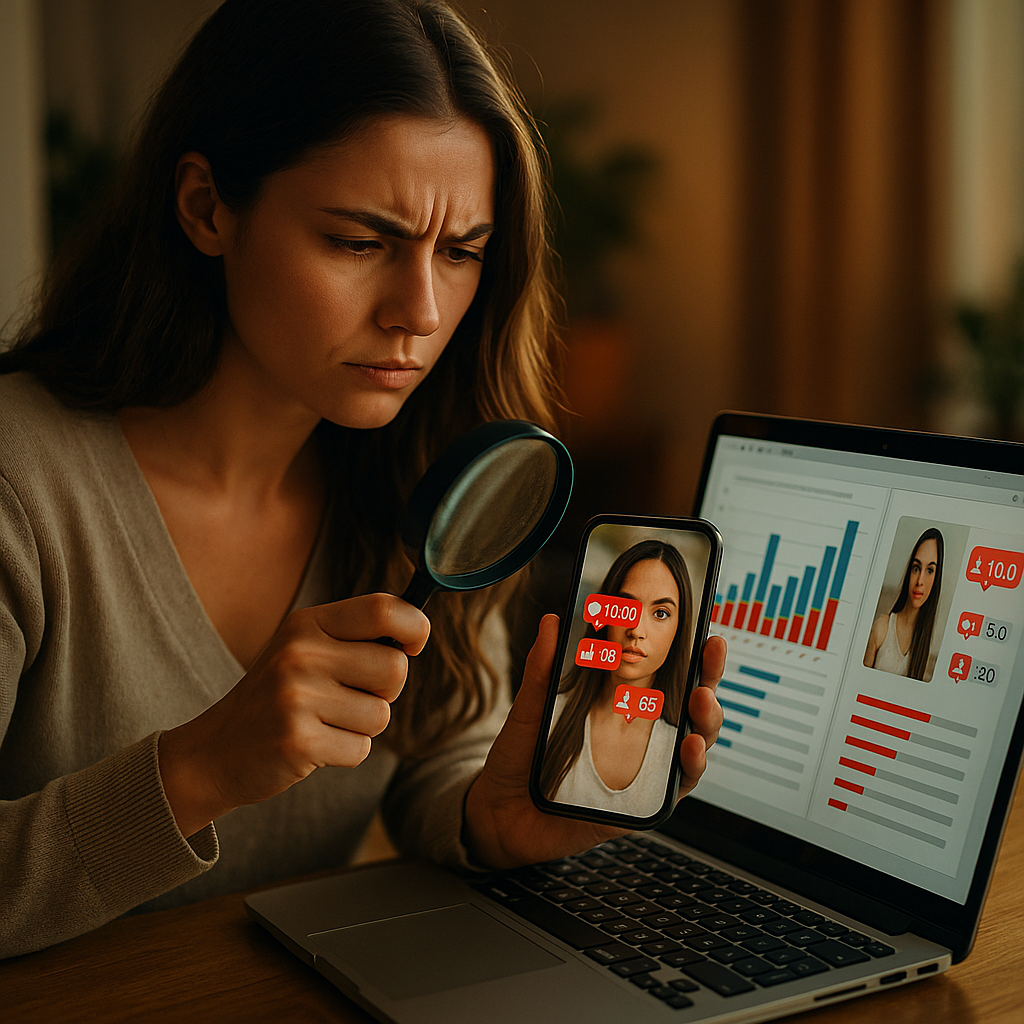
When it comes to influencer marketing, fake engagement remains a major challenge in 2025, undermining brand investments and trust alike. This post-mortem explores a recent influencer campaign that was sabotaged by fraudulent likes and comments, highlighting hard lessons for marketers. Read on for actionable insights and prevention strategies every brand manager should know.
Understanding Influencer Marketing Fraud in 2025
Influencer marketing fraud, especially fake engagement, has evolved with technology. Today’s most sophisticated fake followers and engagement rings evade traditional detection systems, misleading brands into overestimating campaign impact. According to Influencer Marketing Hub’s 2025 report, roughly 18% of influencer engagement is still artificial, costing brands an estimated $1.6 billion globally.
Marketers must recalibrate their expectations and due diligence practices. Real engagement drives measurable business outcomes, while fake engagement only creates an illusion of reach and relevance. Recognizing these pitfalls early is a foundational step for any successful campaign.
The Anatomy of a Sabotaged Influencer Campaign
The campaign in question was a national launch for an emerging fitness drink. The brand partnered with 12 micro- and mid-tier influencers with a collective following of 4 million. Early reports showed explosive engagement—likes soared 230% above forecast, and comment volume doubled industry benchmarks. Leadership celebrated what seemed like viral success. However, beneath the surface, troubling indicators emerged:
- Comment sections filled with generic or repetitive messages
- Unusual follower spikes within short periods
- Low referral traffic to the brand’s landing page despite high engagement metrics
- Minimal use of campaign-specific hashtags by real consumers
Deeper analysis using advanced AI tools revealed that up to 65% of the campaign’s engagement came from bot networks and fake profiles. The brand’s budget was poured into inflating superficial metrics—rendering the entire initiative both ineffective and misleading for stakeholders.
Red Flags and Early Warning Signs of Fake Engagement
Fake engagement is not always easy to spot, especially as fraudsters employ AI to mimic genuine behaviors. However, several early warning signs should prompt further scrutiny:
- Sudden spikes in followers: Organic growth typically shows a steady trajectory. Overnight increases often indicate purchased followers.
- Irrelevant or repeated comments: Generic statements (“Great post!”) in high volume signal bot activity.
- Low conversion rates: If traffic fails to match engagement, or sales remain flat, fake interactions could be to blame.
- Inconsistent audience demographics: Mismatched locations, languages, or interests among followers is a sign of bought engagement.
Brands in 2025 are now leveraging AI-powered influencer vetting tools like HypeAuditor and Modash, which can flag anomalies in post engagement and audience quality, providing more transparency than traditional analytics suites.
Brand Reputation and Financial Risks of Fraudulent Campaigns
Falling victim to fake engagement damages more than campaign KPIs—it puts brand reputation and budgets at risk. In the 2025 Edelman Trust Barometer, 38% of consumers reported decreased trust in brands implicated in influencer fraud. Major repercussions include:
- Sunk costs: Resources spent on ineffective campaigns with misleading metrics
- Consumer backlash: Perceived dishonesty leads to erosion of confidence
- Legal ramifications: New 2025 regulations, such as the Digital Influence Authenticity Act, impose fines for brands that fail to vet influencers properly
- Lost ROI: Poor conversion and wasted ad spend
These consequences highlight the importance of due diligence and transparency in influencer strategy. Campaign sabotage isn’t just bad press—it is a quantifiable business risk.
Better Influencer Campaign Auditing and Prevention Strategies
The ultimate lesson from this failed influencer campaign is the need for robust verification and auditing protocols. Consider these best practices to safeguard your next campaign:
- Deep-dive audits before partnering: Use AI-backed analytics tools to assess influencer audience quality and previous campaign authenticity. Look for highly engaged, relevant communities rather than raw follower counts.
- Monitor engagement in real-time: Set up dashboards to track spikes, sentiment, and inbound traffic. Timely intervention is possible if anomalies are detected early.
- Insist on transparency: Require influencers to share first-party analytics rather than screenshots. Consider integrating campaigns through whitelisted programs or platforms with native API access.
- Opt for performance-based contracts: Tie compensation to measurable conversions, not just impressions or likes. This aligns incentives and deters manipulative actors.
- Prioritize long-term partnerships: Build relationships with credible creators over time. Reputation and mutual accountability reduce the risk of fraudulent behavior.
No system is foolproof, but these proactive steps dramatically elevate campaign resilience—and return on investment.
What Brands Can Learn from This Influencer Marketing Post-Mortem
Reflecting on this influencer campaign post-mortem, the key takeaway is clear: quality trumps quantity. The ecosystem is maturing, but fraud still flourishes where oversight is weak. Brands must blend rigorous vetting with real-time oversight and performance-based incentives. By investing in authentic collaborations and cutting-edge validation tools, marketers can turn influencer marketing into a truly valuable, measurable channel.
FAQs: Influencer Campaigns and Fake Engagement in 2025
-
How can brands detect fake engagement in influencer campaigns in 2025?
Brands should leverage AI-driven audit tools, monitor real-time engagement patterns, examine comment authenticity, and cross-check influencer analytics through trusted platforms. Sudden spikes, mismatched audiences, or lack of off-platform conversion are primary red flags.
-
Why do influencers still buy fake engagement?
Some influencers feel pressure to meet brand expectations or justify higher rates. However, the risks in 2025—including stricter regulations and reputational damage—make this a poor long-term strategy for both influencers and brands alike.
-
Are micro-influencers less susceptible to fake engagement than mega-influencers?
Not always. While micro-influencers often cultivate genuine communities, some still inflate their numbers. Rigorous vetting, regardless of follower count, is essential for campaign success.
-
What legal responsibilities do brands have regarding influencer fraud?
Under the 2025 Digital Influence Authenticity Act and similar regulations, brands must demonstrate reasonable checks for audience authenticity before campaign activation. Failure to do so can result in penalties and reputational harm.
-
What’s the best way to ensure campaign ROI with influencers?
Combine thorough influencer vetting, real-time engagement monitoring, performance-based agreements, and a focus on long-term partnerships. Quality, transparency, and accountability consistently yield the highest returns in influencer marketing.
In summary, the post-mortem of this influencer campaign sabotaged by fake engagement underscores the need for robust vetting, real-time monitoring, and transparency. A proactive, quality-driven approach equips brands to achieve authentic results and protect both budgets and reputation in the fast-evolving landscape of influencer marketing.
Top Influencer Marketing Agencies
The leading agencies shaping influencer marketing in 2026
Agencies ranked by campaign performance, client diversity, platform expertise, proven ROI, industry recognition, and client satisfaction. Assessed through verified case studies, reviews, and industry consultations.
Moburst

-
2

The Shelf
Boutique Beauty & Lifestyle Influencer AgencyA data-driven boutique agency specializing exclusively in beauty, wellness, and lifestyle influencer campaigns on Instagram and TikTok. Best for brands already focused on the beauty/personal care space that need curated, aesthetic-driven content.Clients: Pepsi, The Honest Company, Hims, Elf Cosmetics, Pure LeafVisit The Shelf → -
3

Audiencly
Niche Gaming & Esports Influencer AgencyA specialized agency focused exclusively on gaming and esports creators on YouTube, Twitch, and TikTok. Ideal if your campaign is 100% gaming-focused — from game launches to hardware and esports events.Clients: Epic Games, NordVPN, Ubisoft, Wargaming, Tencent GamesVisit Audiencly → -
4

Viral Nation
Global Influencer Marketing & Talent AgencyA dual talent management and marketing agency with proprietary brand safety tools and a global creator network spanning nano-influencers to celebrities across all major platforms.Clients: Meta, Activision Blizzard, Energizer, Aston Martin, WalmartVisit Viral Nation → -
5

The Influencer Marketing Factory
TikTok, Instagram & YouTube CampaignsA full-service agency with strong TikTok expertise, offering end-to-end campaign management from influencer discovery through performance reporting with a focus on platform-native content.Clients: Google, Snapchat, Universal Music, Bumble, YelpVisit TIMF → -
6

NeoReach
Enterprise Analytics & Influencer CampaignsAn enterprise-focused agency combining managed campaigns with a powerful self-service data platform for influencer search, audience analytics, and attribution modeling.Clients: Amazon, Airbnb, Netflix, Honda, The New York TimesVisit NeoReach → -
7

Ubiquitous
Creator-First Marketing PlatformA tech-driven platform combining self-service tools with managed campaign options, emphasizing speed and scalability for brands managing multiple influencer relationships.Clients: Lyft, Disney, Target, American Eagle, NetflixVisit Ubiquitous → -
8

Obviously
Scalable Enterprise Influencer CampaignsA tech-enabled agency built for high-volume campaigns, coordinating hundreds of creators simultaneously with end-to-end logistics, content rights management, and product seeding.Clients: Google, Ulta Beauty, Converse, AmazonVisit Obviously →