


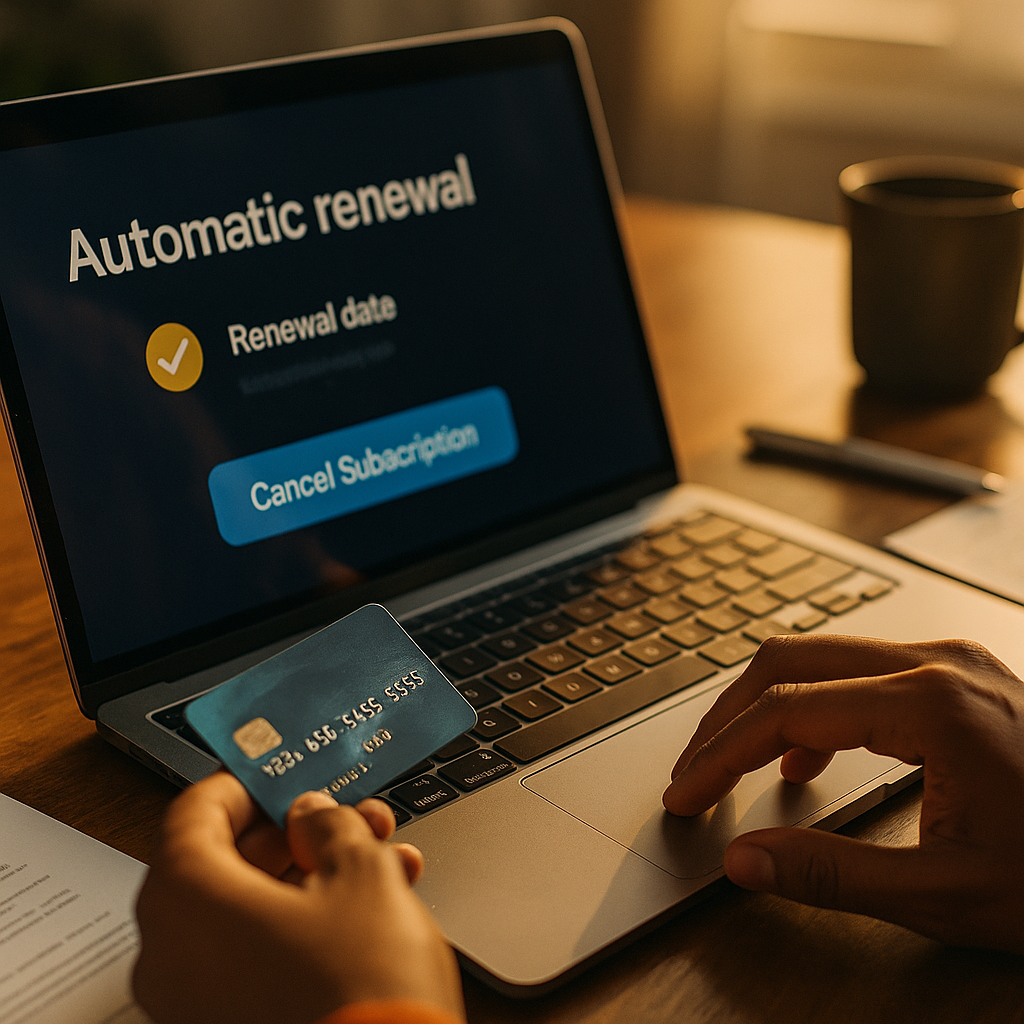
Automatic renewal laws for subscription-based creator services are stricter than ever in 2025, making legal compliance crucial for success. Non-compliance can result in severe penalties and undermine user trust, especially as authorities closely monitor recurring billing. Understanding how to comply is essential if you offer content or tools on a subscription basis. Let’s dive into the steps you need to take.
Understanding Automatic Renewal Compliance for Subscription Services
Subscription-based creator services—such as SaaS platforms, digital content memberships, and premium tools—must follow complex automatic renewal laws. The Federal Trade Commission (FTC) and multiple U.S. states continue to expand their scope. For instance, California’s ARL (Automatic Renewal Law) remains the most stringent, but similar regulations have rolled out across dozens of states following increasing complaints about subscription traps. Internationally, the EU and UK GDPR frameworks also bar unfair recurring billing practices.
At its core, compliance involves three principles:
- Clear disclosure: Subscribers must fully understand what they’re agreeing to before they’re billed.
- Affirmative consent: Users must explicitly agree to the terms, not just passively accept them.
- Easy cancellation: You must provide a simple and accessible way to cancel subscriptions at any time.
Recent enforcement trends show regulators are prioritizing clarity, consent, and user empowerment. In other words, if your sign-up flow is confusing or cancellation is hidden, you’re likely violating the law. Stay aware of the regulations applicable to your subscriber base, as rules may differ by state or country.
Creating Transparent Pre-Purchase Disclosures for Recurring Services
One of the most common compliance pitfalls is vague or incomplete pre-purchase information. Automatic renewal laws demand that subscribers know exactly what their subscription entails—frequency of billing, renewal terms, and pricing—before they confirm their purchase.
- Display key details—like the recurring price, billing frequency (e.g., monthly, yearly), and cancellation terms—prominently and in plain language.
- If offering a free trial, state when charges will begin and highlight that charges auto-renew unless cancelled.
- Disclose any changes in price or terms well in advance. In 2025, many states require a minimum notice of 30 days for any material change.
Legibility and positioning matter. Place disclosures immediately next to the purchase or sign-up button, not buried in your site’s terms and conditions. Top-performing platforms often use pop-up summaries and bolded font to enhance clarity and user trust.
Securing Affirmative Consent Before Starting Subscriptions
Merely displaying terms isn’t enough. Automatic renewal compliance requires you to collect clear, unambiguous consent before enrolling someone in a subscription. This step is critical both for legal adherence and for building long-term trust.
- Use opt-in checkboxes or explicit “I agree” buttons (not pre-checked) directly under the subscription terms.
- Ensure the language specifying recurring charges is highlighted and not hidden by other elements.
- Maintain electronic records of consent, including timestamps and metadata, to defend against complaints or audits.
Affirmative consent shows you’re committed to ethical business practices. In the event of a dispute, you should be able to quickly access evidence that the user intentionally enrolled.
Delivering Compliant Post-Purchase Notifications and Receipts
Automatic renewal laws don’t stop after a customer subscribes. In 2025, you must send clear post-purchase notifications to every new subscriber—and ongoing reminders ahead of each renewal for annual or longer-term plans.
- Immediately send a confirmation email or receipt detailing the terms, renewal schedule, pricing, and cancellation process.
- For annual or multi-month subscriptions, send a renewal reminder 15-30 days before each rebill, as required in states like California, New York, and Illinois.
- Include contact information for support and a direct cancellation link in every notification—burying these details may violate disclosure standards.
Modern notification tools and API integrations make these automated reminders easy to implement. Automated receipts are not just good practice—they can prevent chargebacks and regulatory claims by reinforcing trust and transparency.
Making Cancellation Fast, Frictionless, and Documented
The right to cancel is a cornerstone of recurring subscription laws. Evolving state and federal enforcement actions in 2025 show that burying or complicating the cancellation process is among the most common—and costly—violations.
- Offer “easy cancellation” mechanisms: Allow subscribers to cancel online, without making them call or email customer support.
- Place unsubscribe links or cancellation buttons clearly in account dashboards, renewal emails, and on your website’s help pages.
- Send instant cancellation confirmations by email, clearly stating when billing will end and that no new charges will occur.
- Retain cancellation logs and confirmation records as proof of compliance.
Cancel at the user’s pace, not yours. Resist tactics like “save attempts” that obstruct the process. This approach not only avoids legal issues but also strengthens your reputation and opens the door for future re-engagement.
Staying Updated: Monitoring Regulatory Changes and Adopting Best Practices
In 2025, regulators update and expand automatic renewal laws regularly. Subscription-based creator services must monitor local, state, federal, and international regulations, especially if serving a global audience. The FTC, California Attorney General, and EU consumer protection bodies are particularly active in proposing revisions and new enforcement priorities.
- Subscribe to official newsletters and alerts from law firms specializing in subscription law.
- Regularly train your compliance, product, and support teams on updated requirements and best practice changes.
- Review your workflows annually or whenever major regulatory changes occur to preemptively spot issues.
- Consult counsel or compliance specialists for multi-jurisdictional operations to ensure you’re not missing region-specific rules.
- Benchmark your user flows against industry leaders and published compliance checklists.
Proactive adaptation is essential for risk mitigation. By embedding compliance as a core element of your product and customer success strategies, you ensure smooth operations and retain customer confidence as regulations evolve.
Frequently Asked Questions about Automatic Renewal Laws for Subscription-Based Creator Services
- Do all states in the U.S. have the same automatic renewal laws?
No. States like California and New York have specific, sometimes stricter, requirements compared to others. Always check the laws in each state where you have subscribers. - Is a simple “terms and conditions” link enough for disclosure?
No. Key terms must be clearly and conspicuously displayed at the point of purchase, not hidden in legalese or on a separate page. - How soon must I notify customers before their subscription renews?
For annual (or longer) plans, generally 15–30 days prior. Shorter plans may not require advance notifications, but always check your jurisdiction’s specific rules. - What happens if a user can’t cancel online?
If online sign-up is possible, cancellation must also be feasible online. Limiting the method to phone or email often violates compliance rules and can trigger enforcement. - What records should I keep for compliance?
Retain consent logs (timestamps, acceptance terms), notification receipts, cancellation requests, and confirmation messages for at least two years or as required by law.
In summary, complying with automatic renewal laws for subscription-based creator services in 2025 means following clear disclosures, securing explicit consent, automating reminders, and offering hassle-free cancellations. Proactive compliance prevents penalties and builds user loyalty—making it an indispensable part of every subscription business’s strategy.
Top Influencer Marketing Agencies
The leading agencies shaping influencer marketing in 2026
Agencies ranked by campaign performance, client diversity, platform expertise, proven ROI, industry recognition, and client satisfaction. Assessed through verified case studies, reviews, and industry consultations.
Moburst

-
2

The Shelf
Boutique Beauty & Lifestyle Influencer AgencyA data-driven boutique agency specializing exclusively in beauty, wellness, and lifestyle influencer campaigns on Instagram and TikTok. Best for brands already focused on the beauty/personal care space that need curated, aesthetic-driven content.Clients: Pepsi, The Honest Company, Hims, Elf Cosmetics, Pure LeafVisit The Shelf → -
3

Audiencly
Niche Gaming & Esports Influencer AgencyA specialized agency focused exclusively on gaming and esports creators on YouTube, Twitch, and TikTok. Ideal if your campaign is 100% gaming-focused — from game launches to hardware and esports events.Clients: Epic Games, NordVPN, Ubisoft, Wargaming, Tencent GamesVisit Audiencly → -
4

Viral Nation
Global Influencer Marketing & Talent AgencyA dual talent management and marketing agency with proprietary brand safety tools and a global creator network spanning nano-influencers to celebrities across all major platforms.Clients: Meta, Activision Blizzard, Energizer, Aston Martin, WalmartVisit Viral Nation → -
5

The Influencer Marketing Factory
TikTok, Instagram & YouTube CampaignsA full-service agency with strong TikTok expertise, offering end-to-end campaign management from influencer discovery through performance reporting with a focus on platform-native content.Clients: Google, Snapchat, Universal Music, Bumble, YelpVisit TIMF → -
6

NeoReach
Enterprise Analytics & Influencer CampaignsAn enterprise-focused agency combining managed campaigns with a powerful self-service data platform for influencer search, audience analytics, and attribution modeling.Clients: Amazon, Airbnb, Netflix, Honda, The New York TimesVisit NeoReach → -
7

Ubiquitous
Creator-First Marketing PlatformA tech-driven platform combining self-service tools with managed campaign options, emphasizing speed and scalability for brands managing multiple influencer relationships.Clients: Lyft, Disney, Target, American Eagle, NetflixVisit Ubiquitous → -
8

Obviously
Scalable Enterprise Influencer CampaignsA tech-enabled agency built for high-volume campaigns, coordinating hundreds of creators simultaneously with end-to-end logistics, content rights management, and product seeding.Clients: Google, Ulta Beauty, Converse, AmazonVisit Obviously →